
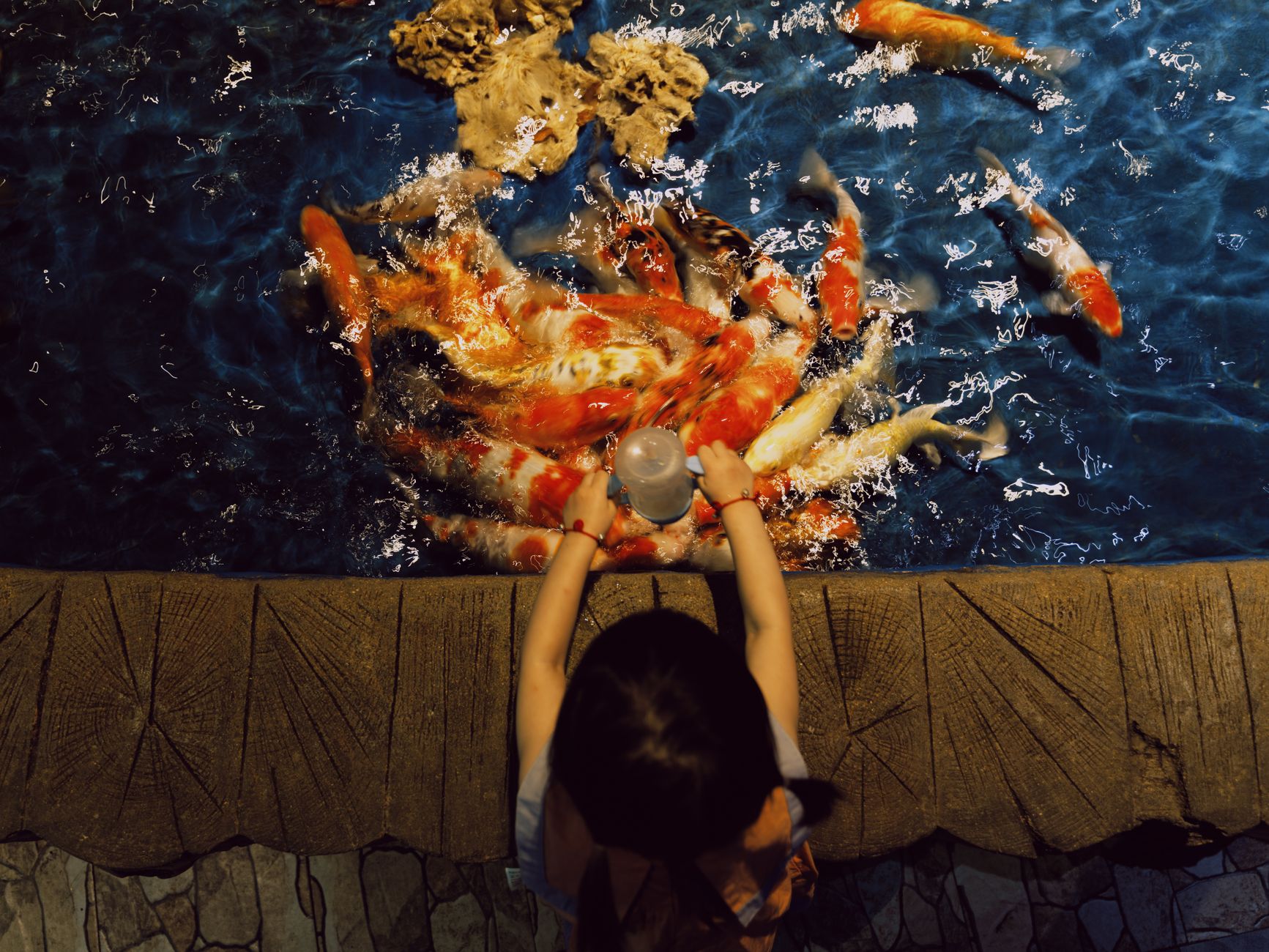
How Often to Feed Koi and Goldfish: The Definitive Guide
The ideal feeding frequency for koi and goldfish depends on several factors, but as a general rule, you should feed them twice a day, providing only what they can consume in 2-3 minutes. Overfeeding is a common mistake that leads to poor water quality and health problems.

Understanding Koi and Goldfish Feeding
Keeping koi and goldfish happy and healthy depends largely on proper feeding habits. How often do you feed koi and goldfish? is a question every pond owner asks. Getting it right significantly impacts their growth, coloration, and overall well-being. Let’s delve into the details.
Background on Koi and Goldfish Diets

Koi and goldfish are omnivores, meaning they thrive on a diet consisting of both plant and animal matter. In their natural environments, they would graze throughout the day. However, in a contained pond environment, they rely entirely on you to provide them with the necessary nutrients. Understanding their natural feeding behavior is crucial for replicating it successfully.
Benefits of Proper Feeding Frequency
- Optimal Growth: Consistent, measured feeding supports healthy growth rates.
- Vibrant Colors: A balanced diet enhances the vibrant colors of koi and goldfish.
- Strong Immune System: Proper nutrition strengthens their immune systems, making them less susceptible to diseases.
- Clean Water: Avoiding overfeeding prevents the buildup of excess nutrients in the water, reducing the risk of algae blooms and poor water quality.
- Happy Fish: Well-fed and healthy fish are more active and exhibit natural behaviors.
Determining the Right Feeding Frequency
Several factors influence how often do you feed koi and goldfish?:
- Water Temperature: Fish metabolism slows down in cooler water, requiring less frequent feeding.
- Fish Size and Age: Younger, smaller fish require more frequent feedings than older, larger fish.
- Food Type: Different types of food have varying nutritional content and digestibility.
- Pond Size and Stocking Density: Larger ponds with fewer fish can tolerate slightly more feeding.
Recommended Feeding Schedule Based on Water Temperature
| Water Temperature (°F) | Feeding Frequency | Notes |
|---|---|---|
| :———————– | :————————————————————————————————————– | :——————————————————————————————————————————- |
| Above 70°F | 2-3 times daily | Use a high-quality koi or goldfish food. |
| 60°F – 70°F | 1-2 times daily | Reduce portion sizes slightly. |
| 50°F – 60°F | Once daily or every other day | Use a wheat germ-based food, which is easier to digest at lower temperatures. |
| Below 50°F | Stop feeding entirely | Fish metabolism is very slow at these temperatures, and they cannot properly digest food. |
Choosing the Right Food
- Koi Pellets: Formulated specifically for koi, offering balanced nutrition.
- Goldfish Flakes/Pellets: Designed for the smaller digestive systems of goldfish.
- Wheat Germ-Based Foods: Easier to digest in cooler water.
- Supplemental Foods: Blanched vegetables (peas, spinach), fruits (orange slices), and live foods (bloodworms, brine shrimp) can be offered as occasional treats.
Common Mistakes in Feeding Koi and Goldfish
- Overfeeding: This is the most common mistake. Uneaten food decomposes, polluting the water.
- Feeding the Wrong Food: Using inappropriate food can lead to nutritional deficiencies.
- Ignoring Water Temperature: Continuing to feed at the same frequency when the water temperature drops can cause digestive problems.
- Feeding Too Much at Once: Providing large portions can lead to overeating and digestive issues.
Monitoring Your Fish’s Health
Observe your fish for signs of good health:
- Active Swimming: Healthy fish are active and swim normally.
- Good Appetite: They readily eat food when offered.
- Bright Colors: Their colors are vibrant and clear.
- Normal Body Shape: They have a healthy body shape without being overly thin or bloated.
Adjusting Your Feeding Schedule
Continuously monitor your fish and the water quality. Adjust the feeding schedule and amount based on their behavior, the water temperature, and any signs of health problems. How often do you feed koi and goldfish? is not a static question; the answer will change over time.

Frequently Asked Questions (FAQs)
What happens if I overfeed my koi and goldfish?
Overfeeding leads to poor water quality due to the decomposition of uneaten food. This can cause algae blooms, increased ammonia levels, and a decrease in oxygen, ultimately harming your fish. It can also lead to obesity and other health problems.
Can I feed my koi and goldfish human food?
While occasional small treats of certain human foods like blanched peas or cooked rice are acceptable, it’s generally not recommended to feed them human food regularly. Koi and goldfish require a balanced diet specifically formulated for their needs.
How long can koi and goldfish go without food?
Healthy, adult koi and goldfish can survive for several days, even up to a week or two, without food, especially in cooler water. However, it’s not recommended to withhold food for extended periods unless necessary (e.g., during winter dormancy).
What is wheat germ food and why is it important?
Wheat germ food is a type of fish food that is easier to digest, especially in cooler water temperatures. It’s often recommended when water temperatures drop below 60°F because it contains less protein and more fiber, reducing the risk of digestive problems.
How do I know if I’m feeding my koi and goldfish too much?
Signs of overfeeding include uneaten food remaining in the pond after a few minutes, cloudy water, excessive algae growth, and fish appearing bloated or sluggish.
Can I feed my koi and goldfish only once a day?
While you can feed them once a day, especially if you are pressed for time, feeding twice a day in smaller portions is generally better. This provides a more consistent supply of nutrients throughout the day and allows them to digest their food more efficiently.
What type of food is best for baby koi and goldfish?
Baby koi and goldfish require smaller, more easily digestible foods. You can use crushed flakes, powdered fish food, or specialized fry food. Feed them several times a day in small portions.
How do I feed my fish if I’m going on vacation?
You have several options: use an automatic fish feeder, ask a friend or neighbor to feed them, or purchase a slow-release feeder block. If you’re only gone for a few days, they can likely survive without food.
Is it okay to feed my koi and goldfish floating or sinking food?
Both floating and sinking foods are acceptable. Floating food allows you to observe your fish as they eat and ensure they are consuming the food. Sinking food may be more natural for goldfish, as they tend to forage at the bottom of the pond.
Do koi and goldfish need to be fed in the winter?
Generally, you should stop feeding your koi and goldfish when the water temperature drops below 50°F. Their metabolism slows down significantly at these temperatures, and they cannot properly digest food. They enter a state of dormancy and rely on stored energy reserves.
How do I store fish food properly?
Store fish food in a cool, dry place in an airtight container. This will help prevent spoilage and maintain its nutritional value. Avoid storing it in direct sunlight or in humid conditions.
What are some good supplemental foods for koi and goldfish?
Good supplemental foods include blanched vegetables (peas, spinach, zucchini), fruits (orange slices, watermelon), and live foods (bloodworms, brine shrimp). These provide additional nutrients and can add variety to their diet. Remember to offer these in moderation as treats.