
How Often Do Fish Need Oxygen?
The answer to “How often do fish need oxygen?” is not straightforward; it depends on various factors, but generally, fish require a constant and consistent supply of dissolved oxygen in the water to survive. Depriving them of oxygen for even short periods can have fatal consequences.
Understanding Dissolved Oxygen in Aquatic Environments
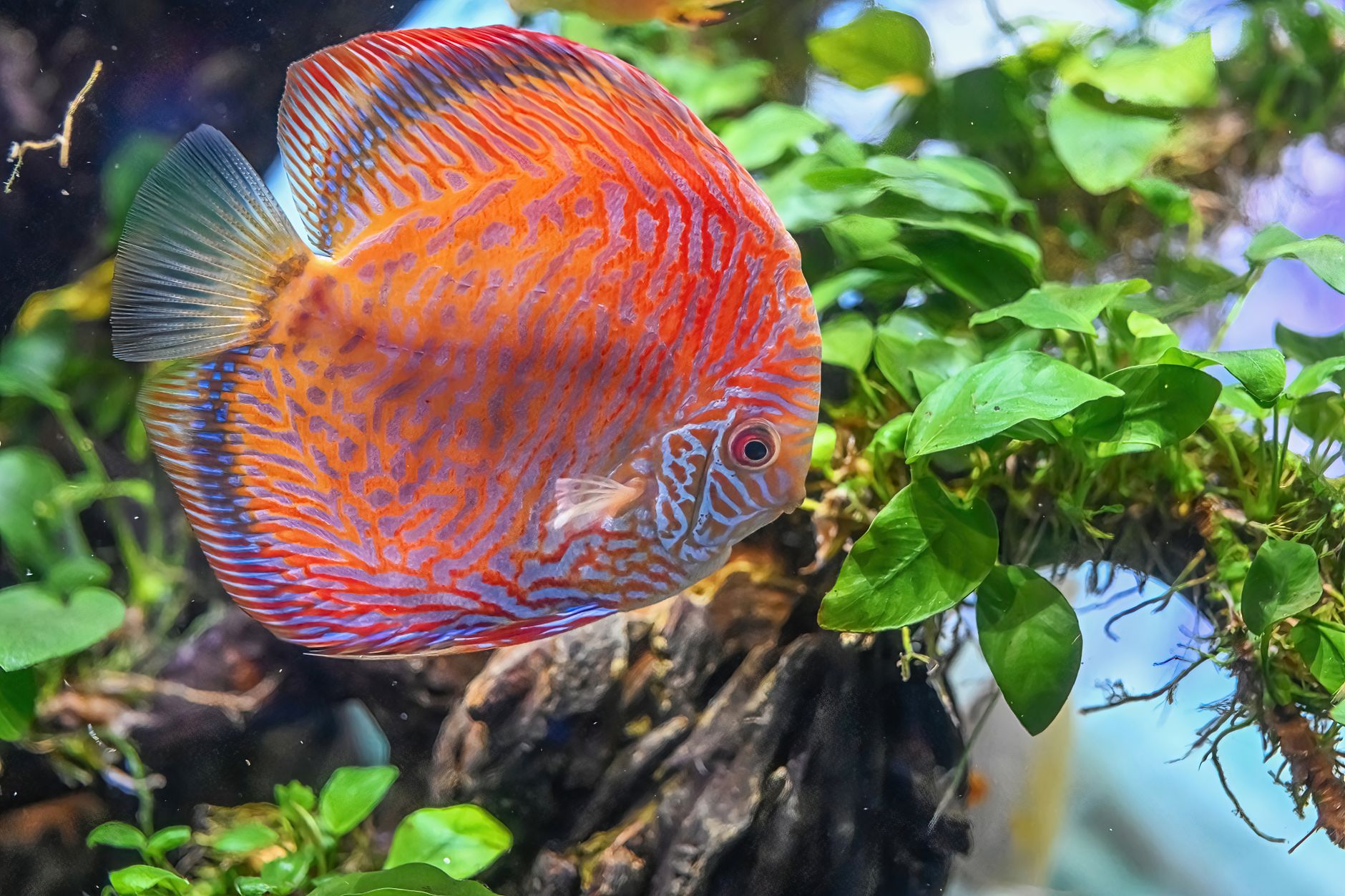
Dissolved oxygen (DO) is the amount of oxygen gas present in water. Fish, like terrestrial animals, require oxygen for respiration – the process of converting food into energy. They extract DO from the water through their gills. The amount of DO needed varies greatly depending on species, activity level, water temperature, and other environmental factors. Knowing how to maintain adequate oxygen levels is crucial for responsible fish keeping, whether in aquariums, ponds, or aquaculture systems.
Factors Influencing Fish Oxygen Requirements
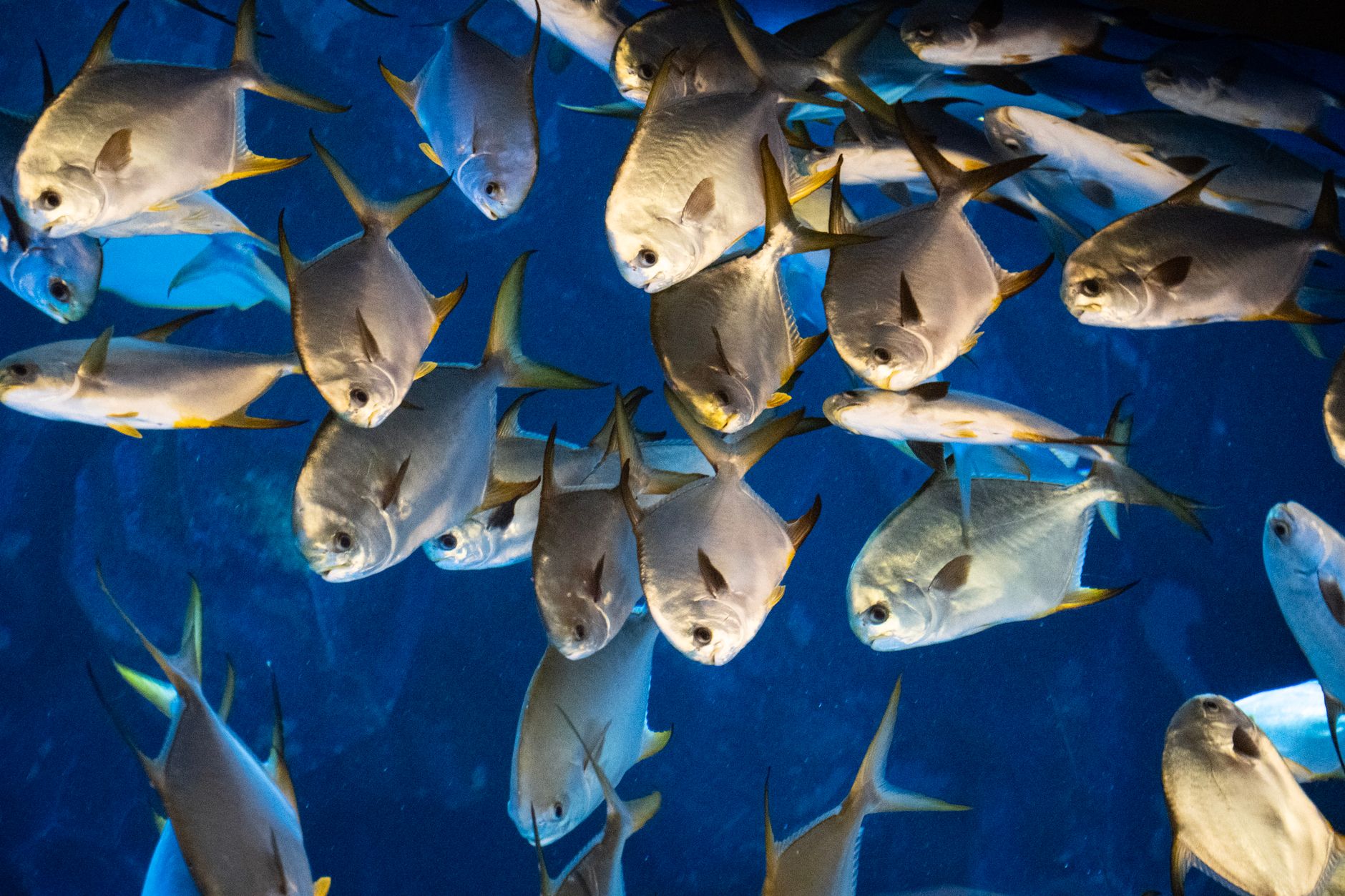
Several factors significantly impact how much oxygen fish need:
- Species: Different fish species have different oxygen demands. Active, predatory fish generally require higher DO levels than slower, less active species.
- Water Temperature: As water temperature increases, its ability to hold dissolved oxygen decreases. This means that warmer water has less available oxygen for fish, increasing their risk of suffocation.
- Activity Level: Fish use more oxygen when they are actively swimming, feeding, or spawning. Stressful conditions also increase oxygen consumption.
- Size and Age: Larger fish generally need more oxygen than smaller fish. Young fish are often more sensitive to low oxygen levels.
- Water Quality: The presence of pollutants or organic matter in the water can reduce DO levels. Decomposition of organic matter consumes oxygen, further depleting its availability.
Maintaining Optimal Oxygen Levels in Aquariums
Maintaining adequate oxygen levels in aquariums is essential for the health and well-being of fish. Several methods can be used:
- Air Pumps and Air Stones: These devices introduce air into the water, increasing the surface area for oxygen exchange. Air stones create bubbles that circulate the water, facilitating oxygen absorption.
- Powerheads and Wave Makers: These devices increase water circulation, which helps distribute oxygen throughout the aquarium.
- Live Plants: Live aquatic plants produce oxygen through photosynthesis during daylight hours. However, they also consume oxygen at night.
- Regular Water Changes: Water changes help remove organic waste and pollutants, which can deplete oxygen levels.
- Avoid Overcrowding: Overcrowding increases the demand for oxygen and can quickly lead to low oxygen levels.
- Proper Filtration: Efficient filtration systems remove organic waste and help maintain water quality, indirectly contributing to better oxygen levels.
Recognizing Signs of Oxygen Deprivation
Recognizing the signs of oxygen deprivation in fish is crucial for timely intervention. Common symptoms include:
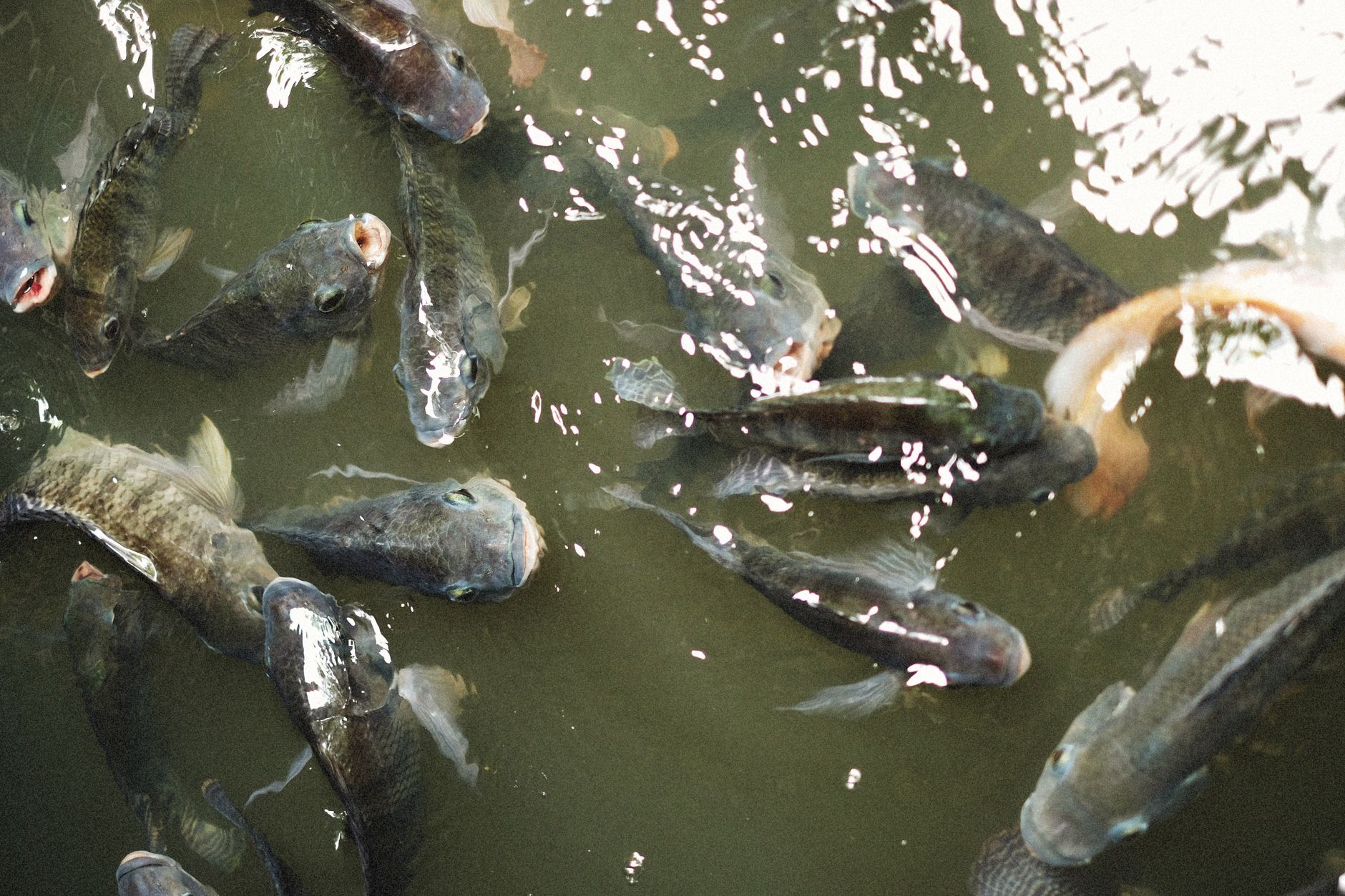
- Gasping at the Surface: Fish may swim near the surface and gulp air, indicating that they are not getting enough oxygen from the water.
- Rapid Gill Movement: Fish may exhibit rapid gill movements as they try to extract more oxygen from the water.
- Lethargy and Inactivity: Fish may become sluggish and inactive, spending more time at the bottom of the tank.
- Loss of Appetite: Fish may lose their appetite and refuse to eat.
- Clamped Fins: Fins may be held close to the body, indicating stress.
- Death: In severe cases, oxygen deprivation can lead to death.
Oxygenation Techniques in Fish Farms and Ponds
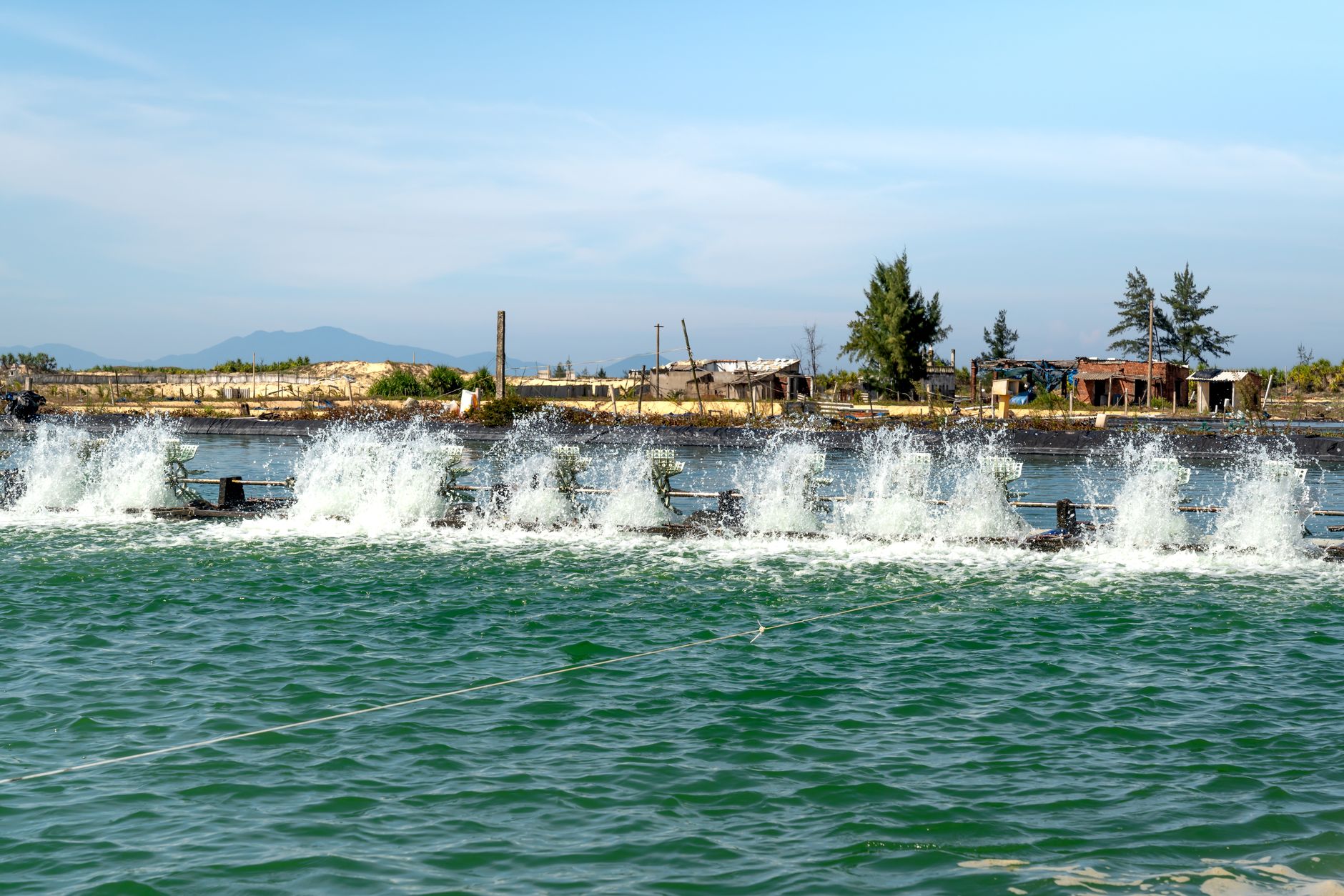
In larger aquaculture systems like fish farms and ponds, maintaining adequate oxygen levels requires different approaches. These may include:
- Aerators: These devices introduce air into the water, increasing DO levels. Different types of aerators are available, including surface aerators, submerged aerators, and diffused aeration systems.
- Water Circulation Systems: These systems circulate the water, helping to distribute oxygen and prevent stratification.
- Algae Control: Excessive algae growth can deplete oxygen levels at night. Strategies for controlling algae include nutrient management and the use of algaecides.
- Monitoring Oxygen Levels: Regular monitoring of DO levels is essential for managing oxygen levels effectively.
| Technique | Description | Advantages | Disadvantages |
|---|---|---|---|
| Aerators | Introduces air into the water, increasing DO. | Effective at increasing DO levels, various types available to suit different needs. | Can be energy-intensive, may require maintenance. |
| Circulation Systems | Circulates water to distribute oxygen and prevent stratification. | Prevents oxygen depletion in specific areas, distributes nutrients and waste. | Can be expensive to install and operate. |
| Algae Control | Manages algae growth to prevent oxygen depletion during the night. | Prevents oxygen depletion, improves water quality. | Requires careful management to avoid harming other aquatic life. |
| Oxygen Monitoring | Regularly checks DO levels to ensure they are within acceptable ranges. | Allows for proactive management of oxygen levels, prevents oxygen depletion. | Requires specialized equipment and training. |
Consequences of Insufficient Oxygen
Failing to provide adequate oxygen can have severe consequences for fish. Prolonged exposure to low oxygen levels can lead to:
- Stressed Immune System: Low oxygen weakens the immune system, making fish more susceptible to diseases and infections.
- Reduced Growth Rate: Oxygen is essential for metabolism and growth. Insufficient oxygen can stunt growth and development.
- Reproductive Problems: Low oxygen can interfere with reproduction, reducing spawning success and egg viability.
- Mortality: Severe oxygen deprivation can lead to mass mortality events.
Common Mistakes in Oxygen Management
Several common mistakes can lead to inadequate oxygen levels in fish keeping:
- Overstocking: Too many fish in a limited space increases the demand for oxygen.
- Overfeeding: Excess food can decompose and deplete oxygen levels.
- Neglecting Water Changes: Infrequent water changes allow pollutants to accumulate, reducing oxygen availability.
- Insufficient Aeration: Not providing adequate aeration can prevent oxygen levels from reaching optimal levels.
- Ignoring Temperature Fluctuations: Failing to adjust oxygen levels based on water temperature can lead to problems.
FAQ Section:
What is the ideal dissolved oxygen level for most aquarium fish?
The ideal dissolved oxygen level for most aquarium fish is typically between 5 and 8 parts per million (ppm). However, some species, such as trout and salmon, require even higher DO levels, while others can tolerate lower levels. Regular testing is crucial to ensure levels remain within the optimal range.
How can I test the dissolved oxygen level in my aquarium?
You can test the dissolved oxygen level in your aquarium using a dissolved oxygen test kit or a digital DO meter. Test kits typically involve adding chemicals to a water sample and comparing the resulting color to a chart. DO meters provide a direct digital reading.
Can I add too much oxygen to my aquarium?
While it is rare, it is possible to supersaturate the water with oxygen. This can lead to a condition called gas bubble disease, where gas bubbles form in the fish’s tissues, causing damage and potentially death. Proper aeration techniques and avoiding extreme measures can prevent this.
Are there any fish that can tolerate low oxygen levels?
Yes, some fish species are more tolerant of low oxygen levels than others. Examples include betta fish (Siamese fighting fish), catfish, and goldfish. These fish have adaptations that allow them to survive in environments with limited oxygen.
How do live plants affect oxygen levels in an aquarium?
During daylight hours, live aquatic plants produce oxygen through photosynthesis, which can increase DO levels in the aquarium. However, at night, they consume oxygen, which can lower DO levels. Balancing plant mass with other oxygenation methods is key.
What role does surface agitation play in oxygenating water?
Surface agitation increases the surface area of the water exposed to the air, facilitating the exchange of gases, including oxygen. This is why air pumps and powerheads that create surface movement are effective at increasing DO levels.
How does temperature affect dissolved oxygen levels?
As water temperature increases, its ability to hold dissolved oxygen decreases. This means that warmer water has less available oxygen for fish. Therefore, it’s crucial to monitor and adjust oxygenation strategies, especially during warmer months.
Can I use hydrogen peroxide to increase oxygen levels in my aquarium?
While hydrogen peroxide (H2O2) decomposes into water and oxygen, it is not recommended for regular use in aquariums to increase oxygen levels. It can be harmful to fish and beneficial bacteria if not used carefully and in the correct dosage. More reliable methods like aeration are preferred.
What are the signs of gas bubble disease in fish?
Signs of gas bubble disease in fish include small gas bubbles appearing on the skin, fins, or gills. Fish may also exhibit erratic swimming behavior or have difficulty maintaining buoyancy.
How often should I perform water changes to maintain adequate oxygen levels?
The frequency of water changes depends on various factors, such as the size of the aquarium, the number of fish, and the filtration system. A general guideline is to perform 25-50% water changes every 1-2 weeks. Monitor water parameters regularly to adjust the frequency as needed.
What is the difference between aeration and oxygenation?
Aeration refers to the process of exposing water to air, which increases the exchange of gases, including oxygen. Oxygenation specifically refers to the process of increasing the dissolved oxygen level in the water. Aeration is one method of oxygenation.
How do I handle an emergency situation with low oxygen levels in my aquarium?
In an emergency situation with low oxygen levels, immediately increase aeration by adding an air stone or powerhead. Perform a partial water change using dechlorinated water that is close in temperature to the aquarium water. Reduce feeding and monitor fish closely.