

How Often Do Baby Raccoons Need To Eat? A Comprehensive Guide
Baby raccoons need to eat frequently, especially when very young. Typically, newborns require feeding every 2-3 hours around the clock, decreasing to every 4-6 hours as they grow and their digestive systems mature.

Understanding the Nutritional Needs of Orphaned Raccoons
Raising orphaned baby raccoons is a demanding undertaking, requiring a deep understanding of their nutritional needs and developmental stages. Replicating the care a mother raccoon provides is crucial for their survival and successful rehabilitation. Neglecting these requirements can lead to malnutrition, developmental problems, and ultimately, mortality. Knowing how often do baby racoons need to eat is just the first step in providing comprehensive care.
The Importance of Age and Development Stage
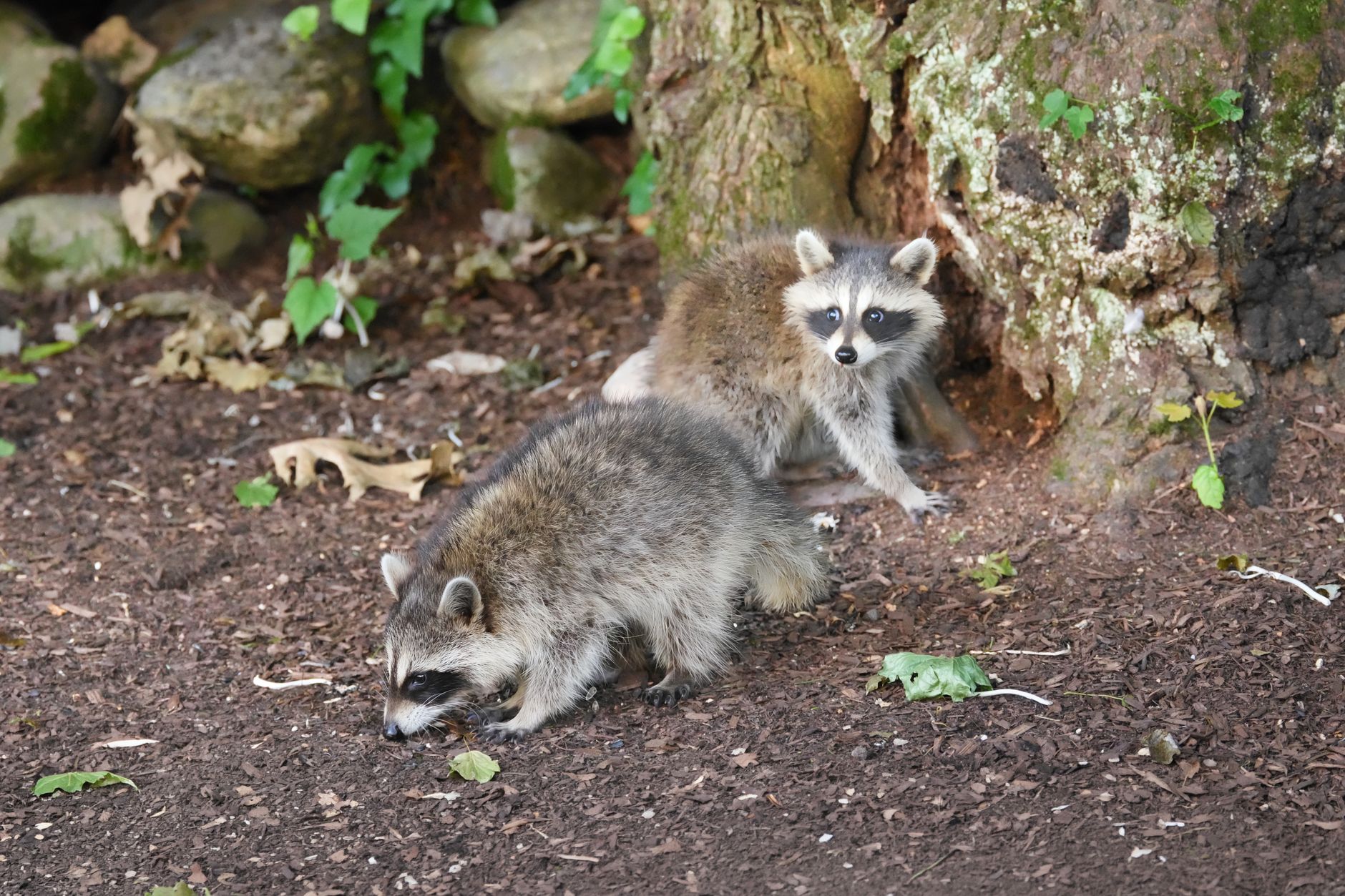
The frequency of feeding is significantly determined by the age and developmental stage of the baby raccoon. A newborn raccoon, with its underdeveloped digestive system, requires almost constant nourishment, mirroring the mother’s frequent nursing. As the raccoon grows, its ability to process food increases, allowing for less frequent feeding intervals.
- Neonates (0-2 weeks): Require feeding every 2-3 hours, day and night.
- Infants (2-4 weeks): Feeding frequency decreases to every 4 hours.
- Juveniles (4-6 weeks): Feedings can be spaced out to every 5-6 hours.
- Older Juveniles (6+ weeks): Begin introducing solid foods alongside formula, gradually reducing formula feedings to 3-4 times a day.
Proper Feeding Techniques and Formulas
Using the correct feeding techniques and formulas is vital for the healthy development of baby raccoons. Cow’s milk is inadequate and can cause diarrhea and other health problems. Specialized kitten milk replacer (KMR) or canine milk replacer (CMR) are often recommended. Consult with a wildlife rehabilitator or veterinarian for the most appropriate formula and concentration.
When feeding:
- Use a small syringe or pet nurser bottle.
- Warm the formula to body temperature (around 100°F or 38°C).
- Hold the baby raccoon in an upright position, mimicking how it would nurse from its mother.
- Allow the raccoon to suckle at its own pace. Never force-feed.
- Stimulate urination and defecation after each feeding by gently rubbing the anal area with a warm, damp cloth.
Recognizing Signs of Malnutrition or Overfeeding
Knowing how often do baby racoons need to eat is important, but equally crucial is recognizing signs of malnutrition or overfeeding.
Signs of Malnutrition:

- Lethargy
- Failure to gain weight
- Dehydration (sunken eyes, sticky gums)
- Ribs and spine easily visible
- Poor coat condition
Signs of Overfeeding:
- Bloated abdomen
- Diarrhea
- Regurgitation
- Difficulty breathing
Adjust feeding amounts and frequency based on these observations. If you notice any of these signs, consult with a veterinarian or experienced wildlife rehabilitator immediately.
Transitioning to Solid Foods
As baby raccoons mature, gradually introduce solid foods alongside formula. Start with softened, easily digestible options, such as:
- Mashed fruits (banana, avocado)
- Cooked sweet potato
- Scrambled eggs
- High-quality kitten or puppy food (soaked in water)
Offer small amounts of solid food initially, gradually increasing the quantity as the raccoon’s appetite grows. Continue to provide formula until the raccoon is eating solid food regularly. Observe their stool to ensure they’re digesting the new food properly.
Common Mistakes to Avoid
Several common mistakes can jeopardize the health of orphaned baby raccoons:
- Feeding cow’s milk: Lacks essential nutrients and can cause digestive upset.
- Overfeeding or underfeeding: Both can lead to serious health problems.
- Feeding too quickly: Can cause aspiration pneumonia.
- Not stimulating elimination: Can lead to constipation and urinary issues.
- Releasing raccoons prematurely: Raccoons require proper socialization and survival skills before being released back into the wild.
By understanding these potential pitfalls and taking preventative measures, you can greatly increase the chances of successful rehabilitation.
Long-Term Care and Release Considerations
Once the baby raccoon is weaned and eating solid food, focus on providing a stimulating environment that mimics its natural habitat. Offer climbing opportunities, hiding places, and foraging opportunities. Prior to release, ensure the raccoon is:
- Fully vaccinated (if applicable in your area and recommended by a veterinarian).
- Free of parasites.
- Able to forage for food and exhibit natural behaviors.
Release the raccoon in a safe, suitable environment with access to food and water. Soft release methods, such as providing a supplemental food source for a period after release, can increase their chances of survival.
Frequently Asked Questions (FAQs)
Can I use human baby formula for baby raccoons?
No, human baby formula is not suitable for baby raccoons. It does not contain the necessary nutrients and can be harmful to their digestive system. Always use kitten milk replacer (KMR) or canine milk replacer (CMR) specifically formulated for animals.
What happens if I can’t find KMR or CMR?
In emergency situations, you can try a homemade formula, but it should only be used as a temporary solution. Consult with a veterinarian or wildlife rehabilitator for a recipe and to ensure it’s appropriate for the baby raccoon’s age and condition.
How much formula should I feed a baby raccoon at each feeding?
The amount of formula needed varies depending on the baby raccoon’s age and weight. A general guideline is to feed approximately 5-7% of the raccoon’s body weight at each feeding. Always monitor their weight and adjust the amount accordingly. Contact a wildlife rehabilitator for more specific advice.
What temperature should the formula be when feeding a baby raccoon?
The formula should be warmed to body temperature (around 100°F or 38°C). This is the optimal temperature for digestion and prevents shocking the baby raccoon’s system. Test the formula on your wrist before feeding to ensure it’s not too hot.
How do I know if a baby raccoon is dehydrated?
Signs of dehydration in baby raccoons include sunken eyes, sticky gums, decreased skin elasticity (when gently pinched, the skin should return to its normal position quickly), and decreased urination. Dehydration can be life-threatening, so rehydrate the raccoon with electrolyte solutions (Pedialyte) and seek veterinary care immediately.
Is it legal to keep a baby raccoon as a pet?
In most places, it is illegal to keep a raccoon as a pet. Raccoons are wild animals and require specialized care that most people are not equipped to provide. Contact your local wildlife authorities for information on regulations in your area.
What if a baby raccoon refuses to eat?
If a baby raccoon refuses to eat, there could be several reasons, such as illness, stress, or improper feeding technique. Try warming the formula slightly, changing the nipple on the bottle, or gently stroking the raccoon’s head to encourage it to eat. If the raccoon still refuses to eat, seek veterinary care immediately.
How long does it take for a baby raccoon to be fully weaned?
Baby raccoons typically start weaning around 6-8 weeks of age and are fully weaned by 12-16 weeks. Introduce solid foods gradually during this period, reducing formula feedings as the raccoon’s intake of solid food increases.
Can I give a baby raccoon water?
Baby raccoons typically get enough hydration from formula. However, once they start eating solid foods, you can offer a small amount of water in a shallow dish. Always ensure the water is fresh and clean.
What are the signs of a healthy baby raccoon?
A healthy baby raccoon is alert, active, has a good appetite, gains weight steadily, has a shiny coat, and has normal bowel movements.
What diseases can baby raccoons carry?
Baby raccoons, like other wild animals, can carry diseases that are transmissible to humans and pets, such as rabies, roundworm, and leptospirosis. Always wear gloves when handling raccoons and wash your hands thoroughly afterward. Consult a veterinarian about necessary vaccinations.
Where should I release a rehabilitated baby raccoon?
Release the rehabilitated baby raccoon in a safe, suitable environment with access to food, water, and shelter. Ideally, release it in an area where raccoons are already present, but away from busy roads or areas with a high risk of predation. Soft release methods, such as providing a supplemental food source for a period after release, can increase their chances of survival. Work with a wildlife rehabilitator to determine the best location.