

How Often Can Garden Snails Lay Eggs? Unveiling the Reproductive Secrets of Cornu aspersum
Garden snails, those ubiquitous residents of our flowerbeds and vegetable patches, are surprisingly prolific breeders. How often can garden snails lay eggs? The answer is that under optimal conditions, they can lay eggs approximately every 4–6 weeks, making population control a critical consideration for gardeners.

Understanding the Reproductive Biology of Garden Snails
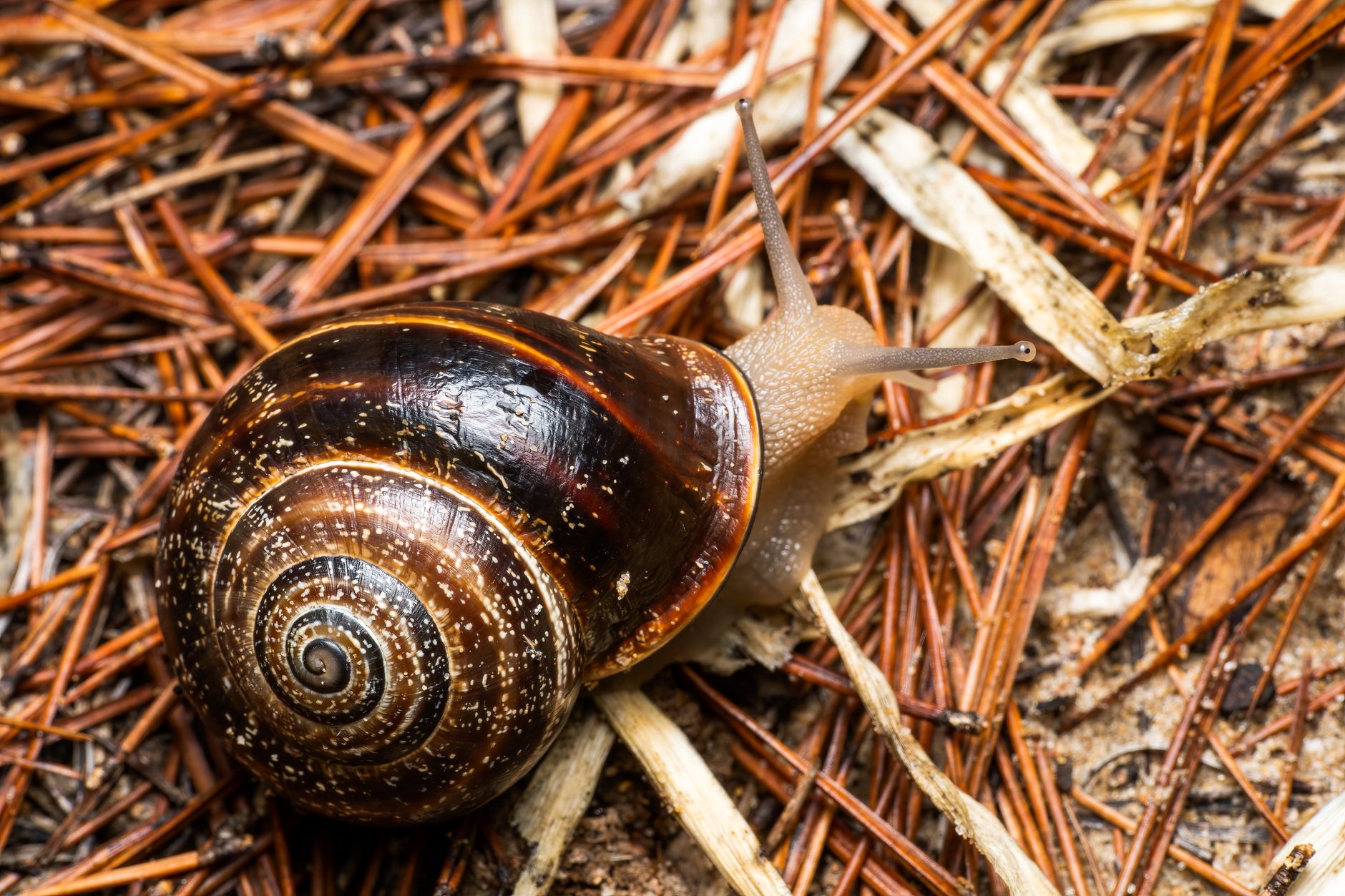
Garden snails, scientifically known as Cornu aspersum (formerly Helix aspersa), are hermaphrodites, meaning they possess both male and female reproductive organs. However, they typically require a partner to reproduce, engaging in a courtship ritual before mating. Understanding their reproductive cycle is essential for anyone wanting to manage snail populations in their garden effectively.
The Mating Process and Egg Laying

The mating process can last for several hours. After mating, the snail will seek out a suitable location to lay its eggs. They prefer moist, dark, and sheltered spots. Ideal locations include:
- Under rocks or logs
- In loose soil or compost
- Beneath dense vegetation
The snail will dig a small burrow, usually a few centimeters deep, where it will deposit its eggs.
Egg Characteristics and Incubation
Garden snail eggs are small, round, and pearly white or translucent. A single snail can lay a clutch of 30 to 150 eggs in one go. The incubation period depends on environmental conditions, particularly temperature and humidity. Generally, the eggs hatch in 2 to 4 weeks.
Factors Affecting Egg Laying Frequency
Several factors influence how often garden snails can lay eggs:
- Temperature: Warm temperatures (around 20-25°C or 68-77°F) are ideal for egg laying. Snails are less likely to reproduce in cold or excessively hot weather.
- Humidity: Snails require a moist environment for successful reproduction. Dry conditions can inhibit egg laying and even cause eggs to dry out and die.
- Food Availability: A plentiful supply of food is necessary to provide the energy required for reproduction. Snails that are malnourished will lay fewer eggs.
- Age and Health: Young, healthy snails are more likely to reproduce frequently. Older or unhealthy snails may lay fewer eggs or stop laying eggs altogether.
- Soil Conditions: The type of soil is important. Snails prefer loose, moist soil for burying their eggs. Compacted or dry soil can make it difficult for them to lay eggs successfully.
Impact on Garden Ecosystems
The rapid reproduction rate of garden snails can lead to significant damage to gardens and crops. They are voracious eaters, consuming a wide range of plants, including vegetables, fruits, and ornamental flowers. Population control measures are often necessary to prevent widespread damage.
Strategies for Managing Snail Populations
Given how often garden snails can lay eggs, effective management strategies are crucial. Some common methods include:
- Handpicking: Regularly collect snails and their eggs from the garden, especially in the early morning or evening.
- Barriers: Use copper tape or mesh to create barriers around vulnerable plants.
- Traps: Set up beer traps or other types of traps to lure and capture snails.
- Natural Predators: Encourage natural predators such as birds, hedgehogs, and ground beetles to visit your garden.
- Habitat Modification: Reduce hiding places for snails by removing debris, trimming vegetation, and improving drainage.
- Snail Baits: Use snail baits cautiously, as some can be harmful to other animals. Opt for iron phosphate-based baits, which are less toxic to pets and wildlife.
Understanding Snail Hibernation and Aestivation
Snails will become inactive during periods of extreme cold (hibernation) or heat and dryness (aestivation). During these periods, they will seal themselves inside their shells to conserve moisture and energy. Reproduction will cease during these periods. The length of hibernation or aestivation varies depending on the climate.
The Lifespan of a Garden Snail
While how often garden snails can lay eggs is important, it is also useful to understand how long they live. Garden snails typically live for 1 to 2 years in the wild, although they can live much longer in captivity, sometimes up to 5 or 6 years.
Frequently Asked Questions (FAQs)
Are garden snails hermaphrodites?
Yes, garden snails are indeed hermaphrodites, meaning each individual possesses both male and female reproductive organs. However, they usually still require a partner for mating, engaging in a mutual exchange of sperm.
How many eggs does a garden snail lay at a time?
A single garden snail can lay a clutch of eggs ranging from 30 to 150 eggs in a single session. This highlights their potential for rapid population growth.
What time of year do garden snails lay eggs?
Garden snails typically lay eggs during the warmer months of the year, generally from spring to autumn. Their activity is heavily influenced by temperature and humidity.
How long does it take for garden snail eggs to hatch?
The incubation period for garden snail eggs usually ranges from 2 to 4 weeks. This timeframe can vary depending on environmental conditions, particularly temperature and humidity.
What do garden snail eggs look like?
Garden snail eggs are small, round, and pearly white or translucent. They are often found in clusters in moist soil or under debris. Recognizing them is key to effective population control.
Where do garden snails lay their eggs?
Garden snails prefer to lay their eggs in moist, dark, and sheltered spots. Common locations include under rocks or logs, in loose soil or compost, and beneath dense vegetation.
Can garden snails reproduce without a partner?
While garden snails are hermaphrodites, they typically require a partner for mating and reproduction. Self-fertilization is rare and usually results in less viable offspring.
Do garden snails lay eggs every year?
Yes, under favorable conditions, garden snails can lay eggs multiple times each year. Understanding how often garden snails can lay eggs is critical for gardeners wanting to protect their plants.
What is the best way to get rid of garden snail eggs?
The best way to get rid of garden snail eggs is to physically remove them from the garden. Look for them in moist, sheltered areas and destroy them.
Are garden snails harmful to humans?
Garden snails are not generally harmful to humans, although they can carry parasites. It’s important to wash your hands thoroughly after handling snails.
What is the lifespan of a garden snail?
In the wild, garden snails typically live for 1 to 2 years. However, in captivity, they can live much longer, sometimes up to 5 or 6 years.
How does weather affect garden snail egg laying?
Weather significantly impacts how often garden snails can lay eggs. Warm, humid conditions are ideal for egg laying, while cold or dry conditions can inhibit reproduction. Monitoring weather conditions can help anticipate periods of increased snail activity.