
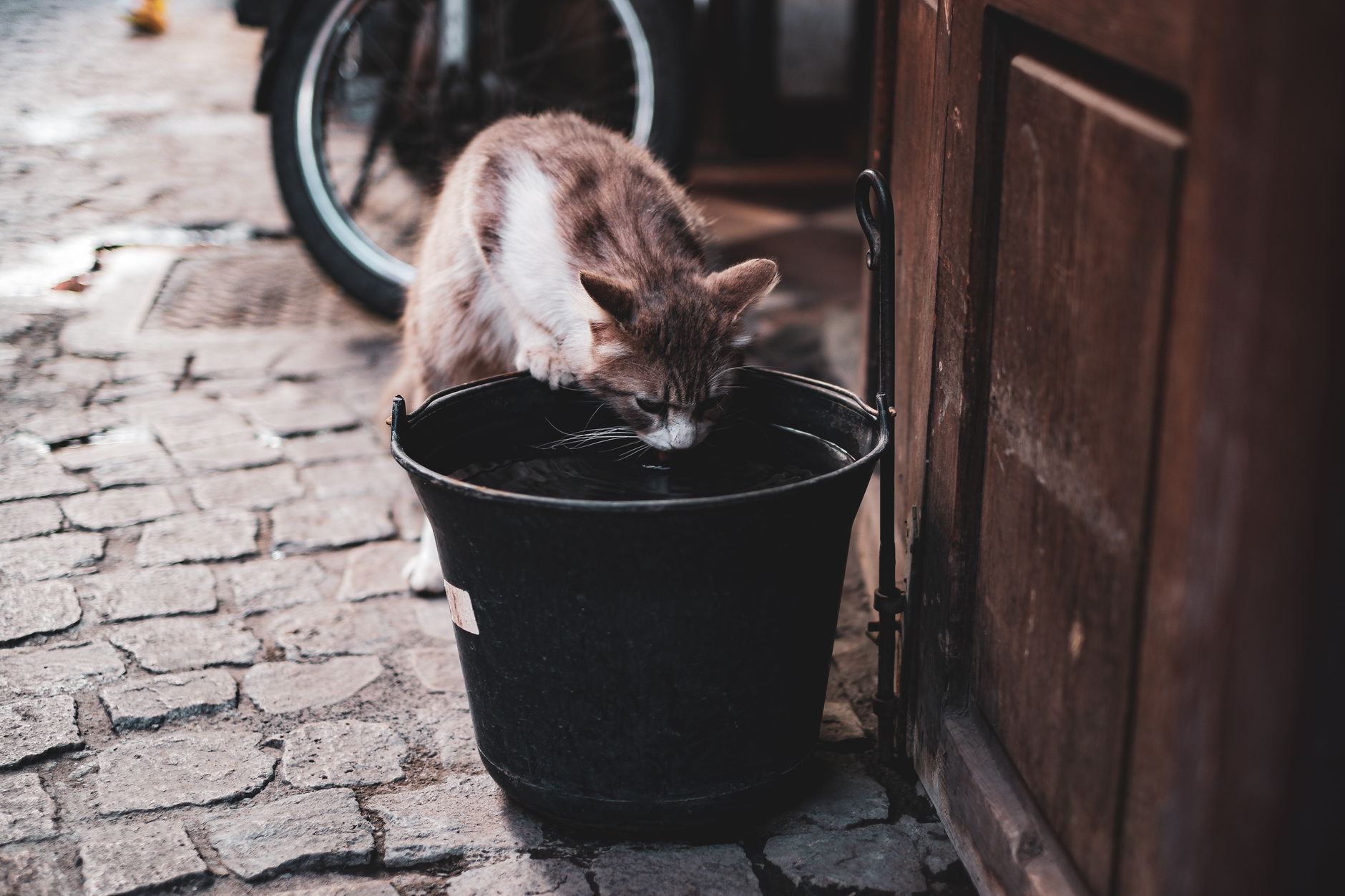
How Much Water Should a 10 lb Cat Drink? The Definitive Guide
A 10 lb cat should generally consume around 6-8 ounces of water per day, but this amount can vary depending on their diet, activity level, and overall health. Discover the essential hydration needs of your feline friend in this comprehensive guide.

Introduction: Understanding Feline Hydration
Keeping your cat adequately hydrated is crucial for their overall health and well-being. Unlike dogs, cats often have a lower thirst drive, making them more susceptible to dehydration. Understanding how much water your cat needs, especially a 10 lb cat, and ensuring they get it is a key component of responsible pet ownership. This article explores the factors influencing feline hydration needs and provides practical tips to encourage your cat to drink more.
Factors Influencing Water Intake

Several factors determine how much water should a 10 lb cat drink daily. Understanding these variables is vital for providing appropriate hydration.
- Diet: Cats on a dry food diet require significantly more water than those on a wet food diet. Wet food has a high moisture content, contributing to their daily fluid intake.
- Activity Level: More active cats require more water to replenish fluids lost through panting and exertion.
- Health Conditions: Certain health conditions, such as kidney disease or hyperthyroidism, can increase a cat’s water requirements.
- Environmental Temperature: Hot weather can lead to increased water loss through evaporation, necessitating greater fluid intake.
- Age: Kittens and senior cats may have different hydration needs compared to adult cats.
Determining Daily Water Needs: The 10 lb Cat Example
As a general rule, cats need approximately 3.5 to 4.5 ounces of water per 5 pounds of body weight. Therefore, a 10 lb cat should drink approximately 7 to 9 ounces of water daily. However, this is just an estimate. If your cat eats mostly wet food, their water intake will likely be lower.
Encouraging Your Cat to Drink More Water
Many cats aren’t naturally inclined to drink enough water. Here are some strategies to help them stay hydrated:
- Provide Fresh Water Daily: Change your cat’s water bowl daily and clean it regularly. Cats are often more attracted to fresh, clean water.
- Use Multiple Water Bowls: Place water bowls in various locations around the house, especially where your cat spends a lot of time.
- Offer Different Types of Bowls: Some cats prefer ceramic or glass bowls over plastic. Experiment to see what your cat prefers.
- Try a Cat Water Fountain: Many cats are drawn to moving water. A water fountain can encourage them to drink more.
- Add Wet Food to Their Diet: Wet food is a great source of hydration. Consider adding a small portion to your cat’s daily diet.
- Flavor the Water: Add a small amount of low-sodium chicken or fish broth to the water to make it more appealing (ensure it is safe for cats and contains no harmful ingredients like onion or garlic).
Recognizing Signs of Dehydration
It’s important to be able to recognize the signs of dehydration in your cat:
- Lethargy: A dehydrated cat may be less active and more tired.
- Sunken Eyes: Their eyes may appear sunken or dull.
- Dry Gums: Gums may feel dry and sticky instead of moist.
- Skin Tenting: Gently pinch the skin on the back of your cat’s neck. If it takes longer than usual to return to its normal position, your cat may be dehydrated.
- Decreased Urination: You may notice that your cat is urinating less frequently.
If you suspect your cat is dehydrated, consult your veterinarian immediately.
Monitoring Water Intake
Keeping track of your cat’s water consumption can help you ensure they’re getting enough fluids. You can measure the amount of water you put in the bowl each day and track how much is left over. While not exact, this can provide a general idea of their daily intake. If you use a fountain, it is more difficult to measure but observation can still be useful.
The Role of Wet Food
As mentioned earlier, wet food is a significant source of hydration for cats. If your cat primarily eats dry food, consider supplementing with wet food to increase their water intake. Even a small amount of wet food can make a difference. The moisture content of wet food usually ranges from 70% to 80%, compared to dry food, which is only around 10%.
Common Mistakes in Feline Hydration
Many cat owners unknowingly make mistakes that can lead to dehydration in their feline companions:
- Relying Solely on Dry Food: A dry food diet is often insufficient for meeting a cat’s hydration needs.
- Not Cleaning Water Bowls Regularly: Cats are sensitive to odors and tastes. A dirty water bowl can deter them from drinking.
- Placing Water Bowls Near Food: Some cats prefer to drink away from their food. Try placing water bowls in different locations.
- Assuming All Cats Drink the Same Amount: Water needs vary based on individual factors. It’s important to monitor your cat’s intake and adjust accordingly.
Summary of How Much Water Should a 10 lb Cat Drink?
To reiterate, how much water should a 10 lb cat drink? A 10 lb cat typically needs 6-8 ounces of water daily, but individual needs vary based on diet, activity, and health. Monitor your cat’s water intake and encourage hydration through fresh water, wet food, and appealing water sources.
Frequently Asked Questions (FAQs)
1. Can I give my cat tap water?
Generally, tap water is safe for cats as long as it’s safe for humans. However, some cats may be sensitive to the taste or smell of tap water due to chlorine or other chemicals. If you’re concerned, consider using filtered water. If you live somewhere with known water contamination issues, filtered or bottled water is definitely preferred.
2. Is it possible for my cat to drink too much water?
While uncommon, it is possible for a cat to drink too much water, a condition called polydipsia. This can be a sign of an underlying health problem, such as kidney disease, diabetes, or hyperthyroidism. If you notice your cat is excessively thirsty, consult your veterinarian.
3. My cat only eats dry food. How can I ensure they get enough water?
If your cat eats only dry food, it’s crucial to provide plenty of fresh water and encourage them to drink. Try offering multiple water bowls in different locations, using a cat water fountain, and consider adding a small amount of low-sodium broth to the water. Regularly monitor their water intake and consult a vet if you are concerned.
4. Can I give my cat milk instead of water?
While many cats enjoy milk, it’s not a suitable substitute for water. Most adult cats are lactose intolerant and can experience digestive upset from milk. Plain, fresh water is always the best choice for hydration.
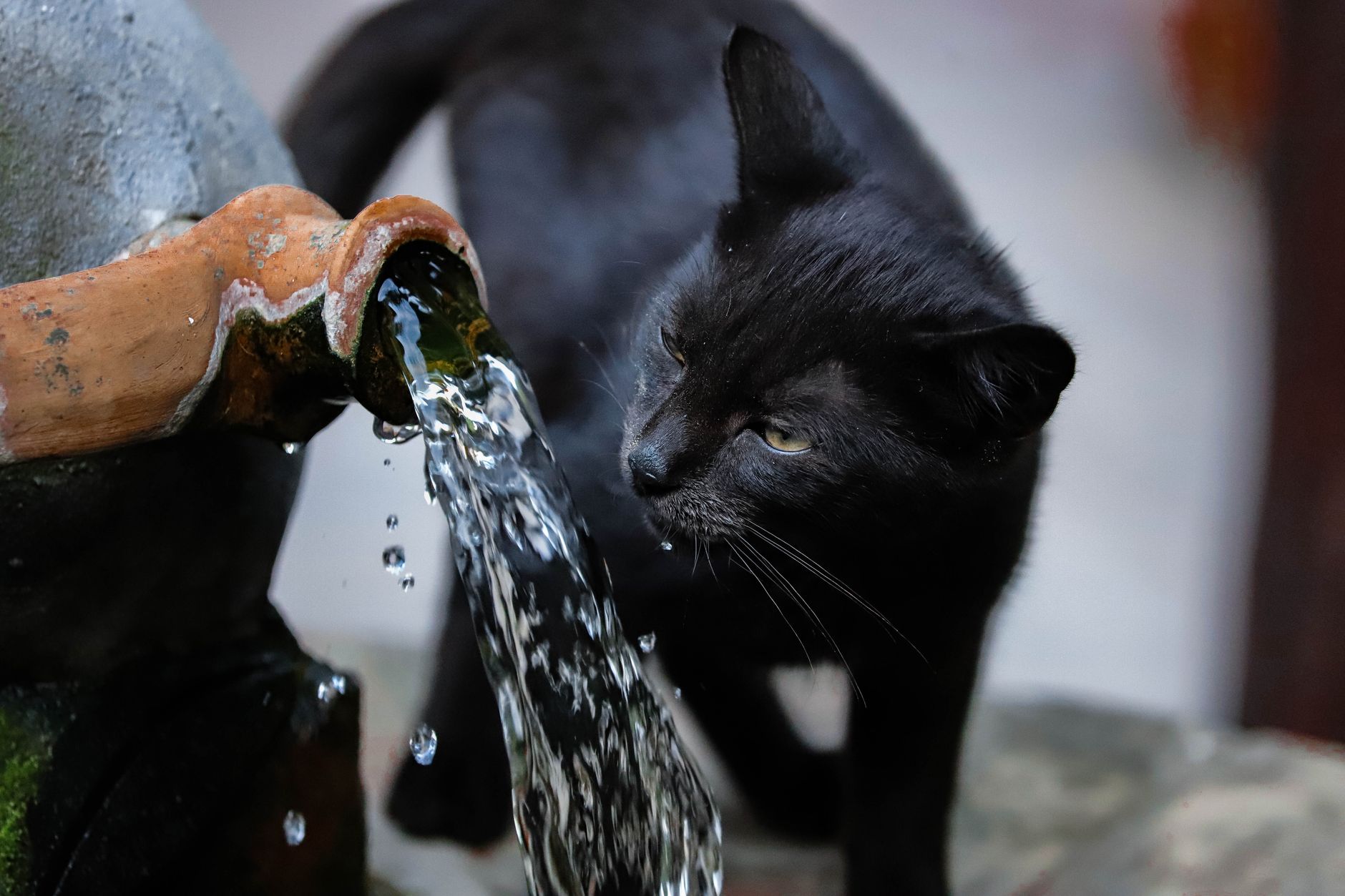
5. My cat seems to prefer drinking from the faucet. Is this okay?
Many cats enjoy drinking from running water sources, such as a faucet. If your cat prefers this, you can allow them to drink from the faucet occasionally. However, ensure the water is clean and safe, and supervise them to prevent accidents. Cat fountains are a safer and more sustainable alternative.
6. What is the best type of water bowl to use for my cat?
The best type of water bowl for your cat depends on their individual preferences. Some cats prefer ceramic or glass bowls, while others prefer stainless steel. Avoid plastic bowls if possible, as they can harbor bacteria and may impart a taste or odor to the water. Shallow, wide bowls can prevent whisker fatigue.
7. How often should I clean my cat’s water bowl?
You should clean your cat’s water bowl at least once a day with soap and water. This will help prevent the growth of bacteria and keep the water fresh and appealing. Rinse thoroughly to remove any soap residue.
8. Can I give my cat flavored water?
While you can add a small amount of low-sodium broth to your cat’s water to encourage them to drink, avoid giving them flavored water intended for humans. These products may contain ingredients that are harmful to cats.
9. How can I tell if my cat is dehydrated at home?
You can check for dehydration by gently pinching the skin on the back of your cat’s neck. If the skin takes longer than usual to return to its normal position (skin tenting), your cat may be dehydrated. Other signs include lethargy, sunken eyes, and dry gums.
10. Should I be concerned if my cat suddenly starts drinking more water than usual?
A sudden increase in water intake can be a sign of an underlying health problem, such as diabetes or kidney disease. If you notice your cat is drinking significantly more water than usual, consult your veterinarian.
11. Does a cat’s breed affect how much water they need?
Generally, breed doesn’t significantly impact how much water a 10 lb cat should drink. Individual factors, such as activity level and diet, are more important determinants of hydration needs.
12. Is it okay for my cat to drink from puddles or other outdoor water sources?
No, you should discourage your cat from drinking from puddles or other outdoor water sources. These sources can be contaminated with bacteria, parasites, or toxins, which can make your cat sick. Always provide your cat with fresh, clean water indoors.