

How Much Water Can a Cat Drink in a Day? Staying Hydrated and Healthy
A healthy cat typically drinks around 3.5 to 4.5 ounces of water per 5 pounds of body weight each day, but the precise amount varies greatly depending on diet, activity level, and underlying health conditions, making “How much water can a cat drink in a day?” a complex question with no one-size-fits-all answer.

Understanding Feline Hydration
Proper hydration is critical for a cat’s health. Water is essential for:
- Digestion: Helping break down food and absorb nutrients.
- Circulation: Transporting nutrients and oxygen throughout the body.
- Temperature Regulation: Cooling the body through panting (though cats rarely pant) and evaporation.
- Waste Removal: Flushing out toxins through urine.
- Organ Function: Supporting the kidneys, liver, and other vital organs.
A cat that doesn’t drink enough water can become dehydrated, leading to serious health problems such as kidney disease, urinary tract infections (UTIs), and constipation. Understanding “How much water can a cat drink in a day?” is therefore crucial for responsible cat ownership.
Factors Influencing Water Intake
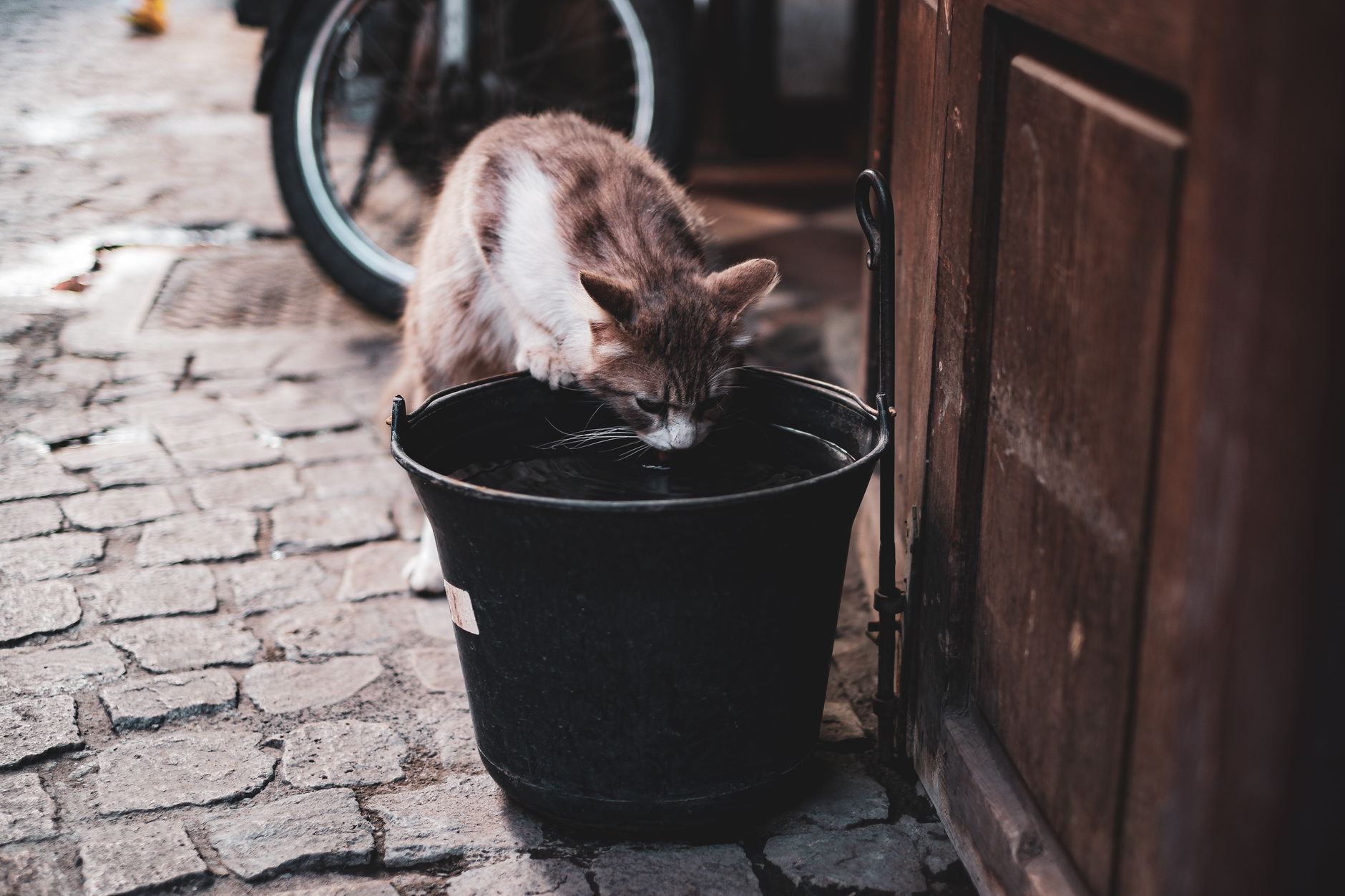
Several factors affect how much water a cat can drink in a day:
- Diet: Cats on dry food diets generally need to drink more water than cats on wet food diets. Wet food has a high moisture content (around 70-80%), while dry food has a low moisture content (around 10%).
- Activity Level: More active cats, particularly those living in warmer climates, will typically drink more water.
- Age: Kittens and senior cats may have different hydration needs than adult cats.
- Health Conditions: Certain health conditions, such as kidney disease, diabetes, and hyperthyroidism, can increase a cat’s thirst.
- Environmental Temperature: Cats will naturally drink more water in warmer weather to stay cool.
- Individual Variation: Just like humans, some cats naturally drink more or less than others.
Calculating Your Cat’s Water Needs
While the 3.5 to 4.5 ounces per 5 pounds of body weight is a good starting point, monitoring your cat’s drinking habits and considering the factors above will help you determine their specific needs.
A simple calculation can help:
- Weigh your cat in pounds.
- Divide your cat’s weight by 5.
- Multiply the result by 3.5 (for the lower end of the range) and 4.5 (for the upper end).
This calculation will give you a range of ounces that your cat should ideally drink each day. For example, a 10-pound cat should drink between 7 and 9 ounces of water per day.

Encouraging Your Cat to Drink More
If you’re concerned that your cat isn’t drinking enough, here are some tips to encourage them to drink more water:
- Provide fresh, clean water: Change your cat’s water at least once a day and clean the bowl regularly.
- Offer multiple water sources: Place water bowls in different locations around your home.
- Use different types of bowls: Some cats prefer ceramic or glass bowls to plastic bowls.
- Try a cat water fountain: Many cats are attracted to moving water.
- Add water to their food: Mixing a little water into dry food can increase their water intake.
- Offer wet food: Switching to a wet food diet is an excellent way to boost hydration.
- Flavor the water: A small amount of tuna juice or chicken broth can make the water more appealing. Be sure to use low-sodium broth and avoid ingredients toxic to cats like onions and garlic.
Recognizing Dehydration
Knowing how much water a cat can drink in a day is essential, but recognizing the signs of dehydration is just as important. Signs of dehydration in cats include:
- Sunken eyes.
- Lethargy.
- Loss of appetite.
- Dry gums.
- Skin tenting (gently pinch the skin on the back of the neck; if it doesn’t snap back quickly, the cat may be dehydrated).
- Constipation.
If you suspect your cat is dehydrated, contact your veterinarian immediately.
Water Consumption Chart
The following table provides a general guide to daily water intake based on weight:
| Cat Weight (lbs) | Approximate Daily Water Intake (oz) |
|---|---|
| 5 | 3.5 – 4.5 |
| 10 | 7 – 9 |
| 15 | 10.5 – 13.5 |
| 20 | 14 – 18 |
This is just a guideline; individual needs can vary.
When to See a Veterinarian
Any sudden or significant change in your cat’s drinking habits warrants a visit to the veterinarian. Excessive thirst (polydipsia) or a complete lack of interest in water can be signs of underlying health problems. Monitoring how much water a cat can drink in a day helps owners to detect deviations from their cat’s normal water consumption.
My cat only eats dry food. How can I ensure they get enough water?
Cats on dry food need extra encouragement to drink. Try providing a cat water fountain, adding water to their dry food, or offering wet food as a supplement. Monitoring their urine output and stool consistency can help you gauge their hydration level. Consider offering flavored water as well.
Is it normal for my cat to not drink water directly from a bowl?
Some cats are particular about where they drink water. They may prefer a dripping faucet, a plant saucer, or even a puddle. Experiment with different water sources to see what your cat prefers. Cat water fountains are also often successful in getting cats to drink more.
How can I tell if my cat is dehydrated?
Signs of dehydration include sunken eyes, lethargy, dry gums, and skin tenting. If you suspect your cat is dehydrated, contact your veterinarian immediately. Skin tenting is tested by gently pinching the skin on the back of the neck; if it doesn’t snap back quickly, the cat may be dehydrated.
Is a cat water fountain really worth the investment?
Many cat owners find that cat water fountains significantly increase their cats’ water intake. The moving water is often more appealing and can help prevent urinary problems. The increased hydration is often worth the investment.
My cat seems to drink a lot of water all of a sudden. Should I be concerned?
Increased thirst (polydipsia) can be a sign of several health conditions, including kidney disease, diabetes, and hyperthyroidism. Consult your veterinarian to rule out any underlying medical issues. Early detection is crucial for managing these conditions.
What’s the best type of water bowl to use for my cat?
Ceramic, glass, or stainless steel bowls are generally recommended. Avoid plastic bowls, as they can harbor bacteria and some cats are sensitive to the taste or smell of plastic. Wider, shallower bowls can also be more comfortable for cats, especially those with sensitive whiskers.
Is it okay to give my cat tap water?
Tap water is generally safe for cats, but if you have concerns about the water quality, you can offer filtered water. Avoid giving your cat distilled water, as it lacks essential minerals.
Can I give my cat flavored water?
A small amount of tuna juice or chicken broth can make water more appealing to cats. Be sure to use low-sodium broth and avoid ingredients that are toxic to cats, such as onions and garlic. Offer only a small amount to avoid stomach upset.
How does wet food contribute to my cat’s hydration?
Wet food has a high moisture content (around 70-80%), which can significantly contribute to your cat’s overall hydration. Switching to a wet food diet is an excellent way to boost their water intake, especially for cats who don’t drink much water on their own.
Are there any medical conditions that affect how much water a cat drinks?
Yes, several medical conditions can affect a cat’s water intake, including kidney disease, diabetes, hyperthyroidism, and urinary tract infections. If you notice a sudden change in your cat’s drinking habits, consult your veterinarian.
How often should I change my cat’s water?
You should change your cat’s water at least once a day, or more often if it appears dirty or cloudy. Regularly cleaning the water bowl is also important to prevent bacterial growth.
My cat seems to prefer drinking from the toilet. Is this safe?
Drinking from the toilet is generally not recommended, as the water may contain bacteria and cleaning chemicals. Discourage this behavior by providing fresh, clean water in a variety of locations and consider cleaning the toilet more frequently, but only with pet-safe cleaning products.