

How Much Salt Should I Put in My Freshwater Aquarium? A Comprehensive Guide
The appropriate amount of salt to add to a freshwater aquarium depends heavily on the reason for its use; however, for general health and preventative purposes, the recommended dose is usually very low: around 1 teaspoon of aquarium salt per 5 gallons of water. Remember, salt is not a required additive for most freshwater tanks.

Understanding the Use of Salt in Freshwater Aquariums
The use of salt in freshwater aquariums is a debated topic amongst aquarists. While not essential for the majority of freshwater fish, salt can be beneficial in specific circumstances. It’s crucial to understand the potential benefits and risks before adding any salt to your tank.
Benefits of Adding Salt to Freshwater Aquariums
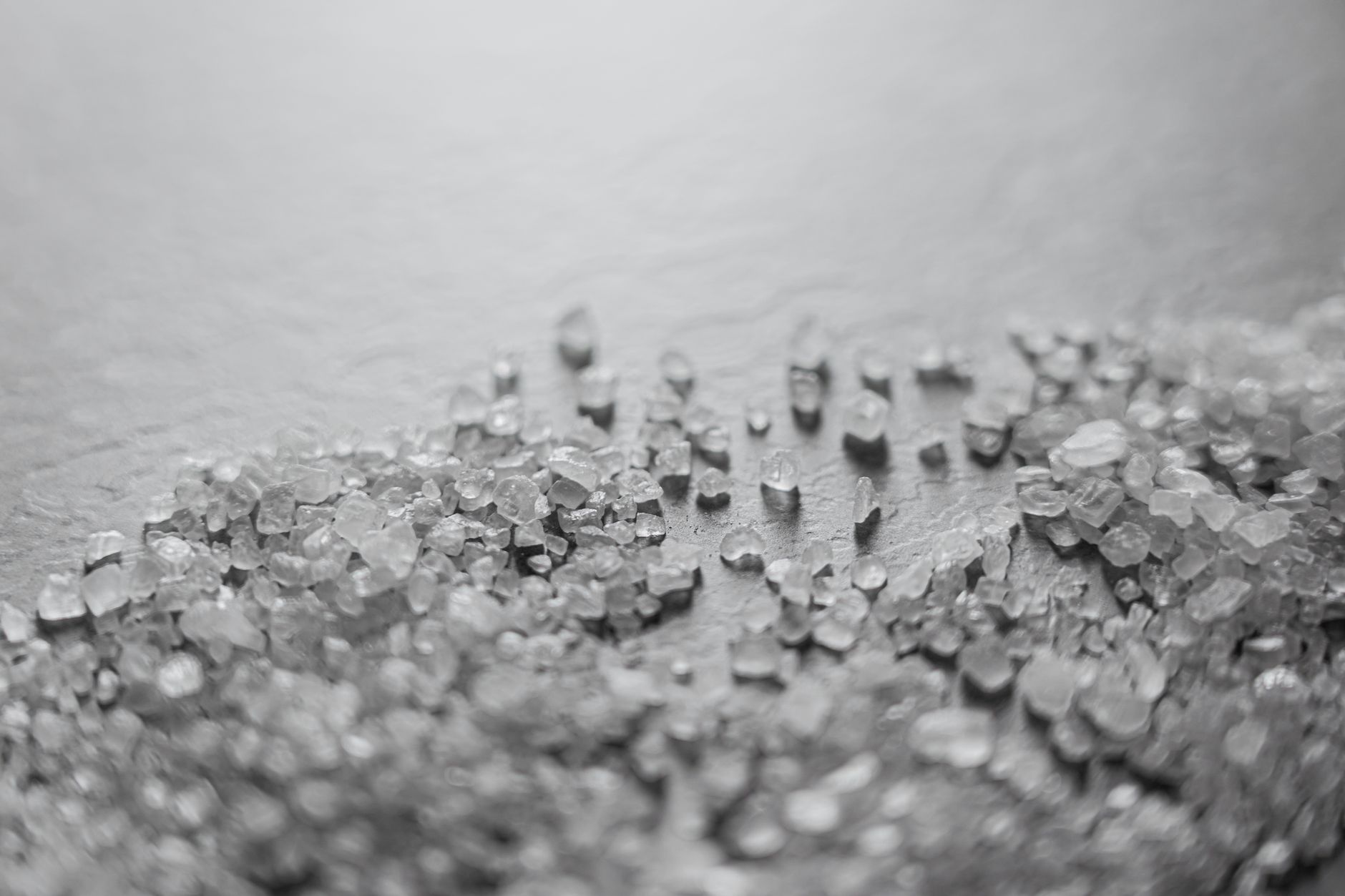
Salt can offer several advantages, particularly in treating certain diseases and improving fish health.
- Disease Treatment: Salt is effective against several common freshwater fish parasites, such as Ichthyophthirius multifiliis (Ich or white spot disease) and certain fungal infections.
- Stress Reduction: Salt can help reduce stress in fish by assisting with osmoregulation, the process by which fish maintain the proper balance of fluids and electrolytes in their bodies. This is especially helpful during periods of acclimation to a new tank or following stressful events like water changes.
- Nitrite Toxicity Reduction: In tanks with fluctuating nitrite levels, salt can help reduce the toxicity of nitrites. Salt interferes with nitrite uptake by the fish, thereby protecting against nitrite poisoning.
- Improved Gill Function: Salt can stimulate mucus production which helps protect the gills.
Calculating the Correct Salt Dosage
Determining how much salt should I put in my freshwater aquarium? depends entirely on the goal. For disease treatment, a higher concentration is generally used compared to preventative measures. Remember to always use aquarium salt (sodium chloride) specifically designed for aquarium use. Table salt may contain harmful additives like iodine and anti-caking agents that can be toxic to fish.
Here’s a general guideline:
- Preventative/General Health: 1 teaspoon per 5 gallons of water (approx. 0.1% salinity).
- Treatment of Ich or other Parasites: 1 tablespoon per 5 gallons of water (approx. 0.3% salinity).
- Dip Treatment (for short periods outside the main tank): Up to 1 tablespoon per gallon of water (approx. 1% salinity), but only for brief periods (5-10 minutes) under close observation.
Important Note: Gradual increases and decreases in salinity are crucial. Never add a large amount of salt all at once. Instead, dissolve the salt in a separate container of water and gradually add it to the aquarium over several hours.
The Process of Adding Salt to Your Aquarium
- Determine the Tank Volume: Accurately calculate the volume of water in your aquarium. Remember to subtract space occupied by substrate, decorations, and rocks.
- Calculate the Salt Dosage: Based on the desired salinity (preventative or treatment), calculate the exact amount of aquarium salt needed.
- Dissolve the Salt: Dissolve the calculated amount of aquarium salt in a separate container of dechlorinated water.
- Slowly Add the Salt Solution: Gradually add the salt solution to the aquarium over several hours, ensuring even distribution.
- Monitor Your Fish: Observe your fish closely for any signs of distress. If you notice any unusual behavior, perform a partial water change to dilute the salt concentration.
- Test Salinity: Use a hydrometer to verify the salinity of the water is at the correct level for your fish.
Species Considerations: Salt Sensitivity
Not all freshwater fish tolerate salt equally. Some species are highly sensitive and should never be exposed to salt, while others can benefit from its addition. Research your specific fish species before adding any salt.
Salt-Sensitive Fish:
- Corydoras Catfish
- Tetras (especially Neon Tetras)
- Loaches (especially Kuhli Loaches)
- Plecos
Salt-Tolerant Fish:
- Mollies
- Platies
- Swordtails
- Guppies (can tolerate brackish water)
Common Mistakes When Adding Salt to Freshwater Aquariums
- Using Table Salt: Table salt contains iodine and anti-caking agents that are toxic to freshwater fish. Always use aquarium salt.
- Adding Salt Too Quickly: Rapid changes in salinity can shock and stress fish. Add the salt solution gradually.
- Overdosing: Adding too much salt can be harmful to sensitive fish. Measure carefully and monitor your fish closely.
- Not Performing Water Changes: Salt does not evaporate with water. It only leaves the system through water changes. Regularly perform partial water changes to maintain proper salinity levels and prevent buildup.
- Ignoring Species Requirements: Failing to consider the specific salt tolerance of your fish species can have disastrous consequences.
- Using Salt as a Cure-All: Salt is not a substitute for good aquarium maintenance and proper fish care. It should only be used as a treatment or preventative measure when necessary.
Monitoring and Adjusting Salt Levels
Regularly test the salinity of your aquarium water using a hydrometer. This will help you monitor the salt levels and make any necessary adjustments. Performing regular partial water changes is essential to maintain the correct salinity. Use a dechlorinator to remove any harmful chemicals from the tap water before adding it to the tank.
Salt Creep
Salt creep can occur on the top rim of your tank or on your equipment. This happens as water evaporates, leaving behind the salt residue. Regularly wipe down these areas to prevent salt buildup.
FAQs About Salt in Freshwater Aquariums
What is aquarium salt, and how is it different from table salt?
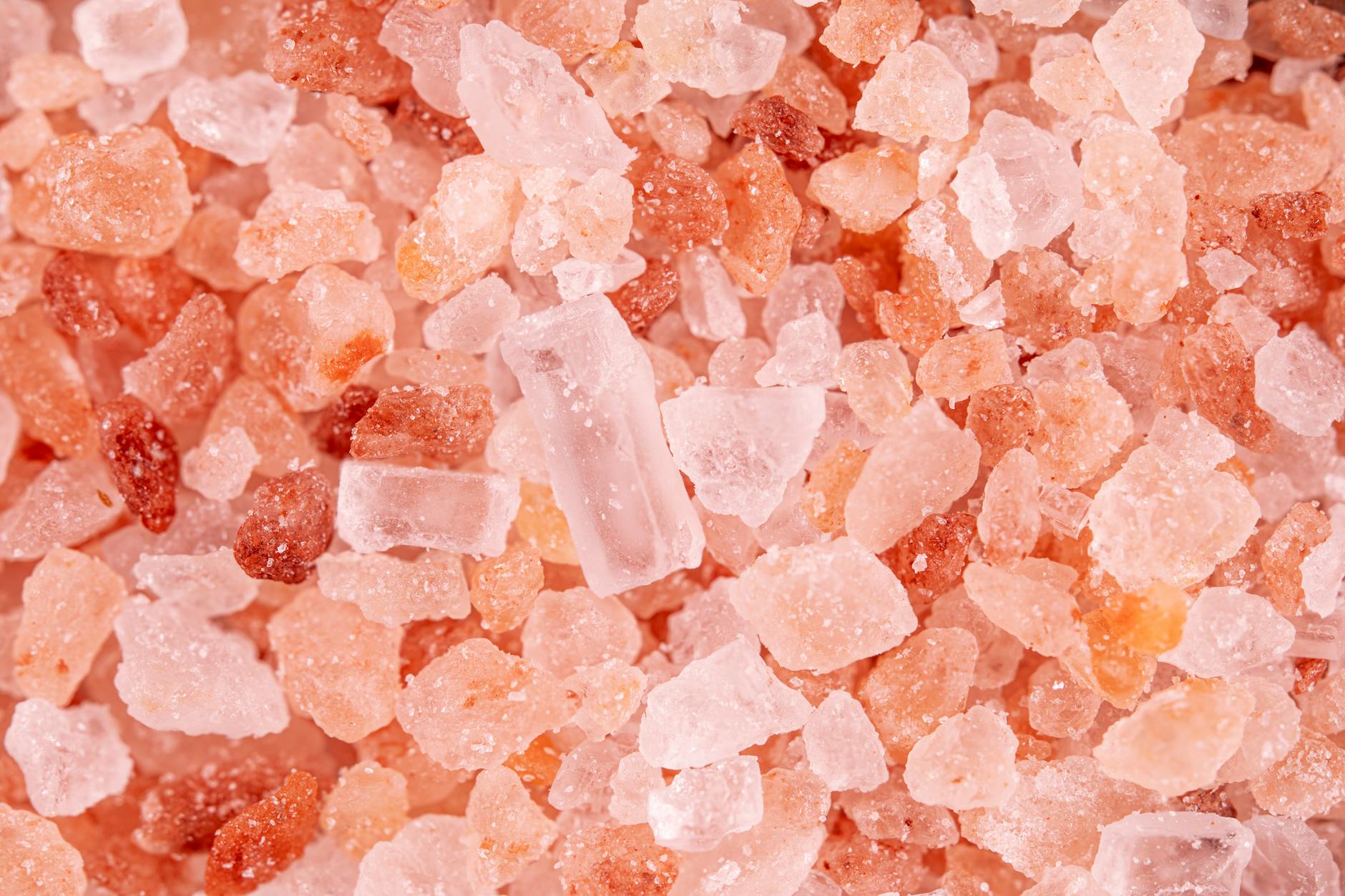
Aquarium salt is pure sodium chloride (NaCl) specifically designed for use in aquariums. Table salt, on the other hand, contains additives like iodine and anti-caking agents that can be harmful to freshwater fish and invertebrates.
Can I use sea salt instead of aquarium salt?
While pure sea salt can be used in some cases, it’s generally not recommended. Sea salt contains trace elements that may not be beneficial or even harmful to certain freshwater fish. Aquarium salt is a purer and more controlled option.
How often should I add salt to my freshwater aquarium?
Unless you are treating a specific condition, salt is not a routine addition to freshwater aquariums. If using it for preventative purposes, add it only after water changes to replenish the lost salt. For treatment, follow the recommended dosage for the specific condition and monitor your fish closely.
Can I use salt in a planted aquarium?
Many aquatic plants are sensitive to salt. High concentrations of salt can damage or kill your plants. If you must use salt in a planted tank, use a very low concentration and monitor your plants closely. Consider removing sensitive plants before treatment.
How do I remove salt from my freshwater aquarium?
The only way to remove salt from your freshwater aquarium is through water changes. Salt does not evaporate; it remains in the water. Perform partial water changes with fresh, dechlorinated water to gradually dilute the salt concentration.
What are the signs of salt overdose in fish?
Signs of salt overdose in fish can include lethargy, erratic swimming, clamped fins, increased mucus production, and difficulty breathing. If you observe these symptoms, perform a large water change immediately.
Is salt a cure for all fish diseases?
No, salt is not a cure-all for all fish diseases. It is effective against certain parasites and fungal infections, but it won’t treat bacterial infections or other ailments. It is also not a replacement for good aquarium maintenance practices.
Can I use salt in a tank with invertebrates like snails and shrimp?
Many invertebrates, especially snails and shrimp, are very sensitive to salt. Salt can be toxic to them, even in low concentrations. Avoid using salt in tanks containing these creatures, or remove them before treatment.
What is “salt creep,” and how do I prevent it?
“Salt creep” refers to the buildup of salt residue around the top of your aquarium or on equipment due to evaporation. To prevent it, regularly wipe down affected areas with a damp cloth.
How long should I treat my fish with salt for Ich?
Typically, an Ich treatment using salt will take around two weeks, depending on the temperature and the life cycle of the parasite. Continue the treatment for at least a week after all visible spots have disappeared. Monitor your fish closely throughout the process.
Will adding salt to my aquarium change the pH level?
Adding salt to your freshwater aquarium will generally not significantly affect the pH level of the water, unless very large concentrations are used.
How much salt should I put in my freshwater aquarium? for general health if I have livebearers?
If you have livebearers like Mollies, Platies, and Swordtails, which are more tolerant of salt, a general health dose of 1 teaspoon per 5 gallons is a good starting point. You can increase the dosage slightly if needed, but always monitor your fish closely for any signs of stress.