

How Much Salmon Should I Feed My Dog?
It’s generally safe to feed your dog salmon, but the amount depends on its size and overall diet. How much salmon should I feed my dog varies, so always consult with your vet, and ensure it’s properly cooked to avoid potential health risks.
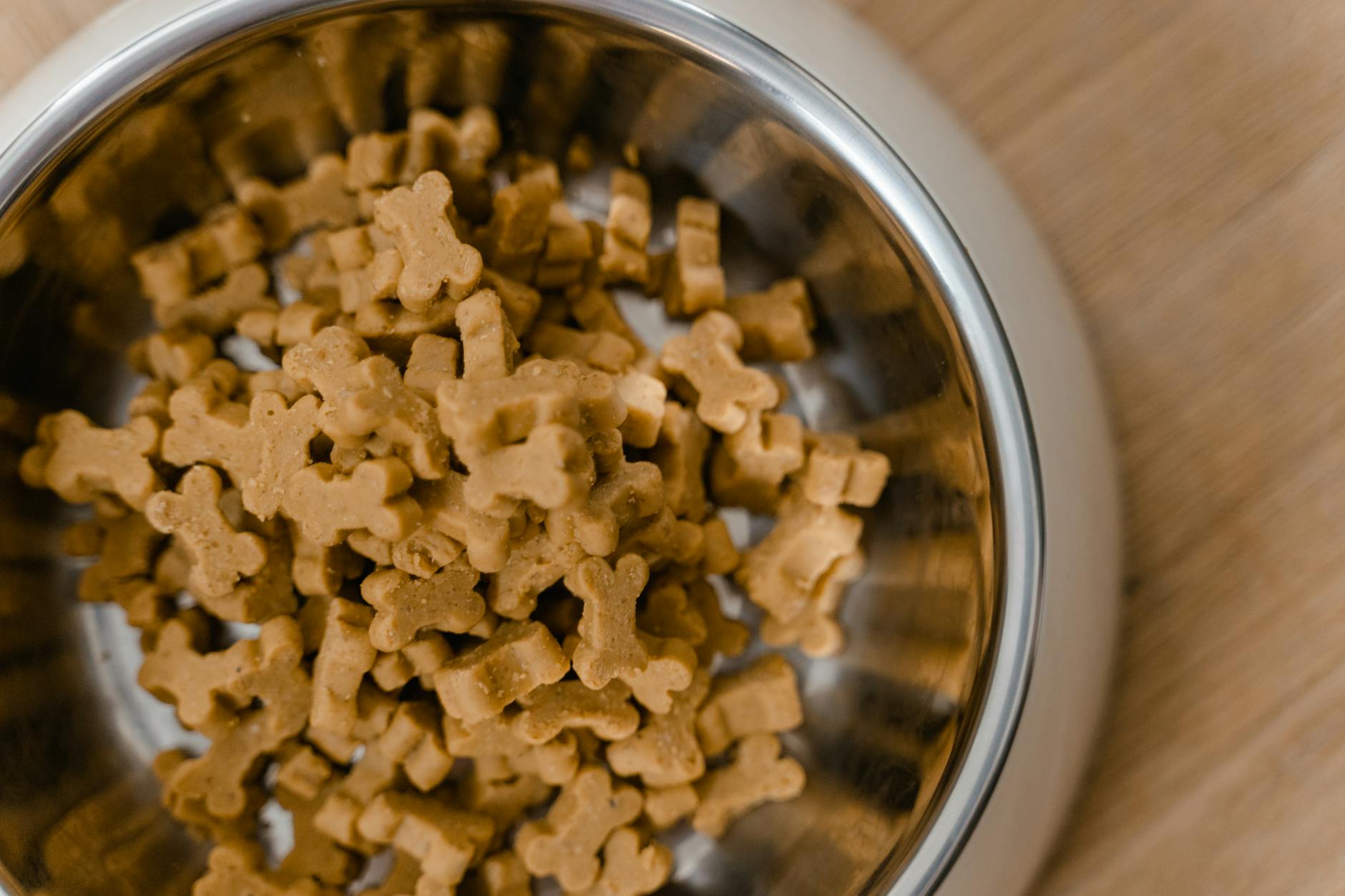
Understanding Salmon and Your Dog’s Diet
Salmon can be a healthy addition to your dog’s diet, providing essential nutrients that contribute to their overall well-being. However, like any dietary change, it’s crucial to approach it with caution and knowledge. Let’s delve into why salmon is beneficial, how to prepare it safely, and how to determine the appropriate serving size for your furry friend.
The Benefits of Salmon for Dogs

Salmon is packed with nutrients that can significantly improve your dog’s health. These benefits include:
- Omega-3 Fatty Acids: These essential fatty acids, particularly EPA (eicosapentaenoic acid) and DHA (docosahexaenoic acid), contribute to a healthy coat, reduced inflammation, and improved cognitive function.
- High-Quality Protein: Salmon is an excellent source of lean protein, vital for muscle development and repair.
- Vitamins and Minerals: Salmon contains vitamins like Vitamin D and B vitamins, as well as minerals like potassium, which support various bodily functions.
- Improved Joint Health: Omega-3 fatty acids can help alleviate joint pain and improve mobility in dogs with arthritis or other joint issues.
- Enhanced Skin and Coat: The same omega-3 acids contribute to a shinier coat and healthier skin, reducing dryness and itching.
Safely Preparing Salmon for Your Dog
Raw salmon can contain a parasite called Neorickettsia helminthoeca, which causes salmon poisoning. Never feed your dog raw salmon. Proper cooking eliminates this risk. Here’s how to prepare salmon safely:
- Choose Fresh Salmon: Opt for fresh, high-quality salmon fillets. Avoid salmon that smells fishy or has a slimy texture.
- Remove Bones: Carefully remove all bones, as they can be a choking hazard.
- Cook Thoroughly: Cook the salmon until it reaches an internal temperature of 145°F (63°C). You can bake, grill, poach, or steam it.
- Avoid Seasonings: Do not add any seasonings, spices, or oils. Many common ingredients, like garlic and onion, are toxic to dogs.
- Let it Cool: Allow the cooked salmon to cool completely before serving it to your dog.
Determining the Right Serving Size: How Much Salmon Should I Feed My Dog?
The appropriate amount of salmon to feed your dog depends on several factors, including their size, age, activity level, and overall diet. A good rule of thumb is that salmon should only constitute a small percentage of their daily caloric intake. Here’s a general guideline:
| Dog Size | Approximate Weight (lbs) | Recommended Salmon Amount (Cooked) | Frequency |
|---|---|---|---|
| Small | 10-20 | 1-2 ounces | 1-2 times per week |
| Medium | 20-50 | 2-4 ounces | 1-2 times per week |
| Large | 50-90+ | 4-6 ounces | 1-2 times per week |
Important Considerations:
- Start Small: Introduce salmon gradually to monitor your dog’s reaction.
- Adjust Based on Response: If your dog experiences any digestive upset (e.g., diarrhea, vomiting), reduce the amount or discontinue use.
- Account for Other Foods: Reduce the amount of your dog’s regular food to compensate for the added calories from salmon.
- Consult Your Veterinarian: Always consult with your veterinarian before making significant changes to your dog’s diet.
Potential Risks and Precautions
While salmon is generally safe, there are potential risks to be aware of:
- Salmon Poisoning Disease: This is caused by a parasite found in raw salmon. Always cook salmon thoroughly to prevent this.
- Allergic Reactions: Some dogs may be allergic to fish. Watch for signs like itching, hives, swelling, or digestive upset.
- Mercury Contamination: Salmon can contain trace amounts of mercury. Choose wild-caught salmon from reputable sources, as it tends to have lower mercury levels.
- Bone Ingestion: Bones can cause choking or internal injuries. Remove all bones before feeding salmon to your dog.
- Overfeeding: Too much salmon can lead to weight gain or digestive upset. Follow recommended serving sizes.
Common Mistakes When Feeding Salmon to Dogs
Avoid these common pitfalls when incorporating salmon into your dog’s diet:
- Feeding Raw Salmon: As mentioned earlier, raw salmon poses a significant risk of salmon poisoning.
- Using Seasonings: Many human seasonings are toxic to dogs.
- Overlooking Bones: Even small bones can be dangerous.
- Ignoring Allergies: Watch for signs of allergic reactions.
- Overfeeding Salmon Oil Instead of Real Salmon: While salmon oil has benefits, it doesn’t provide the same complete nutritional profile as actual salmon. How much salmon should I feed my dog is best answered using actual salmon rather than exclusively relying on oil.

Frequently Asked Questions (FAQs) about Feeding Salmon to Your Dog
What are the early signs of salmon poisoning in dogs?
Early signs of salmon poisoning include vomiting, diarrhea, fever, lethargy, and loss of appetite. If you suspect your dog has salmon poisoning, seek immediate veterinary care, especially if you know they consumed raw salmon.
Can I feed my dog canned salmon?
Yes, you can feed your dog canned salmon, but choose varieties that are packed in water and have no added salt, oil, or seasonings. Check the ingredients list carefully.
Is salmon oil as beneficial as feeding actual salmon?
Salmon oil is beneficial for its omega-3 fatty acids, but it doesn’t provide the same complete nutritional profile as actual salmon. Salmon contains protein, vitamins, and minerals that are not present in the oil. It’s best to use both as a supplement if your vet approves.
My dog is allergic to chicken and beef. Is salmon a good alternative protein source?
Yes, salmon can be an excellent alternative protein source for dogs with allergies to chicken and beef. However, introduce it gradually and monitor for any allergic reactions to salmon itself.
How often can I feed my dog salmon?
The frequency depends on the size of your dog, their diet, and any underlying health conditions. Generally, 1-2 times per week is a reasonable starting point, but always consult with your veterinarian.
Can I feed my puppy salmon?
Yes, you can feed your puppy salmon, but in smaller portions than an adult dog. It’s crucial to ensure the salmon is thoroughly cooked and boneless. Consult with your veterinarian regarding appropriate portion sizes for puppies.
What’s the difference between wild-caught and farmed salmon for dogs?
Wild-caught salmon is generally considered healthier because it tends to have lower levels of mercury and contaminants. Farmed salmon may have higher levels of certain contaminants and may be fed an artificial diet. If possible, opt for wild-caught.
How do I know if my dog is having an allergic reaction to salmon?
Signs of an allergic reaction include itching, hives, swelling of the face, vomiting, diarrhea, and difficulty breathing. If you notice any of these signs, stop feeding salmon immediately and consult your veterinarian.
Can I add salmon skin to my dog’s diet?
Yes, cooked salmon skin is safe for dogs and contains beneficial omega-3 fatty acids. However, ensure it is thoroughly cooked and free of any seasonings or oils. A small amount is sufficient.
Is it okay to feed my dog smoked salmon?
Smoked salmon is generally not recommended due to its high salt content and potential for bacterial contamination. The smoking process may not always kill all bacteria, and the high salt content can be harmful to dogs.
My dog already eats a salmon-based kibble. Do I still need to supplement with fresh salmon?
If your dog eats a high-quality salmon-based kibble, they are likely already getting the benefits of salmon. Supplementing with fresh salmon may not be necessary but can be a tasty treat. Adjust the amount of kibble accordingly to prevent overfeeding.
What should I do if my dog ate raw salmon without my knowledge?
If your dog ate raw salmon, contact your veterinarian immediately. Explain the situation and be prepared to provide details about the amount consumed and when it occurred. Your veterinarian can advise you on the best course of action to prevent salmon poisoning. Knowing how much salmon should I feed my dog is the first step, knowing what to do when they overeat or consume something toxic is critical.