

How Much Bleach Kills Mosquito Larvae?
Extremely small amounts of bleach, specifically sodium hypochlorite, are effective at killing mosquito larvae. However, using bleach is generally discouraged due to its potential environmental harm and the availability of safer alternatives.
Understanding the Mosquito Threat
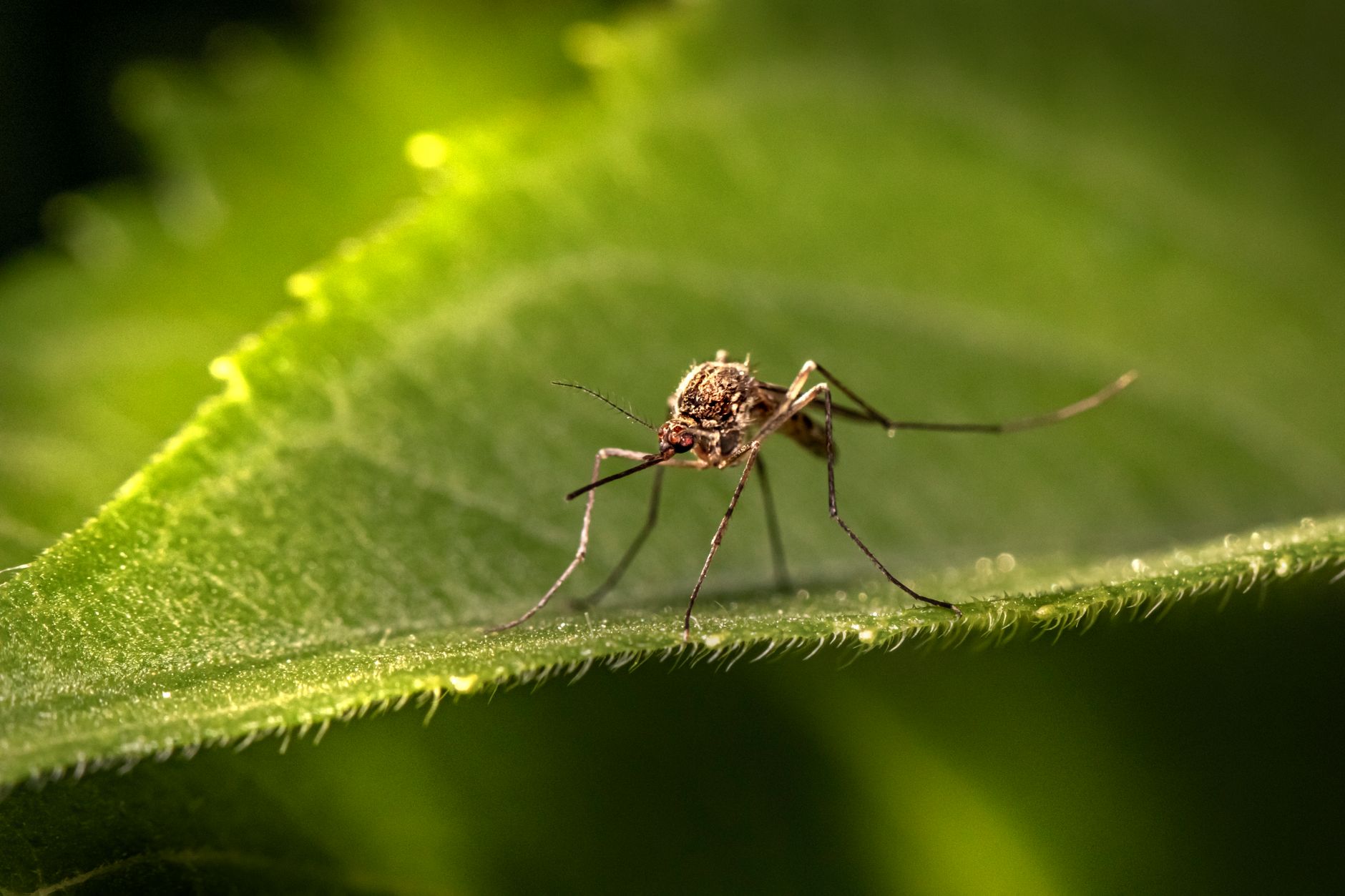
Mosquitoes are more than just a nuisance; they are vectors of serious diseases like West Nile virus, Zika virus, dengue fever, and malaria. Controlling mosquito populations, especially at the larval stage, is crucial for public health. Mosquito larvae thrive in stagnant water, making even small collections of water around homes a breeding ground. Therefore, understanding effective control methods is essential. While bleach might seem like a quick fix, its use requires careful consideration.
Why Bleach is (Generally) Not Recommended
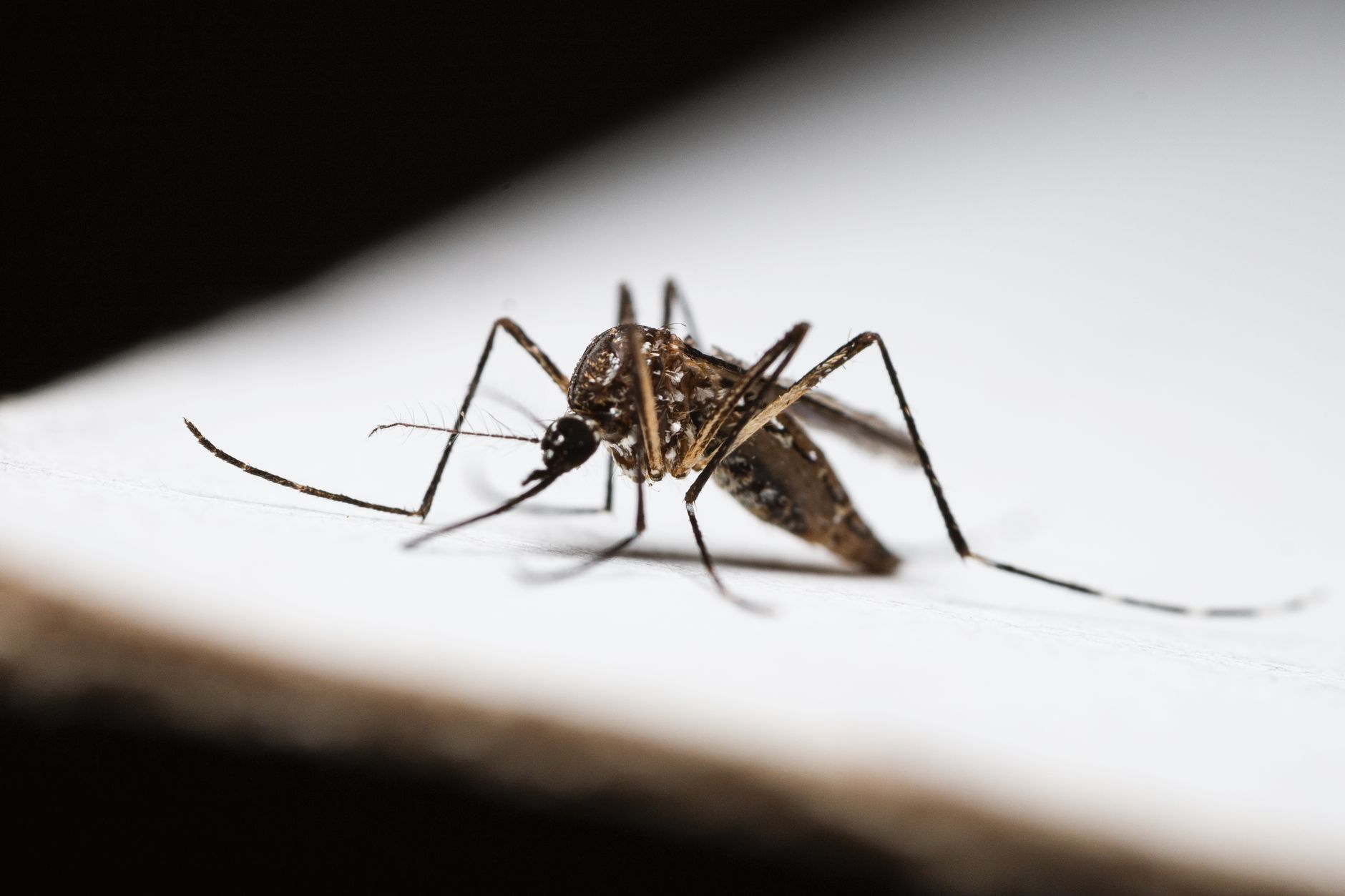
While bleach, or sodium hypochlorite, can indeed kill mosquito larvae, it’s not a recommended method for several reasons:
- Environmental Impact: Bleach is a harsh chemical that can harm aquatic ecosystems. It kills not only mosquito larvae but also beneficial organisms.
- Toxicity to Humans and Pets: Bleach is corrosive and can cause skin and eye irritation. Ingestion can be dangerous.
- Alternatives Exist: Safer and more environmentally friendly options are readily available.
How Much Bleach Will Kill Mosquito Larvae (But You Shouldn’t!)
Technically, very low concentrations of bleach can be lethal to mosquito larvae. Studies have shown that concentrations as low as 0.1 ppm (parts per million) of sodium hypochlorite can kill mosquito larvae. This translates to an incredibly small amount in a larger body of water.
However, the difficulty lies in precise measurement and distribution. Achieving such a low concentration consistently and safely is challenging, especially for homeowners. This is why safer alternatives are highly recommended.
Safer and More Effective Alternatives
Instead of using bleach, consider these alternatives:
-
Bacillus thuringiensis israelensis (Bti): A naturally occurring bacterium that is toxic to mosquito larvae but harmless to humans, pets, and other wildlife. It is available in various forms, such as mosquito dunks and granules.
-
Mosquito Larvicides: These are specifically designed to kill mosquito larvae and are generally safer for the environment than bleach.
-
Eliminating Standing Water: The most effective method is to remove any sources of standing water around your home. This includes:
- Emptying flowerpots, birdbaths, and wading pools regularly.
- Clearing gutters of debris that can block water flow.
- Storing containers upside down.
- Repairing leaky faucets and pipes.
- Ensuring proper drainage in your yard.
Comparison Table: Bleach vs. Bti
| Feature | Bleach (Sodium Hypochlorite) | Bti (Bacillus thuringiensis israelensis) |
|---|---|---|
| Effectiveness | Effective at high concentrations | Highly effective against larvae |
| Environmental Impact | High | Low |
| Toxicity to Humans | High | Negligible |
| Ease of Use | Difficult to measure accurately | Easy to apply |
| Recommendation | Not recommended | Highly recommended |

Frequently Asked Questions (FAQs)
Will adding a lot of bleach kill the mosquito larvae faster?
No. Adding excessive amounts of bleach is not only dangerous but also unnecessary. While higher concentrations will kill larvae more quickly, the risks to the environment, humans, and pets outweigh any potential benefits. Remember, even small amounts can have a significant impact.
Is it okay to use bleach in my birdbath to prevent mosquito breeding?
Absolutely not. Bleach is toxic to birds and other wildlife that may use the birdbath. Use Bti instead, which is safe for birds and effective at controlling mosquito larvae.
How often should I apply Bti to my standing water?
The frequency depends on the product and the specific environment. Generally, mosquito dunks are designed to last for about 30 days. Consult the product label for specific instructions.
Can I use bleach in my swimming pool to prevent mosquitoes?
Swimming pools that are properly chlorinated and filtered should not be breeding grounds for mosquitoes. However, maintaining the correct chlorine levels is crucial. If the pool is neglected, mosquitoes can breed. However, the existing chlorine should eliminate mosquito larvae. Adding more bleach than recommended is not advised.
Does vinegar kill mosquito larvae?
Vinegar, specifically acetic acid, can kill mosquito larvae, but it is generally less effective than Bti and may require higher concentrations. Using vinegar can also alter the pH of the water, potentially harming other aquatic organisms.
Is bleach the same as chlorine?
While both bleach and chlorine contain chlorine compounds, they are not the same. Bleach is a solution of sodium hypochlorite in water, while chlorine is often used in the form of gas or granules in swimming pools. The terms are often used interchangeably, but it’s important to understand the specific chemical composition.
What is the shelf life of bleach?
Bleach has a limited shelf life, typically about 6 months to a year. Over time, it degrades and becomes less effective. Store bleach in a cool, dark place to maximize its shelf life. Expired bleach is less potent and less reliable.
Are there any natural ways to repel mosquitoes without killing them?
Yes, several natural repellents can help keep mosquitoes away. Citronella oil, lemon eucalyptus oil, and lavender oil are all effective options. You can also use mosquito netting and fans to create a less inviting environment for mosquitoes.
Is it legal to use bleach to control mosquitoes in my yard?
While there may not be specific laws prohibiting the use of bleach in certain areas, its use is generally discouraged due to its environmental impact. Many municipalities recommend and even provide Bti products for mosquito control. Check with your local health department for guidance.
How can I identify mosquito larvae?
Mosquito larvae are small, worm-like creatures that wriggle in water. They typically hang upside down near the surface, breathing through a siphon tube. They are usually dark in color and range in size from a few millimeters to about half an inch.
What other chemicals should I avoid using to kill mosquito larvae?
Avoid using pesticides that are not specifically labeled for mosquito larval control. Many pesticides are harmful to the environment and can pose risks to human health. Stick to recommended larvicides like Bti or eliminate standing water.
How do I properly dispose of standing water after treating it with Bti?
After treating standing water with Bti, you can usually dispose of it by pouring it onto the ground in an area where it will drain quickly. Bti is biodegradable and will not harm the soil. Alternatively, you can let the water evaporate naturally.