

How Many Teeth Does a Monkey Have? Exploring Primate Dentition
Most monkeys have 32 teeth, similar to humans. However, there are variations among different species, especially between Old World and New World monkeys.
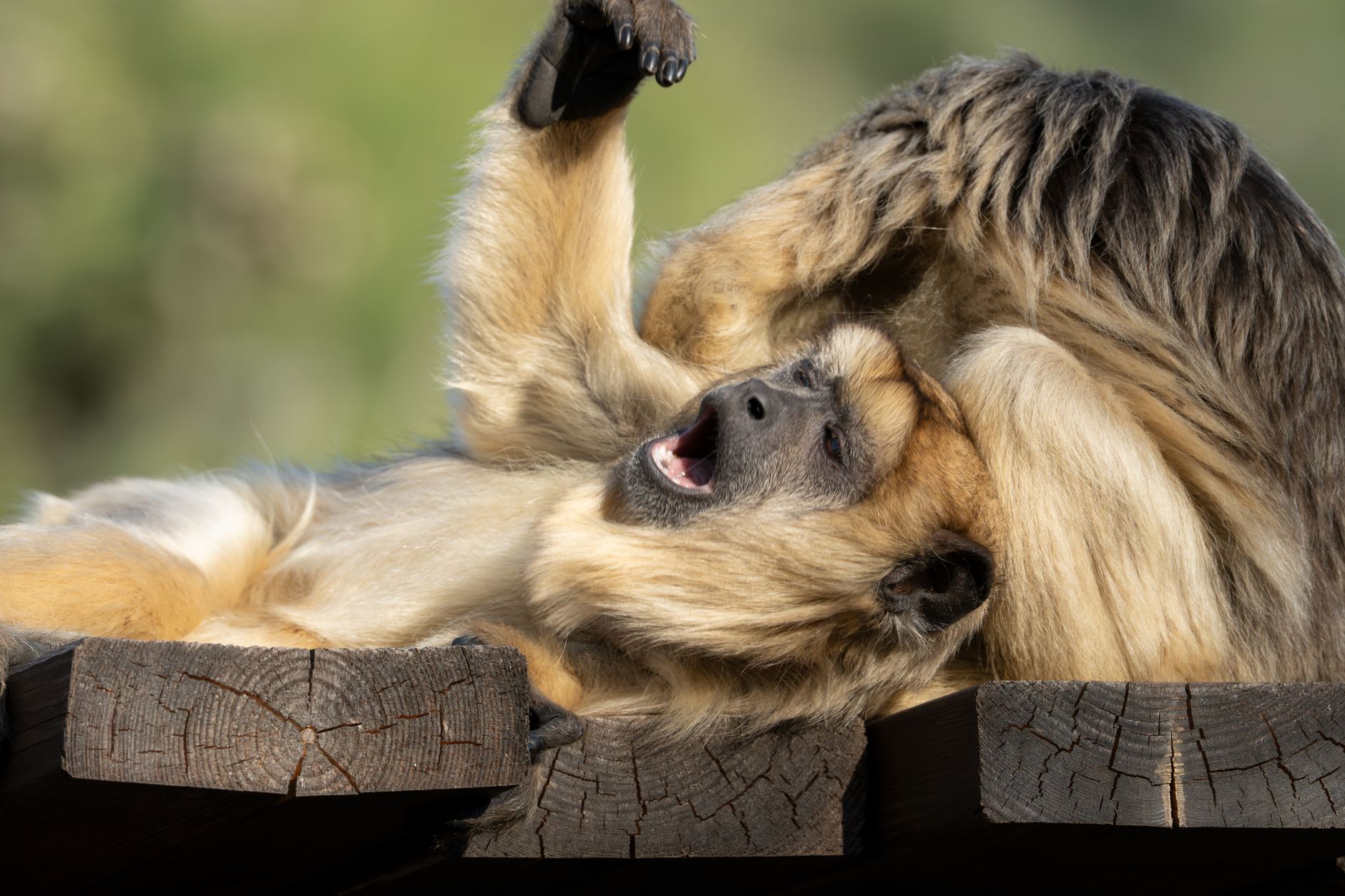
Monkeys, with their playful antics and fascinating social structures, are a diverse group of primates found across the globe. Beyond their captivating behaviors, understanding their physical characteristics, including their dentition, provides valuable insights into their evolution, diet, and overall biology. How many teeth does a monkey have? The answer isn’t as simple as a single number, as it varies slightly between different types of monkeys. This article explores the fascinating world of monkey teeth, examining the factors influencing their dental formula and shedding light on the importance of primate dentition.
Understanding Primate Dentition
Dentition refers to the arrangement and number of teeth in an animal’s mouth. In primates, including monkeys, teeth are crucial for processing food, defending themselves, and even social communication. A primate’s dental formula is a shorthand way of describing the number and arrangement of different types of teeth in one quadrant of the mouth. The types of teeth include:
- Incisors: Used for gnawing and grooming.
- Canines: Sharp teeth used for tearing food and displays of aggression.
- Premolars: Used for grinding and crushing food.
- Molars: Also used for grinding and crushing food.
The dental formula is written as: Incisors-Canines-Premolars-Molars. This formula applies to one half of the upper jaw and one half of the lower jaw. To find the total number of teeth, you need to multiply the sum of the numbers in the formula by two.
Old World vs. New World Monkeys: A Dental Divide

A key difference in dentition lies between Old World and New World monkeys. This distinction is significant because it reflects their evolutionary history and dietary adaptations.
-
Old World Monkeys: Found in Africa and Asia, Old World monkeys generally have a dental formula of 2.1.2.3. This translates to 2 incisors, 1 canine, 2 premolars, and 3 molars on each side of the upper and lower jaws. Therefore, most Old World monkeys have 32 teeth—the same as humans. Examples include macaques, baboons, and colobus monkeys.
-
New World Monkeys: Inhabiting the Americas, New World monkeys typically have a dental formula of 2.1.3.3. This means they have 2 incisors, 1 canine, 3 premolars, and 3 molars on each side of the upper and lower jaws. Consequently, most New World monkeys possess 36 teeth. Examples include spider monkeys, capuchins, and marmosets. However, some New World monkeys have only two premolars, giving them 32 teeth in total, like tamarins and Goeldi’s monkeys.
The table below summarizes these differences:
| Feature | Old World Monkeys | New World Monkeys |
|---|---|---|
| Geographic Area | Africa and Asia | The Americas |
| Dental Formula | 2.1.2.3 | 2.1.3.3 (most) |
| Total Teeth | 32 | 36 (most) |
Factors Influencing Monkey Dentition
Several factors influence the dentition of monkeys, including genetics, diet, and environmental conditions. The dental formula is largely determined by genetics, but dietary habits can also play a role in the size and shape of the teeth. For example, monkeys that primarily consume fruits may have different tooth structures than those that eat mostly leaves or insects. Environmental conditions can also affect tooth wear and overall dental health.
The Importance of Dental Studies in Primatology
Studying monkey dentition is vital for primatologists. Analyzing tooth shape, size, and wear patterns can provide valuable information about:
- Dietary habits: The types of food a monkey consumes can be inferred from the wear and shape of its teeth.
- Evolutionary relationships: Dental characteristics can help trace the evolutionary relationships between different monkey species.
- Age determination: Tooth eruption patterns and wear can be used to estimate the age of individual monkeys.
- Health and disease: Dental health is an indicator of overall health and can reveal signs of disease or nutritional deficiencies.

Frequently Asked Questions about Monkey Teeth
What is the dental formula of a macaque monkey?
Macaques, being Old World monkeys, have a dental formula of 2.1.2.3, which translates to a total of 32 teeth. They possess incisors, canines, premolars, and molars suitable for a varied diet.
Do all monkeys have the same dental formula?
No, not all monkeys have the same dental formula. As highlighted, the dental formula differs between Old World and New World monkeys. Most Old World monkeys have 32 teeth, while most New World monkeys have 36 teeth.
What are the primary functions of a monkey’s canine teeth?
A monkey’s canine teeth serve several critical functions. Primarily, they are used for tearing food and playing a role in social displays. Male monkeys often have larger canines, which they use for fighting and establishing dominance.
Are there any monkeys with fewer than 32 teeth?
Yes, there are exceptions. Some New World monkeys, like tamarins and Goeldi’s monkeys, have a reduced number of premolars, resulting in a total of 32 teeth.
How does a monkey’s diet affect the condition of its teeth?
A monkey’s diet significantly impacts its dental health. Monkeys consuming hard nuts and seeds may experience more tooth wear, while those consuming softer fruits may have less wear. Proper nutrition is crucial for maintaining strong and healthy teeth.
Can dental problems affect a monkey’s overall health?
Yes, dental problems can severely affect a monkey’s overall health. Dental infections can lead to systemic illnesses, and difficulty chewing can result in malnutrition and weight loss.
Do baby monkeys have different teeth than adult monkeys?
Like humans, monkeys have baby teeth (also called deciduous teeth). These teeth are smaller and fewer in number than adult teeth. The baby teeth are eventually replaced by permanent adult teeth.
How do primatologists study monkey dentition?
Primatologists study monkey dentition through direct observation, dental casts, X-rays, and analysis of skulls in museum collections. These methods allow them to examine tooth morphology, wear patterns, and overall dental health.
What are the differences between monkey and ape teeth?
While both monkeys and apes are primates, their teeth exhibit some differences. Apes generally have larger molars than monkeys, and their canine teeth are often more specialized for display and dominance. The dental formula is generally the same at 2.1.2.3.
Is it possible to determine a monkey’s age by looking at its teeth?
Yes, to some extent. The degree of tooth wear and the pattern of tooth eruption can provide clues about a monkey’s age. However, this method is most accurate for younger monkeys, as tooth wear becomes more variable with age.
Are monkey teeth similar to human teeth?
In many ways, yes. Both monkeys and humans have similar types of teeth (incisors, canines, premolars, and molars) that serve similar functions. The basic dental formula is the same for Old World monkeys and humans, reflecting a shared evolutionary history.
How does knowing how many teeth does a monkey have? benefit conservation efforts?
Understanding the dentition of different monkey species can indirectly benefit conservation efforts. Information about their dietary adaptations can inform habitat management strategies. Additionally, monitoring dental health in wild populations can provide insights into their overall well-being and help identify threats to their survival.