

How Many Octopus Live Together? Unveiling the Social Secrets of Octopuses
Octopuses are generally solitary creatures, preferring individual dens and foraging alone; however, some species, like the Sydney octopus, can exhibit communal living in rare and specific circumstances, leading to short-term, loosely organized “octopus cities.” So the answer to “How many octopus live together?” is typically one, but with fascinating, occasionally communal, exceptions.

The Solitary Nature of Most Octopuses
For most of their lives, octopuses are loners. This stems from a combination of factors, including their diet, habitat, and life cycle. They are ambush predators, requiring a hunting territory they can effectively patrol. Competing for resources with other octopuses in a close-knit environment would be detrimental.
- Predatory Habits: Octopuses are highly efficient hunters, and their success relies on their ability to remain undetected. Sharing a hunting ground would lead to direct competition.
- Lifespan: The relatively short lifespan of many octopus species contributes to their solitary behavior. With limited time to mature and reproduce, the instinct to establish and defend a territory outweighs the benefits of social interaction.
- Territoriality: Most octopuses are fiercely territorial. They establish dens in rocky crevices, coral formations, or even discarded human-made objects, aggressively defending their space against intruders.

Can dwarf frogs live on land?
What is the GREY African clawed frog?
Is distilled water good for goldfish?
What colours are fish most attracted to?
Exceptions to the Rule: “Octopolis” and Other Communal Behaviors
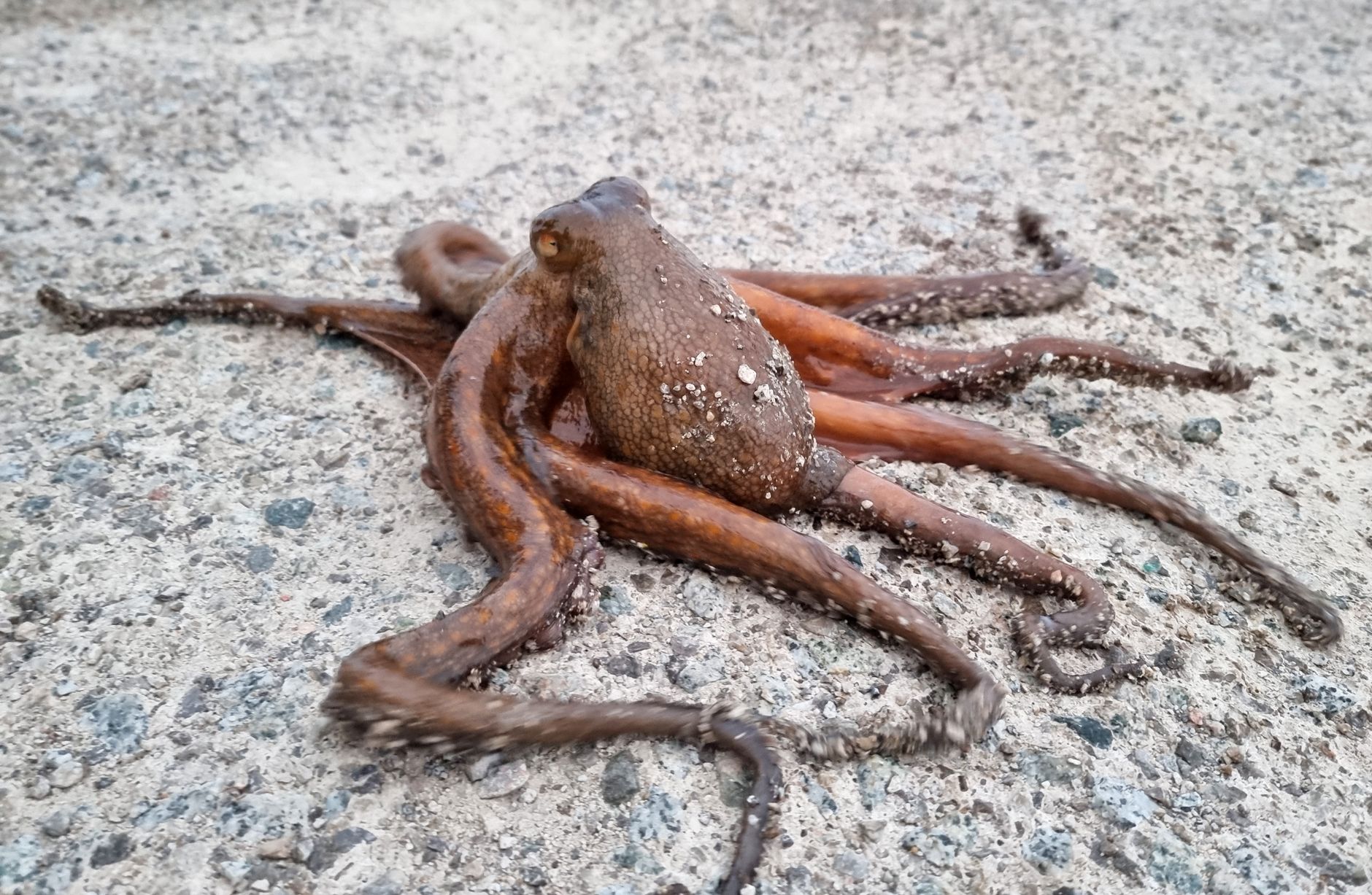
While largely solitary, some octopus species have been observed engaging in communal behaviors under specific conditions. The most notable example is “Octopolis” and “Octlantis” in Jervis Bay, Australia, where Sydney octopuses (Octopus tetricus) have created dense settlements.
These “octopus cities” are not indicative of a true social structure in the way that exists in ants or bees. Instead, they appear to be the result of:
- Limited Suitable Habitat: Areas with a concentration of denning sites attract a higher density of octopuses.
- Abundant Food Supply: A consistent and reliable food source reduces competition and may tolerate some co-existence.
- Defense Against Predators: A larger group may offer a degree of protection against predators, though aggression and cannibalism still occur.
It’s important to note that even in these communal settings, the octopuses remain largely independent. Interactions primarily involve territorial disputes, mating, and sometimes, cannibalism. True cooperation is rarely observed.
Aggression and Cannibalism: The Dark Side of Octopus Interactions
The lack of social bonds and the strong instinct for survival lead to frequent acts of aggression among octopuses, even in communal settings. Cannibalism, particularly of smaller or weaker individuals, is a common occurrence. This behavior underscores the fundamental challenge of “How many octopus live together?” It is usually one because they tend to eat the others.
- Competition for Resources: Limited food and denning sites can trigger aggressive encounters.
- Sexual Cannibalism: In some species, females may kill and eat males after mating.
- Dominance Displays: Octopuses use a variety of displays, including color changes and posturing, to assert dominance and defend their territory.
What Researchers Have Discovered
Researchers who study octopuses have gained an invaluable insight into the lives of these magnificent creatures. The work continues, but here are some highlights:
- Discovery of Octopolis and Octlantis
- The study of the aggressive social interactions
- Documentation of color and pattern change in both genders
- Understanding of territoriality
- The discovery that octopuses are more intelligent than once thought
Factors Influencing Octopus Social Behavior
Several factors influence the social behavior of octopuses, and they must be considered when asking, “How many octopus live together?“
- Species: Different species have varying levels of tolerance and social interaction.
- Habitat: The availability of suitable denning sites and food resources plays a significant role.
- Population Density: Higher population densities can lead to increased competition and aggression.
- Environmental Conditions: Changes in temperature, salinity, or water quality can impact octopus behavior.
Future Research Directions
Further research is needed to fully understand the complexities of octopus social behavior. Key areas of investigation include:
- Genetic analysis to determine the relatedness of individuals within communal settlements.
- Long-term monitoring of octopus populations to assess the stability of communal living arrangements.
- Studies of octopus communication and signaling, including the role of color changes and body postures.
- Investigation of the neural mechanisms underlying octopus social behavior.
Frequently Asked Questions
Are all octopuses solitary?
No, while most octopus species are predominantly solitary, certain species, like the Sydney octopus, have been observed engaging in communal living under specific circumstances, such as limited habitat availability. These groupings are not true social structures but rather aggregations driven by resource availability and limited options.
What is “Octopolis”?
“Octopolis” is a dense settlement of Sydney octopuses (Octopus tetricus) discovered in Jervis Bay, Australia. It is not a city in the human sense, but rather a collection of denning sites occupied by multiple individuals. Aggression and territorial disputes are common in Octopolis.
Why do octopuses live alone?
The solitary nature of most octopuses is primarily due to their predatory habits, short lifespans, and strong territoriality. They are ambush predators who do best when they don’t have to compete for resources.
Do octopuses communicate with each other?
Yes, octopuses communicate through a variety of methods, including color changes, body postures, and chemical signals. This communication is often used to convey territorial boundaries, mating intentions, or threats.
Are octopuses intelligent?
Yes, octopuses are considered to be highly intelligent invertebrates. They exhibit complex problem-solving abilities, tool use, and learning capabilities. Their intelligence is thought to play a role in their hunting strategies and social interactions.
Do octopuses mate for life?
No, octopuses do not mate for life. After mating, the male typically dies shortly after. The female will lay eggs and care for them until they hatch, after which she also dies. The octopus lifestyle, therefore, is not conducive to long-term partnerships.
What do octopuses eat?
Octopuses are carnivores and eat a wide variety of prey, including crabs, shrimp, fish, and mollusks. They use their strong beaks and venomous saliva to subdue their prey.
How do octopuses defend themselves?
Octopuses have several defense mechanisms, including camouflage, ink ejection, and autotomy (the ability to detach a limb). They can also use their strong arms and suckers to fight off predators.
Are octopuses dangerous to humans?
Most octopuses are not dangerous to humans. However, the blue-ringed octopus is highly venomous and can be deadly if provoked. Bites from other octopus species can be painful but are generally not life-threatening.
How many babies can an octopus have?
The number of eggs an octopus lays varies depending on the species. Some species may lay only a few dozen eggs, while others may lay hundreds of thousands. The survival rate of octopus hatchlings is relatively low.
How can I help protect octopuses?
You can help protect octopuses by supporting sustainable seafood choices, reducing plastic pollution, and advocating for marine conservation. Protecting their habitats is crucial for their survival.
Why are octopuses so fascinating?
Octopuses are fascinating creatures because of their unique intelligence, remarkable camouflage abilities, and complex behavior. They offer a glimpse into a world of intelligence and adaptability that challenges our understanding of the animal kingdom. The puzzle of “How many octopus live together?” highlights how scientists are continuously unlocking new insights into these enigmatic animals.