

How Many Hours Do Spider Monkeys Sleep? Unveiling the Secrets of Their Slumber
Spider monkeys typically sleep between 8 and 10 hours per day, though factors like age, health, and habitat can influence their sleep patterns. This crucial rest period allows them to maintain optimal energy levels for their active arboreal lives.

Spider Monkey Sleep: An Introduction to Primate Rest
Spider monkeys, with their long limbs and prehensile tails, are fascinating primates found in the tropical forests of Central and South America. Understanding their sleep habits is crucial for comprehending their overall well-being and ecological role. How many hours does a spider monkey sleep? is a question often posed by researchers and animal enthusiasts alike.
The Importance of Sleep for Spider Monkeys
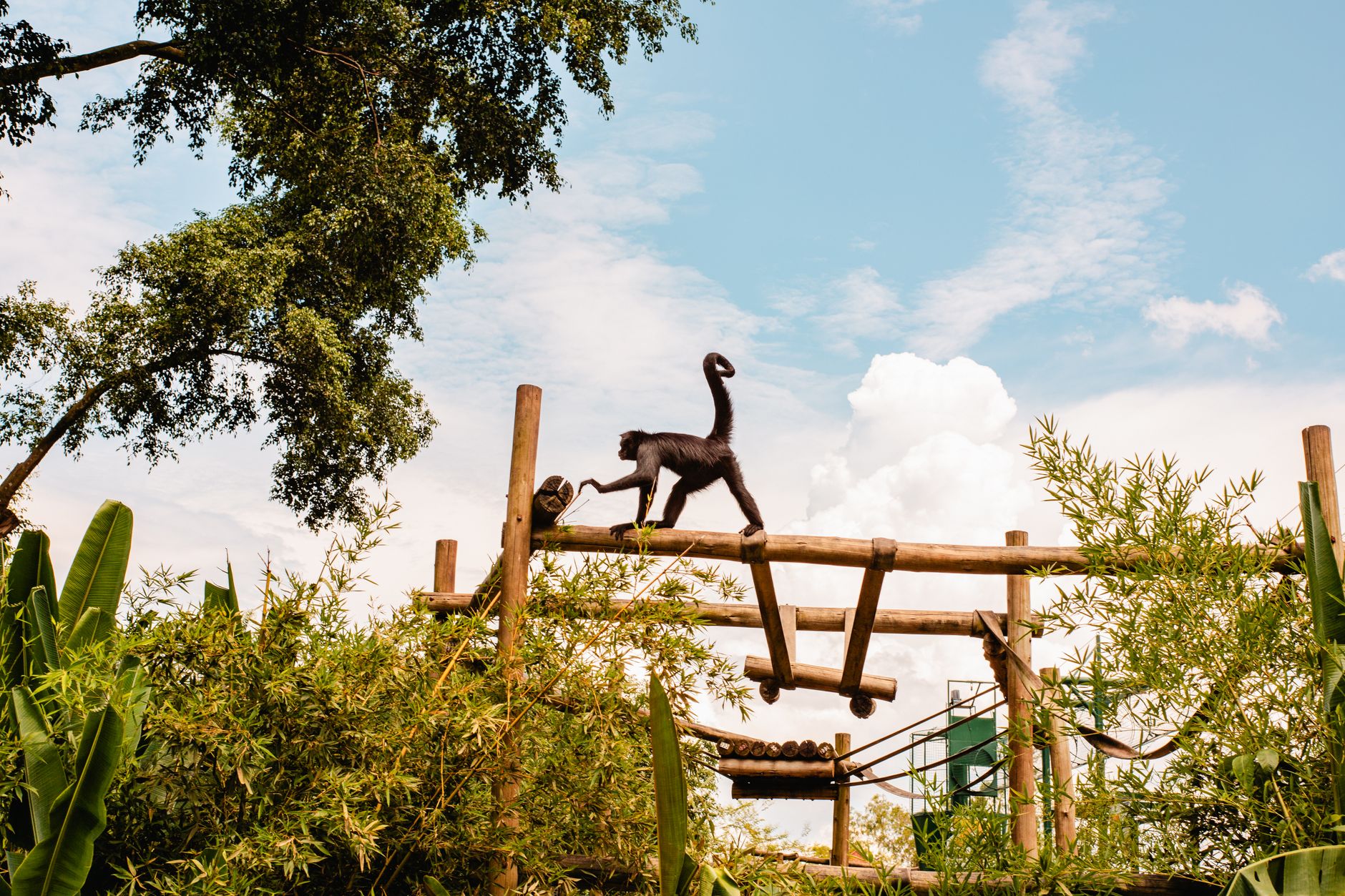
Like all animals, spider monkeys require adequate sleep for various physiological and behavioral functions. These include:
- Energy Conservation: Sleep allows spider monkeys to conserve energy, which is especially important given their physically demanding arboreal lifestyle.
- Cognitive Function: Sleep is crucial for memory consolidation and cognitive processing. A well-rested spider monkey is likely more adept at finding food, navigating its environment, and interacting socially.
- Immune System Regulation: Adequate sleep supports a healthy immune system, making spider monkeys less susceptible to disease.
- Tissue Repair and Growth: Sleep allows the body to repair tissues and promote growth, particularly important for young spider monkeys.
Factors Influencing Spider Monkey Sleep Duration
Several factors can influence the amount of sleep a spider monkey gets:
- Age: Younger spider monkeys typically require more sleep than adults to support their growth and development.
- Health: Sick or injured spider monkeys may sleep more to aid recovery.
- Habitat: Environmental factors, such as temperature, humidity, and the presence of predators, can affect sleep patterns. Spider monkeys in areas with high predator density may sleep less due to increased vigilance.
- Social Dynamics: Social interactions within the troop can influence sleep patterns. Dominant individuals may have priority access to the most comfortable or safest sleeping spots.
- Food Availability: Scarcity of food resources can cause spider monkeys to spend more time foraging, thus reducing their sleep duration.
Where Do Spider Monkeys Sleep?
Spider monkeys are arboreal animals, meaning they spend most of their lives in trees. They typically sleep high in the canopy, using their prehensile tails to anchor themselves to branches for added security. They often choose locations that offer protection from predators and the elements. They don’t build nests like some other primates, but instead find comfortable nooks and crannies in the trees.
Dangers Affecting Sleep
Several dangers may affect sleep patterns of spider monkeys in the wild, these are:
- Predators: Animals like jaguars, eagles, and snakes can prey on spider monkeys.
- Habitat Loss: Deforestation and habitat fragmentation reduce available sleeping sites and increase exposure to predators.
- Human Activity: Hunting, poaching, and disturbance from human activities can disrupt sleep patterns and increase stress levels.
- Climate Change: Changing weather patterns, such as increased frequency of extreme weather events, can impact the availability of suitable sleeping sites and food resources.
How to Help Spider Monkeys
There are several ways to help spider monkeys and protect their sleep habits. These include:
- Supporting Conservation Organizations: Donate to or volunteer with organizations dedicated to protecting spider monkey habitats.
- Reducing Deforestation: Make sustainable choices that reduce demand for products that contribute to deforestation, such as buying responsibly sourced timber and reducing consumption of beef.
- Raising Awareness: Educate others about the importance of protecting spider monkeys and their habitats.
- Responsible Tourism: When visiting areas where spider monkeys live, respect their space and avoid disturbing their natural behavior.

Frequently Asked Questions (FAQs)
How does a spider monkey avoid predators while sleeping?
Spider monkeys choose sleeping locations high in the canopy, offering a natural vantage point and protection from ground-based predators. They also utilize their prehensile tails to anchor themselves securely to branches, making it difficult for predators to dislodge them. The troop may also post sentinels to watch for danger while others sleep.
Do spider monkeys sleep in groups?
Yes, spider monkeys often sleep in groups, typically within their social troop. This provides added security and warmth. Sleeping close together also strengthens social bonds.
Do spider monkeys dream?
While it’s impossible to know for sure, studies suggest that many mammals, including primates, experience REM (rapid eye movement) sleep, which is associated with dreaming. Therefore, it is highly likely that spider monkeys dream.
What happens if a spider monkey doesn’t get enough sleep?
Sleep deprivation can have significant negative impacts on spider monkeys, including reduced energy levels, impaired cognitive function, weakened immune system, and increased susceptibility to disease. It can also lead to behavioral changes, such as increased aggression or reduced social interaction.
Do spider monkeys sleep during the day?
Spider monkeys are primarily diurnal, meaning they are active during the day. However, they may take short naps throughout the day to conserve energy, especially during periods of inactivity or extreme heat. These naps are typically brief and infrequent.
Does being in captivity impact their sleep habits?
Yes, captivity can significantly impact the sleep habits of spider monkeys. Confined spaces, artificial lighting, and altered social structures can disrupt their natural sleep-wake cycle. Providing appropriate enrichment, simulating their natural habitat, and maintaining a consistent sleep schedule are crucial for promoting healthy sleep in captive spider monkeys.
Is it true that How many hours does a spider monkey sleep? also affects their diets?
Yes, the number of hours a spider monkey sleeps can indirectly affect their diet. If they are sleep deprived, they might not be able to forage effectively, potentially leading to reduced food intake or consumption of lower-quality food sources. Sufficient sleep ensures they have the energy and cognitive sharpness to find optimal food sources.
What are the best conservation efforts to help spider monkeys?
The best conservation efforts include protecting and restoring spider monkey habitats, combating deforestation and illegal hunting, promoting sustainable tourism, and supporting research on spider monkey behavior and ecology. Community-based conservation programs that engage local people in protecting spider monkeys and their habitats are also highly effective.
Do different types of spider monkeys have different sleep patterns?
While there may be slight variations based on species, habitat, and individual differences, the general sleep pattern is largely consistent among different types of spider monkeys. They typically sleep between 8 and 10 hours per night. Further research is needed to identify any significant species-specific differences.
What do baby spider monkeys do when their mother sleeps?
Baby spider monkeys cling tightly to their mothers while they sleep. The mother provides warmth, protection, and access to milk. The infant’s grip is incredibly strong, allowing it to stay safely attached even during sleep.
Do spider monkeys have a specific “bedtime routine”?
Spider monkeys don’t have a structured bedtime routine in the way that humans do. However, they exhibit certain behaviors that signal the onset of sleep, such as settling into a comfortable position in the trees, grooming each other, and reducing their activity levels.
What is the ideal environment for a spider monkey to sleep well?
The ideal environment for a spider monkey to sleep well is one that closely mimics its natural habitat. This includes a lush, forested environment with plenty of tall trees, a comfortable temperature, minimal disturbance from humans, and a secure sleeping location high in the canopy. Minimizing light and noise pollution is also essential.