

How Much Do Spider Monkeys Sleep at Night: Unveiling the Secrets of Their Slumber
Spider monkeys, agile acrobats of the rainforest canopy, require sufficient rest to maintain their energy levels. They typically sleep around 8-10 hours at night, although this can vary based on factors like age, environment, and individual habits.

Introduction: The Sleeping Habits of the Spider Monkey
Understanding the sleeping habits of animals is crucial to comprehending their overall behavior and well-being. For spider monkeys, skilled climbers and foragers of the Central and South American rainforests, sleep is essential for physical restoration and cognitive function. How many hours do spider monkeys sleep at night? is a question that goes beyond simple curiosity, touching on aspects of their lifestyle, conservation, and even potential captive care strategies. This article delves into the nocturnal slumber of these fascinating primates, exploring the factors influencing their sleep duration and highlighting the importance of adequate rest for their survival.
Why Sleep is Crucial for Spider Monkeys
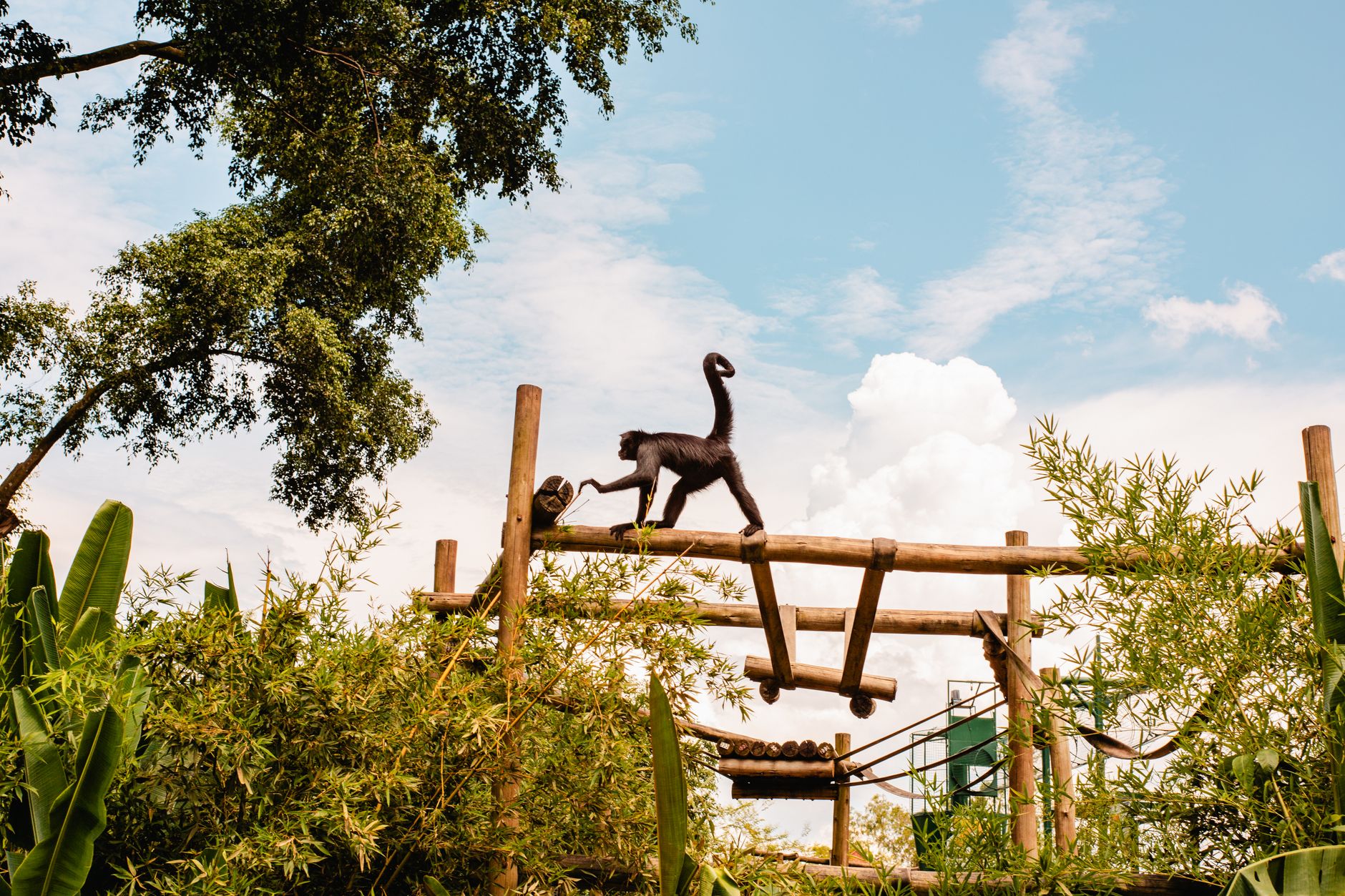
Like all animals, spider monkeys need sleep for a multitude of reasons. These include:
- Energy Conservation: Sleep allows spider monkeys to conserve energy, which is particularly important given their active lifestyle of foraging and navigating the rainforest canopy.
- Tissue Repair: During sleep, the body repairs and regenerates tissues, promoting overall health and longevity.
- Cognitive Function: Sleep plays a vital role in memory consolidation and learning. Spider monkeys need adequate sleep to process information and improve their foraging skills.
- Immune System Support: Sleep deprivation can weaken the immune system, making spider monkeys more susceptible to diseases.
Factors Influencing Sleep Duration
Several factors can affect how many hours do spider monkeys sleep at night. These variations are normal and can be attributed to:
- Age: Younger spider monkeys may require more sleep than adults to support their growth and development.
- Health: Sick or injured spider monkeys may sleep more or less depending on their condition and energy levels.
- Environment: Habitat and environmental conditions can play a role. Factors such as temperature and the presence of predators can influence sleep duration and quality.
- Social Dynamics: Social interactions within the group can impact sleep. Dominant individuals may secure more comfortable sleeping spots, while subordinates might experience disturbed sleep.
- Diet: A balanced diet supports healthy sleep patterns. Nutritional deficiencies can disrupt sleep.
The Spider Monkey’s Sleeping Environment
Spider monkeys typically sleep in the upper canopy of the rainforest, choosing locations that offer protection from predators and comfortable support. They prefer:
- High branches: These provide a vantage point and make it difficult for terrestrial predators to reach them.
- Dense foliage: The leaves offer camouflage and protection from the elements.
- Secure grips: Spider monkeys use their prehensile tails and strong limbs to anchor themselves to branches, preventing falls during sleep.
Sleep Patterns in Captivity vs. The Wild
The sleeping habits of spider monkeys in captivity can differ from those in the wild. In zoos or sanctuaries, they might experience:
- Less need to be vigilant: Fewer predators mean reduced stress, which may allow for deeper and potentially longer sleep.
- Artificial lighting: Exposure to artificial light can disrupt their natural sleep-wake cycle.
- Controlled diets: Consistent access to food eliminates the need to spend hours foraging, potentially leading to more time available for sleep.
- Enclosure environment: The size and complexity of the enclosure can influence activity levels and, consequently, sleep patterns.
The Importance of Studying Spider Monkey Sleep
Understanding how many hours do spider monkeys sleep at night, and the factors that influence it, is essential for several reasons:

- Conservation Efforts: Understanding the species’ natural behaviors can inform conservation strategies to protect their habitats and promote their well-being.
- Captive Care: Knowledge of sleep patterns can help zoos and sanctuaries provide optimal living conditions for spider monkeys in captivity.
- Comparative Biology: Studying sleep across different species can shed light on the evolution and function of sleep.
Comparing Spider Monkey Sleep to Other Primates
While spider monkeys generally sleep around 8-10 hours, it’s important to compare this to other primates.
| Primate Species | Average Sleep Duration (Hours) |
|---|---|
| Spider Monkey | 8-10 |
| Chimpanzee | 9-10 |
| Macaque | 9-11 |
| Human (Adult) | 7-9 |
Common Misconceptions about Spider Monkey Sleep
There are a few common misconceptions about spider monkey sleep. One is that they sleep all day, which isn’t true. Another common error is the assumption that spider monkeys are always very active, thus require little sleep. This isn’t the case, as they need ample downtime to maintain their energy levels.
Frequently Asked Questions (FAQs)
What happens if a spider monkey doesn’t get enough sleep?
Sleep deprivation can have a negative impact on a spider monkey’s health and well-being. Insufficient sleep can lead to increased stress, reduced cognitive function, weakened immune system, and decreased foraging efficiency. Prolonged sleep deprivation can even shorten their lifespan.
Do spider monkeys sleep in family groups?
Yes, spider monkeys typically sleep in groups, often with related individuals. This provides them with added protection from predators and promotes social bonding.
Do baby spider monkeys sleep more than adults?
Yes, infant and juvenile spider monkeys generally require more sleep than adults. This is essential for their growth and development. They may nap more frequently throughout the day as well.
Can spider monkeys sleep standing up?
While spider monkeys have exceptional dexterity and can use their limbs and tail to hang from branches, they generally do not sleep standing up. They usually find a comfortable and secure position within the canopy to rest.
Do spider monkeys dream?
While it’s impossible to know for sure what spider monkeys dream about, evidence suggests that they do experience REM sleep, which is associated with dreaming in humans and other mammals.
Are there specific times of the year when spider monkeys sleep more?
Seasonal changes can affect sleep patterns. For example, during periods of food scarcity, they may sleep more to conserve energy. Similarly, during breeding season, increased activity might lead to longer sleep durations for recovery.
Do spider monkeys build nests to sleep in?
Unlike some other primates, spider monkeys do not build nests for sleeping. They rely on finding suitable locations within the rainforest canopy for rest.
How do spider monkeys protect themselves from predators while sleeping?
They sleep in high branches, often surrounded by dense foliage, making it difficult for predators to reach them. Group sleeping also offers added security, as other individuals can alert the group to danger.
How does deforestation impact spider monkey sleep patterns?
Deforestation reduces the availability of suitable sleeping sites and increases their vulnerability to predators. This can disrupt their sleep patterns and negatively impact their overall health.
Can spider monkeys be trained to sleep at specific times in captivity?
With consistent routines and environmental cues, spider monkeys in captivity can adapt to a regular sleep schedule. This promotes their well-being and allows for easier management in zoological settings.
What are the signs of a spider monkey not getting enough sleep?
Signs of sleep deprivation in spider monkeys can include increased irritability, lethargy, decreased appetite, and difficulty concentrating. Observing these signs is crucial for identifying potential health problems and adjusting their care accordingly.
How does noise pollution affect spider monkey sleep?
Noise pollution, especially near human settlements or tourist areas, can disrupt sleep patterns and increase stress levels. Minimizing noise in areas where spider monkeys live is crucial for protecting their well-being.