
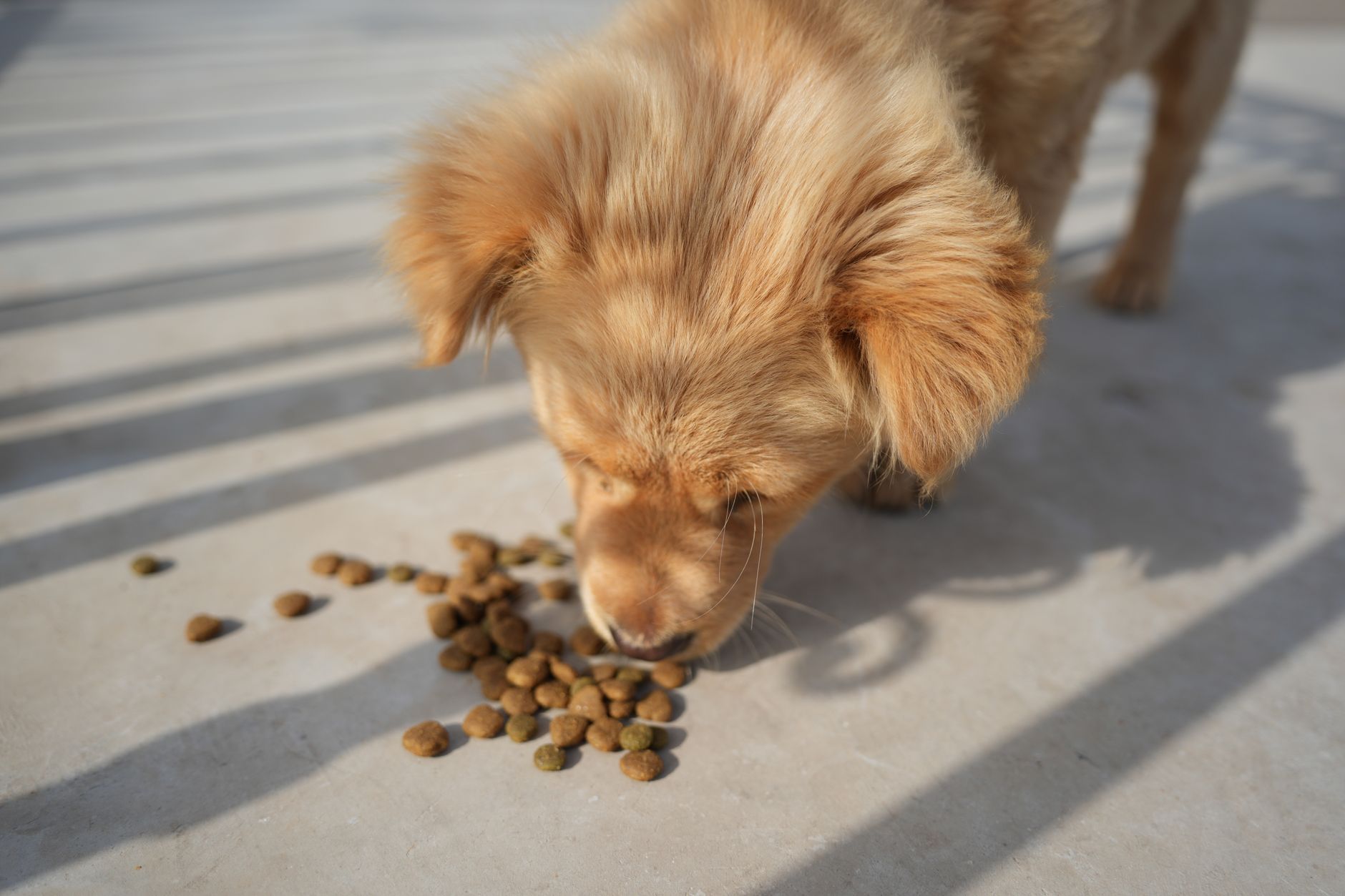
How Many Days Can My Dog Go Without Eating? Understanding Canine Appetite and Health
The answer to “How many days can my dog go without eating?” varies, but generally, a healthy dog can survive for 3-5 days without food, provided they have access to water. However, going this long without eating is highly discouraged and could indicate a serious underlying medical condition.
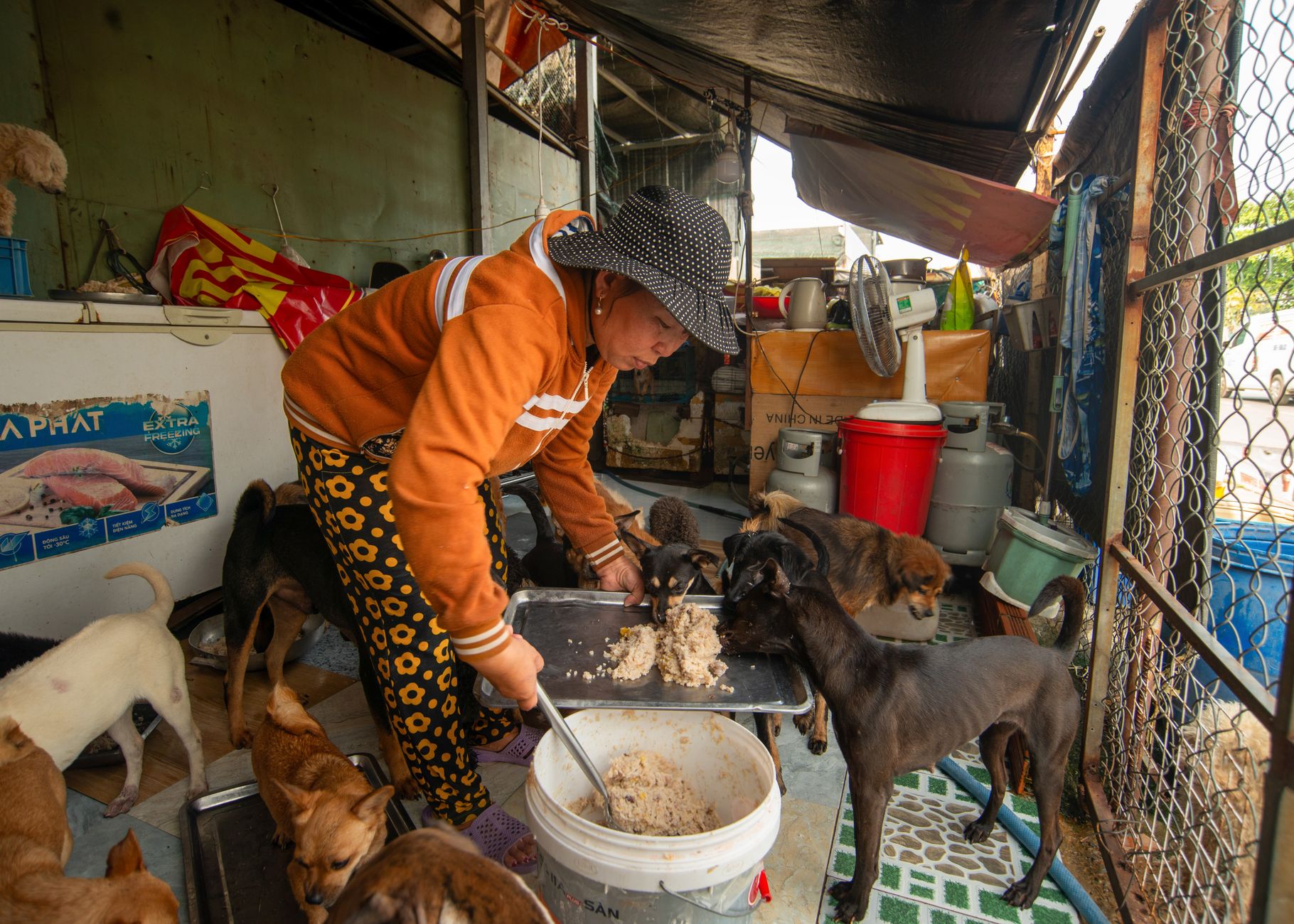
Understanding Canine Hunger and Nutritional Needs
A dog’s relationship with food is often a clear indicator of their overall health and well-being. While some dogs are notoriously picky eaters, a sudden loss of appetite can be a cause for concern. Understanding the factors that influence a dog’s hunger and nutritional requirements is essential for responsible pet ownership.
- Basic Nutritional Needs: Dogs need a balanced diet of protein, carbohydrates, fats, vitamins, and minerals to thrive. The specific requirements vary based on age, breed, activity level, and overall health.
- Factors Affecting Appetite: Many factors can influence a dog’s appetite. These include:
- Stress or anxiety: Changes in the environment, such as moving homes or adding a new pet, can cause stress-related appetite loss.
- Underlying medical conditions: Dental problems, infections, kidney disease, and cancer can all suppress appetite.
- Medications: Some medications have appetite suppression as a side effect.
- Food preferences: Just like humans, dogs can have preferences for certain flavors and textures.
- Aging: Older dogs may experience a decreased appetite due to age-related changes.
The Risks of Prolonged Food Deprivation

While dogs can survive for a few days without food, doing so carries significant risks. The body begins to break down muscle mass for energy, leading to weakness and lethargy. Organ damage, particularly to the liver, is also a possibility.
- Metabolic Changes: Without food, the body enters a state of ketosis, where it burns fat for energy. While this is a natural process, prolonged ketosis can be dangerous, particularly for dogs with underlying health conditions.
- Muscle Loss: The body starts to break down muscle tissue for energy after fat reserves are depleted. This can lead to muscle wasting and weakness.
- Organ Damage: The liver and kidneys play a crucial role in processing nutrients and waste products. Prolonged starvation can overwhelm these organs, leading to damage and potentially failure.
- Dehydration: While food deprivation is the focus, access to fresh, clean water is even more critical. Dehydration quickly exacerbates the negative effects of not eating.
Identifying Loss of Appetite and When to Seek Veterinary Care
Recognizing when your dog’s lack of appetite is a cause for concern is essential. While skipping a meal occasionally is not always alarming, persistent refusal to eat or other accompanying symptoms warrant a vet visit.
-
Signs of Concerning Appetite Loss:
- Refusal to eat for more than 24 hours.
- Lethargy or weakness.
- Vomiting or diarrhea.
- Changes in behavior (e.g., hiding, aggression).
- Weight loss.
- Increased thirst or urination.
-
When to Contact Your Veterinarian: If your dog displays any of the above symptoms, or if you are concerned about their lack of appetite, it’s always best to consult your veterinarian. Early diagnosis and treatment of underlying medical conditions can significantly improve outcomes.
Strategies to Encourage Your Dog to Eat
If your dog is not eating, there are several things you can try at home to stimulate their appetite, but always consult your vet first, particularly if they have underlying health issues.
- Offer Highly Palatable Foods: Try warming up their regular food or offering them a small amount of cooked chicken, boiled eggs, or baby food (ensure it doesn’t contain onion or garlic).
- Hand-Feeding: Sometimes, the simple act of hand-feeding can encourage a dog to eat.
- Reduce Stress: Create a calm and quiet environment for your dog during meal times.
- Change the Food’s Texture: Adding water or broth to dry food can make it easier to eat, especially for dogs with dental problems.
- Medications: In some cases, your veterinarian may prescribe appetite stimulants. Never give your dog human medications without consulting a vet.
Comparison: Dog vs. Human Starvation
| Feature | Dog | Human |
|---|---|---|
| Survival Time | 3-5 days (without food, with water) | 3-8 weeks (without food, with water), depending on body fat |
| Metabolic Rate | Generally higher metabolic rate than humans (varies by breed) | Variable metabolic rate, dependent on activity level |
| Muscle Breakdown | Muscle loss occurs more quickly than in humans due to higher protein turnover | Muscle loss occurs, but typically at a slower rate than in dogs |
| Risk of Organ Failure | High risk of liver and kidney damage with prolonged starvation | Risk of organ failure, particularly kidney and liver, with prolonged starvation |
| Factors Involved | Breed, age, health status, access to water | Age, health status, body fat percentage, access to water |
Conclusion: How many days can my dog go without eating?
While a dog can technically survive for a few days without food, it’s crucial to remember that this is not a healthy or desirable situation. A sudden loss of appetite can be a sign of an underlying medical condition that requires prompt veterinary attention. As responsible pet owners, we must be vigilant about monitoring our dog’s eating habits and seeking professional help when necessary. The answer to “How many days can my dog go without eating?” is less important than understanding why your dog isn’t eating and addressing the underlying cause.

Frequently Asked Questions (FAQs)
What are the early signs of starvation in dogs?
Early signs of starvation include lethargy, weakness, and a noticeable lack of interest in food. You might also observe them being less active than usual and appearing generally unwell. Contact your vet immediately if these symptoms present themselves.
Is it normal for my dog to skip a meal occasionally?
Yes, it’s not uncommon for dogs to skip a meal now and then. This can be due to various factors, such as mild stress, a change in routine, or simply not feeling hungry. If it happens frequently, see your veterinarian.
What should I do if my dog refuses to eat their kibble but eats treats?
This could indicate that your dog is simply being picky or that they are experiencing dental pain. Try softening the kibble with water or switching to a different flavor or brand. If the problem persists, consult your veterinarian to rule out any underlying medical issues.
Can a dog die from not eating?
Yes, a dog can die from prolonged starvation. Without adequate nutrition, the body begins to shut down, leading to organ failure and ultimately death. However, this is usually the result of an underlying condition.
What is anorexia in dogs?
Anorexia in dogs refers to a complete loss of appetite. This is often a symptom of an underlying medical condition, such as infection, kidney disease, or cancer, rather than a primary problem in itself. See your veterinarian if anorexia lasts more than 24 hours.
How long can a puppy go without eating before it becomes dangerous?
Puppies have higher nutritional needs than adult dogs and cannot go as long without food. A puppy should not go more than 12-24 hours without eating. This is especially concerning in small breeds.
Does breed affect how long a dog can go without eating?
Yes, breed can play a role. Smaller breeds have faster metabolisms and less fat reserves, making them more vulnerable to the effects of starvation. Giant breeds may tolerate a longer period due to larger fat reserves.
What are some medical conditions that can cause a dog to stop eating?
Many medical conditions can cause a loss of appetite in dogs, including dental problems, infections, kidney disease, liver disease, pancreatitis, cancer, and intestinal obstructions.
Are senior dogs more likely to experience appetite loss?
Yes, senior dogs are more prone to appetite loss due to age-related changes, such as decreased sense of smell and taste, dental problems, and underlying medical conditions.
How can I tell if my dog is dehydrated?
Signs of dehydration in dogs include sunken eyes, dry gums, decreased skin elasticity, and lethargy. Providing access to fresh water is just as vital as providing access to food.
What are some home remedies to stimulate a dog’s appetite?
You can try offering warm, palatable foods like cooked chicken or baby food (without onion or garlic), hand-feeding, or adding broth to their food. However, always consult with your vet before trying any home remedies.
What tests might a vet run to determine why my dog isn’t eating?
Your veterinarian may perform a physical examination and recommend blood tests, urine tests, fecal tests, and imaging (such as X-rays or ultrasound) to determine the underlying cause of your dog’s appetite loss. These tests help identify infections, organ dysfunction, or other medical problems that may be contributing to the problem.