
How Many Blue Angels Fly Together? A Deep Dive
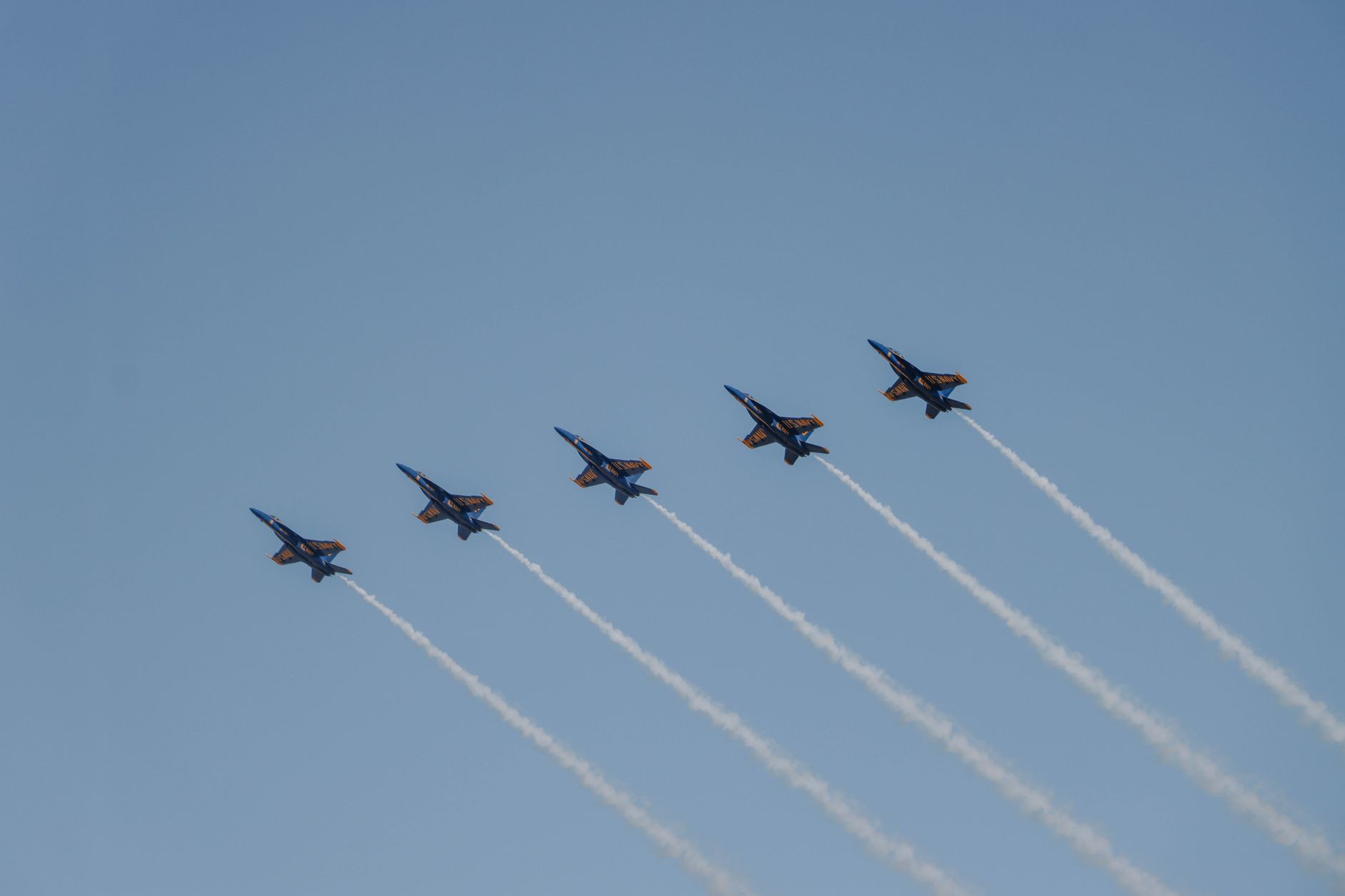
The thrilling answer to How many Blue Angels fly together? is that the demonstration team performs most of their maneuvers with six aircraft, creating a stunning aerial display of precision and skill.

Introduction: The Blue Angels – Icons of Aerial Excellence
The Blue Angels, officially known as the United States Navy Flight Demonstration Squadron, are a symbol of American naval aviation prowess and precision flying. Established in 1946, they have been showcasing the skills and professionalism of the Navy and Marine Corps for over seven decades. Their dazzling aerial displays captivate audiences worldwide, and the question of How many Blue Angels fly together? is a common one for those witnessing their breathtaking performances. Beyond the aerobatics, they serve as ambassadors, representing the dedication and discipline of those serving in the US Navy and Marine Corps.
The Core Formation: Six Aircraft in Action

The majority of the Blue Angels’ demonstration is performed with six F/A-18 Super Hornets. These aircraft are meticulously maintained and flown by highly skilled pilots who have undergone rigorous training. While the team consists of more than six pilots (including a commanding officer and support pilots), the aerial displays primarily feature the six designated demonstration pilots. So, when we ask “How many Blue Angels fly together?,” the answer is overwhelmingly six for the main show.
Roles and Responsibilities within the Team
The six aircraft are typically divided into two distinct formations:
-
Diamond Formation (Aircraft 1-4): This formation showcases precision formation flying, with the aircraft maintaining incredibly tight proximity while performing various maneuvers. Aircraft 1, the lead aircraft, is flown by the team’s commanding officer.
-
Lead Solo (Aircraft 5): The lead solo pilot performs high-speed passes, slow rolls, and other maneuvers that highlight the aircraft’s capabilities.
-
Opposing Solo (Aircraft 6): The opposing solo pilot often performs maneuvers opposite to the lead solo, creating a dynamic and visually stunning display of speed and agility. The opposing solo provides a thrilling counterpoint to the lead solo’s performance.


The Evolution of the Blue Angels’ Formation
Throughout their history, the number of aircraft in the Blue Angels’ formation has varied. Originally, they flew with three aircraft, then increased to five, and eventually settled on the current six-aircraft formation. This evolution reflects the changing capabilities of aircraft and the team’s desire to push the boundaries of aerial demonstration. Understanding this evolution provides context to the question of How many Blue Angels fly together? today, and why that number has become so iconic.
Importance of Teamwork and Precision
The Blue Angels’ performances are a testament to the importance of teamwork, precision, and discipline. The pilots undergo extensive training to ensure they can maintain their positions in formation while executing complex maneuvers at high speeds. The margin for error is incredibly small, and split-second decisions can be critical.
Beyond the Six: Support Aircraft and Personnel
While the aerial demonstration primarily features six aircraft, the Blue Angels team consists of a larger group of individuals who play crucial roles in ensuring the team’s success. This includes maintenance personnel, support pilots, public affairs officers, and many others. These individuals are essential to the team’s operations and contribute to the overall performance. While not directly answering How many Blue Angels fly together?, this context demonstrates the scale of the team effort.
The C-130J Fat Albert: A Supporting Role
The Blue Angels also utilize a C-130J Super Hercules, nicknamed “Fat Albert,” to transport personnel, equipment, and spare parts to air show locations. While Fat Albert does not participate in the aerobatic displays alongside the six Super Hornets, it often performs a demonstration of its own, showcasing its impressive capabilities.
Safety Considerations and Training
Safety is paramount in all Blue Angels operations. The pilots undergo rigorous training to ensure they can safely execute their maneuvers. The team also adheres to strict safety protocols and constantly reviews their procedures to identify and mitigate potential risks.
Air Show Season and Locations
The Blue Angels typically perform at air shows across the United States and occasionally in other countries. Their air show season usually runs from March to November, providing opportunities for millions of people to witness their incredible displays of aerial skill.
Frequently Asked Questions (FAQs)
What type of aircraft do the Blue Angels currently fly?
The Blue Angels currently fly the F/A-18 Super Hornet, a high-performance fighter jet capable of exceeding Mach 1.8. This advanced aircraft allows them to perform a wide range of maneuvers with precision and power.
How do the Blue Angels choose their pilots?
Blue Angels pilots are selected based on their exceptional flying skills, leadership qualities, and commitment to teamwork. They must be active-duty Navy or Marine Corps officers and have extensive experience flying tactical aircraft.
How long do Blue Angels pilots typically serve on the team?
Blue Angels pilots typically serve a two-year tour with the team, allowing them to gain valuable experience and contribute to the team’s legacy. This rotating roster ensures fresh perspectives and maintains a high level of performance.
Where do the Blue Angels practice?
The Blue Angels practice at their home base, Naval Air Station Pensacola, Florida, as well as at various airfields throughout the United States. These practice sessions allow them to refine their maneuvers and maintain their proficiency.
What is the fastest speed the Blue Angels reach during their demonstrations?
The Blue Angels can reach speeds of up to 700 mph during certain maneuvers, showcasing the sheer power and agility of their aircraft.
How close do the Blue Angels fly to each other in formation?
During some maneuvers, the Blue Angels fly as close as 18 inches apart, requiring absolute precision and trust in their fellow pilots.
What happens if a Blue Angels pilot makes a mistake during a performance?
Blue Angels pilots are trained to handle a variety of contingencies, and they have procedures in place to address potential errors. Safety is always the top priority, and the team is prepared to abort a maneuver if necessary.
How many air shows do the Blue Angels typically perform each year?
The Blue Angels typically perform at around 60 air shows each year, reaching millions of spectators across the country. Their performances serve as a powerful showcase of naval aviation.
How can I find out when the Blue Angels will be performing near me?
You can find the Blue Angels’ air show schedule on their official website or through other aviation event websites. Planning ahead is essential to secure a good viewing spot.
Is it possible to get a ride in a Blue Angels aircraft?
Unfortunately, rides in Blue Angels aircraft are generally not available to the public. These aircraft are reserved for demonstration pilots and other authorized personnel.
What is the significance of the Blue Angels’ blue and gold colors?
The Blue Angels’ blue and gold colors are the official colors of the United States Navy, representing patriotism and tradition.
Do the Blue Angels only perform in the United States?
While the majority of the Blue Angels’ performances take place in the United States, they have occasionally performed in other countries as well, serving as ambassadors of American naval aviation.