
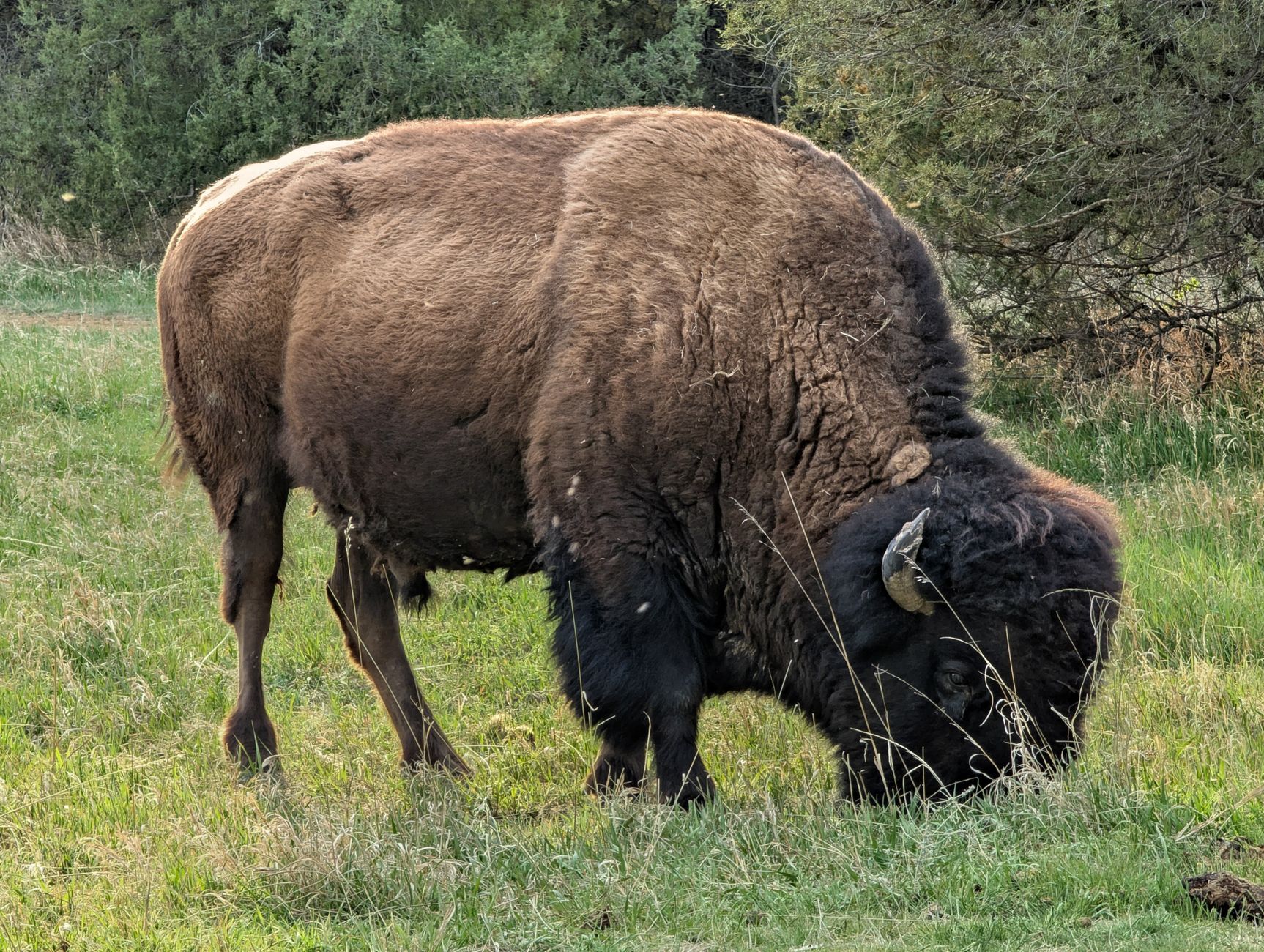
How Long is a Female Bison Pregnant? The Gestation Period Demystified
A female bison, also known as a bison cow, is typically pregnant for around 9 to 9.5 months. This gestation period is crucial for the successful birth of a healthy bison calf, and understanding it is essential for bison conservation and management.

Understanding Bison Gestation: A Comprehensive Overview
Bison, majestic symbols of the American West, face numerous challenges, including habitat loss and genetic diversity concerns. A key factor in their successful propagation and conservation lies in understanding their reproductive cycle, especially the gestation period of the female bison. This article delves into the details of bison pregnancy, exploring its timeline, influencing factors, and common misconceptions.
Background: The Bison Life Cycle
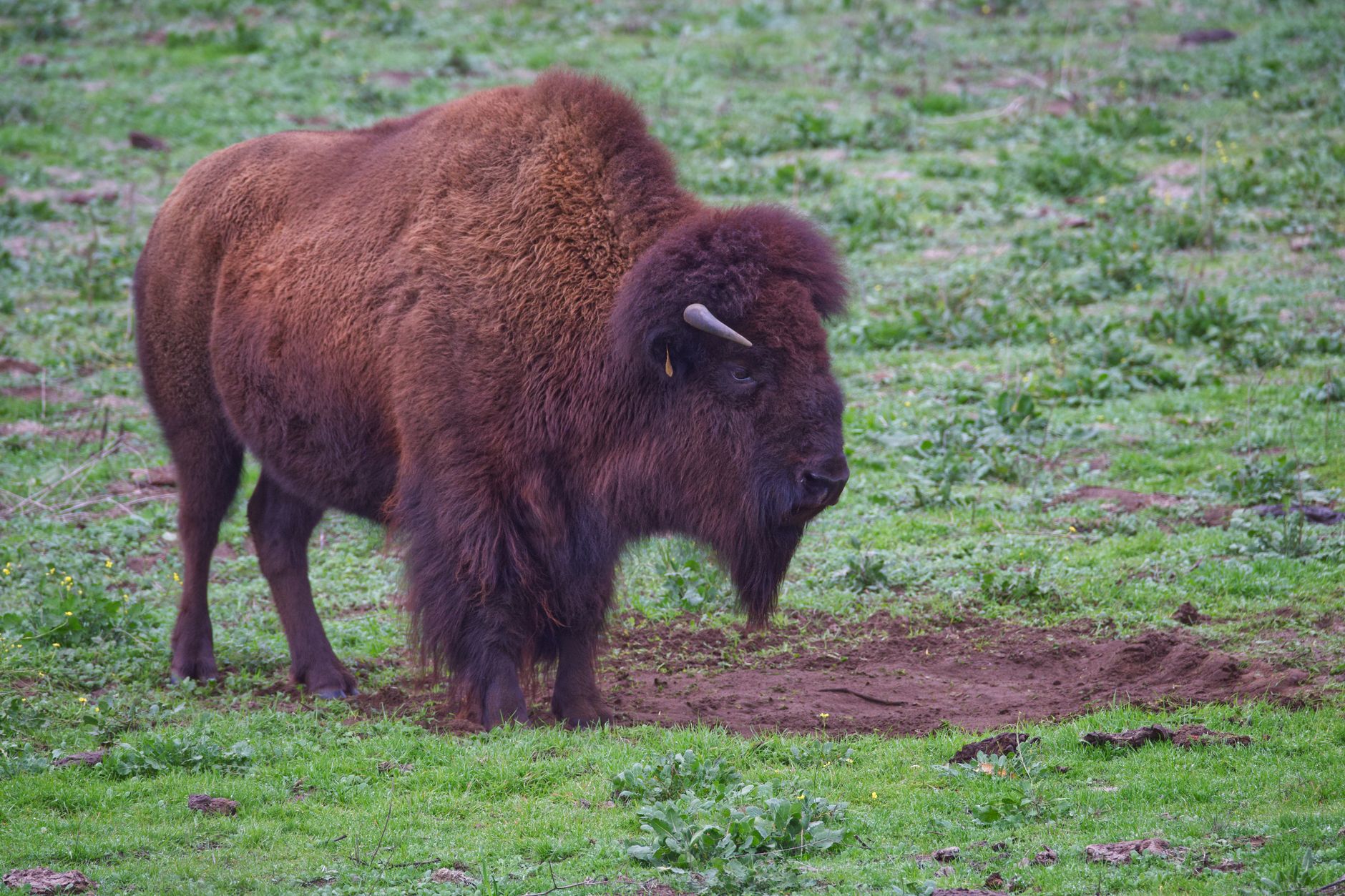
The bison’s life cycle begins with conception during the rutting season, which typically occurs in late summer and early fall. Male bison, known as bulls, compete for mating rights, establishing dominance through displays of strength and aggression. Once a female conceives, her body undergoes significant hormonal and physiological changes to support the developing calf.
The Gestation Period: A Timeline
How long is a female bison pregnant? The gestation period, the time between conception and birth, is approximately 270 to 285 days, or roughly 9 to 9.5 months. This period is relatively consistent across bison populations. Understanding this timeline allows ranchers and conservationists to plan for calving season and manage resources effectively.
Factors Influencing Gestation Length
While the average gestation period remains relatively stable, several factors can influence its exact duration:
- Nutrition: A cow bison with access to adequate nutrition, especially during the late stages of pregnancy, tends to have healthier calves and potentially slightly shorter gestation periods. Malnutrition can prolong gestation and lead to weaker calves.
- Age: Younger cows, particularly first-time mothers, might experience slightly longer gestation periods compared to older, more experienced cows.
- Genetics: Individual genetic variations within a bison herd can also play a role in determining the length of pregnancy.
- Environmental Stress: Exposure to extreme weather conditions or other environmental stressors can potentially impact the gestation period, though this effect is less pronounced than nutritional factors.
Preparing for Calving Season
Understanding the gestation period is vital for preparing for calving season. Ranchers and conservationists use this knowledge to:
- Provide optimal nutrition: Ensuring pregnant bison have access to nutrient-rich forage or supplemental feed during the late stages of pregnancy.
- Provide a safe environment: Protecting calving areas from predators and harsh weather conditions.
- Monitor bison cows: Observing bison for signs of labor and being prepared to assist if necessary (although intervention is generally avoided to minimize stress on the animals).
Identifying Signs of Pregnancy
While ultrasound technology can confirm pregnancy in bison, it is not typically used in large-scale operations. Instead, ranchers and conservationists rely on observing behavioral and physical signs, including:
- Cessation of estrous cycles: The absence of regular breeding behavior is a strong indicator of pregnancy.
- Increased body weight: Pregnant bison gradually gain weight as the calf develops.
- Udder development: The udder begins to enlarge in the weeks leading up to calving.
- Behavioral changes: Pregnant bison may become more reclusive and protective of their space.
Birth and Calf Care
Calving season typically occurs in the spring. Bison cows usually give birth to a single calf. The calf is precocial, meaning it is relatively well-developed at birth and can stand and nurse shortly after being born. The cow provides milk and protection to the calf for several months, teaching it essential survival skills.
The Role of Gestation in Bison Conservation
The bison’s gestation period plays a vital role in the overall health and stability of bison populations. Understanding and managing this aspect of their reproductive cycle is crucial for ensuring the long-term survival of this iconic species.
Comparison with Other Bovids
To provide context, here’s a comparison of gestation periods for related bovids:
| Animal | Gestation Period (Approximate) |
|---|---|
| Bison | 9-9.5 months |
| Domestic Cattle | 9 months |
| Water Buffalo | 10-11 months |
| American Elk | 8.5 months |
The Importance of Research
Ongoing research into bison reproduction, including studies on gestation, is essential for developing effective conservation strategies. This research can help us better understand the factors that influence reproductive success and implement management practices that support healthy bison populations.
Addressing Common Misconceptions
It’s a common misconception that all bison pregnancies are identical in length. While the average gestation period is 9 to 9.5 months, individual variations do occur. Another misconception is that bison are difficult to breed. While they require specific management practices, they are generally fertile and can reproduce successfully under favorable conditions.
Contributing to Bison Conservation
Supporting bison conservation efforts is crucial for ensuring the future of this magnificent animal. This can be done through:
- Donating to conservation organizations: Supporting groups dedicated to bison research and habitat restoration.
- Visiting bison reserves and parks: Supporting eco-tourism that promotes bison conservation.
- Educating others: Raising awareness about the importance of bison conservation.

Frequently Asked Questions (FAQs)
How common are twins in bison births?
Twinning in bison is exceedingly rare. While it can occur, it’s not a common phenomenon. The vast majority of bison births result in a single calf, emphasizing the importance of each pregnancy for population growth.
What happens if a bison cow has trouble giving birth?
Dystocia, or difficult birth, can occur in bison, although it is relatively rare, especially in wild populations where natural selection favors efficient reproduction. Ranchers will sometimes assist cows experiencing difficulties, but intervention is typically avoided in wild populations to maintain natural processes.
At what age do female bison typically begin to breed?
Female bison typically reach sexual maturity and begin breeding around 2 to 3 years of age. However, first-time mothers may experience slightly longer gestation periods or smaller calves compared to older cows.
What is the average lifespan of a bison?
Bison in the wild typically live for 12 to 20 years, while those in captivity can live even longer, sometimes exceeding 25 years. This lifespan allows for multiple reproductive cycles and contributes to the overall health of the bison population.
How can ranchers optimize bison breeding success?
Ranchers can optimize bison breeding success by ensuring adequate nutrition, providing a safe and stress-free environment, and carefully managing bull-to-cow ratios within the herd. Regular monitoring of herd health is also crucial.
Do environmental factors other than nutrition affect bison gestation?
While nutrition is a primary factor, extreme weather conditions and other environmental stressors can potentially influence bison gestation, leading to premature births or weaker calves in severe cases. Providing shelter during harsh weather is important.
How are bison calves typically cared for after birth?
Bison calves are highly dependent on their mothers for the first several months of life. The cow provides milk, protection, and teaches the calf essential survival skills, such as foraging and predator avoidance.
What is the weaning process like for bison calves?
Bison calves typically begin to graze on grass alongside their mothers at a few weeks of age, but they continue to nurse for several months. Weaning usually occurs naturally around 6 to 8 months of age, as the calf becomes increasingly independent.
Is there a specific season for bison calving?
Yes, bison calving season typically occurs in the spring, usually from April to June. This timing ensures that calves are born during a period of abundant food resources and relatively mild weather, maximizing their chances of survival.
How does the gestation period of bison compare to that of other wild ruminants in North America?
The gestation period of bison is similar to that of elk but generally shorter than that of moose. Each species has evolved a gestation period suited to its specific environmental conditions and reproductive strategies.
What are the common diseases that can affect pregnant bison?
Several diseases can affect pregnant bison, including brucellosis and bovine viral diarrhea (BVD). These diseases can lead to abortions or the birth of weak calves. Vaccination and regular herd health monitoring are important for preventing disease outbreaks.
How do climate change and habitat fragmentation affect bison reproduction?
Climate change and habitat fragmentation pose significant threats to bison reproduction. Changes in forage availability, increased stress due to habitat loss, and altered weather patterns can all negatively impact the gestation period, calf survival rates, and overall reproductive success. Addressing these challenges is essential for the long-term conservation of bison.