

How Long Does It Take for Metacam to Leave a Cat’s System? The Definitive Guide
Metacam’s duration in a cat’s system is crucial for responsible medication. Generally, Metacam stays detectable in a cat’s system for approximately 48-72 hours, but this can vary based on individual factors.
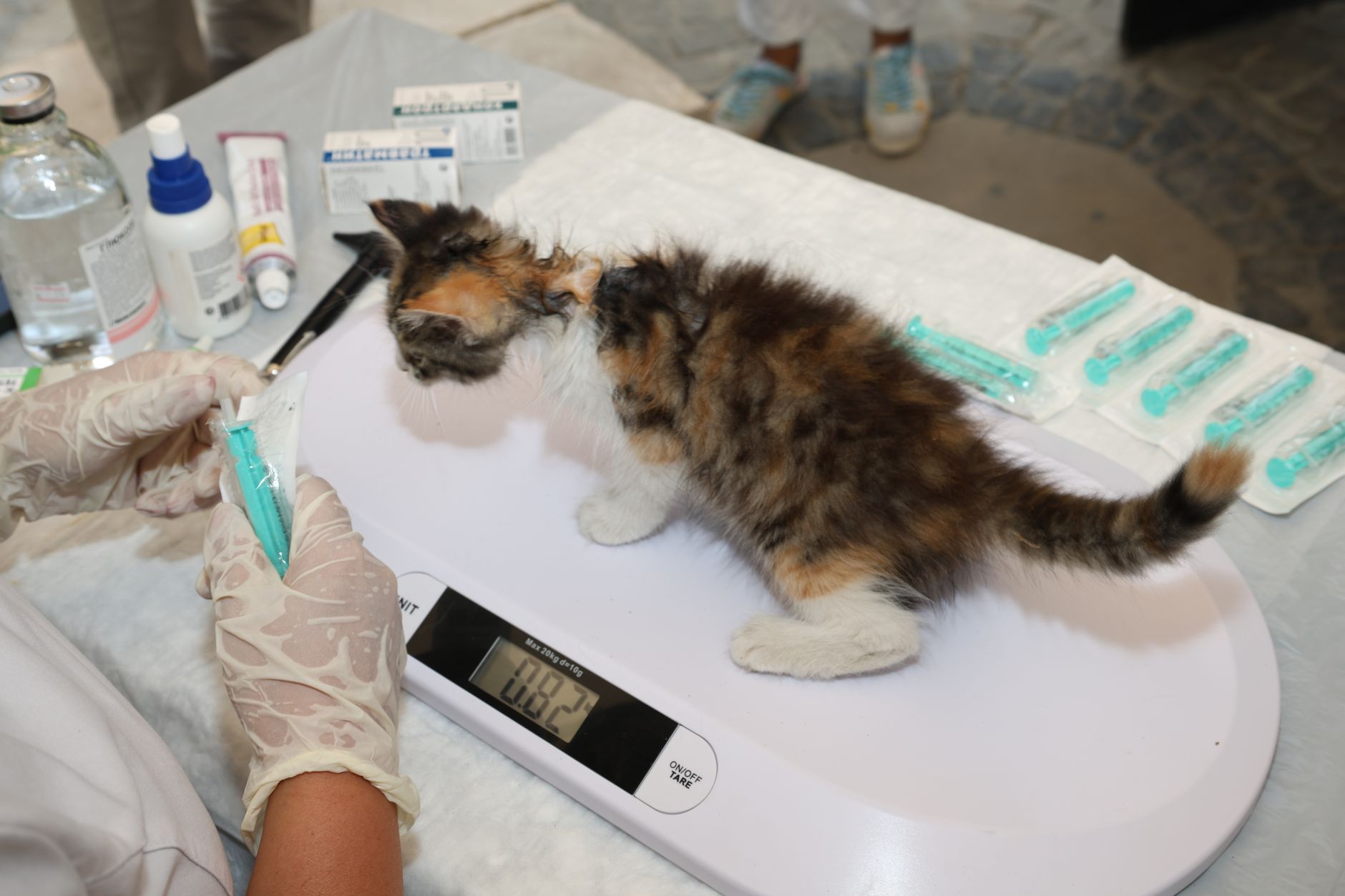
Introduction: Understanding Metacam in Cats
Metacam (meloxicam) is a commonly prescribed non-steroidal anti-inflammatory drug (NSAID) used in veterinary medicine to manage pain and inflammation in cats. It’s frequently used to treat conditions like osteoarthritis, post-surgical pain, and other inflammatory issues. However, because cats are particularly sensitive to the effects of NSAIDs, understanding how long Metacam remains in their system is paramount to avoiding potentially serious side effects. Safe and effective use requires careful monitoring and adherence to veterinarian instructions. Improper use can lead to severe organ damage, particularly to the kidneys. This article provides a comprehensive overview, including factors influencing Metacam elimination and answering frequently asked questions.
How Metacam Works
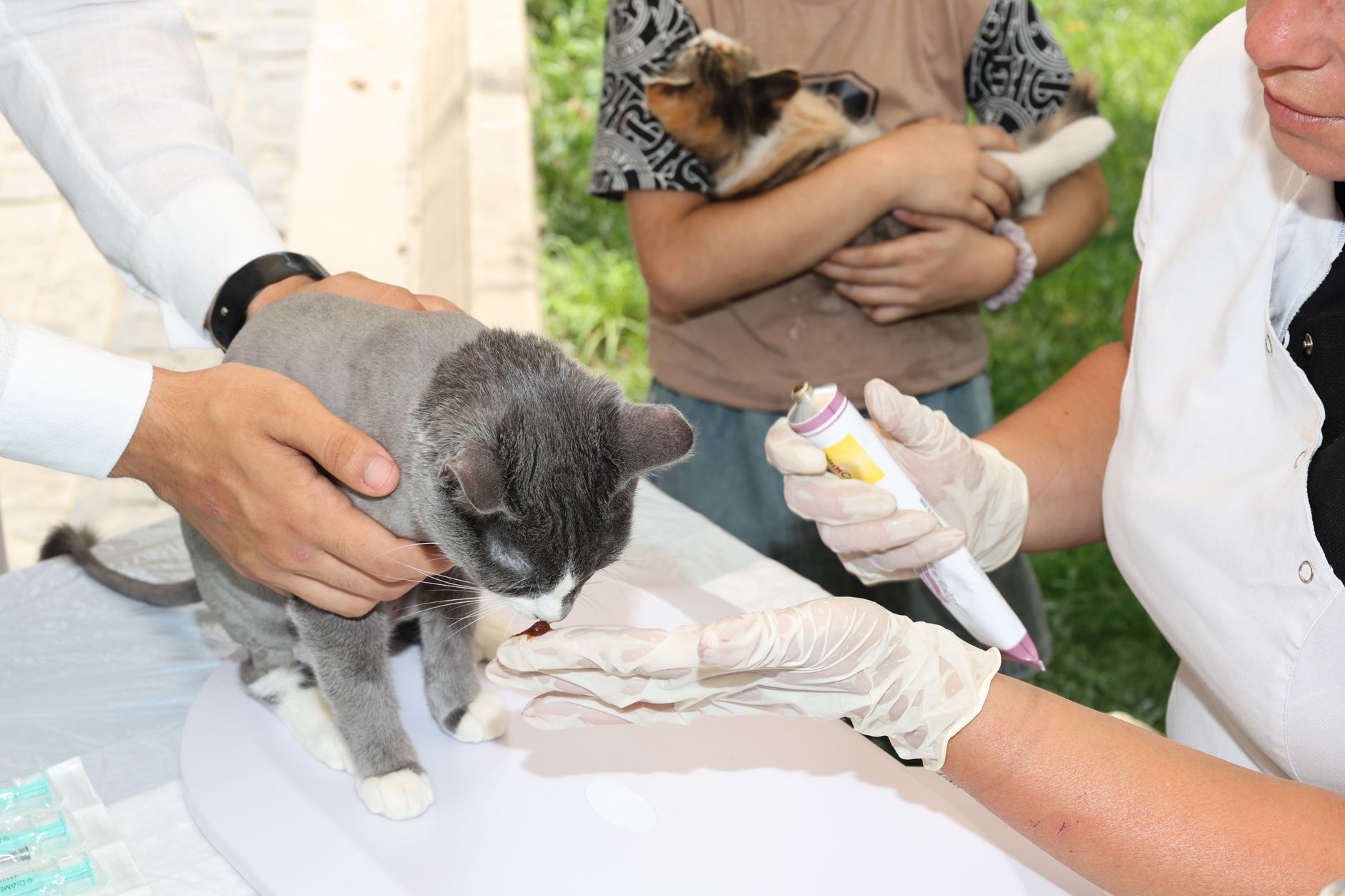
Metacam works by inhibiting the production of prostaglandins, which are chemicals that contribute to inflammation and pain. By blocking these prostaglandins, Metacam helps to reduce pain, swelling, and fever. It is a selective COX-2 inhibitor, meaning it preferentially targets the COX-2 enzyme responsible for inflammation while having less impact on the COX-1 enzyme, which plays a protective role in the stomach and kidneys. However, even with this selectivity, some COX-1 inhibition can still occur, increasing the risk of side effects.
Factors Affecting Metacam Elimination
Several factors influence how long it takes for Metacam to leave a cats system:
- Dosage: Higher doses will naturally take longer to clear than lower doses.
- Individual Metabolism: Each cat metabolizes drugs at a different rate, influenced by genetics, age, and overall health.
- Kidney Function: Because Metacam is primarily eliminated through the kidneys, cats with impaired kidney function will eliminate the drug more slowly, potentially increasing the risk of adverse effects.
- Liver Function: The liver also plays a role in metabolizing Metacam, so liver disease can slow elimination.
- Age: Older cats often have reduced organ function, which can impact drug metabolism and excretion.
- Concurrent Medications: Some medications can interact with Metacam and affect its elimination rate.
Metacam’s Half-Life
The half-life of a drug is the time it takes for half of the drug’s concentration to be eliminated from the body. While the reported half-life for Metacam in cats varies slightly between studies, a generally accepted range is around 15-24 hours. This means that after 15-24 hours, half of the Metacam dose will have been eliminated. It typically takes 4-5 half-lives for a drug to be considered effectively eliminated from the body. Therefore, how long does it take for Metacam to leave a cats system? It’s generally around 48-72 hours. This is a guideline and monitoring the animal is extremely important.
Signs of Metacam Overdose
Recognizing the signs of Metacam overdose is crucial for timely intervention. Common symptoms include:
- Loss of appetite
- Vomiting
- Diarrhea (often black and tarry, indicating gastrointestinal bleeding)
- Lethargy and weakness
- Increased thirst and urination
- Jaundice (yellowing of the skin and eyes)
- Seizures (in severe cases)
If you observe any of these signs, stop administering Metacam immediately and contact your veterinarian.
Safe Administration Guidelines
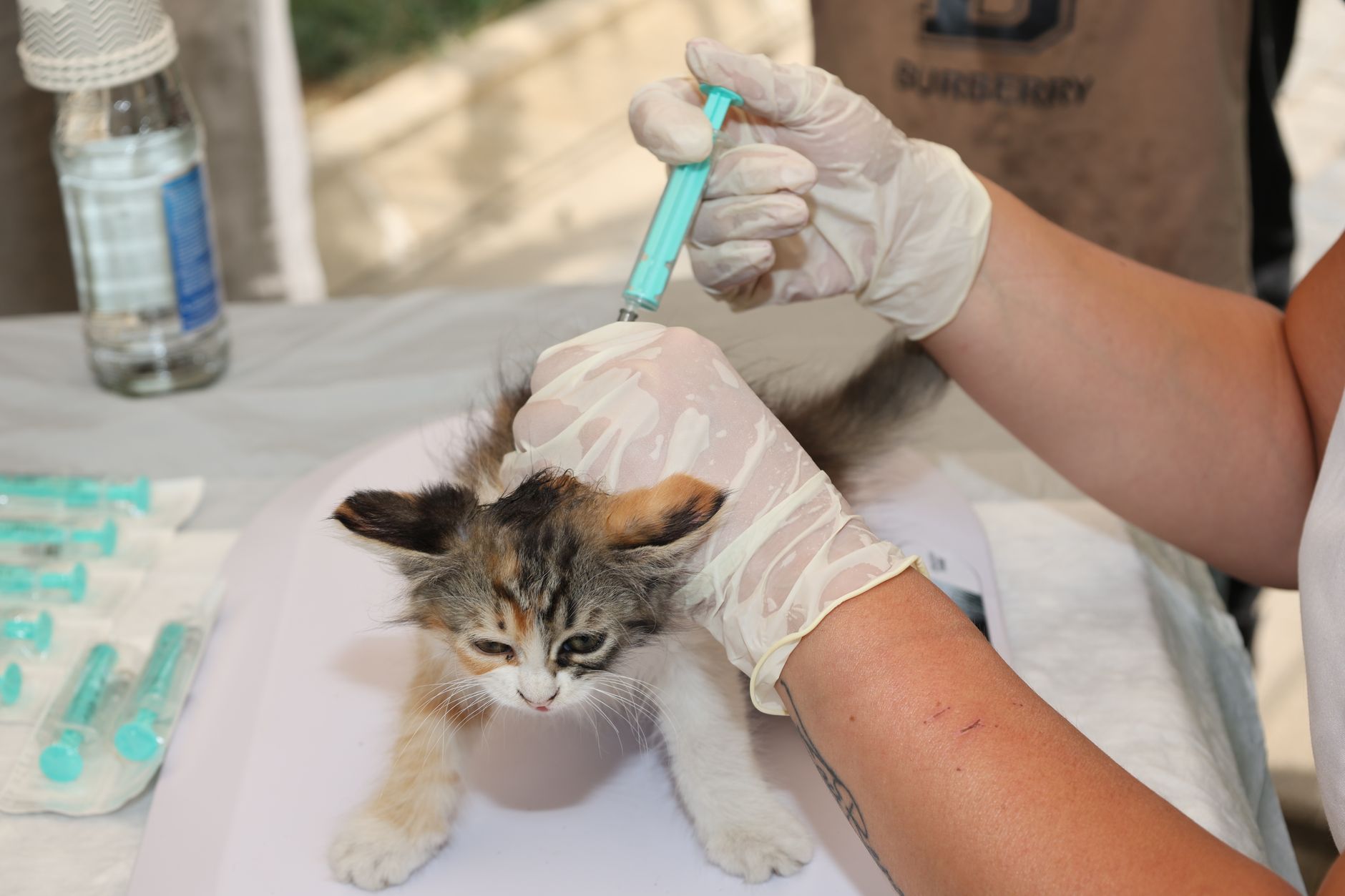
To ensure safe Metacam administration:
- Strictly adhere to the prescribed dosage and frequency as determined by your veterinarian. Never increase the dose without consulting them.
- Administer the medication with food to minimize the risk of gastrointestinal upset.
- Monitor your cat closely for any signs of adverse effects, such as vomiting, diarrhea, or loss of appetite.
- Ensure your cat has access to fresh water at all times. Dehydration can exacerbate kidney problems.
- Never administer Metacam to cats with known kidney or liver disease without explicit veterinary approval and careful monitoring.
- Avoid using other NSAIDs concurrently with Metacam, as this can increase the risk of serious side effects.
Frequently Asked Questions (FAQs)
How soon after giving Metacam will I see effects in my cat?
Metacam typically starts providing pain relief within 1-3 hours after administration. However, the full effects may not be apparent for up to 24 hours.
Can I give Metacam to my cat long-term?
Long-term use of Metacam should only be considered under strict veterinary supervision. Regular bloodwork to monitor kidney and liver function is essential to minimize the risk of adverse effects.
What should I do if I accidentally give my cat too much Metacam?
If you suspect an overdose, contact your veterinarian or an emergency veterinary clinic immediately. Provide them with information about the dosage given and the time of administration.
Is it safe to use human NSAIDs (like ibuprofen) for my cat’s pain?
No. Human NSAIDs are highly toxic to cats and can cause severe kidney damage, gastrointestinal ulcers, and even death. Never administer human medications to your cat without veterinary approval.
Can I split my cat’s Metacam dose to give it twice a day?
Splitting the dose is not recommended unless specifically instructed by your veterinarian. The formulation and dosing schedule are designed for once-daily administration.
How long does it take for Metacam to leave a cats system completely if they have kidney disease?
In cats with kidney disease, the elimination time can be significantly prolonged. It may take several days or even longer for Metacam to be completely cleared from their system. Close monitoring and dose adjustments by a veterinarian are crucial in these cases.
What are some alternative pain management options for cats besides Metacam?
Alternative options include buprenorphine, gabapentin, amytriptyline, and physical therapy. The best option depends on the cat’s specific condition and needs. Consult with your veterinarian to determine the most appropriate pain management strategy.
My cat vomited after receiving Metacam. Should I give them another dose?
Do not administer another dose without consulting your veterinarian. Vomiting could be a sign of an adverse reaction. Your veterinarian can advise on the best course of action.
Can I give Metacam to my pregnant or lactating cat?
Metacam is not recommended for use in pregnant or lactating cats, as its safety in these animals has not been established.
How is Metacam administered to cats?
Metacam is typically administered orally, either as a liquid or as a flavored chewable tablet. Follow your veterinarian’s instructions carefully regarding dosage and administration technique.
What blood tests are important when a cat is on long-term Metacam?
Kidney values (BUN, creatinine, SDMA) and liver values (ALT, AST) are essential. A complete blood count (CBC) can also help monitor for any signs of gastrointestinal bleeding or other adverse effects.
How long does it take for Metacam to leave a cat’s system if the dosage was much lower than prescribed?
Even with a lower dose, the elimination timeline remains generally within the 48-72 hour range. However, the reduced dosage may result in the drug being undetectable sooner. Despite this, the same precautions and awareness of potential side effects should be maintained.