
How Long Does It Take for a Dog to Adjust to New Food?
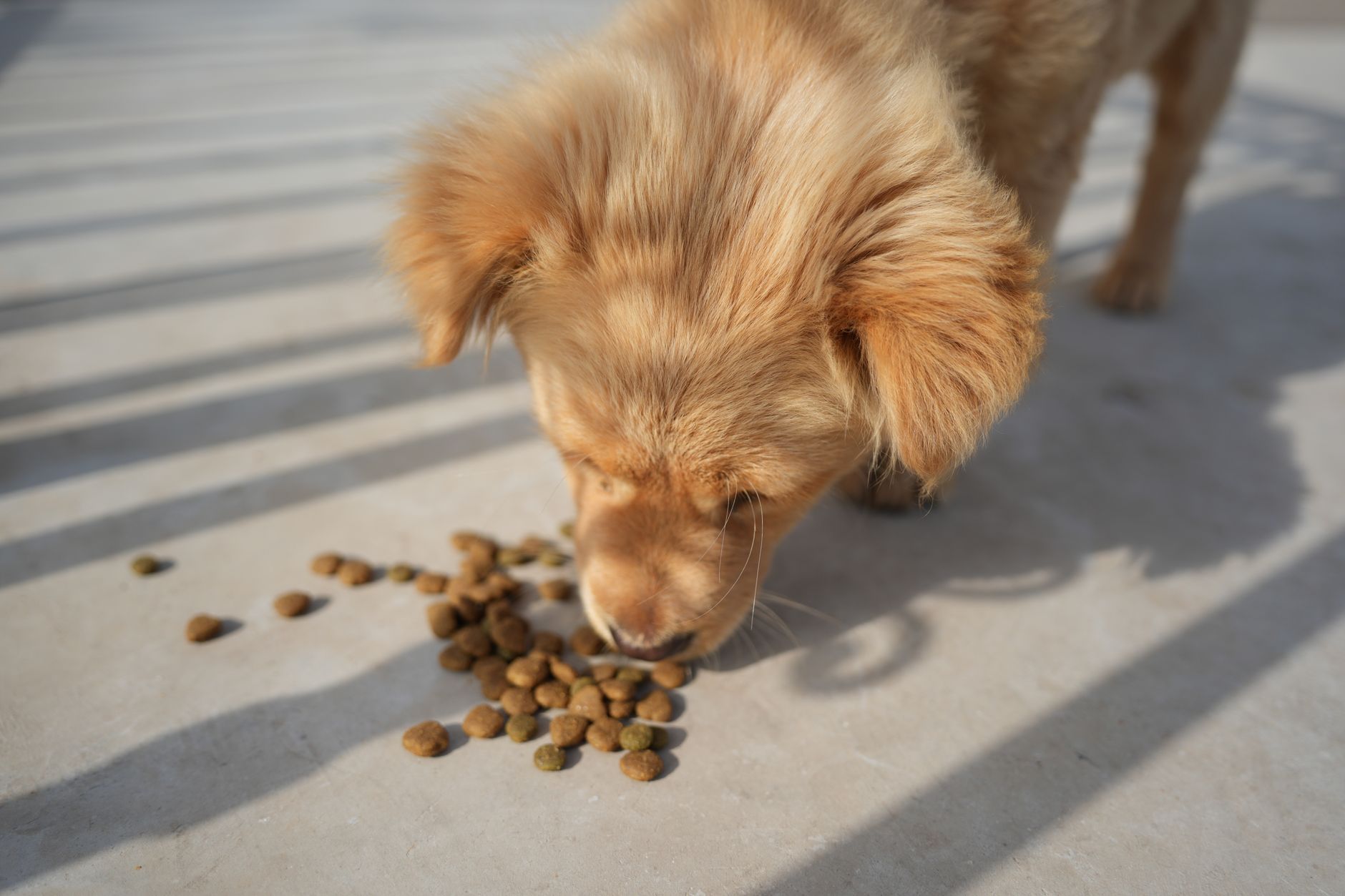
The time it takes for a dog to adjust to new food varies, but a gradual transition over 7-10 days is generally recommended to minimize digestive upset and ensure optimal acceptance of the new diet.
Understanding the Canine Digestive System
A dog’s digestive system is remarkably adaptable, but sudden changes can disrupt its delicate balance. Unlike humans, dogs have shorter digestive tracts, meaning food passes through them relatively quickly. This efficiency is great for processing their primarily meat-based diets, but it also means changes can have a swift impact, for better or worse. Introducing new food too rapidly doesn’t allow the gut bacteria to adjust, often leading to symptoms like vomiting, diarrhea, and gas.
Benefits of a Gradual Food Transition
Transitioning a dog to a new food slowly offers numerous advantages:
- Reduced Digestive Upset: Minimizes the risk of vomiting, diarrhea, gas, and loss of appetite.
- Gut Flora Adaptation: Allows the beneficial bacteria in the gut to adjust to the new food’s ingredients.
- Improved Nutrient Absorption: Enhances the body’s ability to absorb and utilize the nutrients in the new food.
- Easier Acceptance: Makes it more likely that your dog will readily accept and enjoy the new food.
The Recommended Transition Process
The most effective way to introduce new food is through a gradual mixing approach. Here’s a general guideline:
- Days 1-2: Mix 25% new food with 75% old food.
- Days 3-4: Mix 50% new food with 50% old food.
- Days 5-6: Mix 75% new food with 25% old food.
- Days 7-10: Gradually transition to 100% new food.
Table: Sample Food Transition Schedule
| Day(s) | New Food | Old Food |
|---|---|---|
| 1-2 | 25% | 75% |
| 3-4 | 50% | 50% |
| 5-6 | 75% | 25% |
| 7-10 | 100% | 0% |
Monitor your dog’s stools and overall well-being during the transition. If you notice any signs of digestive upset, slow down the process or consult with your veterinarian.
Common Mistakes and How to Avoid Them
- Sudden Food Changes: Abruptly switching foods is the most common mistake. Always transition gradually.
- Ignoring Warning Signs: Don’t ignore loose stools, vomiting, or loss of appetite. Slow down the transition or consult your vet.
- Mixing Too Much New Food Too Soon: Starting with a high percentage of new food can overwhelm the digestive system.
- Failing to Consider Allergies: Be aware of potential allergens in the new food. If your dog has a history of food sensitivities, choose a hypoallergenic option.
- Not Consulting a Veterinarian: If you have concerns or your dog has a sensitive stomach, seek professional advice.
How long does it take for a dog to adjust to new food if they have a sensitive stomach?
Dogs with sensitive stomachs may require an even slower transition period, potentially extending it to 10-14 days. Closely monitor their stools and behavior and reduce the amount of new food if any digestive issues arise. Consulting with a veterinarian is highly recommended in these cases.
What are the signs that my dog isn’t adjusting well to the new food?
Common signs of food intolerance or adjustment issues include vomiting, diarrhea, excessive gas, loss of appetite, skin irritation, and changes in stool consistency. Contact your veterinarian if symptoms persist or worsen.
Can I mix wet and dry food during the transition?
Yes, you can mix wet and dry food. Just ensure you’re following the gradual transition schedule and adjusting the proportions accordingly, based on calorie and nutritional needs.
What if my dog refuses to eat the new food?
If your dog is reluctant to eat, try moistening the food with warm water or adding a small amount of palatable topper (e.g., plain yogurt, low-sodium broth) to entice them. Never force-feed your dog.
Is it necessary to change my dog’s food if they seem healthy?
There is no universal necessity to change your dog’s food if they are thriving on their current diet. However, life stage changes (puppy to adult, adult to senior), or specific health conditions, might necessitate a dietary adjustment. Consult your vet for advice.
How often should I change my dog’s food?
Food changes are generally only necessary when addressing a specific health concern, nutritional deficiency, or life stage transition. Frequent, unnecessary food changes can disrupt the gut flora and cause digestive upset.
Can I transition my dog to a raw food diet?
Transitioning to a raw food diet requires careful planning and research. Consult with a veterinarian experienced in raw feeding to ensure the diet is balanced and safe, and follow their recommendations for a gradual transition.
What do I do if my dog has diarrhea during the transition?
If your dog develops diarrhea, reduce the amount of new food and increase the proportion of the old food. If the diarrhea persists for more than 24 hours, or if it is severe, consult your veterinarian.
Is it okay to give my dog treats during the transition period?
Yes, you can give your dog treats during the transition period, but opt for treats that are similar in ingredients to their old food or hypoallergenic options. Avoid introducing new or unusual treats during this time.
What should I do if my dog vomits after eating the new food?
If your dog vomits after eating the new food, stop the transition immediately and revert back to their old diet. Consult your veterinarian to rule out any underlying health issues or food sensitivities.
How can I make the transition smoother for a picky eater?
For picky eaters, try gradually introducing the new food by hand-feeding small amounts or mixing it with a food they already enjoy. Patience and positive reinforcement are key.
How long does it take for a dog to adjust to new food completely, even after the initial transition period?
Even after the initial 7-10 day transition, it may take another few weeks for your dog’s gut microbiome to fully adapt and stabilize on the new diet. Continue to monitor their stools and overall health during this time.