
How Long Does it Take for a Cat to Give Birth After Her Water Breaks?
After a cat’s water breaks, labor should progress relatively quickly; typically, a cat should give birth within 24 hours, but more ideally within a few hours. If labor doesn’t progress within this timeframe, it signals a potential emergency requiring immediate veterinary attention.

Understanding Feline Labor: A Primer
The journey of pregnancy, or gestation, in cats typically lasts between 63 and 65 days. As the due date approaches, knowing the signs of impending labor and what to expect can help ensure a smooth and safe delivery for both the mother (queen) and her kittens. Labor is divided into three distinct stages. Recognizing these stages and knowing when to intervene is crucial for the health and well-being of your feline companion.
The Three Stages of Feline Labor

Feline labor is a complex process divided into distinct stages, each characterized by specific behaviors and physical changes. Understanding these stages helps you anticipate and respond appropriately during your cat’s delivery.
- Stage 1: Preparatory Stage: This initial stage can last anywhere from 12 to 36 hours. During this time, the queen may exhibit restlessness, nesting behavior (searching for a suitable birthing location), panting, and decreased appetite. Contractions begin, but they are often mild and infrequent, and may not be readily noticeable. The cervix starts to dilate.
- Stage 2: Active Labor and Delivery: This stage begins when the queen starts actively straining and pushing. This is when how long does it take for a cat to give birth after her water breaks becomes a critical question. Contractions become stronger and more frequent. Amniotic fluid (the “water”) is released. The kittens are delivered one at a time, usually within 30 minutes to an hour of active straining. There can be intervals of rest between deliveries, lasting anywhere from 15 minutes to several hours.
- Stage 3: Placental Expulsion: After each kitten is delivered, the placenta (afterbirth) is expelled. It’s normal for the queen to eat the placentas, as they contain hormones that can stimulate milk production and provide nutrients.
Recognizing When Your Cat’s Water Breaks
The rupture of the amniotic sac, commonly referred to as the “water breaking,” is a key indicator that active labor has begun, specifically marking the transition into Stage 2. It’s important to note that you might not always see the water breaking. The amount of fluid released can be minimal, and the queen may quickly clean it up herself. Look for these signs:
- A sudden wetness or dampness in the nesting area.
- Increased straining and pushing, indicating that the cat is experiencing stronger contractions.
- A clear or slightly pinkish fluid discharge.
The Critical Timeframe: What to Expect After the Water Breaks
How long does it take for a cat to give birth after her water breaks? As stated previously, after a cat’s water breaks, the delivery of the first kitten should occur relatively quickly. The general guideline is within 12 to 24 hours, but ideally, the first kitten should arrive sooner. If more than 24 hours pass without the delivery of a kitten after the water breaks, it is considered an emergency and requires immediate veterinary intervention. The delay could indicate dystocia (difficult labor) or other complications that require assistance.
Potential Complications and When to Seek Veterinary Help
While most feline births are uneventful, complications can arise. Knowing when to intervene and seek veterinary assistance is crucial.
- Prolonged Labor: If the queen is actively straining for more than 30-60 minutes without producing a kitten, veterinary intervention is necessary.
- Weak or Infrequent Contractions: If contractions are weak or infrequent despite active labor, it could indicate uterine inertia.
- Visible Part of a Kitten Stuck in the Birth Canal: This is a clear sign of dystocia and requires immediate veterinary assistance.
- Excessive Bleeding: Excessive bleeding from the vulva during labor is abnormal and requires immediate veterinary attention.
- Signs of Distress in the Queen: If the queen appears weak, lethargic, or exhibits signs of pain (e.g., crying, whimpering), seek veterinary care immediately.
- Retained Placenta: If all the placentas are not passed after the kittens are born, it can lead to infection.
Preparing for Your Cat’s Labor: A Checklist
Being prepared can help you manage the birthing process effectively and minimize stress for your cat.
- Prepare a Safe and Comfortable Nesting Area: Provide a quiet, warm, and draft-free area lined with soft bedding.
- Gather Essential Supplies: Have clean towels, scissors (sterilized), dental floss or string (for tying off umbilical cords if necessary), and a heating pad (set on low) readily available.
- Know Your Veterinarian’s Contact Information: Keep your veterinarian’s phone number and emergency contact information easily accessible.
- Observe Your Cat Closely: Monitor your cat’s behavior and physical changes as she approaches her due date.
- Avoid Unnecessary Interference: Allow the cat to manage the birthing process on her own unless intervention is necessary.
Caring for Newborn Kittens
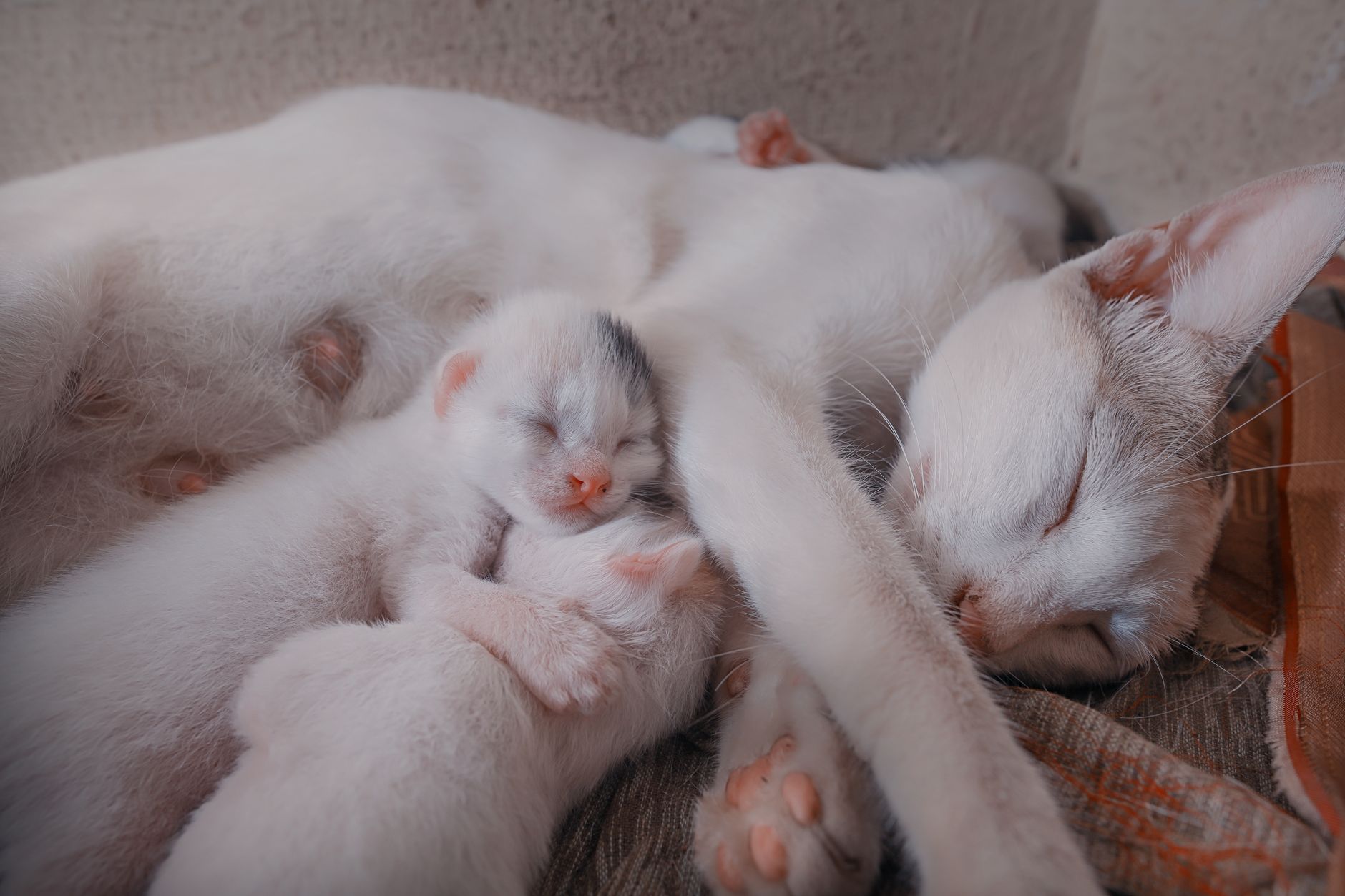
Once the kittens are born, the queen will typically take care of them, cleaning and feeding them. However, there are things you can do to help ensure their well-being.
- Ensure the Kittens are Nursing: Observe the kittens to ensure they are nursing properly. If a kitten is not nursing, gently guide it to the nipple.
- Maintain a Warm Environment: Newborn kittens cannot regulate their body temperature, so it is important to keep them warm.
- Monitor for Problems: Watch for signs of illness, such as lethargy, failure to nurse, or difficulty breathing.
Common Mistakes to Avoid During Feline Labor
It is very easy to accidentally stress the mother out or increase the risk of problems during the delivery.
- Over-Interference: Resist the urge to constantly check on the queen. Too much interference can disrupt the birthing process.
- Inadequate Nesting Area: Ensure the nesting area is safe, comfortable, and provides privacy.
- Failure to Recognize Warning Signs: Be aware of the signs of dystocia and other complications.
- Neglecting Post-Partum Care: Provide adequate food and water for the queen after giving birth.

Frequently Asked Questions (FAQs)
Here are some frequently asked questions to further elaborate on the topic of feline birth and specifically how long does it take for a cat to give birth after her water breaks.
What happens if my cat’s water breaks, but she doesn’t go into active labor?
If your cat’s water breaks, but she doesn’t exhibit active labor (strong, frequent contractions) within 12-24 hours, it is crucial to consult your veterinarian immediately. This could indicate a complication that needs veterinary intervention.
Can a cat’s water break and then labor stall?
Yes, it’s possible for a cat’s labor to stall after her water breaks. Uterine inertia (weak or absent contractions) can occur, preventing the kittens from being expelled. This is more common in older queens or those with large litters. Veterinary intervention is often necessary, potentially including medication to stimulate contractions or a cesarean section.
How much fluid is released when a cat’s water breaks?
The amount of fluid released when a cat’s water breaks can vary. Sometimes, it’s a noticeable gush, while other times, it’s just a small amount that the queen quickly cleans up. Don’t rely solely on the amount of fluid to determine if her water has broken; look for other signs of labor as well.
Is it normal for a cat to eat the placentas?
Yes, it is perfectly normal, and even beneficial, for a cat to eat the placentas after delivering each kitten. Placentas contain hormones and nutrients that can help stimulate milk production and aid in uterine contractions, helping to shrink the uterus back to its normal size.
What if my cat has green discharge after her water breaks?
Green discharge after a cat’s water breaks is often a sign of placental separation or fetal distress, known as meconium staining. It signifies that the kitten may have passed waste while still in the uterus. This is a serious sign and necessitates immediate veterinary care.
My cat is panting heavily. Is this normal during labor?
Panting is common during the later stages of the first stage of labor and during active labor. It’s a result of the physical exertion and the rising body temperature. However, excessive panting or signs of distress alongside panting should be evaluated by a vet.
How long can the rest periods between kitten deliveries last?
The interval between kitten deliveries can vary significantly. It can range from a few minutes to several hours. A rest period of up to 1-2 hours is generally considered normal, but it’s important to monitor the queen for signs of distress or prolonged straining. If she is actively straining for more than 30-60 minutes without delivering a kitten, it’s time to seek veterinary help.
What should I do if a kitten is born in the sac?
Sometimes, a kitten is born still enclosed in the amniotic sac. If the mother doesn’t immediately tear the sac open, you must do so quickly, as the kitten will suffocate if it cannot breathe. Use clean fingers or scissors to carefully tear the sac away from the kitten’s face, and then gently rub the kitten to stimulate breathing.
My cat is a first-time mother. Are there special considerations?
First-time mothers (primiparous queens) may be more anxious or uncertain during labor. They may require more reassurance and monitoring. They are also potentially more prone to dystocia. Be extra vigilant in observing her progress and be prepared to seek veterinary assistance if needed.
How can I tell if a kitten is not doing well?
Signs that a kitten is not doing well include lethargy, failure to nurse, difficulty breathing, excessive crying, and a low body temperature. If you notice any of these signs, consult your veterinarian immediately.
What is uterine inertia?
Uterine inertia refers to the failure of the uterus to contract effectively during labor. This can be either primary (contractions never start) or secondary (contractions start but then stop). It can be caused by factors such as exhaustion, age, nutritional deficiencies, or a large litter size.
Is it okay to leave my cat alone during labor?
While it is important to avoid unnecessary interference, it is not recommended to leave your cat completely alone during labor, especially if you are asking how long does it take for a cat to give birth after her water breaks?. You should monitor her progress from a distance and be prepared to intervene if necessary. Check on her periodically to ensure she is progressing normally and not exhibiting any signs of distress.