

How Long Can You Leave Soaked Dry Cat Food Out?
Dry cat food soaked in water should not sit out for more than 30 minutes to 1 hour at room temperature. Leaving it longer than this dramatically increases the risk of bacterial growth and potential harm to your cat.
Introduction: The Wet Food Alternative
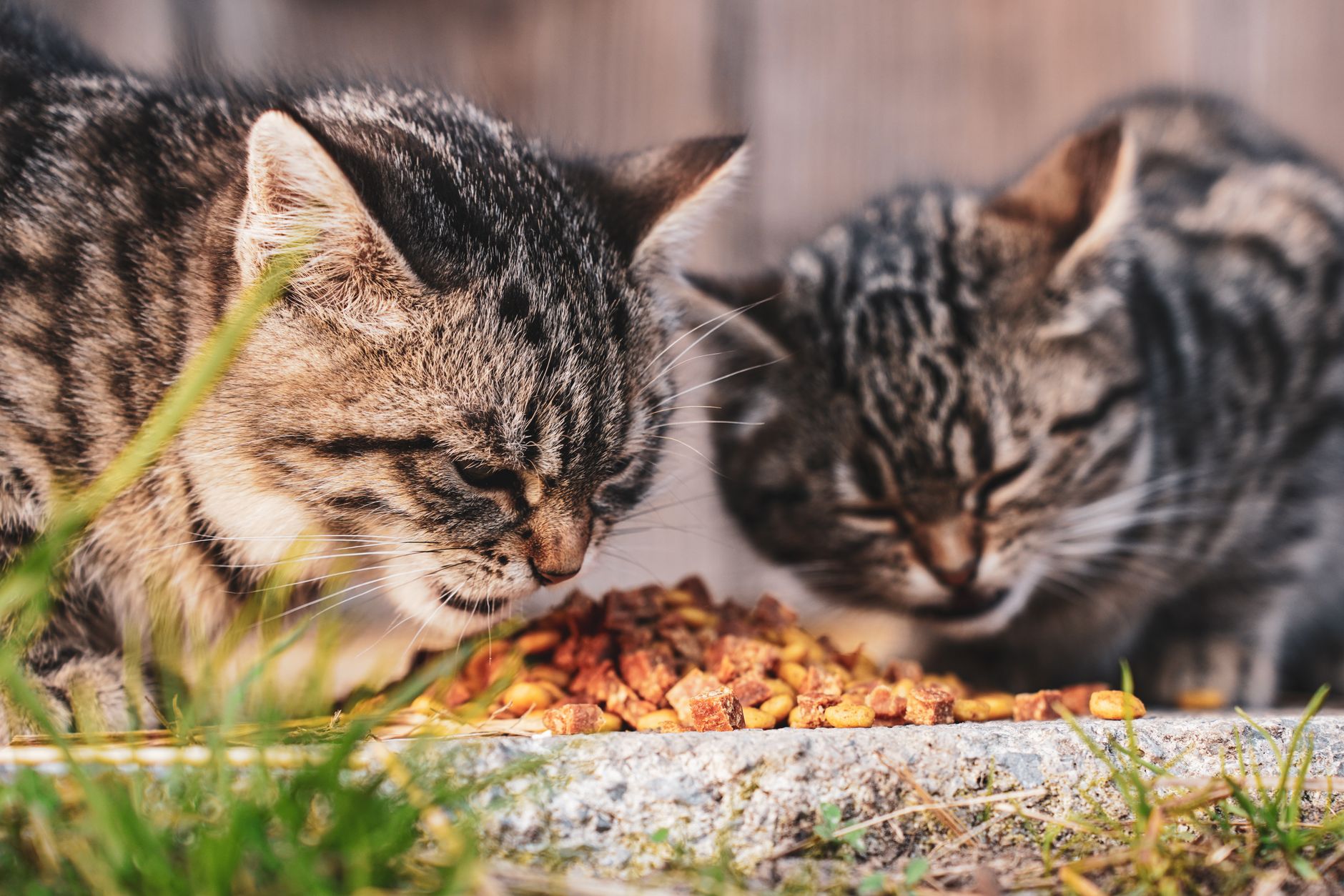
Many cat owners soak dry cat food in water to make it easier for kittens to eat, to improve hydration for cats with kidney issues, or to provide a softer texture for senior cats with dental problems. However, this practice transforms dry cat food from a shelf-stable product into a breeding ground for bacteria. Understanding the risks associated with how long dry cat food soaked in water can sit out is crucial for ensuring your feline companion’s health and safety. Unlike dry kibble, which has a low moisture content inhibiting bacterial growth, soaking it significantly alters its composition and makes it highly susceptible to spoilage.
The Science of Bacterial Growth
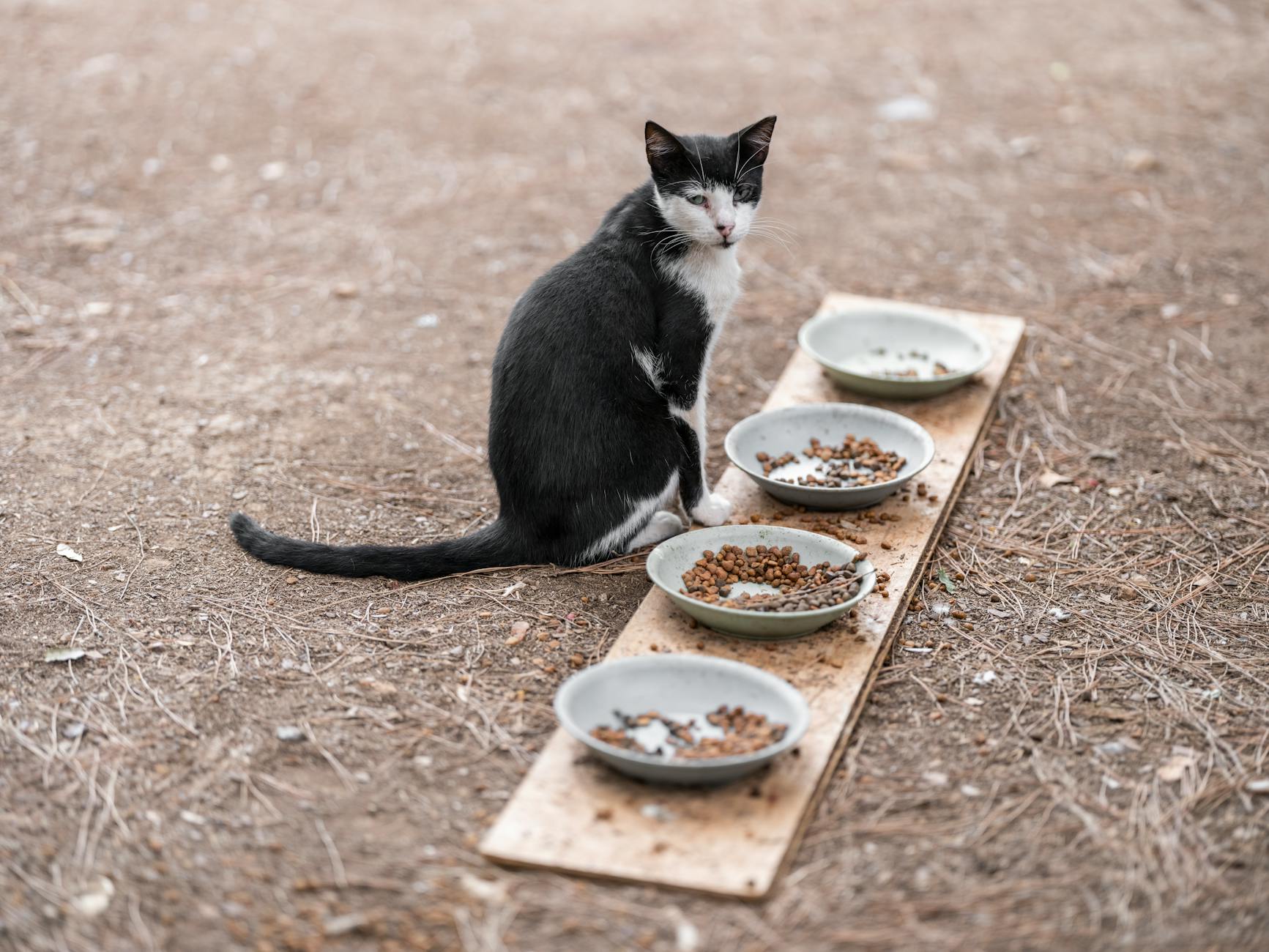
Bacteria thrive in moist environments at room temperature. Dry cat food, when dry, is relatively inhospitable to bacteria. However, once water is added, the food becomes an ideal environment for microorganisms to multiply rapidly. Common bacteria that can contaminate wet cat food include Salmonella, Listeria, and E. coli, all of which can cause severe gastrointestinal upset in cats. The warmer the environment, the faster bacteria proliferate. This is why refrigerating food significantly slows down bacterial growth, but it doesn’t eliminate it entirely.
Factors Influencing Spoilage Rate
Several factors influence how long dry cat food soaked in water can sit out before becoming unsafe:
- Ambient Temperature: Higher temperatures accelerate bacterial growth. On a warm day, the food will spoil much faster than on a cool day.
- Initial Bacterial Load: Even seemingly clean dry cat food can harbor some bacteria. The initial quantity of bacteria present will affect how quickly the food spoils.
- Water Quality: Using tap water introduces its own set of microorganisms. Filtered or bottled water, while not sterile, may have a lower initial bacterial load.
- Food Composition: Certain ingredients in dry cat food, such as meat by-products, can encourage bacterial growth more than others.
Recommended Time Limits
As a general guideline, dry cat food soaked in water should not be left out for more than 30 minutes to 1 hour at room temperature. This timeframe is a conservative estimate to minimize the risk of bacterial contamination. If the ambient temperature is high (above 80°F or 27°C), the timeframe should be reduced to no more than 30 minutes. After this time, the food should be discarded.
Safe Handling Practices
Following safe handling practices is essential when preparing and serving wet cat food made from soaked kibble:
- Wash Hands Thoroughly: Always wash your hands with soap and water before preparing the food.
- Use Clean Bowls: Ensure the feeding bowl is clean and sanitized regularly.
- Prepare Small Portions: Only prepare the amount of food that your cat will consume in one sitting.
- Discard Leftovers: Do not save uneaten wet cat food for later. Discard it immediately to prevent bacterial growth.
- Refrigerate Properly: If you need to prepare a batch in advance, store it in the refrigerator for no more than 24 hours.
- Maintain a Clean Feeding Area: Regularly clean the area where your cat eats to prevent cross-contamination.
Alternatives to Soaking Dry Food
While soaking dry cat food has its advantages, there are alternative ways to provide softer food and increased hydration:
- Wet Cat Food: Commercial wet cat food is formulated to be nutritionally complete and is less prone to bacterial growth than soaked dry cat food (though it still needs to be handled properly).
- Adding Broth: Instead of water, use low-sodium chicken or fish broth to soften the dry cat food. This can make the food more palatable and provide added nutrients. However, the same time limits apply.
- Hydration Supplements: Consider using hydration supplements designed specifically for cats, which can be added to their water.
Common Mistakes
- Leaving Food Out for Extended Periods: This is the most common and dangerous mistake.
- Refrigerating Food for Too Long: Even refrigerated wet cat food can spoil if stored for more than 24 hours.
- Not Cleaning Bowls Regularly: Dirty bowls are breeding grounds for bacteria.
- Using Dirty Utensils: Always use clean spoons and containers when preparing the food.
- Assuming Food is Safe Based on Appearance: Bacteria can be present even if the food looks and smells normal.

Frequently Asked Questions (FAQs)
How can I tell if soaked dry cat food has gone bad?
Spoiled wet cat food may have a sour or rancid smell. The texture might be slimy or discolored. However, it’s important to remember that bacteria can be present even without noticeable changes in appearance or smell. Therefore, it’s best to err on the side of caution and discard any food that has been sitting out for longer than the recommended time.
Is it safe to microwave soaked dry cat food to kill bacteria?
While microwaving can kill some bacteria, it’s not a reliable method for making spoiled food safe. Microwaving may not heat the food evenly, leaving pockets where bacteria can survive. Moreover, some bacterial toxins are heat-stable and will remain even after the bacteria are killed. It’s safer to discard the food and prepare a fresh batch.
Can I refrigerate soaked dry cat food to extend its shelf life?
Yes, refrigeration can slow down bacterial growth, but it doesn’t stop it entirely. Soaked dry cat food can be stored in the refrigerator for no more than 24 hours. Always check for signs of spoilage before serving refrigerated food, and discard it if you have any doubts.
What are the symptoms of food poisoning in cats?
Symptoms of food poisoning in cats can include vomiting, diarrhea, loss of appetite, lethargy, abdominal pain, and fever. If your cat exhibits any of these symptoms after eating soaked dry cat food, contact your veterinarian immediately.
Does the brand of dry cat food affect how quickly it spoils when soaked?
Yes, the composition of the dry cat food can influence spoilage rate. Foods with higher protein content or more added sugars might spoil faster. However, the general guidelines regarding how long dry cat food soaked in water can sit out still apply, regardless of the brand.
Can I add probiotics to soaked dry cat food to prevent bacterial growth?
While probiotics can promote a healthy gut flora, they will not prevent bacterial growth in wet cat food. Probiotics are beneficial bacteria, but they do not eliminate harmful bacteria that can cause food poisoning. It’s still essential to adhere to the recommended time limits for leaving soaked dry cat food out.
Is it better to use warm or cold water to soak dry cat food?
Using warm water can speed up the softening process, but it also creates a more favorable environment for bacterial growth. Therefore, it’s generally recommended to use cold or room temperature water to soak dry cat food.
How often should I clean my cat’s food bowl?
Clean your cat’s food bowl daily to prevent bacterial buildup. Wash it with hot, soapy water and rinse thoroughly. You can also sanitize the bowl periodically by running it through the dishwasher.
What if my cat doesn’t finish the soaked dry cat food within the recommended time?
If your cat doesn’t finish the wet cat food within 30 minutes to 1 hour, discard the remaining food. Don’t be tempted to save it for later, even if it looks and smells fine.
Are stainless steel bowls better than plastic bowls for serving soaked dry cat food?
Stainless steel bowls are generally considered more hygienic than plastic bowls because they are less porous and less likely to harbor bacteria. They are also easier to clean and sanitize.
Can I use tap water to soak dry cat food?
While tap water is generally safe, it can contain microorganisms that can contribute to spoilage. Using filtered or bottled water might reduce the risk of bacterial contamination, though proper handling is still critical.
Is it safe to add cat milk to the dry cat food instead of water?
Adding cat milk instead of water may seem like a better option, but milk can spoil even faster than water. The same guidelines apply: dry cat food soaked in cat milk should not be left out for more than 30 minutes to 1 hour. Furthermore, some cats are lactose intolerant, so use caution when introducing milk to their diet.