
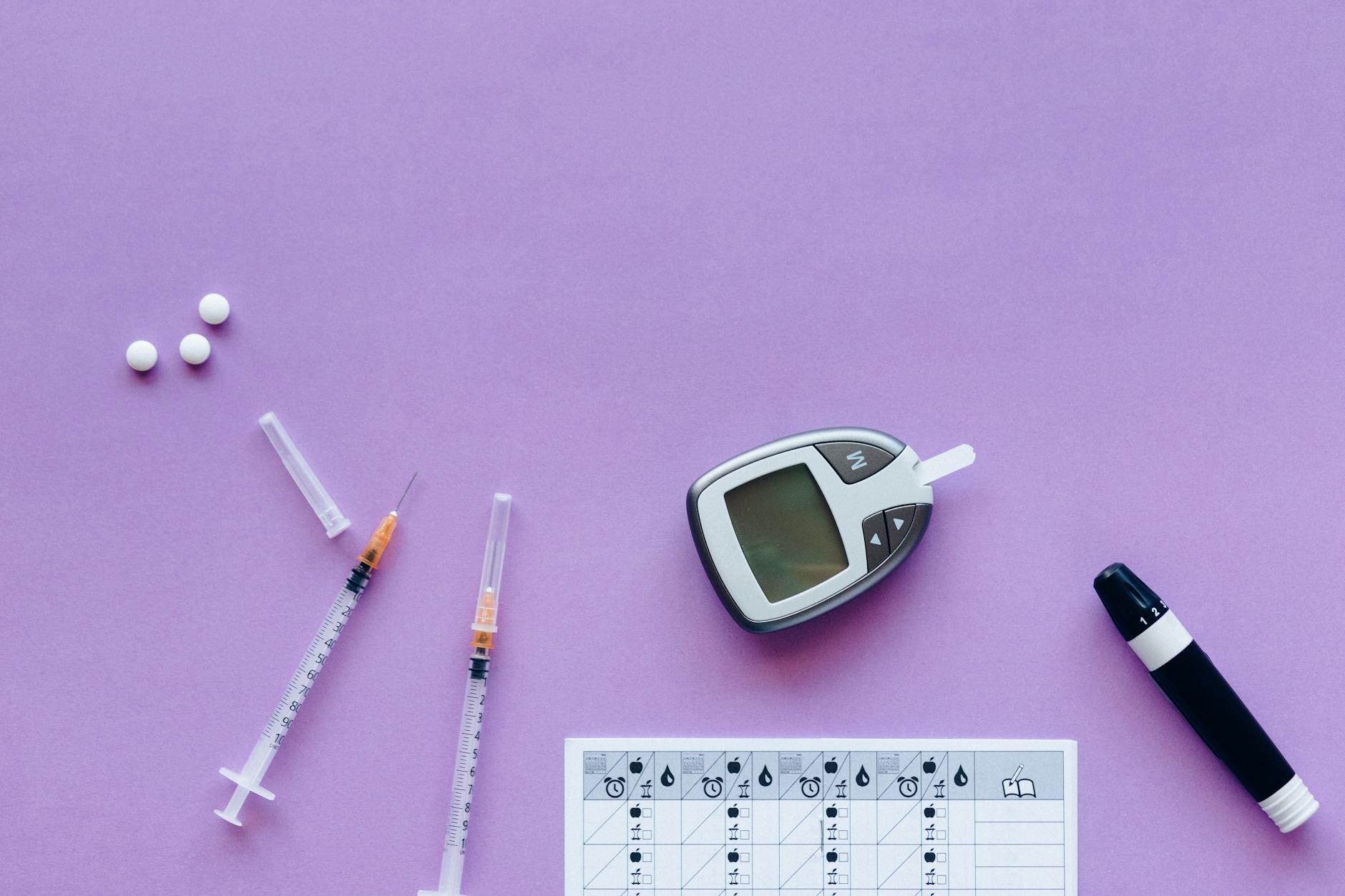
How Long Can a Diabetic Dog Survive Without Insulin? A Comprehensive Guide
The extremely limited survival timeframe for a diabetic dog without insulin is a critical concern. Generally, a diabetic dog without insulin will only survive for days to weeks at most, facing increasingly severe and life-threatening complications.

Introduction: Understanding Canine Diabetes and Insulin’s Vital Role
Diabetes mellitus in dogs, like in humans, is a condition where the body either doesn’t produce enough insulin or can’t properly use the insulin it produces. Insulin is a hormone that allows glucose (sugar) from food to enter cells to provide energy. Without insulin, glucose builds up in the bloodstream, leading to hyperglycemia (high blood sugar) and a cascade of detrimental effects.
The primary treatment for canine diabetes is insulin therapy. Regular insulin injections help regulate blood sugar levels and prevent the complications associated with the disease. But how long can a diabetic dog survive without insulin? Understanding the consequences of insulin withdrawal is crucial for pet owners managing this chronic condition.
The Deadly Consequences of Insulin Deprivation

The absence of insulin disrupts the body’s ability to utilize glucose, triggering a series of potentially fatal complications.
- Diabetic Ketoacidosis (DKA): This is a severe and life-threatening condition. Without insulin, the body starts breaking down fat for energy, producing ketones. These ketones accumulate in the bloodstream, leading to acidosis (excessive acidity) and electrolyte imbalances. DKA requires immediate veterinary intervention.
- Dehydration: High blood sugar levels cause increased urination (polyuria) as the body tries to eliminate the excess glucose. This can lead to severe dehydration, putting a strain on the kidneys and other organs.
- Organ Damage: Prolonged hyperglycemia and the metabolic disturbances associated with DKA can damage vital organs, including the kidneys, liver, and heart.
- Neurological Problems: Severe hyperglycemia and electrolyte imbalances can affect brain function, leading to lethargy, seizures, and even coma.
- Infections: Dogs with uncontrolled diabetes are more susceptible to infections due to a weakened immune system.
Factors Influencing Survival Time
The exact timeframe how long can a diabetic dog survive without insulin is variable and depends on several factors:
- Severity of Diabetes: Dogs with more severe or poorly controlled diabetes may deteriorate more quickly without insulin.
- Overall Health: A dog with pre-existing health conditions, such as kidney disease or heart disease, may be less resilient to the effects of insulin withdrawal.
- Age: Older dogs may be more vulnerable than younger dogs.
- Access to Water: Dehydration accelerates the progression of complications.
- Veterinary Care: Even without insulin, supportive care (e.g., intravenous fluids, electrolyte correction) can temporarily prolong survival, but this is not a substitute for insulin.
Recognizing the Warning Signs
Early recognition of the signs of uncontrolled diabetes is critical. Watch out for:
- Increased thirst (polydipsia)
- Increased urination (polyuria)
- Increased appetite (polyphagia) despite weight loss
- Lethargy and weakness
- Vomiting and diarrhea
- Sweet-smelling breath (a sign of DKA)
If you notice any of these signs, contact your veterinarian immediately.
Preventing Insulin Deprivation
The best way to ensure your diabetic dog’s well-being is to strictly adhere to your veterinarian’s insulin therapy plan.
- Administer Insulin Regularly: Give insulin injections as prescribed and at the correct times.
- Monitor Blood Glucose Levels: Regular blood glucose monitoring helps ensure the insulin dosage is appropriate.
- Maintain a Consistent Diet: Feed your dog a consistent, high-quality diet specifically formulated for diabetic dogs.
- Regular Veterinary Checkups: Schedule regular checkups with your veterinarian to monitor your dog’s overall health and adjust the insulin dosage as needed.
- Never Stop Insulin Without Veterinary Advice: Abruptly stopping insulin can have catastrophic consequences.
What To Do if You Miss an Insulin Dose
If you miss an insulin dose, contact your veterinarian for guidance. They can advise you on whether to administer a partial dose, adjust the next dose, or take other appropriate steps. Do not double the next dose.

Frequently Asked Questions (FAQs)
What are the very first signs that my diabetic dog needs insulin adjusted?
The first signs often involve changes in thirst and urination. You may notice your dog drinking more water than usual and needing to urinate more frequently, even during the night. Changes in appetite, either increased or decreased, alongside weight loss despite eating, can also be early indicators. Monitor closely and consult your veterinarian if you observe these changes.
Can a diabetic dog ever go off insulin completely?
In rare cases, usually involving early intervention and specific dietary management, some diabetic dogs can achieve diabetic remission and potentially reduce or even eliminate their need for insulin. This requires strict veterinary supervision and diligent monitoring. It is not a common outcome.
Is there a “natural” way to manage canine diabetes without insulin?
While diet and exercise play a crucial role in managing canine diabetes, they are typically not sufficient to completely replace insulin therapy, especially in established cases. Dietary changes and exercise can help improve insulin sensitivity and potentially reduce the required insulin dosage, but they are best used in conjunction with insulin, under the guidance of a veterinarian.
What happens if my diabetic dog accidentally receives a double dose of insulin?
A double dose of insulin can cause a dangerous drop in blood sugar (hypoglycemia). Signs of hypoglycemia include weakness, trembling, seizures, and even coma. If you suspect your dog has received a double dose, immediately contact your veterinarian or an emergency veterinary clinic. You can give your dog a small amount of honey or corn syrup to raise their blood sugar while waiting for veterinary assistance.
How often should I be checking my diabetic dog’s blood glucose levels?
The frequency of blood glucose monitoring depends on your veterinarian’s recommendations. Initially, blood glucose curves may need to be performed every few weeks to establish the correct insulin dosage. Once the diabetes is well-controlled, monitoring can be done less frequently, such as every few months, or as needed if you notice any changes in your dog’s condition. Home glucose monitoring can be beneficial.
What is the best diet for a diabetic dog?
The best diet for a diabetic dog is typically one that is high in fiber, moderate in protein, and low in simple carbohydrates. This type of diet helps to slow the absorption of glucose into the bloodstream and prevent rapid spikes in blood sugar. Your veterinarian can recommend a specific diet that is tailored to your dog’s individual needs.
How can I tell if my diabetic dog is developing ketoacidosis (DKA)?
Signs of DKA include vomiting, diarrhea, loss of appetite, lethargy, rapid breathing, and a sweet, fruity odor on the breath (due to the presence of ketones). DKA is a medical emergency and requires immediate veterinary treatment.
Can stress affect my dog’s blood sugar levels and insulin requirements?
Yes, stress can significantly impact blood sugar levels in diabetic dogs. Stress hormones can cause blood sugar to rise, potentially requiring temporary adjustments to the insulin dosage. Try to minimize stressful situations for your dog and discuss any concerns with your veterinarian.
Are there any supplements that can help manage canine diabetes?
Some supplements, such as chromium and vanadium, have been suggested to potentially improve insulin sensitivity in diabetic dogs. However, scientific evidence supporting their effectiveness is limited, and they should only be used under the guidance of a veterinarian. Never give your dog supplements without consulting your veterinarian first.
What are the long-term complications of poorly controlled diabetes in dogs?
Long-term complications of poorly controlled diabetes can include cataracts, kidney disease, liver disease, nerve damage (neuropathy), and increased susceptibility to infections. Maintaining good blood sugar control through insulin therapy and proper management can help minimize the risk of these complications.
How much does it typically cost to manage canine diabetes?
The cost of managing canine diabetes can vary depending on factors such as the type of insulin used, the frequency of blood glucose monitoring, and the need for veterinary checkups and treatments. It can range from several hundred to several thousand dollars per year. Discussing cost concerns with your veterinarian is crucial to finding a manageable treatment plan.
Is there any new research being done on canine diabetes management?
Yes, there is ongoing research into new ways to manage canine diabetes, including novel insulin formulations, alternative delivery methods (such as oral insulin), and strategies to prevent or reverse the condition. Consult with your veterinarian about the latest advancements in canine diabetes care.
Ultimately, understanding how long can a diabetic dog survive without insulin and the potentially devastating consequences of insulin deprivation is paramount. Strict adherence to veterinary recommendations, diligent monitoring, and prompt action when concerns arise are crucial for ensuring the health and well-being of your diabetic canine companion. Remember that early detection and consistent management are key to a long and happy life for your dog.