
How Long Are Baby Squirrels Babies? Unveiling the Early Lives of These Tiny Creatures
Squirrels, adorable and acrobatic, start their lives in a much less independent state. How long are baby squirrels babies? It takes around 12 to 16 weeks for baby squirrels to leave their nests and venture into the world, completely dependent on their mothers for food, warmth, and protection during that crucial period.

The Vulnerable Beginnings: Life in the Drey
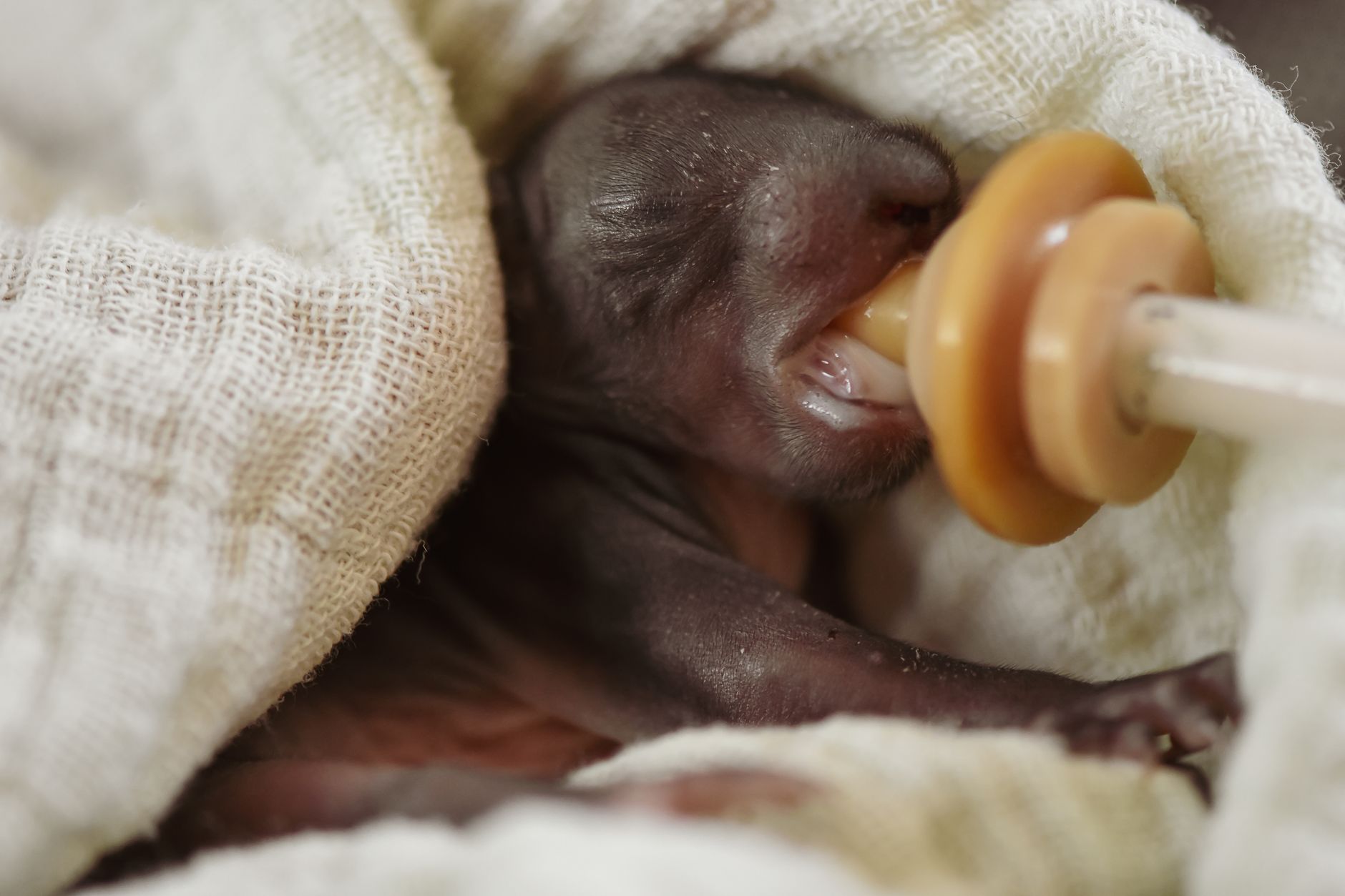
Baby squirrels, also called kits, are born in a nest called a drey, typically constructed in tree cavities or among branches. These dreys offer protection from the elements and predators. Their beginnings are incredibly vulnerable. They are born blind, deaf, and hairless, completely reliant on their mother’s constant care. The mother squirrel is solely responsible for the babies’ well-being. She keeps them warm, feeds them, and protects them from harm.
The Growth Timeline: A Squirrel’s Developmental Stages

Understanding the development of baby squirrels involves charting their progress from helpless newborns to relatively independent juveniles. Here’s a breakdown of key milestones:
- Weeks 0-3: Helpless and completely dependent on their mother. Eyes and ears are closed. Fur is absent or very sparse. They rely entirely on their mother for warmth and nourishment.
- Weeks 3-5: Fur begins to grow in. Eyes start to open around week 3 or 4. They begin to become more active within the nest.
- Weeks 5-8: The young squirrels become increasingly mobile within the nest. Their teeth start to develop, and they may begin to nibble on solid food that their mother brings.
- Weeks 8-10: They venture out of the nest for short periods, exploring nearby branches under their mother’s supervision. Their coordination and climbing skills improve rapidly.
- Weeks 10-12: Becoming more confident in their ability to climb and forage, but still return to the nest.
- Weeks 12-16: This is the weaning stage; the mother will start to encourage them to find food for themselves and will spend less time with them. They leave the nest permanently and establish their own territories.
Nutritional Needs: Sustaining Rapid Growth
The nutritional needs of baby squirrels are substantial, driving their rapid growth and development. Their diet consists primarily of their mother’s milk, which is rich in fats and proteins. As they transition to solid foods, they consume a variety of nuts, seeds, fruits, and occasionally insects. A proper diet is crucial for building strong bones and muscles and ensuring their overall health.
Hazards and Survival Rates
The life of a baby squirrel is fraught with dangers. They are vulnerable to predators such as hawks, owls, snakes, and domestic cats and dogs. They can be accidentally displaced from the nest during storms or by falling branches. Their small size and inexperience also make them susceptible to starvation and hypothermia. Consequently, the survival rate of baby squirrels is relatively low, especially in urban environments where they face additional hazards like traffic and human interference.
When to Intervene: Assessing a Baby Squirrel’s Needs
It’s crucial to assess a baby squirrel’s situation carefully before intervening. If the baby squirrel is injured or obviously orphaned (the mother has not been seen for an extended period, typically 12-24 hours), then intervention may be necessary. Signs of injury include visible wounds, difficulty moving, or a lack of responsiveness. If the baby squirrel appears healthy but is out of the nest, observe it from a distance to see if the mother returns. If no mother is seen after a few hours, contact a licensed wildlife rehabilitator.
Rehabilitation: Providing Specialized Care
Wildlife rehabilitators are trained professionals who can provide the specialized care that baby squirrels need to survive. They have the knowledge and resources to properly feed, medicate, and house orphaned or injured squirrels. Their goal is to rehabilitate the squirrels and release them back into the wild once they are old enough and capable of fending for themselves. Attempting to care for a baby squirrel without proper training can be detrimental to its health and survival.

Frequently Asked Questions About Baby Squirrels
What is the difference between a squirrel nest and a squirrel drey?
A drey is a squirrel’s nest. They’re commonly made of twigs, leaves, moss, and other soft materials, built high in trees or in tree cavities. Squirrels may also use abandoned bird nests. A “nest” is the more generic term for animal homes.
How can I tell if a baby squirrel is orphaned?
If you see a baby squirrel alone and apparently distressed, monitor the situation for 12-24 hours to see if the mother returns. If the mother does not appear or if the baby squirrel is injured, cold, or weak, it is likely orphaned. Contact a wildlife rehabilitator immediately.
What should I do if I find a baby squirrel on the ground?
If the baby squirrel appears uninjured, try to locate its nest. If the nest is accessible, gently place the squirrel back inside. If the nest is out of reach or destroyed, contact a wildlife rehabilitator for guidance. Do not attempt to feed or water the squirrel unless instructed to do so by a professional.
What do baby squirrels eat?
Baby squirrels primarily consume their mother’s milk. As they grow, they transition to solid foods like nuts, seeds, fruits, and vegetables. Wildlife rehabilitators use specialized formulas and feeding techniques to meet the nutritional needs of orphaned baby squirrels.
How long does it take for baby squirrels to open their eyes?
Baby squirrels typically open their eyes around 3 to 4 weeks of age. This is a key milestone in their development, as it allows them to explore their surroundings and begin learning about the world around them.
How can I help a baby squirrel stay warm?
Baby squirrels are susceptible to hypothermia. If you find a baby squirrel that appears cold, gently warm it by placing it in a box lined with soft cloths and providing a safe heat source, such as a warm water bottle wrapped in a towel. Contact a wildlife rehabilitator for further instructions.
Are baby squirrels dangerous?
While baby squirrels may appear cute and harmless, they can bite or scratch if they feel threatened. It’s important to handle them with extreme caution or, ideally, leave handling to professionals. Wild animals can also carry diseases.
How often do mother squirrels feed their babies?
Mother squirrels feed their babies several times a day, especially in the early weeks of their lives. As the babies grow, the frequency of feedings may decrease.
What is the best way to deter squirrels from nesting in my attic?
Prevention is key. Seal any potential entry points, such as cracks in the foundation or gaps around pipes and vents. Trim tree branches that overhang your roof. You can also use deterrents such as motion-activated sprinklers or ultrasonic devices.
How long are baby squirrels babies before they start to forage on their own?
While “babies” is a broad term, How long are baby squirrels babies? and dependent on their mother is roughly 12-16 weeks. After this period, they will start venturing out to look for food and become less reliant on their mother for survival. They learn foraging skills by observing and imitating their mother’s behavior.
Can I keep a baby squirrel as a pet?
In most places, it is illegal to keep a wild animal, including a baby squirrel, as a pet. It’s also generally unethical, as wild animals have specific needs that are difficult to meet in a domestic setting. Additionally, keeping a wild animal as a pet can pose health risks to humans.
What is a typical lifespan of a squirrel in the wild?
The lifespan of a squirrel in the wild varies depending on the species and environmental conditions. Gray squirrels, for example, typically live for 5 to 10 years, but some can live longer in captivity. Factors that affect their lifespan include predation, disease, and access to food and shelter.