
How Is Climate Change Affecting Biodiversity?

Climate change is a primary driver of biodiversity loss, fundamentally altering ecosystems and threatening the survival of countless species. Rising temperatures, altered precipitation patterns, and increased frequency of extreme weather events are pushing species beyond their tolerance limits, disrupting ecological relationships, and driving extinctions at an alarming rate.
The Unfolding Crisis: Biodiversity Under Pressure
Biodiversity, the variety of life on Earth at all its levels, from genes to ecosystems, is the bedrock of a healthy planet. It provides essential ecosystem services, including pollination, water purification, and carbon sequestration, all of which are critical for human well-being. However, climate change is throwing this delicate balance into disarray. The impacts are multifaceted and far-reaching:
-
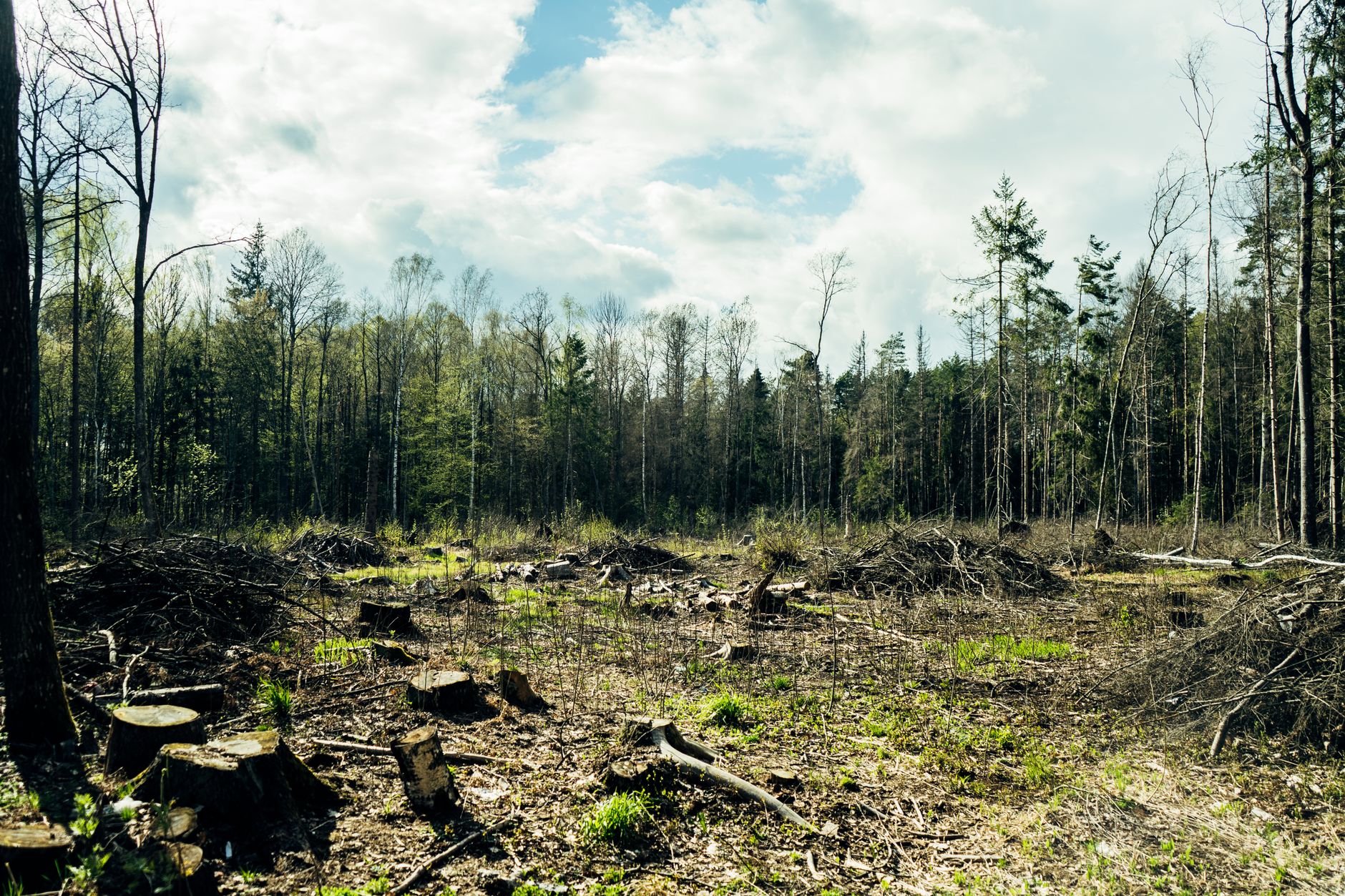
Habitat Loss and Degradation: As temperatures rise, habitats shift or disappear entirely. Coral reefs, often dubbed the “rainforests of the sea,” are particularly vulnerable to ocean acidification and coral bleaching, leading to widespread devastation. Similarly, melting glaciers and ice sheets threaten species dependent on these frozen environments, such as polar bears and seals. Changing precipitation patterns can lead to desertification in some regions and flooding in others, further degrading habitats and displacing species.
-
Species Range Shifts: Many species are attempting to adapt to changing conditions by shifting their ranges towards cooler latitudes or higher altitudes. However, these shifts are not always possible. Physical barriers, such as mountains or urban development, can prevent species from migrating. Furthermore, even if species can move, they may struggle to compete with existing species in their new habitats or find suitable food sources. Mismatches in timing between migrating species and the availability of their food resources can also lead to population declines.
-
Increased Risk of Extinction: Climate change is exacerbating existing threats to biodiversity, such as habitat loss, pollution, and overexploitation. Species that are already threatened or endangered are particularly vulnerable to climate change, as they often have limited adaptive capacity. The Intergovernmental Panel on Climate Change (IPCC) has warned that many species face an increased risk of extinction if global warming exceeds 1.5°C above pre-industrial levels. Amphibians, with their permeable skin and dependence on water, are experiencing particularly rapid declines due to climate change and disease.
-
Changes in Phenology: Phenology refers to the timing of biological events, such as flowering, breeding, and migration. Climate change is disrupting these natural rhythms, leading to mismatches between species and their environment. For example, plants may flower earlier in the spring due to warmer temperatures, but the insects that pollinate them may not emerge until later, resulting in reduced pollination rates. These phenological mismatches can have cascading effects throughout ecosystems.
-
Increased Disease Outbreaks: Warmer temperatures and altered precipitation patterns can create more favorable conditions for the spread of diseases. Climate change is increasing the risk of outbreaks of vector-borne diseases, such as malaria and dengue fever, which can impact both human and animal populations. The spread of fungal diseases, such as the chytrid fungus that affects amphibians, is also being linked to climate change.

FAQs: Delving Deeper into Climate Change and Biodiversity
Here are some frequently asked questions about the relationship between climate change and biodiversity:
FAQ 1: What is the biggest threat climate change poses to biodiversity?
The biggest threat is the combination of habitat loss, species range shifts, and increased risk of extinction caused by changing temperatures and weather patterns. These factors interact to create a complex web of challenges that are pushing species to their limits. The disruption of established ecological relationships is also a significant threat.
FAQ 2: Which ecosystems are most vulnerable to climate change impacts on biodiversity?
Coral reefs, Arctic and Antarctic ecosystems, tropical rainforests, alpine regions, and freshwater ecosystems are particularly vulnerable. These ecosystems are either highly sensitive to temperature changes, face rapid habitat loss due to melting ice, or are already under significant stress from other factors.
FAQ 3: How does ocean acidification affect marine biodiversity?
Ocean acidification, caused by the absorption of excess carbon dioxide from the atmosphere into the ocean, reduces the availability of carbonate ions, which are essential for marine organisms to build their shells and skeletons. This particularly affects shellfish, corals, and plankton, disrupting entire marine food webs.
FAQ 4: Can species adapt to climate change?
Some species can adapt to climate change through evolutionary changes or behavioral adjustments. However, the rate of climate change is often too rapid for many species to adapt effectively. Furthermore, species that are already stressed or have limited genetic diversity are less likely to adapt successfully.
FAQ 5: What is assisted migration, and is it a viable solution?
Assisted migration, also known as managed relocation, involves moving species to more suitable habitats outside their current range. This is a controversial strategy, as it can have unintended consequences for the receiving ecosystem. However, it may be necessary in some cases to save species from extinction. Careful planning and risk assessment are crucial before implementing assisted migration programs.
FAQ 6: How does climate change affect pollination?
Climate change disrupts the synchrony between flowering plants and their pollinators, leading to reduced pollination rates. Warmer temperatures can cause plants to flower earlier in the spring, while pollinators may not emerge until later. This mismatch can reduce the availability of food for pollinators and decrease the reproductive success of plants.
FAQ 7: What is the role of biodiversity in mitigating climate change?
Biodiversity plays a crucial role in mitigating climate change by sequestering carbon dioxide from the atmosphere. Forests, wetlands, and grasslands are all important carbon sinks. Protecting and restoring these ecosystems can help to reduce greenhouse gas emissions and slow the rate of climate change.
FAQ 8: What can individuals do to help protect biodiversity from climate change?
Individuals can take several actions, including: reducing their carbon footprint by conserving energy and reducing consumption; supporting sustainable agriculture and responsible forestry; advocating for stronger climate policies; and supporting conservation organizations working to protect biodiversity.
FAQ 9: How does climate change affect the spread of invasive species?
Climate change can create more favorable conditions for invasive species by altering habitats and reducing the resistance of native species. Warmer temperatures and altered precipitation patterns can allow invasive species to expand their ranges and outcompete native species.
FAQ 10: What are some examples of species already severely impacted by climate change?
Examples include polar bears, facing habitat loss due to melting sea ice; coral reefs, suffering from bleaching events; amphibians, threatened by disease exacerbated by climate change; and alpine species, facing habitat loss as temperatures rise.
FAQ 11: Is it too late to save biodiversity from the impacts of climate change?
While the situation is dire, it is not too late to take action. Rapid and deep cuts in greenhouse gas emissions are essential to limit the extent of climate change and reduce the pressure on biodiversity. Protecting and restoring habitats, implementing sustainable land management practices, and addressing other threats to biodiversity can also help to increase resilience.
FAQ 12: What are the economic consequences of biodiversity loss due to climate change?
The economic consequences of biodiversity loss are significant, impacting sectors such as agriculture, fisheries, tourism, and forestry. The loss of ecosystem services, such as pollination and water purification, can also have profound economic impacts. Investing in biodiversity conservation is therefore essential for both environmental and economic sustainability.
A Call to Action: Protecting Our Planet’s Future
The impacts of climate change on biodiversity are already being felt around the world. Addressing this crisis requires a multi-faceted approach, including reducing greenhouse gas emissions, protecting and restoring habitats, promoting sustainable land management practices, and raising public awareness. By working together, we can protect biodiversity and ensure a healthy planet for future generations. The time for action is now.