

How Hard is it to Maintain a Bird?
Maintaining a bird as a pet can be surprisingly demanding, requiring significant time, financial investment, and emotional commitment; however, with proper research and dedication, the rewards of companionship and enrichment can make the effort worthwhile. It’s crucial to understand the specific needs of your chosen species to ensure a happy and healthy life for your feathered friend.
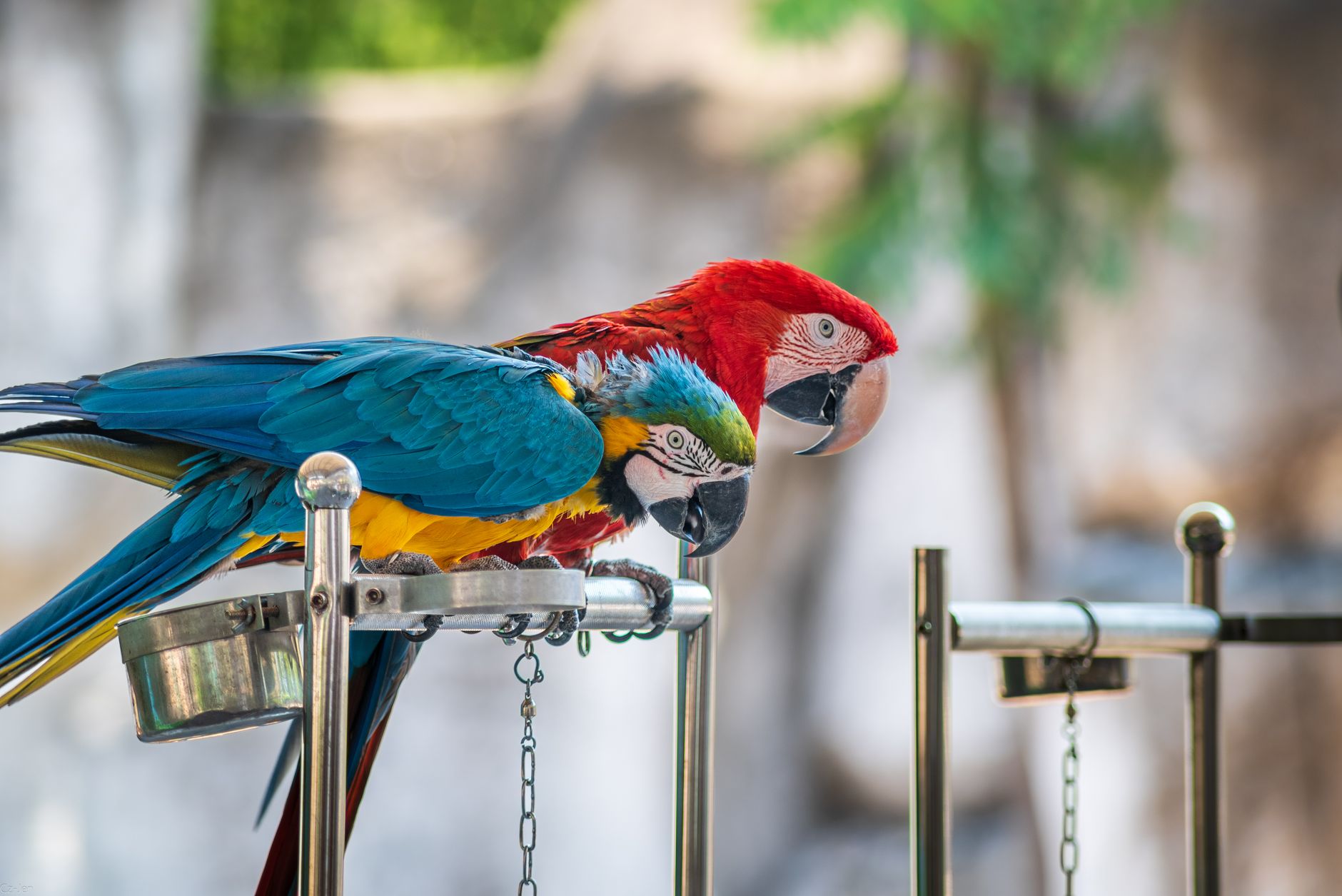
Introduction: A Symphony of Feathers and Responsibility
Bringing a bird into your home is like introducing a tiny, vibrant conductor into your life’s orchestra. They come with a symphony of chirps, songs, and a unique set of needs that must be met to ensure a harmonious existence. Understanding these needs is paramount before taking the plunge. How hard is it to maintain a bird? The answer depends heavily on the species, your lifestyle, and your dedication to providing proper care.
Background: A Brief History of Birds as Companions
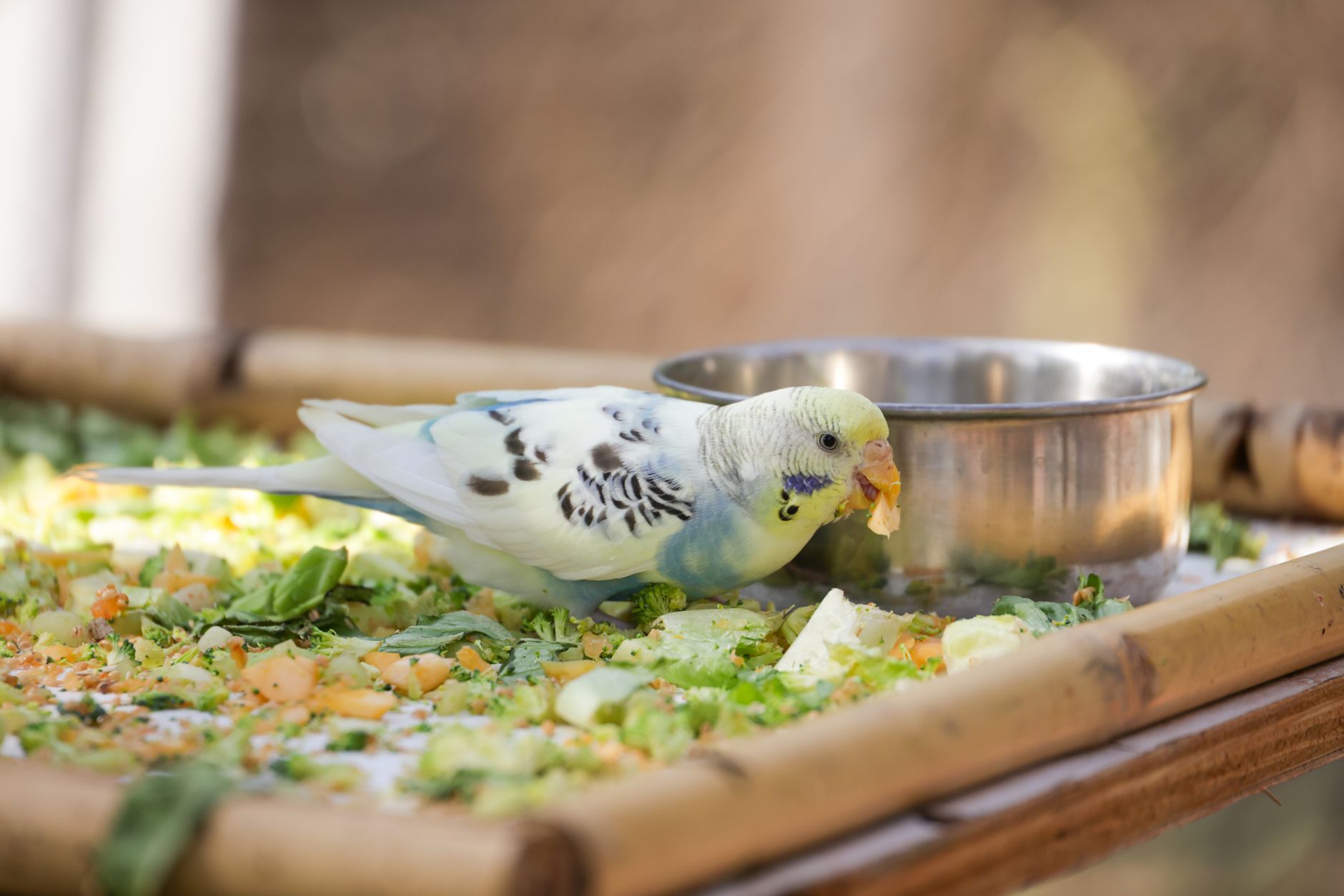
Birds have been kept as pets for thousands of years, dating back to ancient civilizations. From the colorful plumage of parrots captivating emperors to the melodic songs of canaries brightening humble homes, birds have long held a special place in human hearts. This history reveals not just a fascination with their beauty but also a growing understanding of their complex needs.
Benefits: The Joys of Bird Ownership
Despite the challenges, owning a bird can be incredibly rewarding. Here are a few of the benefits:
- Companionship: Birds are intelligent and social creatures that can form strong bonds with their owners.
- Entertainment: Their antics, songs, and playful personalities can provide endless hours of entertainment.
- Mental Stimulation: Interacting with a bird, teaching them tricks, or simply observing their behavior can be mentally stimulating.
- Reduced Stress: The presence of a bird can be calming and therapeutic.
Process: A Step-by-Step Guide to Bird Care
Successfully maintaining a bird involves several key elements:
- Choosing the Right Bird: Research different species and select one that matches your lifestyle and experience level. Consider size, noise level, lifespan, and care requirements.
- Providing a Proper Habitat: A spacious cage with appropriate perches, toys, and food/water dishes is essential.
- Nutritious Diet: Birds require a balanced diet of seeds, pellets, fruits, and vegetables. Avoid feeding them avocado, chocolate, and other toxic foods.
- Regular Cleaning: Clean the cage daily to remove droppings and spilled food. Thoroughly clean and disinfect the cage regularly.
- Enrichment and Socialization: Provide plenty of toys, opportunities for foraging, and interaction with you to prevent boredom and behavioral problems.
- Veterinary Care: Regular checkups with an avian veterinarian are crucial for maintaining your bird’s health.
Common Mistakes: Avoiding Pitfalls in Bird Care
Many common mistakes can negatively impact a bird’s health and well-being:
- Improper Diet: Feeding birds only seeds can lead to malnutrition.
- Lack of Enrichment: Boredom can lead to feather plucking and other behavioral problems.
- Neglecting Veterinary Care: Ignoring signs of illness can lead to serious health complications.
- Exposure to Toxins: Birds are highly sensitive to air pollution, smoke, and household chemicals.
- Inadequate Cage Size: Confined spaces cause stress and limit natural behaviors.
Financial Considerations: The Cost of Bird Ownership
Owning a bird involves significant financial investments. Consider these costs:

| Expense | Description |
|---|---|
| :———————- | :——————————————————————————————————— |
| Cage/Habitat | Initial purchase of a cage, perches, toys, food and water dishes. |
| Food | Ongoing cost of seeds, pellets, fruits, vegetables, and treats. |
| Veterinary Care | Regular checkups, vaccinations, and treatment for illnesses or injuries. |
| Grooming | Nail trimming, wing clipping (if necessary), and other grooming services. |
| Toys and Enrichment | Replacement of toys and other enrichment items to keep your bird entertained. |
| Unexpected Expenses | Emergency veterinary care, repairs to cage, etc. |
Conclusion: Is Bird Ownership Right for You?
How hard is it to maintain a bird? The answer is complex and depends entirely on your dedication to meeting their specific needs. If you are prepared to invest the time, effort, and resources required, the rewards of bird ownership can be immense. However, it’s crucial to be realistic about the commitment involved before bringing a feathered friend into your life. It’s not a decision to take lightly.
Frequently Asked Questions (FAQs)
How often should I clean my bird’s cage?
You should spot clean your bird’s cage daily, removing droppings and spilled food. A thorough cleaning and disinfection should be done at least once a week, or more often if necessary.
What are some common signs of illness in birds?
Common signs of illness in birds include changes in appetite, lethargy, ruffled feathers, discharge from the eyes or nostrils, and changes in droppings. If you notice any of these signs, consult an avian veterinarian immediately.
Can I train my bird to talk?
Some bird species, such as parrots and cockatoos, are highly capable of learning to mimic human speech. Training requires patience, repetition, and positive reinforcement.
What is the best diet for my bird?
The best diet for your bird depends on the species, but generally includes a combination of high-quality pellets, fresh fruits, vegetables, and a small amount of seeds. Avoid feeding them processed foods, chocolate, avocado, and other toxins.
How much time should I spend with my bird each day?
You should aim to spend at least 30 minutes to an hour interacting with your bird each day. This could include talking, playing, training, or simply letting them perch on your shoulder.
Are birds messy pets?
Yes, birds can be quite messy. They scatter seeds, molt feathers, and fling food from their cages. Regular cleaning is essential for maintaining a clean environment.
Can I leave my bird alone for extended periods?
It’s not recommended to leave your bird alone for extended periods (more than a day or two) without proper care. Arrange for a responsible pet sitter or boarding facility to care for your bird while you are away.
What are some good toys for birds?
Good toys for birds include shredding toys, foraging toys, puzzles, and toys that encourage climbing and exploration. Rotate toys regularly to keep your bird engaged and prevent boredom.
How do I prevent my bird from biting?
Biting can be caused by fear, frustration, or pain. Identify the cause of the biting and address it accordingly. Use positive reinforcement to encourage desired behaviors and avoid punishment.
Do birds need sunlight?
Yes, birds need sunlight for vitamin D synthesis. Provide access to natural sunlight or use a full-spectrum avian light.
What is feather plucking, and how can I prevent it?
Feather plucking is a behavioral problem caused by stress, boredom, or underlying medical conditions. Prevent it by providing a stimulating environment, proper diet, and regular veterinary care.
How long do birds typically live?
Bird lifespan varies greatly depending on the species. Some small birds, such as finches, may only live for a few years, while larger parrots can live for several decades. Research the lifespan of the species you are considering before bringing one home. Understanding how hard is it to maintain a bird also requires knowing how long of a commitment you’re making.