

How Far Is Too Long Of A Walk For A Dog? A Comprehensive Guide
How far is too long of a walk for a dog? There’s no single answer; it largely depends on factors like breed, age, health, and fitness level, but exceeding your dog’s physical limits can lead to injury and exhaustion, so observe their behavior closely.
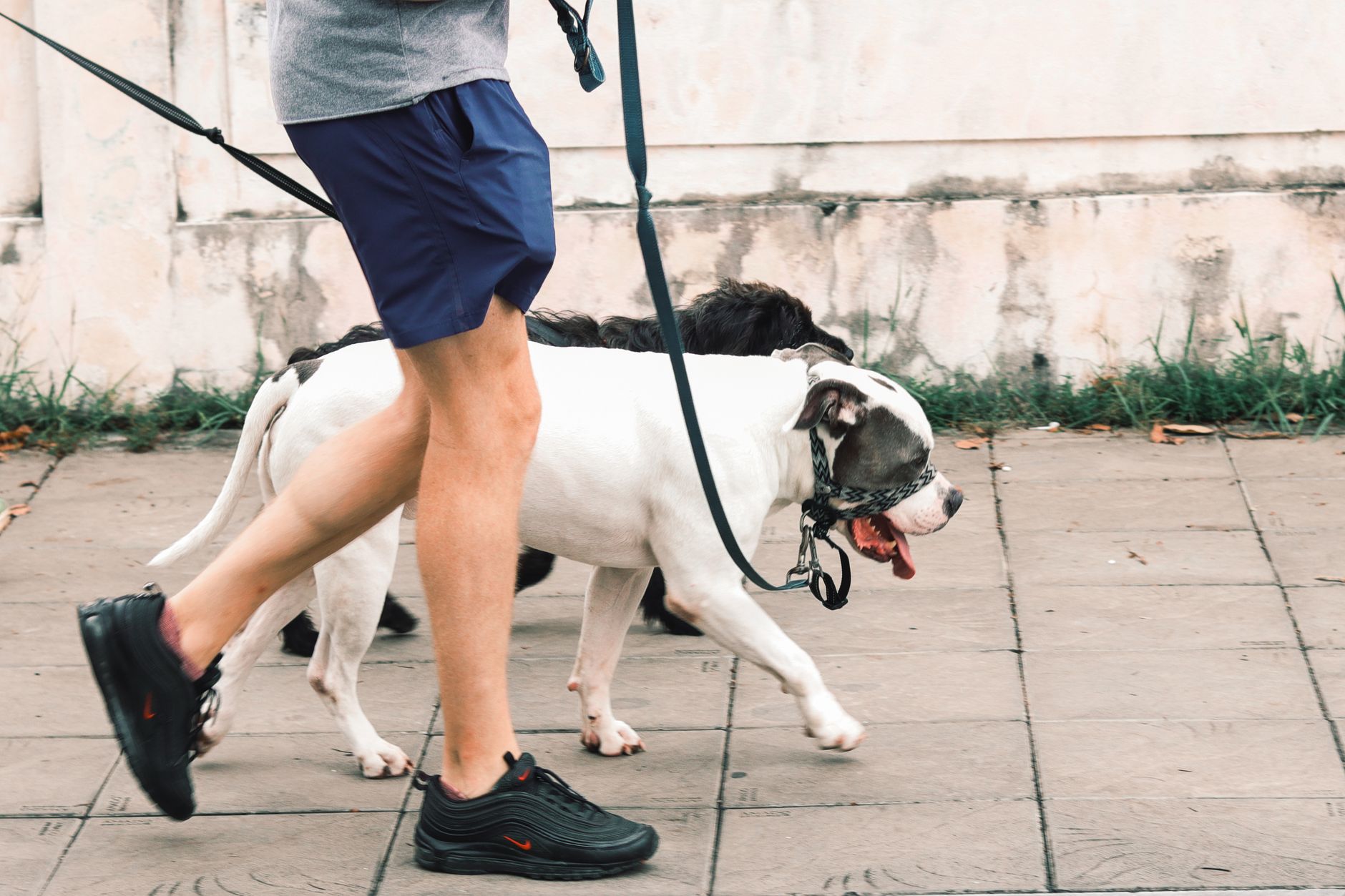
Walking is a crucial part of a dog’s life, providing not only physical exercise but also mental stimulation and bonding opportunities. However, understanding your dog’s limitations and knowing when to stop is vital for their safety and well-being. This article provides a comprehensive guide to help you determine how far is too far for your individual dog.
Understanding Your Dog’s Limitations
Different dogs have vastly different needs and capabilities when it comes to physical activity. A young, energetic Border Collie will have a much higher tolerance than a senior Bulldog. Considering these factors is crucial when planning your walks.
- Breed: Some breeds are naturally more athletic and require longer walks (e.g., Huskies, Retrievers), while others are brachycephalic (short-nosed) and prone to breathing difficulties, limiting their stamina (e.g., Bulldogs, Pugs).
- Age: Puppies have developing joints and shouldn’t be over-exercised. Senior dogs often suffer from arthritis or other age-related ailments, impacting their endurance.
- Health Conditions: Dogs with heart conditions, respiratory problems, or joint issues may have significantly reduced tolerance for long walks. Always consult with your veterinarian before increasing your dog’s exercise routine.
- Fitness Level: Just like humans, dogs need to build up their fitness gradually. A sedentary dog won’t be able to handle a long walk right away. Start with shorter, more frequent walks and gradually increase the distance and intensity.
The Benefits of Regular Walks

Regular walks offer numerous physical and mental health benefits for dogs, contributing to their overall well-being. When determining how far is too long of a walk for a dog, remember to ensure the walk remains enjoyable and beneficial, not detrimental.
- Physical Exercise: Walking helps maintain a healthy weight, strengthens muscles and bones, and improves cardiovascular health.
- Mental Stimulation: Exploring new environments, sniffing interesting scents, and interacting with other dogs provide essential mental stimulation, preventing boredom and reducing behavioral problems.
- Socialization: Walks offer opportunities for socialization, helping dogs learn to interact appropriately with other animals and people.
- Bonding: Walking together strengthens the bond between you and your dog, creating a positive and enjoyable shared experience.
Recognizing the Signs of Overexertion
Knowing when to stop is crucial to prevent overexertion and potential injuries. Learning to recognize the signs of fatigue and discomfort in your dog is paramount.
- Excessive Panting: Increased panting is normal during exercise, but excessive panting, especially with a wide-open mouth and tongue hanging out, indicates overheating or exhaustion.
- Limping or Slowing Down: If your dog starts limping or significantly slows down their pace, it’s a clear sign they’re in pain and need to rest.
- Stumbling or Weakness: Stumbling or showing signs of weakness can indicate muscle fatigue or dehydration.
- Refusal to Walk: If your dog suddenly refuses to walk or sits down frequently, they’re likely tired and need a break.
- Dark Red or Pale Gums: These can be signs of overheating or dehydration and require immediate veterinary attention.
- Excessive Drooling: Especially in breeds not prone to drooling, this can indicate overheating or nausea.
Gradual Progression: Building Endurance Safely
A gradual approach is essential when increasing the length or intensity of your dog’s walks. Avoid pushing them too hard, too soon.
- Start Small: Begin with short, frequent walks and gradually increase the distance by a few minutes each day or week.
- Monitor Your Dog’s Behavior: Pay close attention to their body language and energy levels throughout the walk.
- Provide Rest Breaks: Offer plenty of opportunities for rest and water, especially on hot days.
- Adjust to the Weather: Reduce the duration or intensity of walks during extreme heat or cold.
- Vary the Terrain: Introduce different types of terrain gradually, such as hills or uneven surfaces, to build strength and agility.
- Consult Your Veterinarian: If you have any concerns about your dog’s fitness level or health, consult with your veterinarian before increasing their exercise routine.
Common Mistakes to Avoid
Many owners unknowingly make mistakes that can lead to overexertion and injuries in their dogs. Avoiding these common pitfalls can make all the difference.

- Ignoring Breed-Specific Needs: Not understanding the exercise requirements of your dog’s breed.
- Overlooking Age and Health Conditions: Ignoring age-related limitations or underlying health problems.
- Pushing Too Hard, Too Soon: Increasing the distance or intensity of walks too quickly.
- Failing to Provide Water: Neglecting to provide adequate water, especially during warm weather.
- Walking During Peak Heat: Exercising during the hottest part of the day, increasing the risk of heatstroke.
- Ignoring Signs of Fatigue: Failing to recognize the signs of overexertion and pushing your dog beyond their limits.
Table: Breed-Specific Walking Guidelines (General)
| Breed Group | Example Breeds | Recommended Walk Length (Daily) | Considerations |
|---|---|---|---|
| Toy Breeds | Chihuahua, Maltese | 20-30 minutes | Monitor for fatigue; protect from extreme temperatures. |
| Small Breeds | Beagle, Dachshund | 30-45 minutes | Watch for back problems; ensure proper leash training. |
| Medium Breeds | Border Collie, Boxer | 45-60 minutes | High energy; require mental stimulation alongside physical exercise. |
| Large Breeds | Labrador Retriever, German Shepherd | 60-90+ minutes | Joint health is critical; avoid strenuous exercise as puppies. |
| Brachycephalic Breeds | Bulldog, Pug | 15-30 minutes | Monitor closely for breathing difficulties; avoid hot or humid weather. |
Disclaimer: This table offers general guidelines. Individual needs may vary significantly.
Factors Influencing Distance Thresholds
The point how far is too long of a walk for a dog is not fixed; several factors influence an individual dog’s tolerance.
- Weather: High temperatures and humidity dramatically reduce a dog’s stamina.
- Terrain: Walking uphill or on uneven surfaces requires more effort.
- Diet: A balanced diet provides the necessary energy for exercise.
- Hydration: Adequate hydration is essential for maintaining performance and preventing overheating.
Frequently Asked Questions (FAQs)
How do I know if my puppy is getting too much exercise?
Puppies have delicate joints that are still developing. Over-exercising them can lead to joint problems later in life. Watch for signs of fatigue, such as slowing down, lying down frequently, or limping. A good rule of thumb is five minutes of exercise per month of age, twice a day, until they are fully grown.
My dog seems to have endless energy. How much can I walk them?
Even high-energy dogs have limits. While they may seem tireless, it’s crucial to monitor them for subtle signs of overexertion. Provide regular breaks, ensure they stay hydrated, and gradually increase the distance and intensity of your walks. Consider incorporating activities like fetch or agility training to channel their energy.
What’s the best time of day to walk my dog?
The best time to walk your dog depends on the weather. During hot weather, avoid walking during the peak heat hours (usually between 10 am and 4 pm). Opt for early morning or late evening walks when the temperature is cooler. In cold weather, avoid walking during the coldest part of the day and consider using a dog coat for added warmth.
Can walking too much cause arthritis in dogs?
While walking itself doesn’t directly cause arthritis, over-exercising, especially in puppies, can contribute to joint problems later in life, increasing the risk of arthritis. A balanced approach to exercise, avoiding high-impact activities on hard surfaces, and maintaining a healthy weight are crucial for joint health.
My senior dog seems stiff after walks. Should I stop walking them?
Walking is still important for senior dogs, but it needs to be adjusted to their capabilities. Shorter, more frequent walks on soft surfaces are often better than long, strenuous ones. Consider incorporating joint supplements into their diet and consult with your veterinarian about pain management options if they experience stiffness or discomfort.
How does breed impact how far is too long of a walk for a dog?
Breed plays a significant role. Brachycephalic breeds like Bulldogs and Pugs are prone to breathing difficulties and should not be over-exerted. Working breeds like Huskies and Border Collies typically require more exercise than smaller, less active breeds.
What should I do if my dog collapses during a walk?
If your dog collapses during a walk, it’s an emergency situation. Immediately move them to a cool, shaded area, offer water if they’re conscious, and apply cool water to their body. Seek immediate veterinary attention.
Is walking on pavement bad for my dog’s paws?
Walking on pavement can be tough on your dog’s paws, especially during hot weather. Hot pavement can burn their paw pads. Avoid walking on hot surfaces, choose cooler times of day, and consider using dog boots for protection.
How often should I give my dog a rest day from walking?
Rest days are important for muscle recovery and preventing injuries. Most dogs benefit from at least one rest day per week, especially after a particularly strenuous activity. Observe your dog’s behavior and adjust their exercise schedule accordingly.
What are some alternatives to long walks for exercising my dog?
If long walks are not suitable for your dog, there are many alternative forms of exercise. Swimming, playing fetch, agility training, and interactive games can provide both physical and mental stimulation.
How important is leash training when considering walk distances?
Leash training is critical. A dog that pulls constantly on the leash expends more energy, increasing the risk of fatigue and injury. Proper leash manners allow for a more enjoyable and efficient walk.
What role does diet play in determining how far is too long of a walk for a dog?
Diet is a key component. A diet high in protein and carbohydrates provides the necessary fuel for exercise. Consult your veterinarian to determine the best diet for your dog’s age, breed, and activity level. A malnourished dog will tire far more quickly.