

How Far Can a Sloth Turn Its Head? A Deep Dive
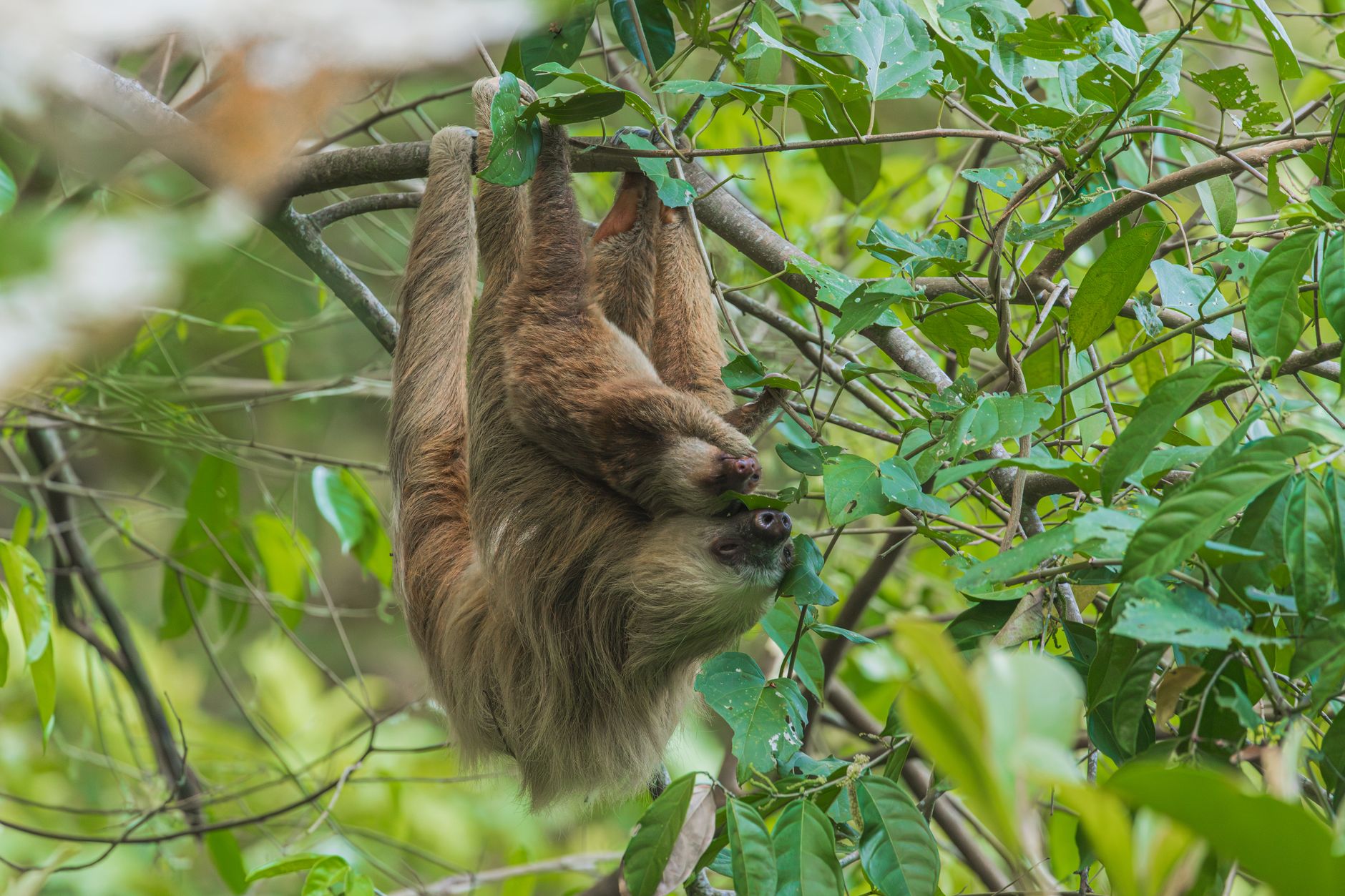
The incredible flexibility of a sloth’s neck allows it to rotate its head an impressive amount. The answer to How far can a sloth turn its head? is approximately 270 degrees, allowing them almost a complete backward view.
The Secret of Sloth Flexibility: An Introduction
Sloths, those enigmatic creatures known for their deliberate movements and treetop lifestyle, possess an extraordinary anatomical adaptation: the ability to rotate their heads to an astonishing degree. This isn’t just a neat trick; it’s a crucial survival mechanism that allows them to survey their surroundings for predators and locate food sources with minimal energy expenditure. Understanding the mechanics and evolutionary advantages behind this remarkable capability provides insight into the unique biology of these fascinating mammals.
Vertebral Variations: The Key to Rotation
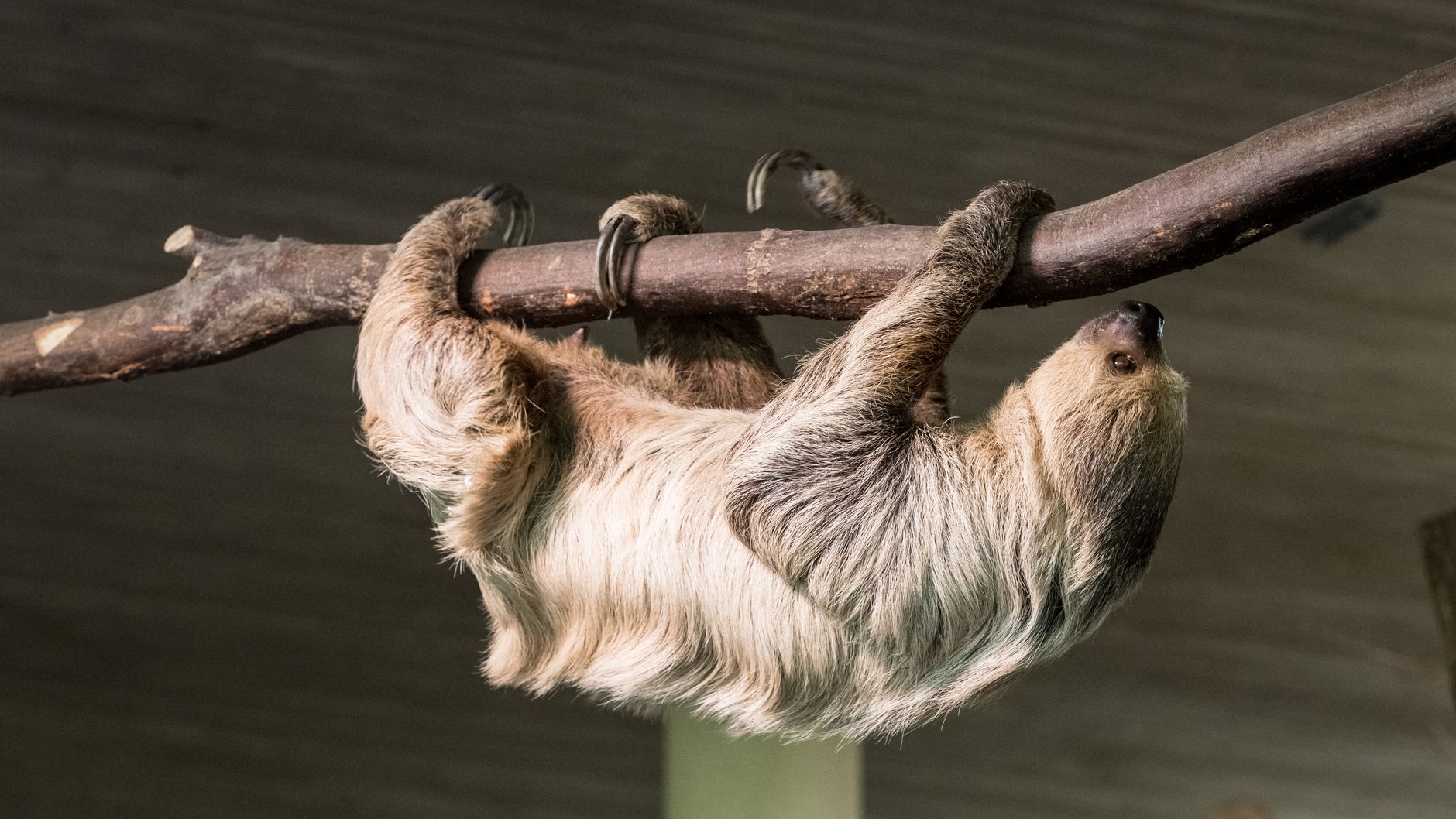
The key to understanding how far can a sloth turn its head? lies in its vertebral column. Most mammals, including humans, have seven cervical vertebrae (the vertebrae in the neck). However, two-toed sloths possess five to seven, and three-toed sloths have eight or nine. This variation in the number of cervical vertebrae grants them significantly greater flexibility compared to other mammals. Specifically, the presence of extra vertebrae allows for more articulation points and increased range of motion. Furthermore, the anatomy of the vertebrae themselves, particularly the shape and alignment of the facet joints, contributes to this exceptional rotation.
Evolutionary Advantages of Neck Flexibility
The remarkable ability to rotate their heads almost completely around offers several crucial advantages for sloths:
- Predator Detection: Sloths are slow and vulnerable, especially to predators such as eagles, jaguars, and snakes. The ability to survey their surroundings without moving their bodies allows them to detect threats early and react accordingly.
- Energy Conservation: Constantly moving their bodies to look around would expend precious energy, something sloths can ill afford given their low-energy diet and slow metabolism. The enhanced neck rotation allows them to scan their environment efficiently, conserving vital resources.
- Efficient Foraging: Being able to see in almost all directions without moving facilitates finding and accessing food. Sloths can easily locate the best leaves on a branch without needing to reposition their entire body.
Comparing Sloth Species: Two-Toed vs. Three-Toed
While both two-toed and three-toed sloths possess impressive neck flexibility, there are some subtle differences. Three-toed sloths, generally having more cervical vertebrae, often exhibit a slightly greater range of motion than two-toed sloths. However, this difference can vary among individual animals and is not always consistent. Determining the exact degree of difference is an area for future research. Regardless, both species demonstrate a significant advantage in head rotation compared to most other mammals.
The Anatomy of the Sloth Neck
| Feature | Two-Toed Sloth | Three-Toed Sloth |
|---|---|---|
| Cervical Vertebrae | 5-7 | 8-9 |
| Range of Motion | Up to 270 degrees | Up to 270+ degrees |
| Flexibility | High | Very High |
Potential Disadvantages and Risks
While exceptional neck flexibility provides numerous benefits, it might also present some risks. The complexity of the vertebral column and associated muscles and ligaments could potentially make sloths more susceptible to neck injuries in certain situations. However, the slow and deliberate nature of their movements likely mitigates this risk. Further research is needed to fully understand any potential drawbacks associated with their unique anatomy.

Frequently Asked Questions
How does the number of vertebrae affect head rotation?
The greater number of vertebrae in a sloth’s neck provides more articulation points, allowing for a greater range of motion. Each vertebra contributes to the overall flexibility, so having more vertebrae results in a more flexible neck.
Is there a difference between two-toed and three-toed sloths in their head rotation ability?
Generally, three-toed sloths tend to have a slightly greater range of head rotation due to having more cervical vertebrae, but this isn’t a hard and fast rule and can vary between individuals.
Can a sloth rotate its head a full 360 degrees?
No, while they can achieve an impressive 270 degrees of rotation, a full 360-degree rotation is not possible. This is due to the limitations of their skeletal structure and the arrangement of muscles and ligaments in their neck.
What are the benefits of sloths having such flexible necks?
The primary benefits are improved predator detection, energy conservation while foraging, and efficient surveying of their surroundings.
Are there any downsides to sloths having such flexible necks?
Potentially, the complex structure could increase the risk of neck injuries in certain circumstances, but this is likely mitigated by their slow movements.
How does a sloth’s neck rotation compare to other animals?
Sloths have significantly greater neck rotation than most other mammals, including humans. Owls are perhaps the most well-known for neck flexibility, achieving a much greater range of motion with specialized adaptations.
What makes the sloth’s vertebrae so unique?
The number, shape, and arrangement of the facet joints contribute to their exceptional flexibility. The presence of extra vertebrae is the most significant factor.
Does their diet play a role in their neck flexibility?
While not directly affecting flexibility, the low-energy diet necessitates energy conservation, making the efficient head rotation a vital adaptation.
How do sloths use their head rotation in their daily lives?
They use it for finding food, spotting predators, and generally surveying their environment without expending too much energy moving their bodies.
Can a sloth hurt itself by turning its head too far?
While possible, it is unlikely due to the slow and deliberate nature of their movements. They are unlikely to force their neck beyond its natural range of motion.
Are baby sloths born with this ability or does it develop over time?
Baby sloths are born with this ability, although it likely develops further as they grow and their muscles strengthen.
What research has been done on sloth neck flexibility?
Studies have focused on the anatomical structure of their vertebrae, particularly the variations in the number of cervical vertebrae and the arrangement of their facet joints. Further research is ongoing to fully understand the biomechanics of their neck rotation.