
How Does Water Usage Affect the Environment?

Our water usage, while seemingly mundane, profoundly impacts the environment. Overconsumption and inefficient practices strain water resources, disrupt ecosystems, and contribute to a cascade of environmental problems, ultimately threatening both ecological health and human well-being.
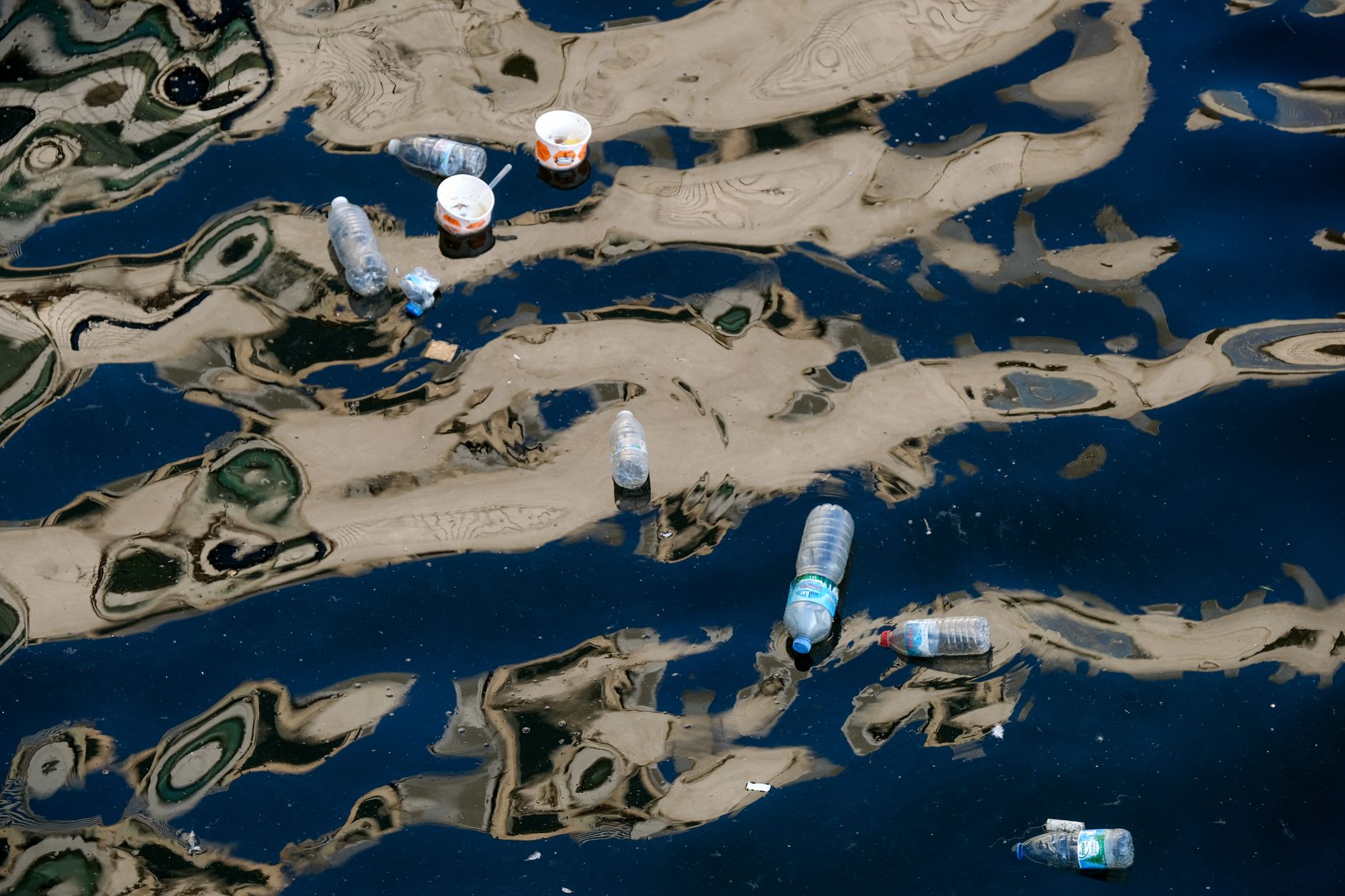
The Far-Reaching Consequences of Our Water Habits
Human activities consume vast quantities of water, primarily for agriculture, industry, and domestic use. While water is a renewable resource, its availability is finite, and excessive usage can lead to significant environmental degradation. This impact manifests in various forms:
Depletion of Water Resources
Over-extraction of surface water (rivers, lakes) and groundwater (aquifers) is a primary concern. When we pump water out faster than it can be replenished, we deplete these reserves, leading to:
- Reduced River Flow: Lower water levels impact aquatic ecosystems, affecting fish migration, breeding grounds, and overall biodiversity.
- Dried-Up Lakes and Wetlands: These vital ecosystems provide habitats for countless species and play crucial roles in flood control and water filtration. Their loss can have devastating consequences for local wildlife.
- Groundwater Depletion and Land Subsidence: Over-pumping groundwater can cause the land to sink, damaging infrastructure and permanently reducing aquifer storage capacity. This is particularly problematic in arid and semi-arid regions.
Water Pollution
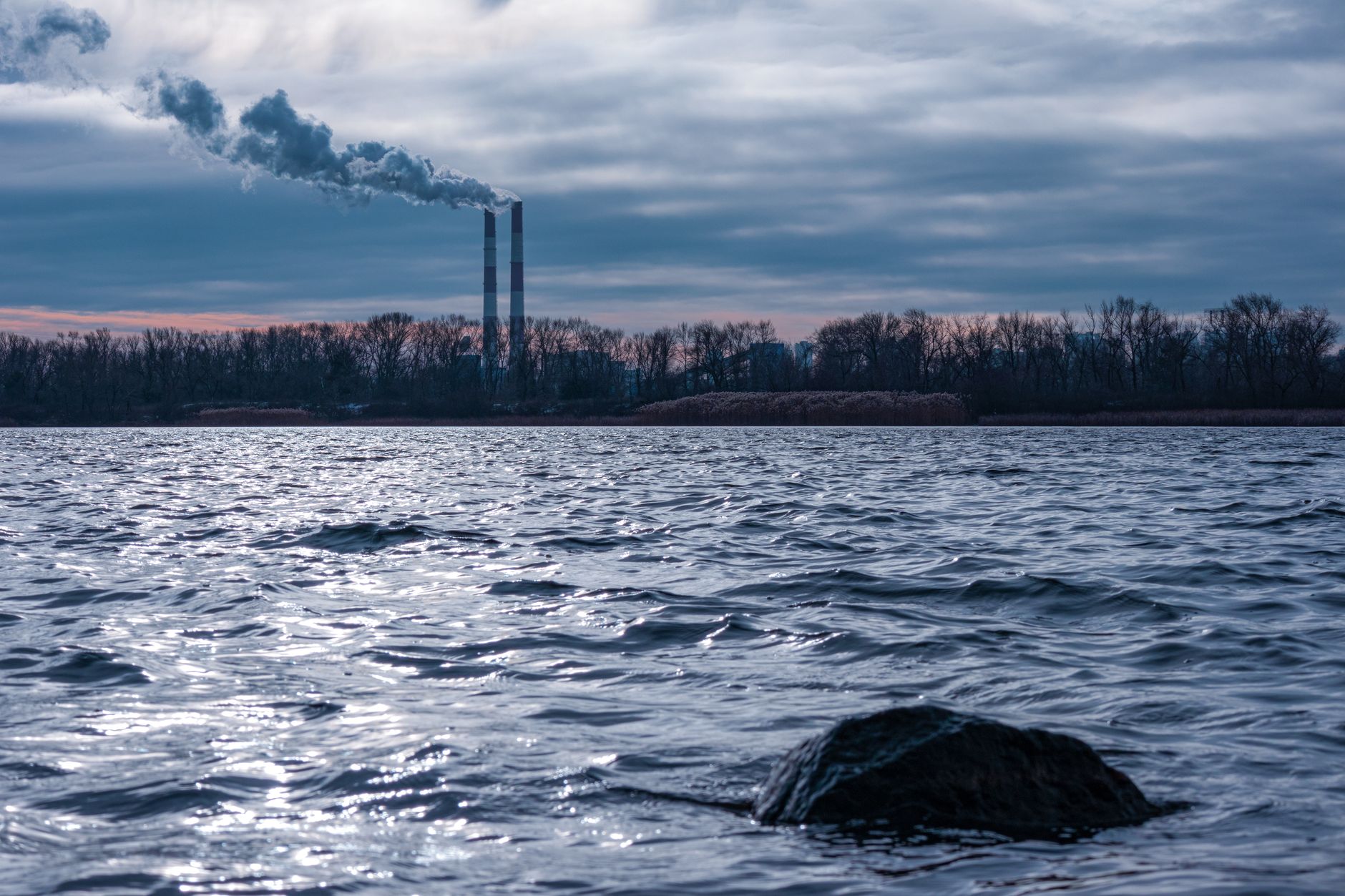
Water usage often leads to pollution, further exacerbating environmental problems. This contamination stems from various sources:
- Agricultural Runoff: Fertilizers, pesticides, and animal waste pollute waterways, leading to eutrophication, the excessive enrichment of water with nutrients. This can cause algal blooms, depleting oxygen and harming aquatic life.
- Industrial Discharge: Factories release a variety of pollutants into rivers and streams, including heavy metals, chemicals, and thermal pollution (heated water). These pollutants can be toxic to aquatic organisms and render water unsafe for human use.
- Domestic Wastewater: Untreated or inadequately treated sewage contaminates water sources with pathogens and organic matter, posing risks to human health and the environment.
Ecosystem Disruption
The combined effects of water depletion and pollution disrupt delicate ecosystems:
- Habitat Loss: As water sources dry up or become polluted, habitats are destroyed, forcing species to relocate or face extinction.
- Impacts on Aquatic Life: Fish, amphibians, and other aquatic organisms are highly sensitive to changes in water quality and quantity. Pollution and reduced flow can directly kill them or disrupt their food chains.
- Changes in Biodiversity: The loss of key species can alter the structure and function of ecosystems, leading to a decline in overall biodiversity.
Energy Consumption
It’s crucial to remember the energy-water nexus. Treating, transporting, and distributing water requires significant energy. This energy consumption contributes to:
- Greenhouse Gas Emissions: Most energy production still relies on fossil fuels, leading to the release of greenhouse gases that contribute to climate change. Climate change, in turn, further exacerbates water scarcity and intensifies droughts and floods.
- Air Pollution: Burning fossil fuels releases air pollutants that harm human health and the environment.

FAQs: Understanding the Nuances of Water Usage and its Impact
Here are some frequently asked questions to further explore the intricacies of how water usage affects the environment:
FAQ 1: What is “virtual water” or “embedded water,” and why is it important to consider?
Virtual water, also known as embedded water, refers to the amount of water used in the production of goods and services. Understanding virtual water is crucial because it reveals the hidden water footprint of our consumption habits. For example, producing a single beef burger requires thousands of liters of water, far more than simply washing it. By being aware of the virtual water content of our food, clothing, and other products, we can make more informed choices to reduce our overall water footprint.
FAQ 2: How does agricultural irrigation contribute to water scarcity?
Agriculture is the largest consumer of water globally, and inefficient irrigation practices contribute significantly to water scarcity. Over-irrigation leads to waterlogging, salinization of soils, and the depletion of aquifers. Furthermore, evaporation from irrigation canals and fields wastes vast quantities of water. Transitioning to more efficient irrigation techniques, such as drip irrigation and precision irrigation, can significantly reduce water consumption in agriculture.
FAQ 3: What role does deforestation play in affecting water resources?
Forests play a critical role in the water cycle. They act as natural sponges, absorbing rainfall and releasing it slowly into rivers and groundwater. Deforestation disrupts this process, leading to increased runoff, soil erosion, and reduced water infiltration. This can result in more frequent floods and droughts, as well as decreased water availability for downstream users.
FAQ 4: How does climate change exacerbate water-related environmental problems?
Climate change is intensifying the water cycle, leading to more extreme weather events. This means more intense droughts in some regions and more frequent and severe floods in others. Rising temperatures also increase evaporation rates, further exacerbating water scarcity. The melting of glaciers and snowpack, which serve as important water sources for many communities, is also a significant concern.
FAQ 5: What are some ways individuals can reduce their water footprint at home?
Individuals can significantly reduce their water footprint by adopting simple water-saving practices at home:
- Install low-flow showerheads and toilets.
- Fix leaky faucets and pipes promptly.
- Water lawns efficiently, preferably during cooler hours.
- Collect rainwater for gardening.
- Choose water-efficient appliances.
- Be mindful of water usage when washing dishes and clothes.
FAQ 6: What are “water-sensitive urban designs (WSUD)” and how do they help manage water resources in cities?
Water-sensitive urban design (WSUD) is an integrated approach to urban planning and design that aims to minimize the environmental impact of urban development on water resources. WSUD incorporates strategies such as rainwater harvesting, stormwater management, and green infrastructure to reduce runoff, improve water quality, and create more sustainable urban environments.
FAQ 7: How does hydraulic fracturing (fracking) affect water resources?
Hydraulic fracturing (fracking), a technique used to extract oil and gas from shale rock, requires vast amounts of water. This can strain water resources, particularly in arid regions. Furthermore, fracking can contaminate groundwater with chemicals and wastewater, posing risks to human health and the environment.
FAQ 8: What are the environmental impacts of building large dams?
While dams can provide benefits such as water storage and hydroelectric power, they also have significant environmental impacts. They can alter river flow patterns, disrupt fish migration, and inundate vast areas of land, leading to habitat loss and displacement of communities. Dams also trap sediment, which can reduce the fertility of downstream floodplains.
FAQ 9: How can we promote more sustainable water management practices in industry?
Sustainable water management in industry requires a multifaceted approach, including:
- Implementing water-efficient technologies.
- Recycling and reusing wastewater.
- Reducing water consumption in manufacturing processes.
- Treating industrial effluent to remove pollutants before discharge.
- Conducting regular water audits to identify opportunities for improvement.
FAQ 10: What is “desalination,” and is it a sustainable solution to water scarcity?
Desalination is the process of removing salt and other minerals from seawater or brackish water to produce freshwater. While desalination can provide a reliable source of water in arid regions, it is an energy-intensive process and can have negative environmental impacts, such as the discharge of highly concentrated brine back into the ocean. Desalination is best considered a supplement to, not a replacement for, other water conservation and management strategies.
FAQ 11: What is the role of government policy in addressing water-related environmental problems?
Government policies play a crucial role in promoting sustainable water management. This includes:
- Setting water quality standards and enforcing regulations to prevent pollution.
- Investing in water infrastructure, such as water treatment plants and irrigation systems.
- Promoting water conservation and efficiency through incentives and education programs.
- Establishing water rights and allocating water resources fairly.
- Supporting research and development of new water technologies.
FAQ 12: What are some innovative technologies being developed to address water scarcity and improve water management?
Several innovative technologies are being developed to address water scarcity and improve water management, including:
- Advanced water treatment technologies, such as membrane filtration and advanced oxidation processes, to remove pollutants from wastewater.
- Smart irrigation systems that use sensors and data analytics to optimize water delivery.
- Atmospheric water generators that extract water from the air.
- Leak detection systems that can identify and repair leaks in water distribution networks.
- Water harvesting technologies that capture and store rainwater.
By understanding the complex interplay between water usage and the environment, we can make informed decisions and advocate for policies that promote sustainable water management for the benefit of both ecosystems and human societies. The future of our planet depends on it.