

How Dogs Maintain Their Cool: Body Temperature Regulation Explained
Dogs regulate their body temperature primarily through panting and, to a lesser extent, through vasodilation in their paws, as their fur coats limit the effectiveness of sweating like humans do; understanding this process is crucial for pet owners to ensure their dogs’ well-being, especially in extreme weather conditions.

Introduction: Understanding Canine Thermoregulation
Dogs, unlike humans, aren’t equipped with a highly efficient sweating mechanism to cool down. Their thick fur coats, while providing insulation in the winter, can be a hindrance in the summer. So, how does a dog regulate its own body temperature? The answer lies in a fascinating combination of physiological adaptations that allow them to maintain a stable internal environment despite external temperature fluctuations. Understanding these mechanisms is essential for responsible pet ownership and ensuring your furry friend stays comfortable and healthy.
The Panting Mechanism: A Dog’s Primary Cooling System

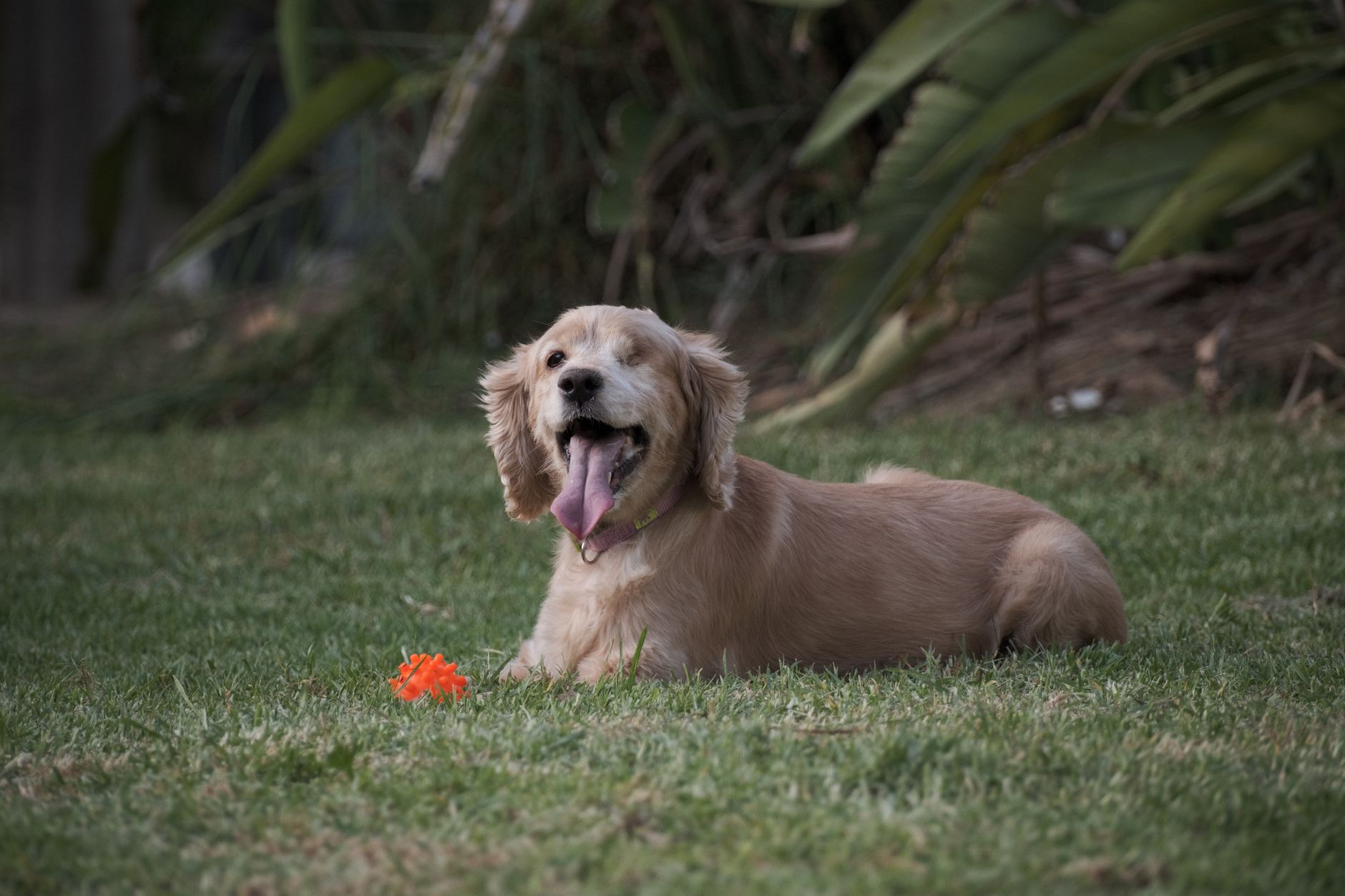
The most significant way how does a dog regulate its own body temperature? is through panting. Panting involves rapid, shallow breaths that increase the evaporation of water from the dog’s tongue, nasal passages, and the lining of the lungs.
- Evaporation is Key: As the water evaporates, it carries heat away from the body, resulting in a cooling effect.
- Respiratory Rate: A healthy dog at rest typically breathes 10-30 times per minute. During panting, this rate can increase dramatically, sometimes exceeding 300 breaths per minute.
- Brain Control: The hypothalamus, a region in the brain responsible for temperature regulation, initiates the panting response when the dog’s internal temperature rises above a certain threshold.
It’s important to note that excessive panting can be a sign of overheating, stress, or even underlying medical conditions.
Vasodilation: Cooling Through Blood Flow
While not as effective as panting, vasodilation plays a supporting role in how does a dog regulate its own body temperature?. Vasodilation refers to the widening of blood vessels near the surface of the skin. In dogs, this process is most pronounced in their paws.
- Paw Power: Dogs have limited sweat glands primarily located on their paws. When vasodilation occurs in the paws, more blood flows to the surface, allowing heat to dissipate into the environment.
- Limited Impact: Due to the relatively small surface area of the paws compared to the rest of the body, vasodilation alone isn’t enough to significantly lower a dog’s body temperature. It primarily complements the cooling effects of panting.
Factors Affecting a Dog’s Ability to Thermoregulate
Several factors can influence a dog’s ability to effectively regulate its body temperature:
- Breed: Brachycephalic (short-nosed) breeds like Bulldogs and Pugs are more prone to overheating due to their shortened nasal passages, which make panting less efficient.
- Age: Puppies and senior dogs are generally more vulnerable to temperature extremes than adult dogs.
- Coat Thickness: Dogs with thick, double-layered coats may struggle to stay cool in hot weather. Regular grooming can help remove excess fur and improve airflow.
- Health Conditions: Certain medical conditions, such as heart disease and respiratory problems, can impair a dog’s ability to thermoregulate.
- Hydration: Dehydration can significantly reduce a dog’s ability to cool down through panting.
Recognizing the Signs of Overheating
Being able to recognize the signs of overheating is crucial for preventing heatstroke, a potentially life-threatening condition. Common symptoms include:
- Excessive panting
- Drooling
- Red gums
- Weakness or lethargy
- Vomiting or diarrhea
- Collapse
- Seizures
If you suspect your dog is overheating, take immediate action by moving them to a cool place, offering water, and applying cool (not ice-cold) water to their body, especially around the groin and armpits. Contact your veterinarian immediately.
Preventing Overheating: Practical Tips
Preventing overheating is always better than treating it. Here are some practical tips to help keep your dog cool and comfortable:
- Provide Plenty of Water: Ensure your dog has access to fresh, cool water at all times.
- Limit Outdoor Activity: Avoid strenuous exercise during the hottest part of the day.
- Provide Shade: When outdoors, provide a shady spot where your dog can escape the sun.
- Never Leave Your Dog in a Parked Car: Even on a mild day, the temperature inside a parked car can rise to dangerous levels in minutes.
- Consider a Cooling Vest or Mat: These products can help absorb heat and keep your dog cool.
- Take walks during the cooler parts of the day: Early morning and late evening walks are safer during warmer weather.
- Avoid Asphalt: Asphalt can get very hot and burn your dog’s paws.
- Grooming: Regular grooming to remove loose fur can aid in the cooling process
The Role of Hydration
Proper hydration is absolutely critical for efficient thermoregulation. Water is essential for panting, the dog’s primary cooling mechanism. Without sufficient water, the body cannot effectively dissipate heat through evaporation. Dehydration also reduces blood volume, impairing vasodilation and further compromising the cooling process. Always ensure your dog has access to fresh, clean water, especially during and after physical activity and on warm days. Electrolyte solutions, under veterinary advice, can be beneficial in cases of significant fluid loss.
Breeds Prone to Overheating
Some dog breeds are particularly vulnerable to overheating due to their physical characteristics. Brachycephalic breeds, with their short snouts and compressed airways, struggle to pant effectively.
| Breed | Why they are susceptible |
|---|---|
| Bulldogs | Shortened nasal passages restrict airflow, making panting less efficient. |
| Pugs | Similar to Bulldogs, their facial structure hinders effective panting. |
| Boxers | Can have breathing difficulties related to their brachycephalic features. |
| Shih Tzus | Their facial structure restricts airflow, making panting less efficient. |
| Pekingese | Small airway diameters are more susceptible to overheating. |
| Saint Bernards | Thick fur and large size make cooling more challenging. |
Other breeds with thick coats, such as Huskies and Saint Bernards, can also be more susceptible to overheating. Vigilant monitoring and preventative measures are particularly crucial for these breeds.
Conclusion: Keeping Your Canine Companion Cool
Understanding how does a dog regulate its own body temperature? is paramount to ensuring its health and well-being. By recognizing the importance of panting and vasodilation, and by taking proactive steps to prevent overheating, you can help your furry friend stay comfortable and safe in all weather conditions. Remember that responsible pet ownership involves understanding and addressing your dog’s unique physiological needs.
Frequently Asked Questions (FAQs)
Why can’t dogs sweat like humans?
Dogs have a limited number of sweat glands, mostly located in their paw pads. While these glands contribute slightly to cooling, they aren’t sufficient for significant temperature regulation. The primary method how does a dog regulate its own body temperature is through panting, which is far more efficient in their physiology than sweating.
Is it normal for my dog to pant a lot after exercise?
Yes, panting is a normal and necessary response to exercise. It’s the primary way a dog cools down after physical activity. However, excessive or prolonged panting, especially if accompanied by other signs of distress, should be evaluated by a veterinarian to rule out any underlying health issues.
What is heatstroke in dogs, and how can I prevent it?
Heatstroke is a life-threatening condition that occurs when a dog’s body temperature rises to dangerous levels. It can be prevented by providing plenty of water, limiting outdoor activity during hot weather, providing shade, and never leaving your dog in a parked car. If you suspect your dog has heatstroke, seek immediate veterinary care.
Are some dogs more prone to overheating than others?
Yes. Brachycephalic breeds like Bulldogs and Pugs, puppies, senior dogs, and dogs with thick coats or underlying health conditions are more vulnerable to overheating. Careful monitoring and proactive measures are essential for these dogs.
What should I do if my dog is panting excessively and seems distressed?
If your dog is panting excessively and showing signs of distress, such as red gums, weakness, or vomiting, move them to a cool place, offer water, apply cool water to their body, and contact your veterinarian immediately.
Can I shave my dog’s fur to help them stay cool in the summer?
Shaving a dog’s fur can sometimes do more harm than good. While it may seem logical to shave off excess fur, a dog’s coat provides insulation against both heat and cold. Shaving can disrupt this natural insulation and increase the risk of sunburn. Consult with a groomer or veterinarian before shaving your dog’s coat.
Does the color of a dog’s coat affect how hot they get?
Yes, darker-colored dogs tend to absorb more heat than lighter-colored dogs. This is because dark colors absorb more sunlight than light colors. This is similar to how dark clothing gets hotter than light clothing in the sun.
What are some signs of dehydration in dogs?
Signs of dehydration in dogs include:
- Sunken eyes
- Dry gums
- Loss of skin elasticity (when you gently pinch and lift the skin on the back of their neck, it should spring back quickly; if it stays tented, the dog is likely dehydrated)
- Lethargy
Ensure your dog has constant access to fresh, clean water to prevent dehydration.
Is it safe to give my dog ice water to cool them down?
While offering your dog cool water is beneficial, avoid giving them large amounts of ice water too quickly. This can sometimes cause stomach upset. Gradually cooling them down is safer and more effective.
Can dogs get sunburned?
Yes, dogs can get sunburned, especially those with light-colored fur or thin coats. Protect your dog from the sun by providing shade, using dog-safe sunscreen on exposed areas (like the nose and ears), and limiting their time in direct sunlight.
Are cooling vests effective for dogs?
Cooling vests can be a helpful tool for keeping dogs cool, especially during outdoor activities. These vests typically work by absorbing water and slowly releasing it through evaporation, creating a cooling effect. Choose a vest that fits properly and monitor your dog for signs of overheating, even when wearing a cooling vest.
How does humidity affect a dog’s ability to regulate their body temperature?
High humidity makes it harder for dogs to cool down through panting. When the air is already saturated with moisture, evaporation from the tongue and respiratory tract is less efficient, reducing the cooling effect. In humid conditions, take extra precautions to prevent overheating and limit outdoor activity.