

Decoding Feline Distress: How Cats Behave When They Are in Pain
How does a cat act when they’re in pain? Cats are masters of disguise, often masking discomfort. Recognizing subtle behavioral changes is crucial for providing timely care and improving your cat’s well-being when they’re experiencing pain.

Cats, unlike their canine counterparts, are notoriously adept at concealing pain. This survival mechanism, honed over millennia, allows them to avoid appearing vulnerable to predators. However, this natural inclination can make it challenging for even the most attentive owner to recognize when their feline companion is suffering. Understanding the nuances of feline behavior is, therefore, paramount to ensuring your cat receives the prompt medical attention they require. This article will explore the subtle and not-so-subtle signs of pain in cats, providing you with the knowledge to advocate for your beloved pet’s health.
The Evolutionary Reasons Behind Feline Pain Concealment
Cats instinctively hide pain. This stems from their evolutionary history. In the wild, showing weakness equates to becoming prey. This ingrained behavior means that recognizing pain in cats requires careful observation and an understanding of their individual baseline behavior. They are designed to minimize any outward signs of vulnerability.
Understanding Feline Body Language: The Silent Language of Pain
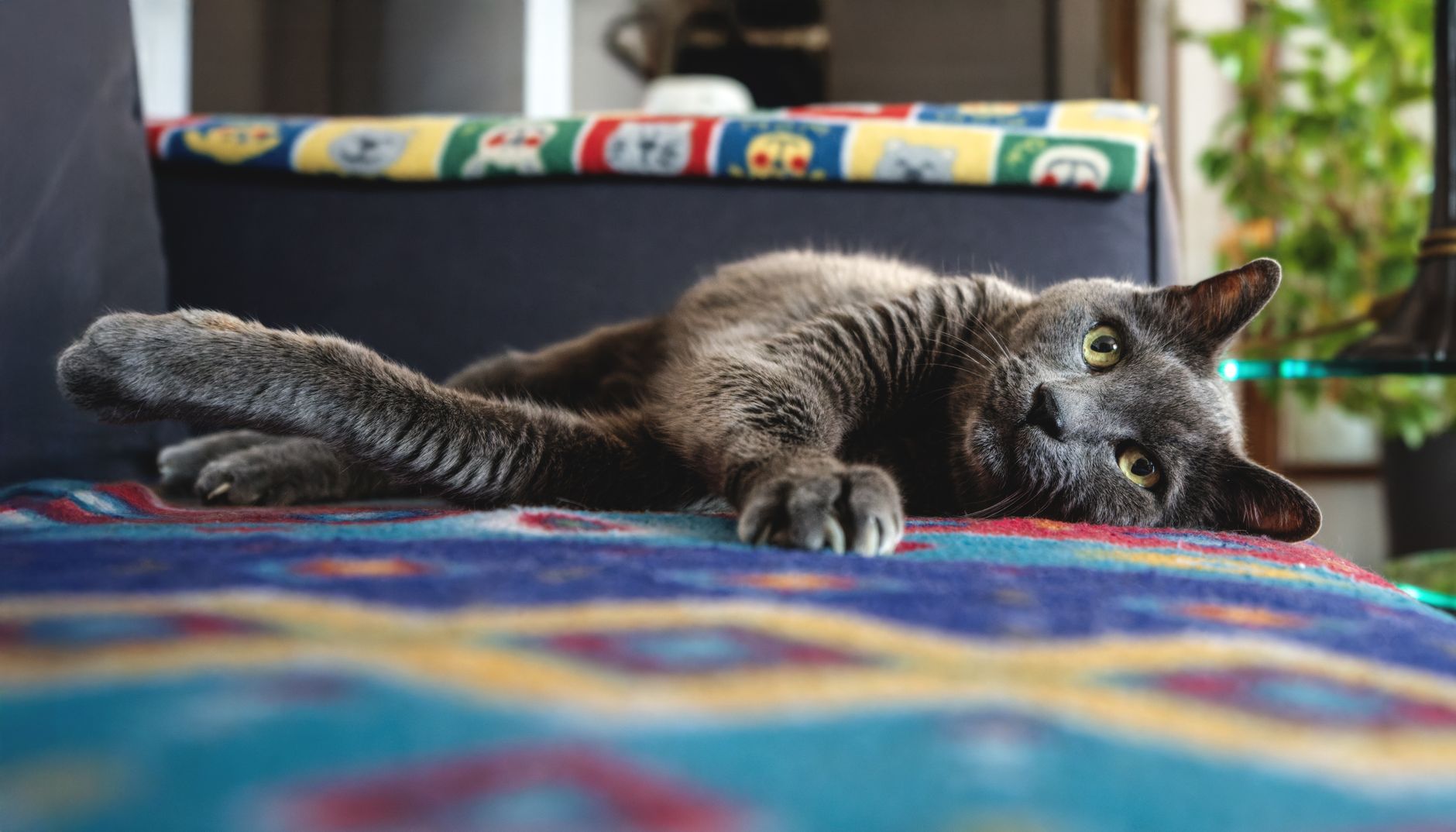
Body language provides invaluable clues regarding your cat’s comfort level. Subtle shifts in posture, facial expressions, and movement can all indicate pain. It’s essential to become familiar with your cat’s normal behavior so that you can identify deviations that suggest something is amiss. Pay close attention to subtle changes, as these are often the earliest indicators of a problem.
Specific Behavioral Changes Indicating Pain
How does a cat act when they’re in pain? A multitude of behavioral changes can signify pain in cats. These can range from subtle shifts in their daily routine to more obvious signs of distress. By being attentive to these changes, you can detect problems early and seek appropriate veterinary care.
-
Changes in Activity Level: A painful cat may become less active, sleeping more than usual, or avoiding activities they once enjoyed, such as playing or jumping. Conversely, some cats may become restless and agitated, pacing or unable to settle comfortably.
-
Changes in Grooming Habits: Cats are typically meticulous groomers. A cat in pain may neglect grooming, resulting in a matted or unkempt coat. Alternatively, they may over-groom a particular area, potentially leading to hair loss and skin irritation.
-
Changes in Appetite and Water Intake: Pain can significantly impact a cat’s appetite. Some cats may refuse to eat altogether, while others may only eat soft foods or show a decreased interest in their usual meals. Changes in water intake can also occur, either an increase or decrease depending on the underlying cause.
-
Changes in Litter Box Habits: Painful cats may experience difficulty using the litter box. This can manifest as straining to urinate or defecate, urinating or defecating outside the litter box, or vocalizing while using the litter box.
-
Changes in Social Interaction: A cat in pain may become withdrawn and less affectionate, hiding from family members or avoiding physical contact. Conversely, some cats may become clingy and demand more attention than usual. They may also become irritable and more prone to hissing or biting.
-
Vocalization Changes: While cats aren’t usually overly vocal, a sudden increase or change in vocalization can be a sign of pain. This might include excessive meowing, hissing, growling, or even purring (sometimes used as a self-soothing mechanism).
-
Postural Changes: Pain can cause cats to adopt unusual postures to alleviate discomfort. These might include hunching over, arching their back, or holding their head in an unusual position. They may also limp or be reluctant to jump.
-
Facial Expressions: While often overlooked, a cat’s facial expression can provide valuable clues about their pain level. A painful cat may squint, have dilated pupils, or furrow their brow. The Feline Grimace Scale is a tool veterinarians use to assess pain based on facial expressions.
The Importance of Veterinary Assessment
While these behavioral changes can indicate pain, it is essential to consult with a veterinarian for a proper diagnosis and treatment plan. Your veterinarian will conduct a thorough physical examination and may recommend further diagnostic tests, such as blood work, X-rays, or ultrasound, to determine the underlying cause of your cat’s discomfort. Never attempt to self-diagnose or treat your cat’s pain, as this can be dangerous and potentially life-threatening.
Pain Management Options for Cats
Veterinarians have access to a range of pain management options for cats, including:
-
Medications: Various pain medications are available for cats, including non-steroidal anti-inflammatory drugs (NSAIDs), opioids, and nerve pain medications.
-
Physical Therapy: Physical therapy can help improve mobility and reduce pain in cats with musculoskeletal conditions.
-
Acupuncture: Acupuncture may be used to alleviate pain and inflammation in some cats.
-
Lifestyle Modifications: Adjustments to your cat’s environment, such as providing soft bedding, elevated food and water bowls, and ramps to access favorite spots, can help make them more comfortable.
| Sign | Description | Possible Cause |
|---|---|---|
| Hiding | Withdrawing from social interaction, spending more time in secluded areas. | Arthritis, dental disease, abdominal pain, injury. |
| Decreased Grooming | Matted fur, unkempt appearance. | Arthritis (especially in the back), dental pain, generalized malaise. |
| Changes in Appetite | Eating less, refusing food, showing interest but not eating. | Dental disease, nausea, abdominal pain, kidney disease. |
| Litter Box Issues | Urinating/defecating outside the box, straining, vocalizing during elimination. | Urinary tract infection, bladder stones, arthritis (making it difficult to enter the box), constipation. |
| Vocalization Changes | Excessive meowing, hissing, growling, unusual purring. | Pain, anxiety, cognitive dysfunction. |
| Posture Changes | Hunching, stiff gait, limping, reluctance to jump. | Arthritis, injury, neurological problems. |
| Facial Expressions | Squinting, dilated pupils, flattened ears, tense muzzle. | General pain, specific facial pain (e.g., dental pain). |
Common Mistakes Owners Make
Many owners miss subtle signs of pain in their cats. They may attribute behavioral changes to old age or personality quirks. Early detection and intervention are crucial for effective pain management. Delaying veterinary care can lead to chronic pain and decreased quality of life.
Conclusion: Being a Vigilant Advocate
How does a cat act when they’re in pain? By becoming attuned to your cat’s normal behavior and recognizing subtle changes, you can become a vigilant advocate for their well-being. If you suspect your cat is in pain, don’t hesitate to seek veterinary care. Early diagnosis and treatment can significantly improve your cat’s comfort and quality of life. Understanding feline behavior is critical for responsible pet ownership.

Frequently Asked Questions (FAQs)
How can I tell the difference between normal aging changes and pain in my cat?
Differentiating between normal aging and pain can be challenging. While some age-related changes, such as decreased activity level, are expected, any sudden or significant changes warrant veterinary attention. Signs of pain include decreased appetite, changes in litter box habits, and alterations in social interaction, which are often indicative of an underlying medical issue.
What is the Feline Grimace Scale, and how can it help me assess my cat’s pain?
The Feline Grimace Scale (FGS) is a standardized tool used by veterinarians to assess pain in cats based on their facial expressions. It evaluates features like ear position, orbital tightening, muzzle tension, whisker changes, and head position. While primarily used by professionals, becoming familiar with the FGS can help you identify subtle signs of pain in your cat’s face.
My cat is purring. Does that mean they are not in pain?
While purring is often associated with contentment, cats also purr when they are in pain or distressed. It’s thought that purring may be a self-soothing mechanism. Therefore, it is important to consider other factors, such as body language and behavior, to determine whether your cat is experiencing discomfort.
My cat is hiding more than usual. Is this always a sign of pain?
Hiding can be a sign of stress, anxiety, or illness, as well as pain. If your cat is suddenly hiding more frequently, it’s essential to consider other changes in their behavior. If accompanied by decreased appetite, changes in litter box habits, or increased vocalization, pain is more likely to be the underlying cause.
What are the best ways to provide pain relief for my cat at home?
Never administer any medication to your cat without consulting your veterinarian first. Many over-the-counter pain relievers are toxic to cats. Veterinarian-prescribed medications and supportive care, such as providing soft bedding and easy access to food and water, are the safest and most effective ways to manage pain at home.
Can I give my cat human pain medication?
No, never give human pain medication to your cat. Many human pain relievers, such as acetaminophen (Tylenol) and ibuprofen (Advil), are highly toxic to cats and can cause severe liver damage or death. Always consult your veterinarian for appropriate pain management options for your feline companion.
What types of diagnostic tests might my veterinarian recommend to determine the cause of my cat’s pain?
Depending on your cat’s symptoms, your veterinarian may recommend a variety of diagnostic tests, including blood work, urine analysis, X-rays, ultrasound, and specialized orthopedic or neurological examinations. These tests can help identify underlying medical conditions, such as arthritis, dental disease, urinary tract infections, or tumors, that may be causing pain.
Are there any alternative therapies for pain management in cats?
Acupuncture, physical therapy, and laser therapy are some alternative therapies that may be used to manage pain in cats. These therapies can help reduce inflammation, improve mobility, and alleviate discomfort. Discuss the potential benefits and risks of these therapies with your veterinarian.
How can I make my home more comfortable for a cat with arthritis?
Making your home more comfortable for a cat with arthritis involves providing easy access to resources and minimizing the need for jumping. Consider using ramps or steps to help your cat reach their favorite spots, providing soft bedding, and using elevated food and water bowls. Maintaining a healthy weight is also crucial for reducing stress on joints.
My cat only seems to be in pain when I touch a specific area. What does this mean?
Localized pain, which only appears when a specific area is touched, could mean that there is a localized injury or infection. For example, if touching your cats back causes them to react, it could be a sign of injury in that area. Contact your vet immediately.
Are senior cats more prone to experiencing pain?
Yes, senior cats are more prone to experiencing pain due to age-related conditions such as arthritis, dental disease, and kidney disease. Regular veterinary checkups are crucial for early detection and management of pain in senior cats.
How often should I take my cat to the vet for checkups?
Generally, adult cats should have annual checkups, while senior cats (over 10 years old) should have biannual checkups. These checkups allow your veterinarian to monitor your cat’s health, detect potential problems early, and provide appropriate preventive care. If you notice any changes in your cat’s behavior or health, schedule a veterinary appointment sooner rather than later.