

How Do You Tell If Your Dog Loves You The Most?
Determining which human holds the top spot in your dog’s heart requires observing their unique behaviors and understanding the nuances of their communication; it’s about seeing whose presence elicits the strongest bond and most consistent displays of affection.
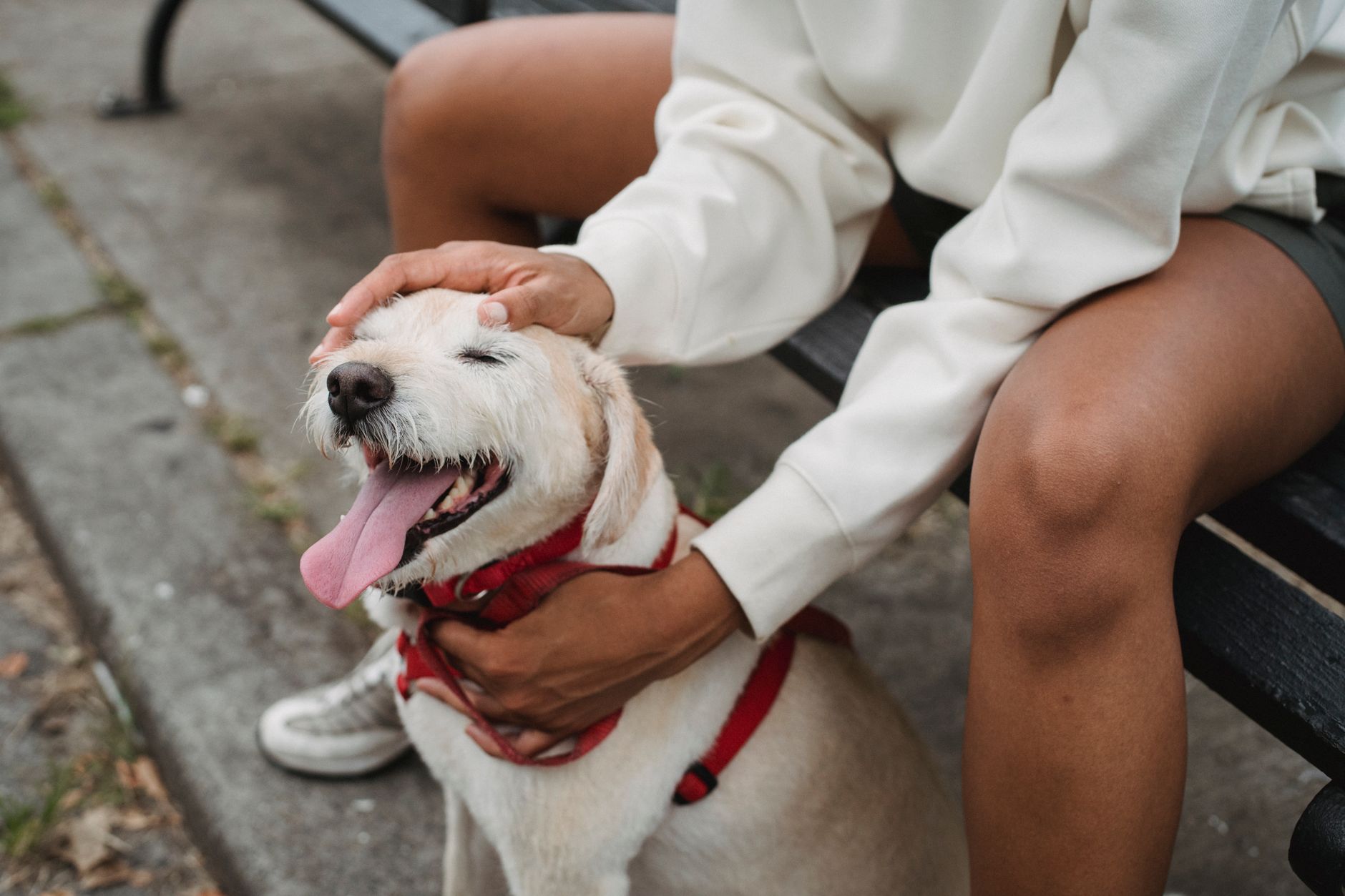
Unveiling the Canine Heart: Decoding Your Dog’s Affection
How do you tell if your dog loves you the most? It’s a question that plagues many dog owners. While dogs spread affection widely, there are subtle cues that reveal who occupies the prime position in their furry little hearts. It’s less about quantifiable love and more about consistent preferences and prioritized behaviors. This article delves into the subtle signals your dog displays, helping you interpret their devotion and understand your unique bond.
The Foundation of Canine Connection
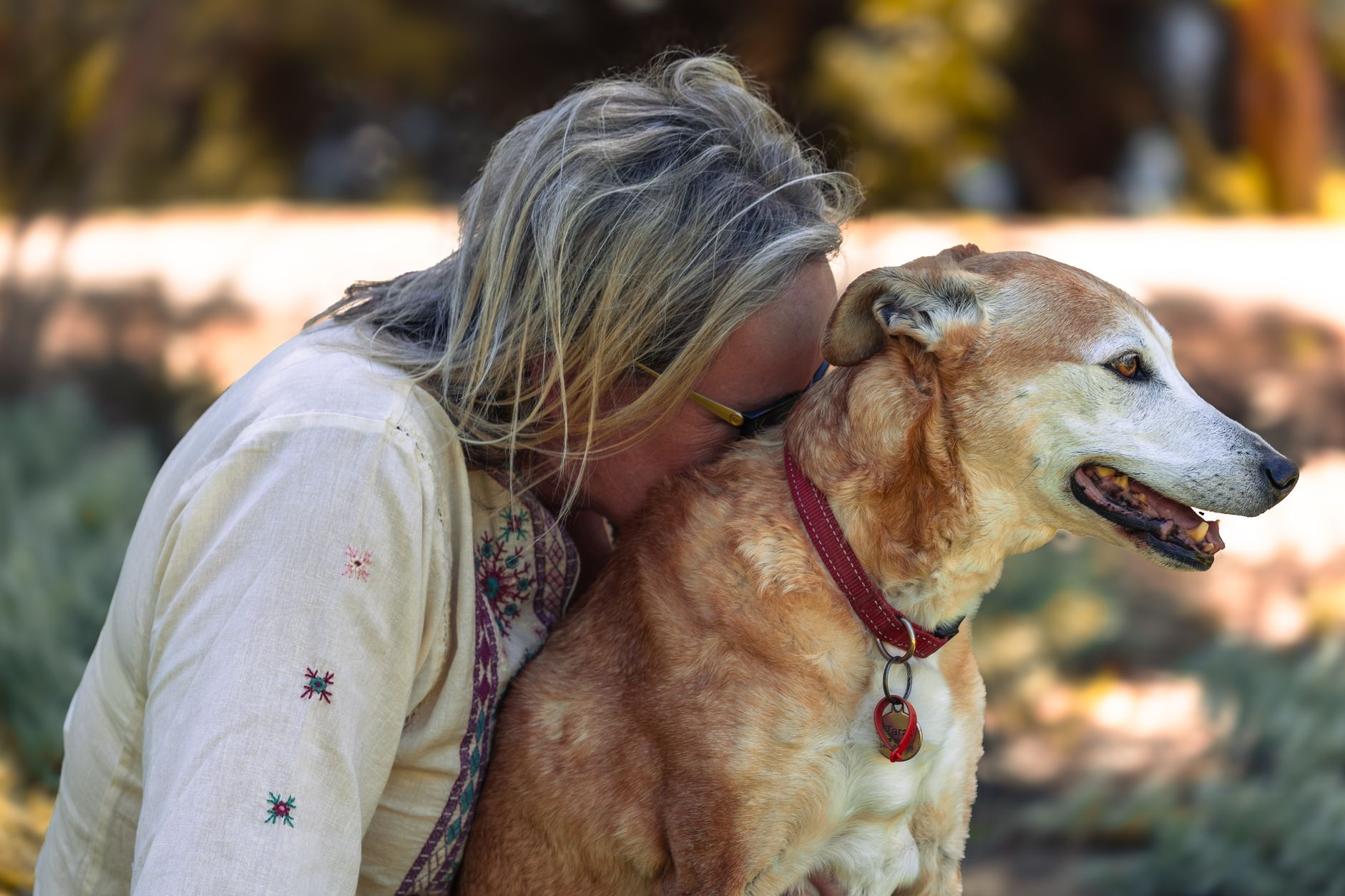
Dogs are pack animals, and their connection to humans mirrors, in many ways, their relationship with other members of their pack. The individual they perceive as their primary caregiver, protector, and source of comfort will often hold a special place in their affections. This bond is built on consistent positive interactions, shared experiences, and mutual trust. Understanding this foundation is the first step in deciphering your dog’s particular preferences.
Deciphering the Body Language of Devotion
While dogs cannot verbalize their feelings, they communicate volumes through body language. Observing these subtle cues is crucial in understanding their affection.
- Proximity: Does your dog consistently seek to be near you? Are they always at your feet, or do they choose to nap in the same room, even when other options are available? Consistent proximity indicates a strong desire to be close to their favored human.
- Eye Contact: Dogs often avoid direct eye contact with strangers or those they perceive as a threat. However, prolonged, gentle eye contact with a trusted human releases oxytocin (the “love hormone”) in both the dog and the person, strengthening their bond.
- Relaxed Body Language: When around their preferred person, dogs typically exhibit relaxed body language: loose muscles, soft eyes, a slightly open mouth, and a gently wagging tail. Absence of tension is a telltale sign of comfort and trust.
- Following You Around: Does your dog follow you from room to room? This “velcro dog” behavior is a strong indicator of attachment.
Beyond Body Language: Action Speaks Louder Than Barks
Observable actions provide even more definitive insights into a dog’s preferences.
- Greeting Enthusiasm: A dog’s greeting behavior upon your return is a clear indication of their excitement and affection. Are they more enthusiastic to see you than other members of the household? High-energy greetings often signify strong attachment.
- Seeking Comfort When Stressed: Does your dog seek you out when they are scared or anxious? If you are their go-to person for comfort, it suggests they view you as their protector and source of security.
- Sharing Toys and Resources: Dogs might bring you their favorite toys as a sign of affection and a desire to share their prized possessions. It’s a high compliment from a canine perspective!
- Responding to Your Emotional State: Dogs are highly empathetic and can sense human emotions. A dog that instinctively offers comfort or support when you are sad is deeply connected to you.
The Hierarchy of Needs: Food, Play, and Affection
The order in which a dog prioritizes different needs can also reveal who they favor. Do they seek your attention before eating or playing? Do they choose to cuddle with you over engaging in other activities? Observe which interactions they value most and who they choose to engage with in each context.
Common Misconceptions About Canine Affection
- Feeding Doesn’t Always Equal Favoritism: While providing food is important, it does not automatically guarantee that your dog loves you the most. Dogs often associate food with the provider, but true affection goes beyond basic needs.
- Training Doesn’t Always Build the Strongest Bond: While training is crucial for a well-behaved dog, it doesn’t automatically make you their favorite. Positive reinforcement and shared experiences are key to building a deep connection.
- Playing Doesn’t Always Signify Deep Affection: Dogs enjoy playing with various individuals, but the quality of the play matters. Does the play session involve genuine interaction and bonding, or is it simply a physical activity?
Practical Tips for Strengthening Your Bond
Even if you aren’t currently your dog’s favorite, there are many ways to deepen your connection:
- Consistent Positive Interactions: Engage in regular activities your dog enjoys, such as walks, playtime, and cuddle sessions.
- Positive Reinforcement Training: Use positive reinforcement techniques to train your dog, focusing on rewarding desired behaviors.
- Quality Time Together: Dedicate uninterrupted time to spend with your dog, free from distractions.
- Understanding Their Needs: Learn to recognize your dog’s body language and respond to their needs appropriately.
Conclusion: Understanding a Dog’s Unique Affection
How do you tell if your dog loves you the most? The answer lies in observing their behavior, understanding their communication, and fostering a strong, positive relationship. By paying attention to the subtle cues and prioritizing quality time, you can deepen your bond and become the apple of your dog’s eye. Remember, every dog expresses affection differently, and the most important thing is to cherish your unique connection.

Frequently Asked Questions (FAQs)
Is it possible for a dog to have multiple favorite people?
While dogs may exhibit varying degrees of affection towards different individuals, they often have a primary attachment figure. This doesn’t mean they don’t love others, but they tend to gravitate towards one person for comfort, security, and consistent affection.
What if my dog seems more excited to see other people?
Excitement levels can be misleading. A dog may be more excited to see someone they haven’t seen in a while. However, consistent seeking of your attention and comfort are stronger indicators of deep affection.
Does my dog’s breed influence who they love the most?
While breed predispositions exist, such as guarding breeds being more protective of their family, individual personalities and experiences play a larger role in determining who a dog loves the most. Nurture triumphs over nature in this case.
My dog follows my partner around more than me. Does that mean they love them more?
Not necessarily. It depends on the context. If your partner feeds, walks, and plays with the dog more often, it’s natural for the dog to spend more time with them. However, observe the quality of the interactions and your dog’s behavior when you are both present.
How can I become my dog’s favorite person?
Consistency is key. Provide consistent care, engage in activities your dog enjoys, use positive reinforcement training, and dedicate quality time to strengthen your bond. Be patient and understanding, and the connection will grow over time.
My dog sleeps in my bed but doesn’t cuddle much. Does that mean they don’t love me as much?
Sleeping in your bed is a significant sign of trust and comfort. Cuddling preferences vary among dogs. Some dogs are naturally more independent and prefer to sleep near you rather than on top of you. Respect their boundaries while appreciating the closeness.
My dog seems more attached to my kids. Is that normal?
Dogs often bond strongly with children they grow up with. The playful nature and consistent interaction with kids can create a strong connection. However, remember to ensure kids are respectful and gentle with the dog.
Does feeding my dog make me their favorite?
While providing food is important for your dog’s survival, it alone doesn’t guarantee you are their favorite. Positive associations with food, such as treats given during training or cuddles after meals, can strengthen the bond, but affection goes beyond basic needs.
What if my dog is aloof and independent?
Some dogs are naturally more independent and less demonstrative in their affection. This doesn’t mean they don’t love you, but rather that they express it differently. Respect their personality and appreciate their quiet companionship.
Is it bad if my dog is more protective of someone else in the family?
Protective behavior is often driven by instinct and may not necessarily indicate who the dog loves the most. It could be related to perceived threats or a stronger sense of responsibility towards that individual. Observe other behaviors to gain a more comprehensive understanding.
How important is physical touch in building a strong bond with my dog?
Physical touch is crucial for most dogs. Gentle petting, scratching, and cuddling can release endorphins and strengthen the bond. However, be mindful of your dog’s preferences and avoid forcing physical contact if they are uncomfortable.
If I adopted an older dog, can I still become their favorite?
Absolutely! While older dogs may have pre-existing attachments, they are still capable of forming new bonds. Patience, consistency, and positive reinforcement can help you earn their trust and affection.