
How Do You Tell If a Feral Cat Trusts You? Decoding Feline Signals
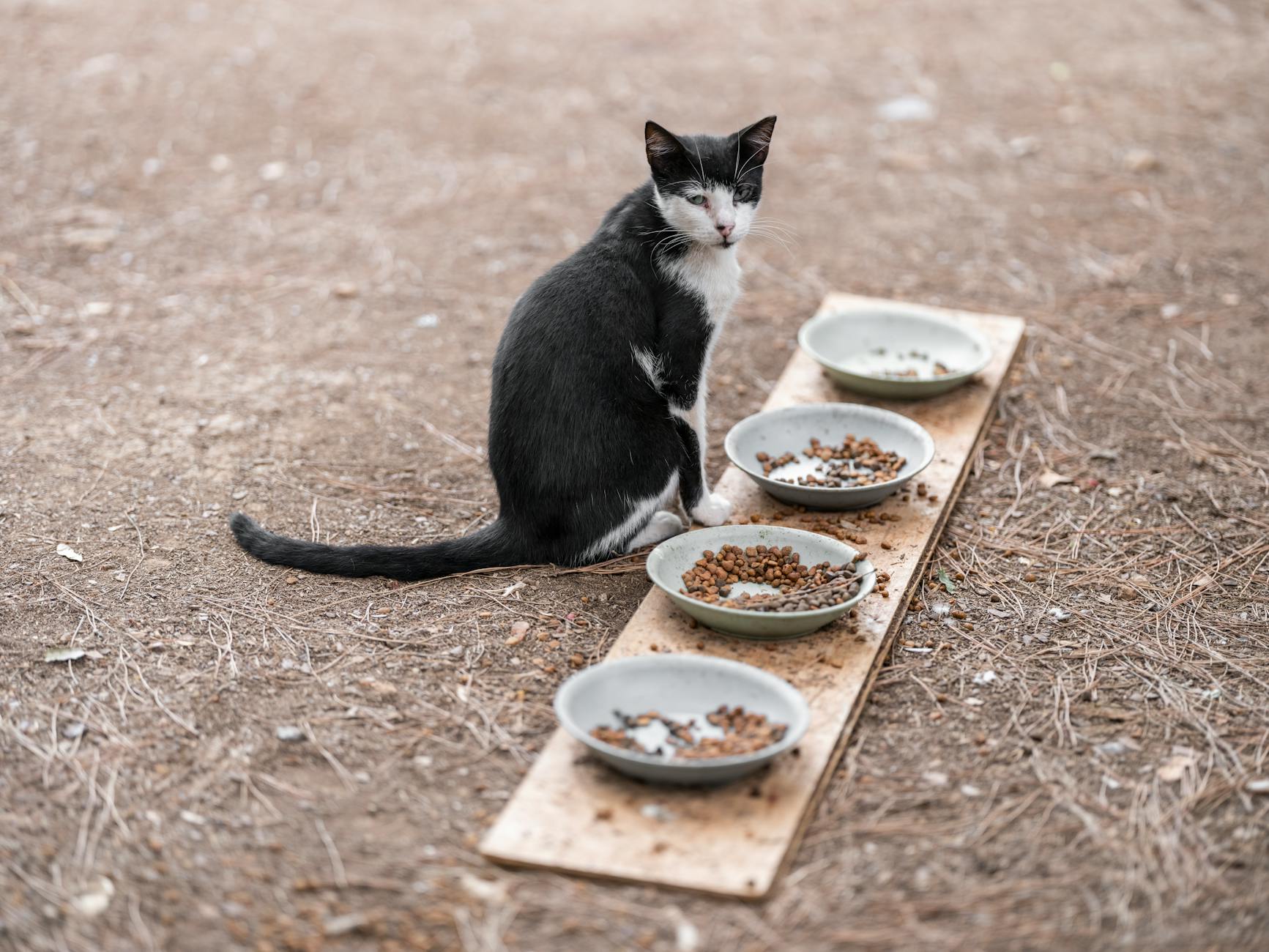
Want to know how you tell if a feral cat trusts you? The answer lies in observing subtle behavioral cues like relaxed posture, slow blinks, approaching on their own, and accepting food from your hand, all indicating a growing sense of safety and acceptance.
Understanding the World of Feral Cats
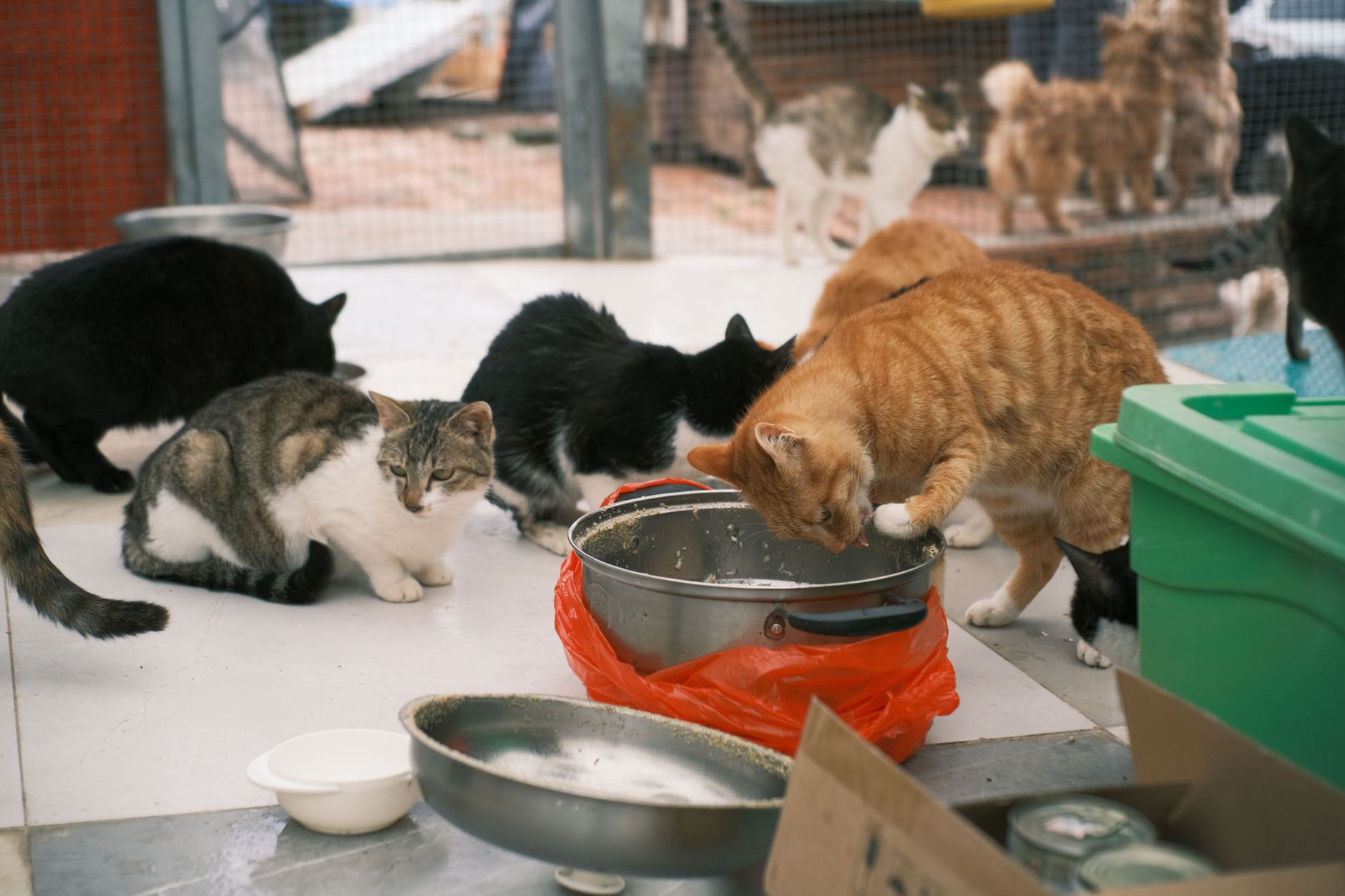
Feral cats, unlike strays or house cats, are un-socialized to humans. They are often born outside and haven’t experienced human interaction early in life. This fundamental difference impacts their behavior and makes building trust a delicate process. Recognizing their distinct needs and respecting their boundaries is paramount. Attempting to force interaction can be counterproductive, strengthening their fear and hindering any chance of forming a positive relationship.
The Slow, Steady Path to Trust

Building trust with a feral cat is not an overnight achievement; it requires patience, consistency, and understanding. The key is to demonstrate that you are not a threat. This involves consistent and predictable actions, such as providing food and water at the same time and place each day.
- Consistency is Key: Adhering to a regular schedule helps the cat predict your behavior and reduces anxiety.
- Maintain a Safe Distance: Begin by placing food at a distance and gradually moving closer as the cat becomes more comfortable.
- Speak Softly: Loud noises and sudden movements can be frightening. Use a gentle, soothing tone of voice.
Deciphering Feline Body Language: Signs of Trust
How do you tell if a feral cat trusts you? It’s about learning to “speak cat.” These subtle signals reveal their comfort level around you.
- Relaxed Posture: A relaxed cat will have a loose, non-tense body posture. Look for a slightly drooping tail and relaxed ears.
- Slow Blinks: Known as “cat kisses,” slow blinks indicate contentment and trust. Try mirroring this behavior to signal that you are not a threat.
- Approaching You: If a cat approaches you on their own accord, it’s a significant sign of trust. This indicates that they feel safe enough to investigate your presence.
- Vocalization: Soft chirps or meows can be friendly greetings, suggesting they are comfortable communicating with you.
- Accepting Food: Taking food from your hand is a substantial step. It demonstrates that they associate you with a positive experience.
Body Language Checklist: From Fear to Trust
The following table illustrates how a cat progresses from fear to trust, according to its body language and behavior.
| Behavior | Indicating Fear | Indicating Increasing Trust |
|---|---|---|
| Posture | Crouched, tense, tail tucked under body | Relaxed, stretched out, tail upright (but not puffed) |
| Eyes | Wide, dilated pupils | Narrowed, slow blinks |
| Ears | Flattened against head | Upright, relaxed, slightly forward |
| Movement | Darting, quick, hesitant | Slow, deliberate, confident |
| Approach | Avoids contact, runs away | Approaches cautiously, circles around, eventually nears you |
| Vocalization | Hissing, growling, spitting | Soft chirps, meows, purring |
| Eating Behavior | Eats quickly and leaves immediately | Eats calmly in your presence, may linger |
Common Mistakes to Avoid
Understanding what not to do is just as important as knowing what to do. Here are some common mistakes that can sabotage your efforts to gain a feral cat’s trust:
- Forcing Interaction: Never try to pick up, pet, or corner a feral cat. This will reinforce their fear.
- Loud Noises and Sudden Movements: Keep your voice low and your movements slow and deliberate.
- Inconsistency: Sporadic feeding or unpredictable behavior will confuse and frighten the cat.
- Staring: Direct eye contact can be interpreted as a threat. Avoid prolonged staring.
- Ignoring their Signals: Pay close attention to their body language and respect their boundaries. If they seem uncomfortable, back off.
The Benefits of Earning a Feral Cat’s Trust
Gaining the trust of a feral cat can be deeply rewarding, not only for you but also for the cat. Even if you never intend to bring the cat indoors, building a relationship allows you to provide essential care, such as:
- Medical Care: A trusting cat is easier to trap for vet visits, vaccinations, and spaying/neutering.
- Food and Shelter: Consistent access to food and a safe place to rest improves their quality of life.
- Observation: You can monitor their health and well-being more easily, identifying any potential problems early on.
- Community Health: Spaying/neutering feral cats helps control the population and reduces the strain on local resources.
Trapping, Neutering, Returning (TNR) and Trust
Even if your goal isn’t full domestication, fostering some trust is crucial for TNR (Trap-Neuter-Return) programs. A cat that is less terrified will be easier to trap humanely and will recover better after the procedure. The more they associate you with food, the easier it will be to lure them into a trap.
Long-Term Commitment
Building trust with a feral cat is a long-term commitment. Even after they appear comfortable around you, it’s important to continue reinforcing that trust through consistent care and respect. Remember that progress may be slow and setbacks can occur. Patience and understanding are your greatest allies.
Frequently Asked Questions (FAQs)
What is the difference between a feral cat and a stray cat?
A feral cat is born and raised without human contact, making them fearful and untrusting of people. A stray cat, on the other hand, was once domesticated but has become lost or abandoned. Stray cats are generally more adaptable to human interaction.
How long does it take for a feral cat to trust you?
There is no set timeline. It can take weeks, months, or even years, depending on the cat’s individual personality, past experiences, and the consistency of your efforts. Patience is key.
Is it possible to fully domesticate a feral cat?
While it is possible, it requires a significant amount of time, effort, and understanding. Kittens are easier to socialize than adult feral cats. Complete domestication may not always be achievable, but building a trusting relationship is always worthwhile.
What should I do if a feral cat hisses or growls at me?
Back away slowly and give the cat space. Hissing and growling are signs of fear and stress. Do not approach or try to touch the cat.
What is the best way to provide food for a feral cat?
Choose a sheltered location away from high-traffic areas. Offer dry food and fresh water in clean bowls. Establish a consistent feeding schedule.
Can I bring a feral cat indoors?
Bringing a feral cat indoors requires careful planning and preparation. It’s best to start with a small, confined space like a spare room or bathroom. Provide a safe hiding place, food, water, and a litter box. Progress slowly and allow the cat to adjust at its own pace.
How can I tell if a feral cat is sick or injured?
Look for signs such as loss of appetite, lethargy, difficulty breathing, discharge from the eyes or nose, limping, or visible wounds. If you suspect the cat is sick or injured, consult with a veterinarian. Trapping may be necessary to get them professional care.
What are the benefits of TNR (Trap-Neuter-Return)?
TNR helps control the feral cat population, reduces nuisance behaviors such as fighting and spraying, and improves the health and well-being of the cats. It’s the most humane and effective method of managing feral cat colonies.
How can I find a TNR program in my area?
Search online for “TNR programs near me” or contact your local animal shelter, humane society, or veterinary clinic. Many organizations offer TNR services and can provide assistance with trapping and transportation.
How do I trap a feral cat humanely?
Use a humane trap baited with food. Cover the trap with a blanket to reduce stress. Check the trap frequently. Once you have trapped the cat, transport it to a veterinarian or TNR program.
Is it safe to handle a feral cat?
It is not recommended to handle a feral cat without proper training and equipment. Feral cats can be unpredictable and may bite or scratch if they feel threatened. Wear thick gloves and protective clothing if you must handle a feral cat.
What if I am allergic to cats?
If you are allergic to cats, consider supporting TNR programs or feral cat colonies through donations or volunteer work that does not involve direct contact with the animals. Consult with your doctor about managing your allergies if you choose to interact with feral cats.