

How to Tell If a Bird Has a Broken Beak: Recognizing the Signs
Discovering a bird with a beak injury can be distressing. This guide provides a thorough examination of key indicators and diagnostic techniques to help you promptly identify and address potential beak fractures, ensuring the bird’s best chance for recovery. How do you tell if a bird has a broken beak? Look for visual abnormalities, behavioral changes, and signs of pain.

Understanding the Anatomy of a Bird’s Beak
The beak, or rhamphotheca, is a vital organ for birds. It is not simply a solid, inert structure. Understanding its complexity is crucial for recognizing and assessing injuries.
- Rhamphotheca Layers: The beak consists of a keratinized layer over a bone core.
- Blood Supply and Nerves: Blood vessels and nerves run through the beak, making it sensitive to pain and injury.
- Growth: The beak grows continuously throughout a bird’s life, similar to our fingernails.
- Function: The beak serves multiple crucial functions, including feeding, preening, nest building, and defense.
Identifying Visible Signs of a Broken Beak

Visual inspection is the first step in determining if a bird has suffered a beak injury. Look for the following:
- Asymmetry: Compare both sides of the beak for any noticeable differences in shape or alignment.
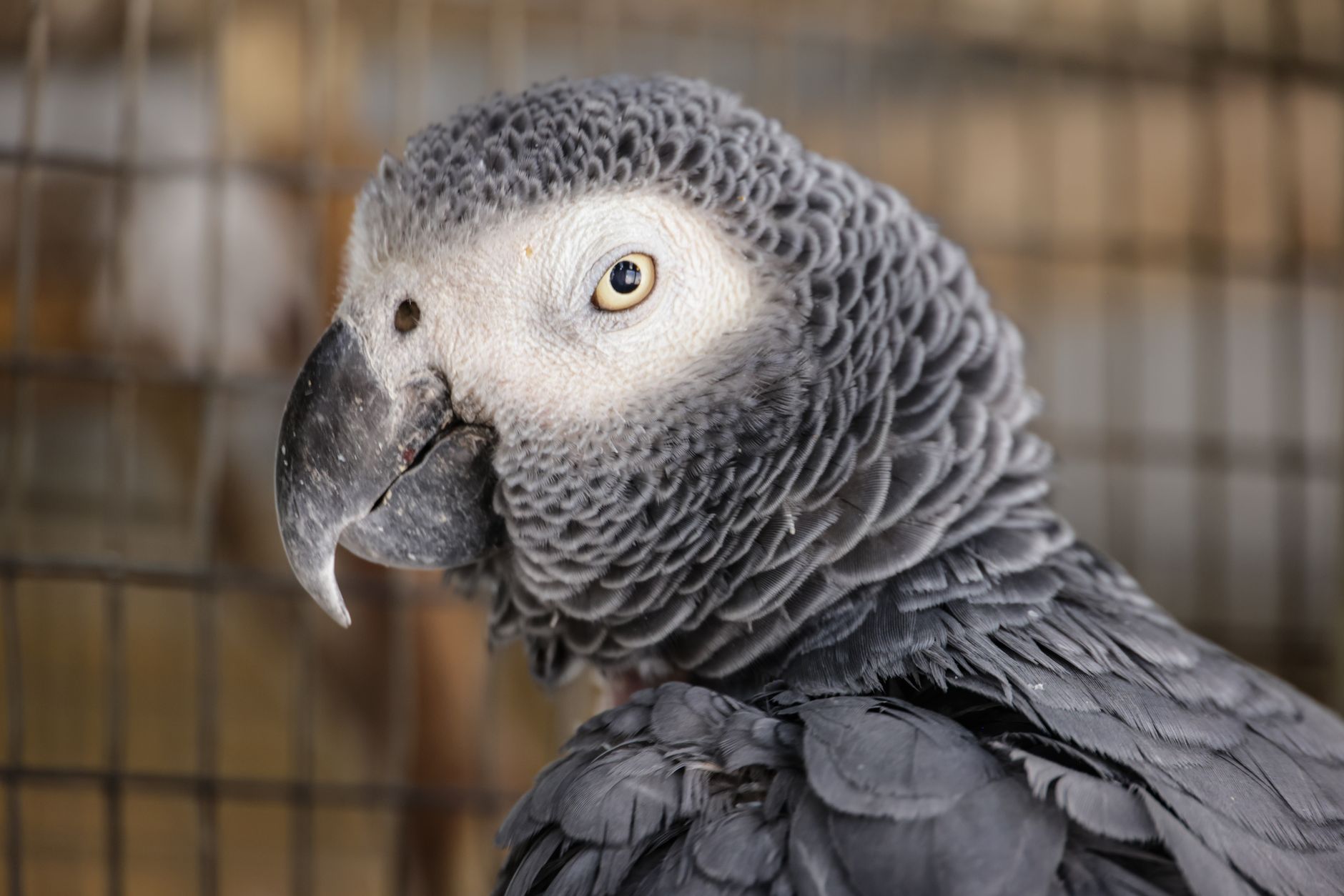
- Cracks or Fractures: Obvious cracks, splits, or missing pieces of the beak.
- Bleeding: Fresh blood or dried blood around the beak.
- Swelling or Inflammation: Around the base of the beak or the surrounding tissues.
- Discoloration: Unusual color changes, such as darkening or paleness of the beak.
- Instability: If the beak appears loose or moves unnaturally when touched gently.
Recognizing Behavioral Changes Indicative of a Broken Beak
Beyond visual signs, behavioral changes can be strong indicators of pain and discomfort resulting from a broken beak.
- Difficulty Eating: Hesitation or inability to pick up or manipulate food.
- Changes in Preening: Neglecting to preen feathers properly.
- Lethargy: Reduced activity levels or increased sleeping.
- Vocalization Changes: Unusual calls, whimpers, or silence.
- Head Shaking or Rubbing: Attempting to alleviate pain or discomfort.
- Aggression: Increased irritability or aggression due to pain.
Diagnostic Techniques for Assessing Beak Injuries
If you suspect a bird has a broken beak, a thorough examination is necessary.
- Visual Inspection: A careful visual assessment, as detailed above.
- Palpation: Gently feeling the beak for any instability or crepitus (a grating sound). Handle with extreme care to avoid causing further pain.
- Radiography (X-rays): To determine the extent and location of the fracture. This requires veterinary expertise.
- Photographic Documentation: Taking clear photos of the beak from different angles can help track the progression of the injury.
Potential Complications of Untreated Beak Fractures
Ignoring a broken beak can lead to serious complications for the bird.
- Infection: Open fractures can allow bacteria and fungi to enter the beak, leading to infections.
- Malnutrition: Difficulty eating can lead to weight loss and nutritional deficiencies.
- Dehydration: Reduced food intake can also lead to dehydration.
- Deformity: Improper healing can result in permanent beak deformities.
- Inability to Preen: Poor plumage maintenance can lead to secondary health problems.
- Death: Severe cases of untreated beak fractures can be fatal.
Emergency First Aid Measures While Seeking Professional Help
If you find a bird with a suspected broken beak, take these steps:
- Secure the Bird: Gently capture the bird and place it in a safe, quiet, and dark container.
- Control Bleeding: Apply gentle pressure with a clean cloth if the beak is bleeding.
- Provide Soft Food and Water: Offer easily digestible food and water in shallow dishes.
- Minimize Stress: Avoid handling the bird unnecessarily.
- Seek Veterinary Care: Contact a veterinarian specializing in avian medicine immediately. This is absolutely critical for proper diagnosis and treatment.
When to Consult an Avian Veterinarian
Immediate veterinary attention is crucial in cases of suspected broken beaks. A veterinarian can:
- Properly Diagnose: Accurately assess the extent of the injury.
- Provide Pain Management: Prescribe appropriate pain medication.
- Stabilize the Fracture: Apply splints or bandages to stabilize the beak.
- Perform Surgical Repair: In severe cases, surgical reconstruction of the beak may be necessary.
- Administer Antibiotics: Prevent or treat infections.
- Provide Nutritional Support: Recommend a suitable diet to aid in recovery.
Frequently Asked Questions (FAQs)
What are the common causes of broken beaks in birds?
Broken beaks can result from a variety of factors, including trauma (such as collisions with windows or vehicles, or attacks by predators), malnutrition, infections, or developmental abnormalities. Cage biting in pet birds can also be a significant cause. Ensuring a safe environment and proper nutrition is crucial in prevention.
Can a bird survive with a broken beak?
Yes, birds can survive with a broken beak, but their survival depends heavily on the severity of the injury and the availability of appropriate care. Without intervention, the bird may struggle to eat, preen, and defend itself, leading to malnutrition, infection, and potentially death.
How long does it take for a broken beak to heal in a bird?
The healing time for a broken beak varies depending on the extent of the damage, the bird’s age and health, and the treatment provided. Minor fractures may heal in a few weeks, while more severe breaks requiring surgical intervention can take several months. Consistent veterinary care and a supportive environment are critical for optimal healing.
What types of food should I offer a bird with a broken beak?
Offer the bird soft, easily digestible foods that require minimal effort to consume. Options include soaked pellets, baby bird formula, mashed fruits and vegetables, and cooked eggs. Ensure the food is provided in shallow dishes for easy access.
Is it possible to repair a severely broken beak?
Yes, severe beak fractures can often be repaired through surgical intervention. Veterinarians may use techniques such as beak reconstruction, prosthetic attachments, or the application of acrylics to stabilize and support the beak during healing.
What are the signs of infection in a broken beak?
Signs of infection in a broken beak can include redness, swelling, pus discharge, foul odor, lethargy, loss of appetite, and increased pain. Prompt veterinary treatment with antibiotics or antifungals is essential to prevent the infection from spreading.
Can a broken beak grow back completely?
While the beak will not regenerate in its entirety, the keratinized layer of the beak will continue to grow, eventually covering the damaged area. However, the new growth may not perfectly replicate the original beak’s shape or function.
What is “scissoring beak” and how is it different from a broken beak?
“Scissoring beak” is a malocclusion, where the upper and lower beaks do not align properly, often crossing over each other like scissors. This is typically a developmental or genetic issue, not a fracture. However, both can impede feeding.
How can I prevent beak injuries in pet birds?
Providing a safe and enriching environment is key to preventing beak injuries in pet birds. This includes offering a spacious cage, appropriate chew toys, a balanced diet, and regular opportunities for exercise and socialization. Avoid exposing birds to potential hazards such as open windows, ceiling fans, or aggressive pets.
What is beak trimming and when is it necessary?
Beak trimming is a procedure performed by a veterinarian or experienced avian specialist to correct overgrowth or malformation of the beak. It is typically necessary for birds that have difficulty eating, preening, or performing other essential functions due to their beak’s condition.
Can a bird with a beak injury be released back into the wild?
Releasing a bird with a beak injury back into the wild depends on the severity of the injury and the bird’s ability to function independently. If the beak has been repaired and the bird is able to eat, preen, and defend itself effectively, it may be a candidate for release. However, a thorough assessment by a qualified wildlife rehabilitator is essential to determine the bird’s suitability for release.
What are some common myths about beak injuries in birds?
One common myth is that beak injuries always heal on their own. While minor injuries may resolve without intervention, most beak fractures require veterinary care to prevent complications. Another myth is that birds can survive indefinitely with a severely broken beak. While some birds can adapt, they often suffer from malnutrition and secondary health problems without treatment.