

How to Tell a Cat They’re Hurting You: A Guide to Effective Communication
Learning how to tell a cat they’re hurting you involves understanding feline body language and using consistent, gentle techniques; immediately withdraw attention or use a firm “Ouch!” to communicate discomfort and establish boundaries.

Understanding Feline Behavior: A Foundation for Communication
Cats, despite their domesticated status, retain many instincts from their wild ancestors. Understanding their behavior is crucial for effective communication, particularly when trying to convey that they are causing you pain. Cats communicate through a complex combination of vocalizations, body language, and scent marking. A sudden nip or scratch may not always be intended as aggression, but rather as playful exploration, a signal for attention, or even a manifestation of overstimulation. Therefore, understanding the context of the interaction is vital.
Why Traditional Punishment Doesn’t Work
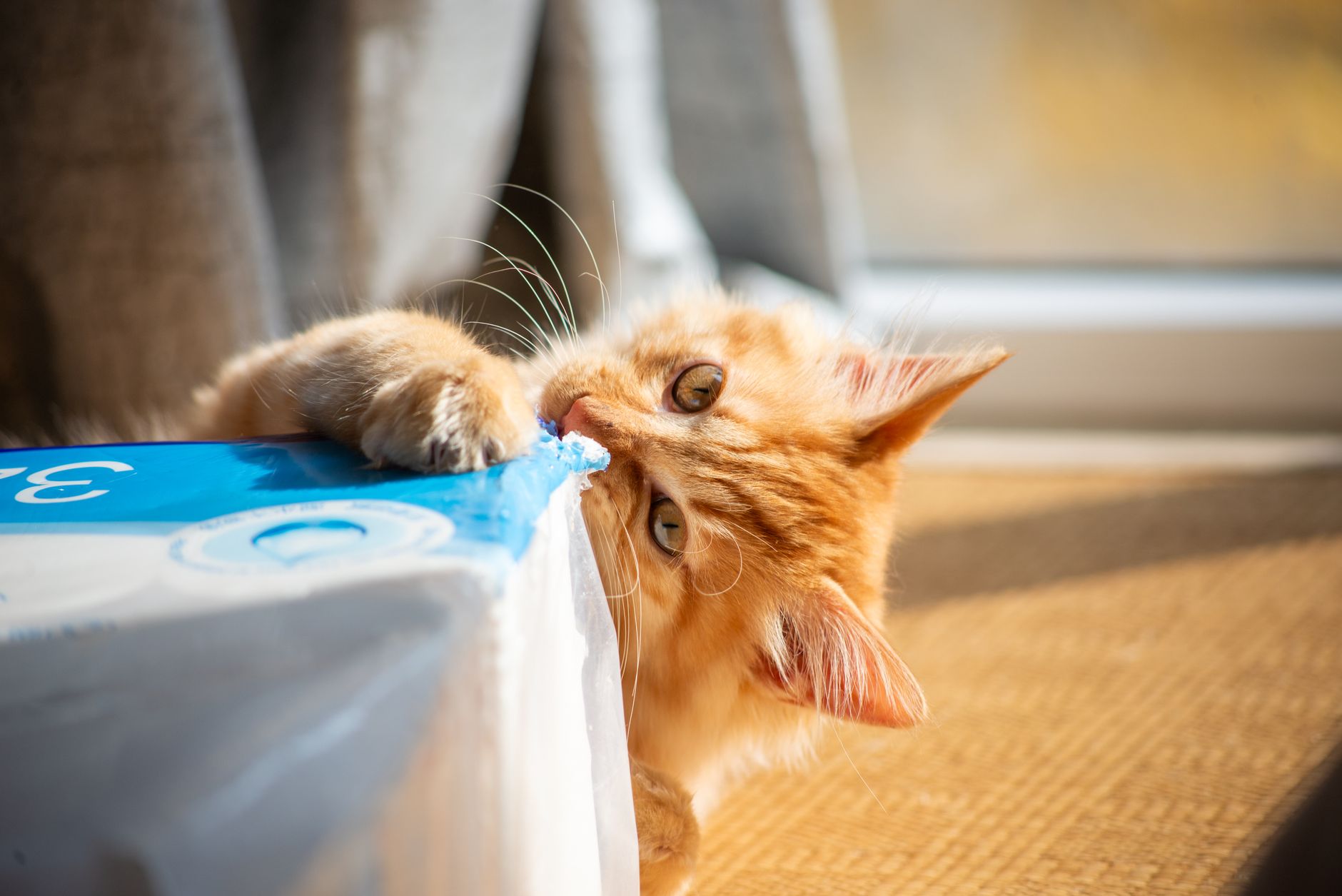
Unlike dogs, cats do not respond well to traditional punishment methods such as yelling, spraying with water, or physical reprimands. These actions can create fear and anxiety, damaging the bond between you and your cat. They may also misinterpret the punishment, associating it with you rather than their behavior. Instead of deterring the unwanted behavior, punishment can lead to increased aggression, fear-based biting and scratching, and a breakdown in trust.
Gentle and Effective Techniques: A Step-by-Step Guide
How do you tell a cat they’re hurting you? The key lies in clear, consistent, and gentle communication.
-
Withdraw Attention Immediately: This is often the most effective method. If your cat nips or scratches during play, immediately stop the interaction. This signals that the behavior leads to the end of the fun. Stand up, turn away, and ignore your cat for a short period (a few minutes).
-
Use a Verbal Cue: A firm, but not angry, “Ouch!” or “No!” can effectively communicate your discomfort. The key is consistency; use the same word or phrase every time your cat hurts you. This creates a clear association between the action and your reaction.
-
Redirect Their Attention: If your cat tends to bite or scratch during play, redirect their attention to a more appropriate target, such as a toy. Keep a variety of toys on hand, including wand toys, balls, and kick toys. This allows them to express their natural predatory instincts in a safe and acceptable manner.
-
Offer Positive Reinforcement: When your cat engages in gentle, non-painful play, reward them with praise, petting, or treats. This reinforces the desired behavior and encourages them to repeat it.
-
Understand Body Language: Learning to read your cat’s body language can help you anticipate and prevent unwanted behaviors. Watch for signs of overstimulation, such as dilated pupils, a twitching tail, or flattened ears. If you notice these signs, gently end the interaction before it escalates.
When to Seek Professional Help
In some cases, biting and scratching can be indicative of underlying medical or behavioral issues. If your cat’s behavior suddenly changes, or if you are unable to effectively manage their biting and scratching, it is essential to consult with a veterinarian or a certified feline behaviorist. They can help identify any underlying medical conditions, address any behavioral issues, and provide tailored guidance for managing your cat’s behavior.
Common Mistakes to Avoid
- Physical Punishment: As mentioned earlier, physical punishment is counterproductive and can damage your relationship with your cat.
- Yelling: Yelling can frighten your cat and create anxiety.
- Inconsistency: Inconsistency in your response can confuse your cat and make it difficult for them to understand what behavior is acceptable.
- Ignoring the Context: Failing to understand the underlying cause of the biting or scratching can lead to ineffective communication.
| Mistake | Consequence | Alternative Solution |
|---|---|---|
| Physical Punishment | Fear, anxiety, aggression, damaged relationship | Gentle redirection, verbal cues, withdrawing attention |
| Yelling | Fear, anxiety, confusion | Firm but calm verbal cues |
| Inconsistency | Confusion, delayed learning | Consistent application of verbal cues and withdrawing attention |
| Ignoring Context | Ineffective communication, continued unwanted behavior | Observe body language, identify triggers, address underlying medical/behavioral issues |
Long-Term Strategies for a Harmonious Relationship
Beyond immediate responses to biting and scratching, building a harmonious relationship with your cat requires ongoing effort and understanding. Provide ample opportunities for play and exercise, offer a stimulating environment with plenty of scratching posts and climbing structures, and ensure your cat has access to a safe and comfortable space where they can retreat when feeling overwhelmed. By addressing their needs and fostering a positive relationship, you can minimize the likelihood of unwanted behaviors and create a loving and rewarding bond with your feline companion.

Frequently Asked Questions (FAQs)
How can I tell the difference between playful biting and aggressive biting?
Playful biting is usually gentler and accompanied by playful body language, such as purring and relaxed ears. Aggressive biting, on the other hand, is often more intense and accompanied by signs of fear or aggression, such as hissing, growling, and flattened ears. Understanding the context and observing your cat’s body language are crucial for differentiating between the two.
What if my cat bites me while I’m sleeping?
If your cat bites you while you’re sleeping, it’s important to rule out any underlying medical issues. A sudden change in behavior could indicate pain or discomfort. Consult with a veterinarian to rule out medical causes. It may also be related to boredom or attention-seeking; ensure your cat has sufficient enrichment during the day.
Is it okay to use a spray bottle to deter my cat from biting?
While some people use spray bottles as a form of punishment, it’s generally not recommended. It can create fear and anxiety in your cat and damage your relationship. Gentler methods, such as withdrawing attention and using verbal cues, are more effective and less harmful.
My cat only bites when I pet her in certain areas. Why?
This likely indicates that your cat does not enjoy being touched in those areas. Respect your cat’s boundaries and avoid petting them in areas where they show signs of discomfort. Common sensitive areas include the belly and the base of the tail.
How long does it take for a cat to learn that biting hurts me?
The time it takes for a cat to learn that biting hurts you varies depending on the individual cat, their personality, and the consistency of your response. With consistent and gentle communication, you may start to see improvements within a few weeks. Patience and persistence are key.
What should I do if my cat draws blood when they bite me?
If your cat draws blood when they bite you, thoroughly clean the wound with soap and water. Seek medical attention if the bite is deep, shows signs of infection, or if you haven’t had a tetanus shot in the past five years.
My kitten bites a lot during play. Is this normal?
Yes, kitten biting is often a normal part of play. However, it’s important to teach them appropriate play behaviors early on. Use the same techniques as you would with an adult cat: withdraw attention, use verbal cues, and redirect their attention to a toy.
What are some good toys to redirect my cat’s biting behavior?
Good toys for redirecting biting behavior include wand toys, kick toys, and puzzle toys. These toys allow your cat to engage in their natural predatory instincts in a safe and acceptable manner.
Should I scold my cat after they bite me?
Scolding your cat can be counterproductive and may create fear and anxiety. Instead, focus on using gentle and consistent communication to teach them appropriate behavior.
How often should I play with my cat to prevent biting out of boredom?
Most cats benefit from at least 15-20 minutes of interactive play each day. Divide this into several short sessions to keep them engaged.
What if my cat is biting out of fear?
If your cat is biting out of fear, it’s important to identify the source of their fear and address it. Provide them with a safe and comfortable space where they can retreat when feeling overwhelmed. Consult with a veterinarian or a certified feline behaviorist for guidance.
How do you tell a cat they’re hurting you if they are deaf?
Even if a cat is deaf, you can still communicate how to tell a cat they’re hurting you effectively through visual cues and vibrations. Immediately withdraw attention, using a clear physical signal like turning away completely. Stomping lightly near them (without scaring them) can create a vibration they feel, associated with the biting. Consistency remains crucial.