

How to Teach a Puppy to Be Calm: A Comprehensive Guide
Teaching a puppy to be calm involves consistent training, environmental management, and fulfilling their needs for exercise and mental stimulation; you can successfully cultivate a calm demeanor by focusing on positive reinforcement and creating a structured and predictable environment.

Introduction: The Importance of a Calm Puppy
Bringing a puppy into your home is an exciting time, filled with cuddles, playtime, and adorable moments. However, it also comes with challenges, especially if your puppy is constantly overexcited, hyperactive, or prone to destructive behaviors. Teaching your puppy to be calm is essential for their well-being and your peace of mind. A calm puppy is easier to manage, learns more effectively, and integrates seamlessly into family life. It builds a foundation for a well-adjusted and happy dog. This article will guide you through the key steps of How do you teach a puppy to be calm?
Benefits of a Calm Puppy
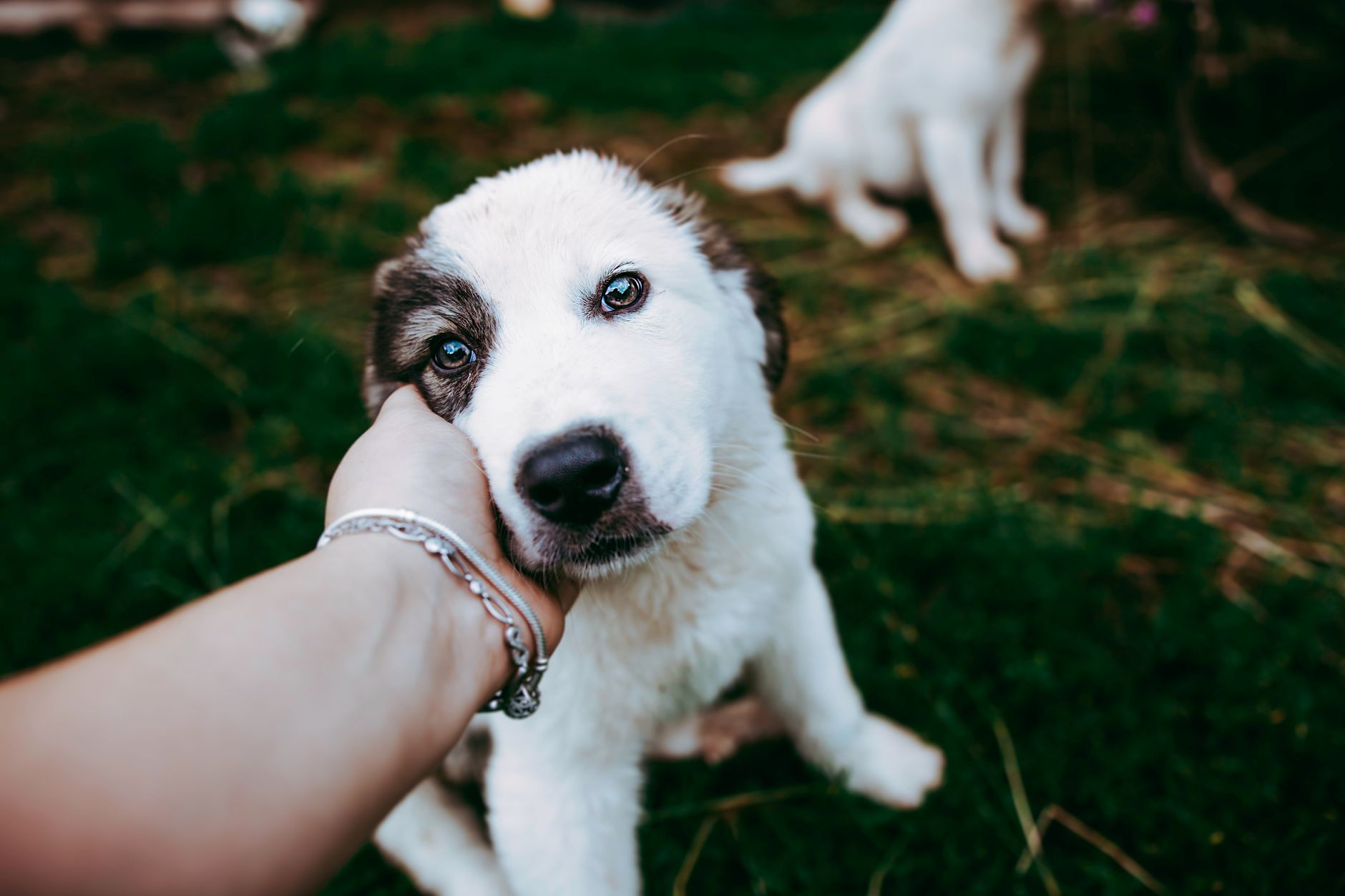
A calm puppy benefits not only you but also the puppy itself. A calmer temperament makes training sessions more productive. A calm puppy will be more receptive and focused, making learning new commands and behaviors much easier. Moreover, a calm puppy is less likely to develop behavioral issues related to anxiety, fear, or reactivity.
Here’s a quick overview of the benefits:
- Improved training: Enhanced focus and receptiveness.
- Reduced anxiety: Lower likelihood of separation anxiety or fear-based aggression.
- Better socialization: Increased ability to interact positively with other dogs and people.
- Overall well-being: A happier and more relaxed puppy.
- Stronger bond: Easier to enjoy quality time together without constant chaos.
Creating a Calm Environment
The environment plays a significant role in influencing a puppy’s behavior. A chaotic or stimulating environment can easily overwhelm a young puppy, making it difficult for them to relax. Here’s how to create a calm and relaxing space for your new furry friend:
- Designated “Safe Space”: Provide a comfortable and quiet den-like area, such as a crate or bed, where your puppy can retreat to feel safe and secure.
- Minimize Stimulation: Reduce excessive noise, bright lights, and clutter in the puppy’s environment.
- Consistent Routine: Puppies thrive on routine. Establish regular feeding, potty breaks, playtime, and nap times to provide a sense of predictability.
- Calming Music: Play soothing classical music or white noise to help relax your puppy.
- Scent Therapy: Use calming scents, such as lavender or chamomile (with vet approval), through a diffuser or collar.
Training Techniques for Calmness
Training is crucial for teaching your puppy to be calm. It’s not just about teaching commands but also about helping them learn self-control and relaxation techniques.
- Positive Reinforcement: Reward calm behaviors with treats, praise, or petting. Ignore or redirect unwanted behaviors.
- “Settle” Command: Teach your puppy a specific cue, such as “settle” or “relax,” to encourage them to lie down and be calm. Gradually increase the duration of the settle command.
- Mat Training: Train your puppy to go to a designated mat and stay there. This can be a valuable tool for teaching self-control in various situations.
- Impulse Control Games: Play games that require your puppy to wait, such as “wait” before eating or going through doorways.
- Mental Enrichment: Provide puzzle toys, chew toys, and other activities that mentally stimulate your puppy and help tire them out in a positive way.
Exercise and Mental Stimulation
While it might seem counterintuitive, adequate exercise and mental stimulation are vital for promoting calmness. A tired puppy is a calmer puppy. However, it’s important to balance exercise with rest and relaxation.
| Activity | Description | Benefit |
|---|---|---|
| Daily Walks | Regular walks provide physical exercise and exposure to new sights and smells. | Burn energy, explore environment, reduce boredom. |
| Playtime | Engage in interactive games like fetch or tug-of-war. | Bond with owner, exert energy, improve coordination. |
| Puzzle Toys | Use puzzle toys to challenge your puppy’s problem-solving skills. | Provide mental stimulation, prevent boredom, encourage independent play. |
| Training Sessions | Short, frequent training sessions keep your puppy mentally engaged. | Improve focus, learn new skills, strengthen the bond with owner. |
| Snuffle Mats | Hide treats in a snuffle mat to encourage foraging behavior. | Provide mental stimulation, slow down eating, reduce anxiety. |
Common Mistakes to Avoid
When teaching a puppy to be calm, it’s important to avoid common mistakes that can hinder progress.
- Punishment: Punishing your puppy for being hyperactive will only create fear and anxiety, making the problem worse.
- Inconsistency: Being inconsistent with your training and rules will confuse your puppy and make it difficult for them to learn.
- Insufficient Exercise: Failing to provide adequate exercise will leave your puppy with pent-up energy, making them more likely to be hyperactive.
- Ignoring the Puppy’s Needs: Ignoring your puppy’s physical or emotional needs can lead to frustration and behavioral issues.
- Over-Stimulation: Exposing your puppy to too much stimulation too soon can overwhelm them and make it difficult for them to relax.

Frequently Asked Questions (FAQs)
What age should I start teaching my puppy to be calm?
You can begin immediately after bringing your puppy home. Even at 8 weeks old, puppies can learn basic commands and start developing calm habits. Early socialization and training lay the foundation for a well-behaved dog. Focus on positive reinforcement and gentle guidance during these early stages.
How long does it take to teach a puppy to be calm?
The timeframe varies depending on the puppy’s breed, personality, and consistency of training. Some puppies may show improvement in a few weeks, while others may take several months. Patience and consistency are key. Remember that it’s an ongoing process.
What are some signs that my puppy is getting overstimulated?
Signs of overstimulation include excessive barking, biting, jumping, hyperactivity, difficulty focusing, and inability to settle down. Recognizing these signs is crucial so you can remove the puppy from the stimulating environment and help them relax.
Is it normal for puppies to have bursts of energy, even when trained?
Yes, it’s perfectly normal for puppies to have “zoomies” or bursts of energy. These bursts are often a way for puppies to release pent-up energy and excitement. Allow your puppy to have these moments in a safe environment, but also teach them how to calm down afterward.
How important is socialization in teaching calmness?
Socialization is incredibly important. Exposing your puppy to a variety of people, dogs, and environments early in life can help them develop confidence and reduce anxiety, which are both crucial for calmness. However, always ensure socialization experiences are positive and controlled.
What if my puppy is naturally high-energy?
Some breeds are naturally more energetic than others. If you have a high-energy breed, ensure they get plenty of exercise and mental stimulation. Channel their energy into positive outlets, such as agility training or dog sports.
Can I use calming supplements or medications for my puppy?
Calming supplements, such as those containing L-theanine or chamomile, may help some puppies relax. However, always consult with your veterinarian before giving your puppy any supplements or medications. In some cases, anxiety medication prescribed by a vet may be necessary.
What is the role of nutrition in calmness?
A balanced and nutritious diet is essential for a puppy’s overall health and well-being, which can affect their behavior. Feed your puppy high-quality puppy food and avoid giving them sugary treats or foods that could trigger hyperactivity.
How do I deal with a puppy that barks excessively?
Excessive barking can be a sign of anxiety, boredom, or territoriality. Identify the cause of the barking and address it accordingly. Provide more exercise, mental stimulation, or training to address the underlying issue. Consult with a professional dog trainer if needed.
What are some good puzzle toys for calming a puppy?
Good puzzle toys for calming a puppy include treat-dispensing toys, snuffle mats, and Kongs filled with peanut butter. These toys provide mental stimulation and keep your puppy occupied, helping them to relax.
How do I manage puppy biting during play?
Puppy biting is a normal part of play, but it’s important to teach your puppy bite inhibition. If your puppy bites too hard, immediately stop the play session and say “Ouch!” This will teach them that biting too hard results in the end of playtime.
How do you teach a puppy to be calm? What if my puppy won’t settle down at night?
If your puppy struggles to settle down at night, establish a calming bedtime routine. This could include a gentle massage, a relaxing chew toy, or a quiet cuddle session. Ensure they have a comfortable and secure sleeping area and avoid engaging in stimulating activities close to bedtime. Making sure your puppy’s needs are met before bedtime will greatly improve sleep.