

How to Care for a Nestling Baby Bird: A Comprehensive Guide
Caring for a nestling baby bird is a significant responsibility. This guide explains the intricate process involved in providing the best possible care, answering the question “How do you take care of a nestling baby bird?” by detailing the critical steps of providing warmth, nutrition, and a safe environment to maximize its chances of survival and eventual release back into the wild.
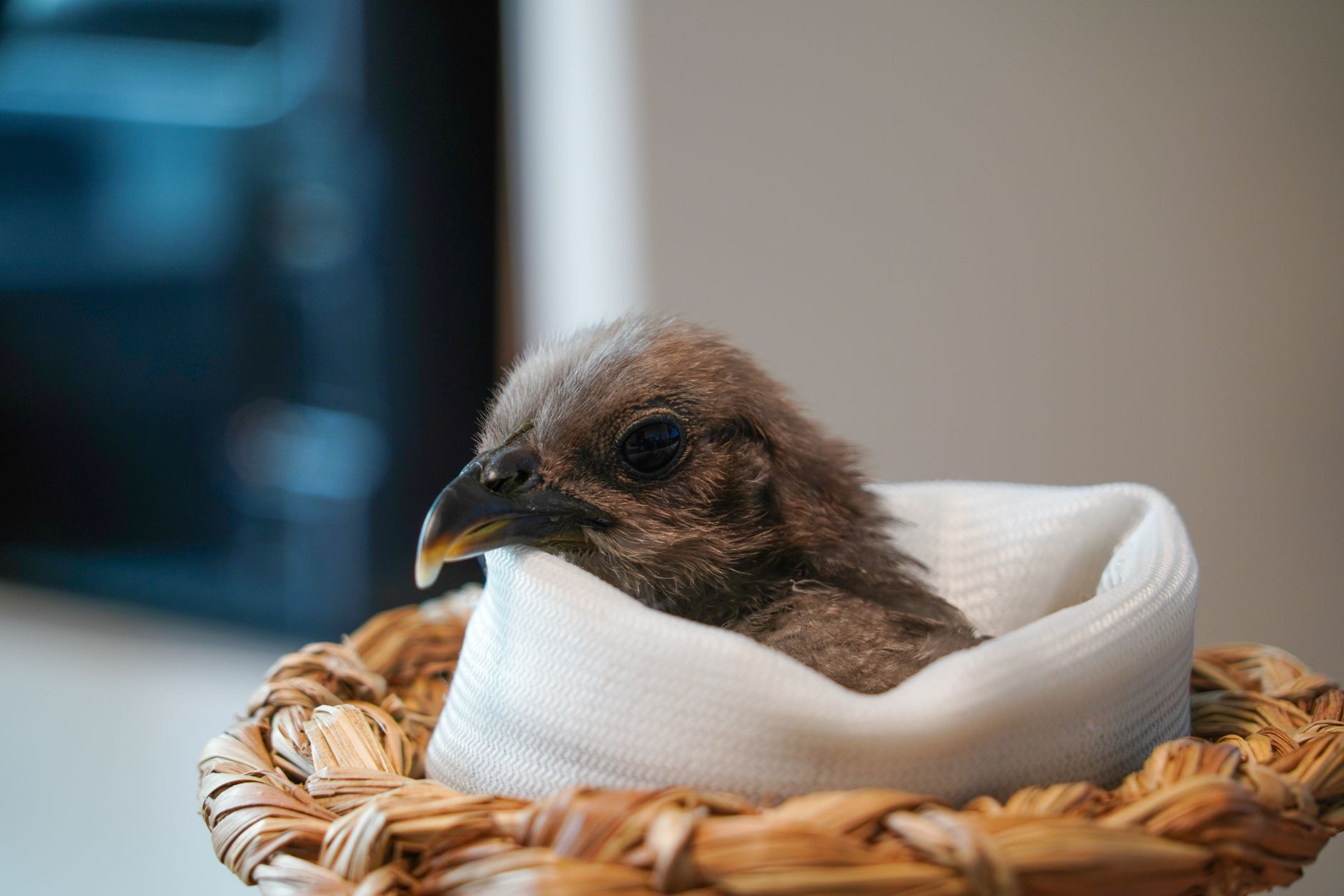
Understanding Nestling Care: A Delicate Balance
Finding a nestling baby bird can tug at your heartstrings, but it’s crucial to understand that intervening is often unnecessary and can even be detrimental. Before taking any action, ensure the bird is truly orphaned or injured. If the parents are nearby, they are usually the best caregivers. However, if the bird is clearly abandoned, injured, or in imminent danger, intervention becomes necessary. The process of “How do you take care of a nestling baby bird?” is labor-intensive and requires dedication.
Identifying a Nestling: Age and Needs

A nestling is a young bird that is still largely dependent on its parents for food and warmth. Identifying a nestling correctly is the first step in understanding “How do you take care of a nestling baby bird?“. Key characteristics include:
- Lack of Feathers: Nestlings typically have minimal feathering, often with bare skin visible.
- Closed Eyes: Some nestlings may have closed or partially open eyes.
- Inability to Hop or Fly: They are unable to move independently or fly effectively.
- Reliance on Parents: Nestlings chirp and gape widely, begging for food from their parents.
Providing Warmth: Mimicking the Nest
Nestlings are incredibly vulnerable to cold temperatures. Maintaining a stable and appropriate temperature is essential for their survival.
- Container: Place the nestling in a small container lined with soft, clean materials like paper towels or fleece. Avoid using materials like cotton, which can tangle around their limbs.
- Heat Source: Use a heating pad set on low or a heat lamp positioned safely away from the container to provide warmth. A good temperature range to aim for is 85-90°F (29-32°C).
- Monitoring: Regularly monitor the nestling’s behavior. If it’s panting or appears restless, it’s likely too hot. If it’s shivering or lethargic, it’s too cold. Adjust the heat source accordingly.
Feeding the Nestling: A Grueling Schedule
Proper nutrition is paramount to a nestling’s growth and development. Determining the correct diet depends on the species of bird. This is a critical step when considering “How do you take care of a nestling baby bird?“
- Species Identification: If possible, identify the species of bird to determine its dietary needs. Insectivorous birds need insects, while granivorous birds need seeds. Local wildlife rehabilitators can often assist with identification.
- Commercial Bird Food: Commercial hand-rearing formulas are available at pet stores and online. These are often a good starting point.
- Homemade Formula (If Necessary): If commercial formulas are unavailable, you can create a temporary formula using a mixture of high-protein baby food, ground insects (available at pet stores), and a small amount of water.
- Feeding Schedule: Nestlings need to be fed frequently, typically every 15-30 minutes from sunrise to sunset. As they grow, the frequency can be reduced.
- Feeding Technique: Use a syringe or a small spoon to gently place food into the bird’s open mouth. Avoid overfeeding, and ensure the bird swallows the food completely before offering more.
- Hygiene: Maintain strict hygiene to prevent bacterial infections. Always wash your hands before and after handling the nestling and clean the feeding utensils thoroughly.
Creating a Safe Environment: Minimizing Stress
Nestlings are easily stressed, so creating a calm and quiet environment is crucial.
- Reduced Handling: Handle the nestling only when necessary for feeding and cleaning.
- Quiet Location: Place the container in a quiet, draft-free area away from pets and children.
- Darkness: Provide periods of darkness to mimic the natural nesting environment.
Recognizing Health Problems: Signs to Watch For
Monitor the nestling for any signs of illness.

- Lethargy: A lack of energy or responsiveness.
- Diarrhea: Loose or watery droppings.
- Breathing Difficulties: Wheezing, coughing, or labored breathing.
- Injuries: Any visible wounds or broken bones.
- Failure to Thrive: Lack of weight gain or stunted growth.
Consulting a Professional: When to Seek Help
Caring for a nestling is challenging, and it’s essential to seek professional help whenever possible.
- Wildlife Rehabilitators: Contact a licensed wildlife rehabilitator for expert guidance and care. They have the resources and experience to provide the best possible chance of survival for the nestling.
- Veterinarians: A veterinarian with experience in avian care can diagnose and treat any health problems the nestling may have.
Common Mistakes: What to Avoid
Several common mistakes can jeopardize a nestling’s survival.
- Overfeeding: Overfeeding can lead to crop impaction or other digestive issues.
- Incorrect Diet: Feeding the wrong type of food can lead to malnutrition.
- Lack of Warmth: Failing to provide adequate warmth can lead to hypothermia.
- Improper Handling: Rough handling can cause stress and injury.
- Delaying Professional Help: Delaying seeking professional help can reduce the nestling’s chances of survival.
| Mistake | Consequence | Prevention |
|---|---|---|
| Overfeeding | Crop impaction, digestive issues | Feed small amounts frequently; monitor crop size |
| Incorrect Diet | Malnutrition, developmental problems | Identify species; research appropriate diet or use commercial formula |
| Lack of Warmth | Hypothermia, death | Maintain stable temperature; use heating pad or heat lamp |
| Improper Handling | Stress, injury | Handle gently and only when necessary |
| Delayed Help | Reduced survival chances | Seek professional help from a wildlife rehabilitator or veterinarian |
Releasing the Bird: A Gradual Transition
Once the nestling has fledged (developed feathers and is able to fly), it’s time to prepare for release. This is an important consideration when considering “How do you take care of a nestling baby bird?” through to its successful release.
- Soft Release: Gradually acclimate the bird to the outdoor environment by placing it in a cage or aviary outside for increasing periods.
- Supplemental Feeding: Continue providing supplemental food and water during the initial release period.
- Observation: Observe the bird’s behavior after release. If it’s struggling to find food or shelter, it may need additional assistance.
- Suitable Habitat: Release the bird in a suitable habitat that provides food, water, and shelter.
Frequently Asked Questions (FAQs)
What should I do if I find a baby bird on the ground?
First, observe the bird from a distance to see if its parents are nearby. If the bird is feathered and able to hop, it may be a fledgling learning to fly. If the bird is unfeathered and appears injured or abandoned, it may need assistance. Try to locate the nest, if it’s safe and accessible, and return the bird. If that’s not possible, contact a wildlife rehabilitator.
Can I give a baby bird water?
Yes, baby birds need water, but it’s crucial to provide it carefully to avoid aspiration. Use a small syringe or eyedropper to offer a few drops of water at a time, allowing the bird to swallow completely before offering more. Avoid forcing water into the bird’s mouth.
What is the best food to give a baby bird?
The best food depends on the species of bird. Commercial hand-rearing formulas are generally a good option. If that’s not available, a temporary formula can be made using a mixture of high-protein baby food, ground insects, and water.
How often should I feed a baby bird?
Nestlings need to be fed frequently, typically every 15-30 minutes from sunrise to sunset. As they grow, the frequency can be reduced.
How do I keep a baby bird warm?
Provide a stable and appropriate temperature using a heating pad set on low or a heat lamp positioned safely away from the container. A good temperature range to aim for is 85-90°F (29-32°C).
Is it legal to keep a baby bird?
In many jurisdictions, it is illegal to possess wild birds without a permit. Contact your local wildlife agency for more information. It is always best to seek help from a licensed wildlife rehabilitator.
How do I know if a baby bird is dehydrated?
Signs of dehydration include lethargy, sunken eyes, and decreased skin elasticity. If you suspect the bird is dehydrated, contact a wildlife rehabilitator or veterinarian immediately.
Can I raise a baby bird and keep it as a pet?
Raising a wild bird as a pet is generally not recommended. Wild birds have specific needs that are difficult to meet in captivity. It is always best to release the bird back into the wild once it is able to survive on its own. Furthermore, in most jurisdictions, it is illegal to keep wild birds without the necessary permits.
How do I know when a baby bird is ready to be released?
A baby bird is ready to be released when it has developed feathers, is able to fly effectively, and can forage for food on its own. A soft release process is recommended.
What is a soft release?
A soft release involves gradually acclimating the bird to the outdoor environment by placing it in a cage or aviary outside for increasing periods, while continuing to provide supplemental food and water. This allows the bird to adjust to its surroundings and learn to forage before being fully released.
What if the parents return after I’ve started caring for the nestling?
If you are certain the parents have returned and are actively caring for the nestling, it’s best to return the bird to the nest, if possible. Monitor the situation to ensure the parents continue to care for the bird.
Where can I find a wildlife rehabilitator?
You can find a wildlife rehabilitator by contacting your local animal shelter, humane society, or wildlife agency. They can provide a list of licensed rehabilitators in your area.