
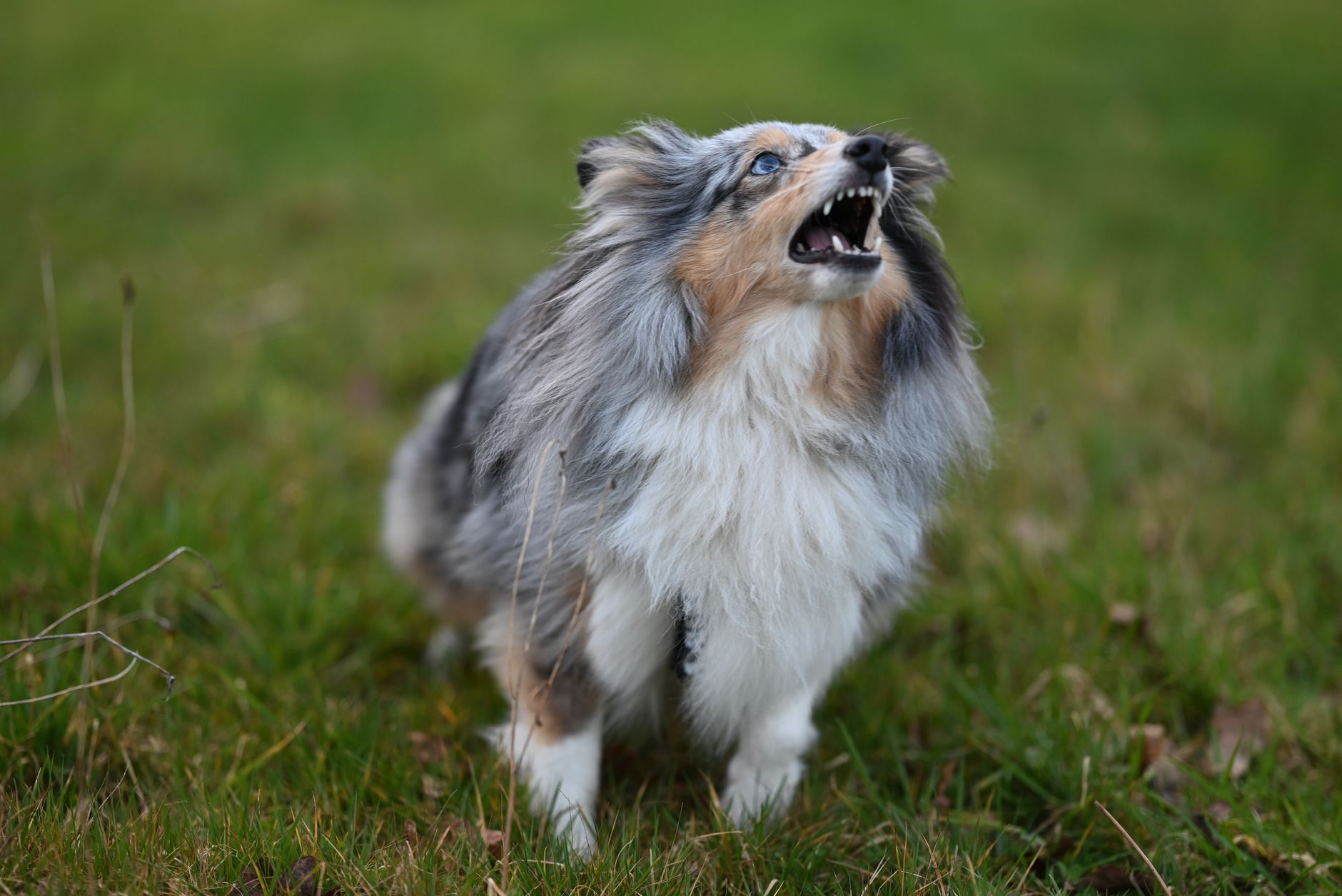
How Do You Spell Dog Sound in English? Unveiling the Woof
The sound a dog makes in English is typically spelled “woof” or “ruff“, though variations exist to capture nuances of canine vocalization.

Decoding the Canine Chorus: An Introduction
From the playful yaps of a puppy to the assertive barks of a guard dog, the sounds dogs make are a rich and varied form of communication. But how do you spell dog sound in English? It’s not as straightforward as one might think. While “woof” and “ruff” are the most commonly accepted spellings, the onomatopoeic nature of these words means there’s plenty of room for interpretation and regional variation. This article delves into the fascinating world of canine vocalizations and explores the different ways we represent them in written English.
The Anatomy of a “Woof”: Exploring Onomatopoeia
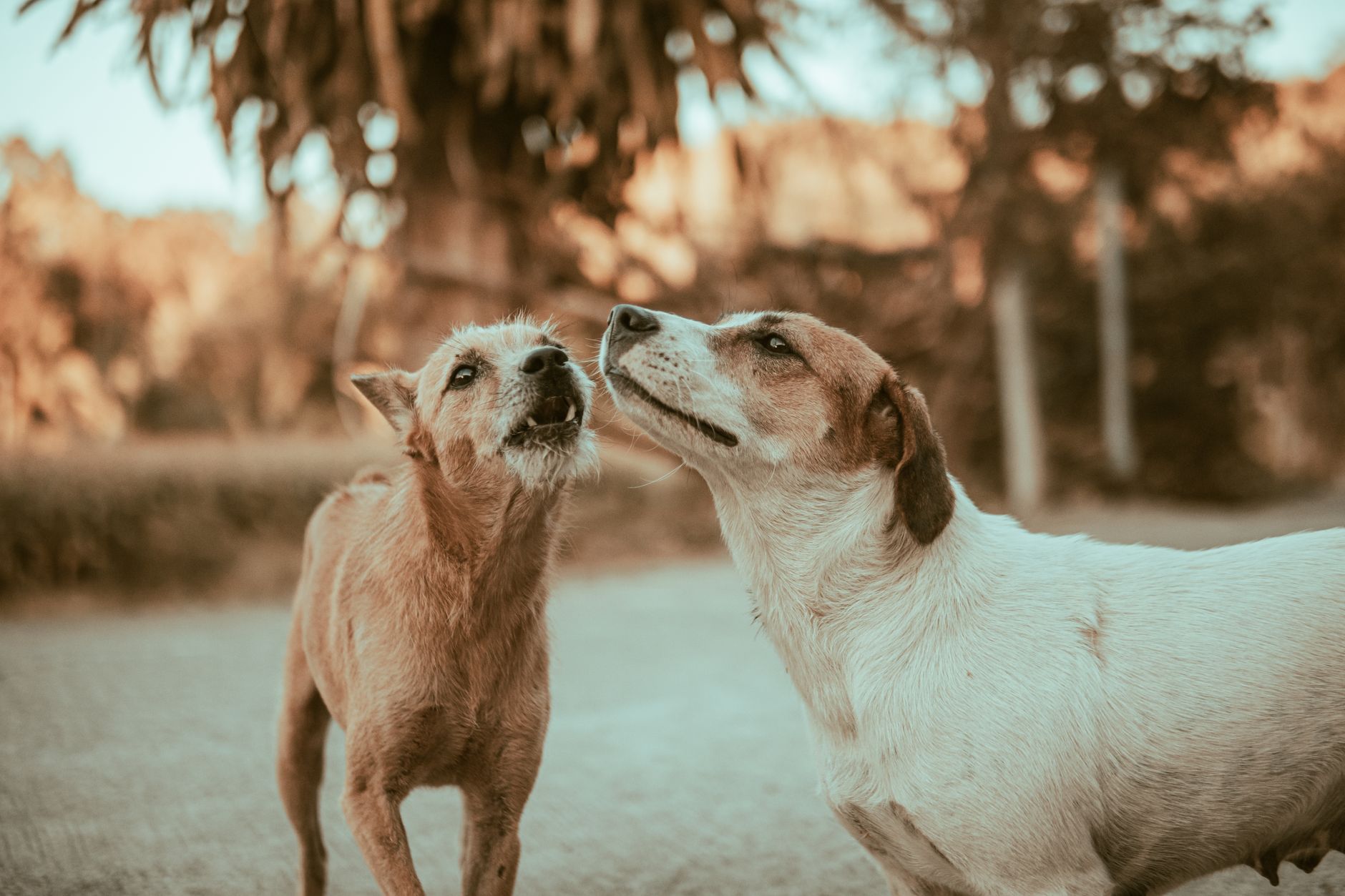
Onomatopoeia, the formation of a word from a sound associated with what is named, plays a crucial role in how we spell the sound a dog makes. “Woof,” for instance, attempts to capture the guttural, low-pitched sound characteristic of a bark. It’s important to remember that the “correct” spelling is subjective; it’s about capturing the essence of the sound. Other factors influencing the spelling include the dog’s breed, size, and emotional state.
Beyond “Woof” and “Ruff”: A Lexicon of Barks
While “woof” and “ruff” are the standards, the canine vocal repertoire is far more diverse, leading to a wider range of onomatopoeic options. These include:
- Arf: Often used to describe a sharper, higher-pitched bark.
- Yip: Suitable for small dogs or puppies.
- Growl: Indicates aggression or warning.
- Howl: A prolonged, mournful sound often associated with wolves or certain breeds.
- Snarl: Similar to a growl but more aggressive.
- Whine: Expresses distress or need.
- Yap: A quick, high-pitched bark.
Factors Influencing Sound and Spelling
Several factors impact how we perceive and, therefore, how we spell a dog’s sound. These include:
- Breed: Different breeds have distinct vocalizations. A Chihuahua’s “yip” sounds significantly different from a Great Dane’s “woof.”
- Size: Larger dogs generally produce deeper, louder sounds, influencing the chosen onomatopoeia.
- Emotional State: A happy dog barking in play will sound different than a dog barking out of fear.
- Regional Variations: Like accents in spoken language, onomatopoeic spellings can vary geographically.
The Global “Woof”: Cross-Cultural Variations
The way we spell a dog’s bark differs significantly across languages. For example:
| Language | Dog Sound Spelling |
|---|---|
| :——— | :—————— |
| English | Woof, Ruff |
| Spanish | Guau, Wau |
| French | Ouaf, Wouf |
| German | Wuff, Wau |
| Japanese | Wan-wan |
| Mandarin | Wang-wang |
This highlights the subjective nature of onomatopoeia and how cultural context shapes our perception of sounds.
Using Dog Sounds Effectively in Writing
Employing onomatopoeia effectively can add depth and realism to your writing. Consider the context and the specific sound you’re trying to convey.
- Specificity: Choose the spelling that best captures the unique characteristics of the bark.
- Context: Ensure the onomatopoeia aligns with the dog’s behavior and the surrounding environment.
- Variety: Use a range of onomatopoeic spellings to avoid repetition and maintain reader engagement.
- Audience: Consider your audience and choose spellings that are widely understood.
Common Mistakes When Spelling Dog Sounds
- Overgeneralization: Relying solely on “woof” for all dog sounds.
- Inconsistency: Changing the spelling of the sound within the same piece of writing without reason.
- Misrepresentation: Choosing a spelling that doesn’t accurately reflect the sound being described.
The Evolving Nature of Canine Onomatopoeia
Language, including onomatopoeia, is constantly evolving. As new breeds emerge and our understanding of canine communication deepens, the way we spell dog sounds will likely continue to change. The core principle remains: capture the sound as accurately and evocatively as possible.

Frequently Asked Questions (FAQs)
Is there a “correct” way to spell a dog’s bark?
No, there isn’t a single, definitively correct way. The best spelling depends on the context and the specific sound you’re trying to represent. “Woof” and “ruff” are widely accepted, but other options may be more appropriate depending on the situation.
Why do different languages spell dog sounds differently?
Languages capture sounds differently based on their own phonetic structures and cultural conventions. Onomatopoeia is inherently subjective, reflecting how speakers of a particular language perceive and interpret sounds.
How do I choose the best spelling for a dog’s bark in my writing?
Consider the breed, size, and emotional state of the dog, as well as the specific characteristics of the bark. Experiment with different spellings to see which one best captures the sound you want to convey.
Is “arf” a valid way to spell a dog’s bark?
Yes, “arf” is a perfectly valid spelling, particularly for smaller dogs or sharper, higher-pitched barks. It’s a commonly used and understood onomatopoeia.
What’s the difference between a “woof” and a “ruff”?
Generally, “woof” implies a deeper, more resonant bark, while “ruff” suggests a shorter, more abrupt sound. However, the distinction is subtle and often depends on individual interpretation.
Should I use different spellings for different dog breeds?
It can be helpful to use different spellings to reflect the distinct vocalizations of various breeds. For example, you might use “yip” for a Chihuahua and “woof” for a Labrador.
How do I spell the sound of a dog whining?
The sound of a dog whining is often spelled “whine,” which directly reflects the elongated, high-pitched sound of distress or need.
What about other dog sounds like growling or howling?
Growls are usually spelled “grrr” or “grrr“, emphasizing the guttural, rumbling sound. Howls are spelled “awooo” or similar variations, capturing the long, drawn-out nature of the sound.
Is it okay to use creative or unconventional spellings for dog sounds?
While “woof” and “ruff” are standard, creative spellings can be effective if they accurately capture the sound and enhance your writing. However, be mindful of clarity and avoid spellings that are too obscure.
How has the spelling of dog sounds changed over time?
Like all language, the spelling of dog sounds has evolved. Early examples might have relied on simpler representations, while modern usage often incorporates more nuanced and descriptive spellings.
Are there regional variations in how dog sounds are spelled?
Yes, just like spoken dialects, regional variations exist in how dog sounds are spelled. These differences reflect local pronunciations and cultural preferences.
Can I use sound effects to represent dog sounds in digital media?
Absolutely! Sound effects are a powerful tool for representing dog sounds in digital media, such as videos, games, and animations. They provide a much more realistic and immersive experience than written onomatopoeia alone.