

How to Save a Depressed Dog: A Comprehensive Guide
How do you save a depressed dog? You can significantly improve a dog’s depression by identifying the root cause, adjusting their environment, increasing mental and physical stimulation, and, if necessary, consulting with a veterinarian for medical intervention.
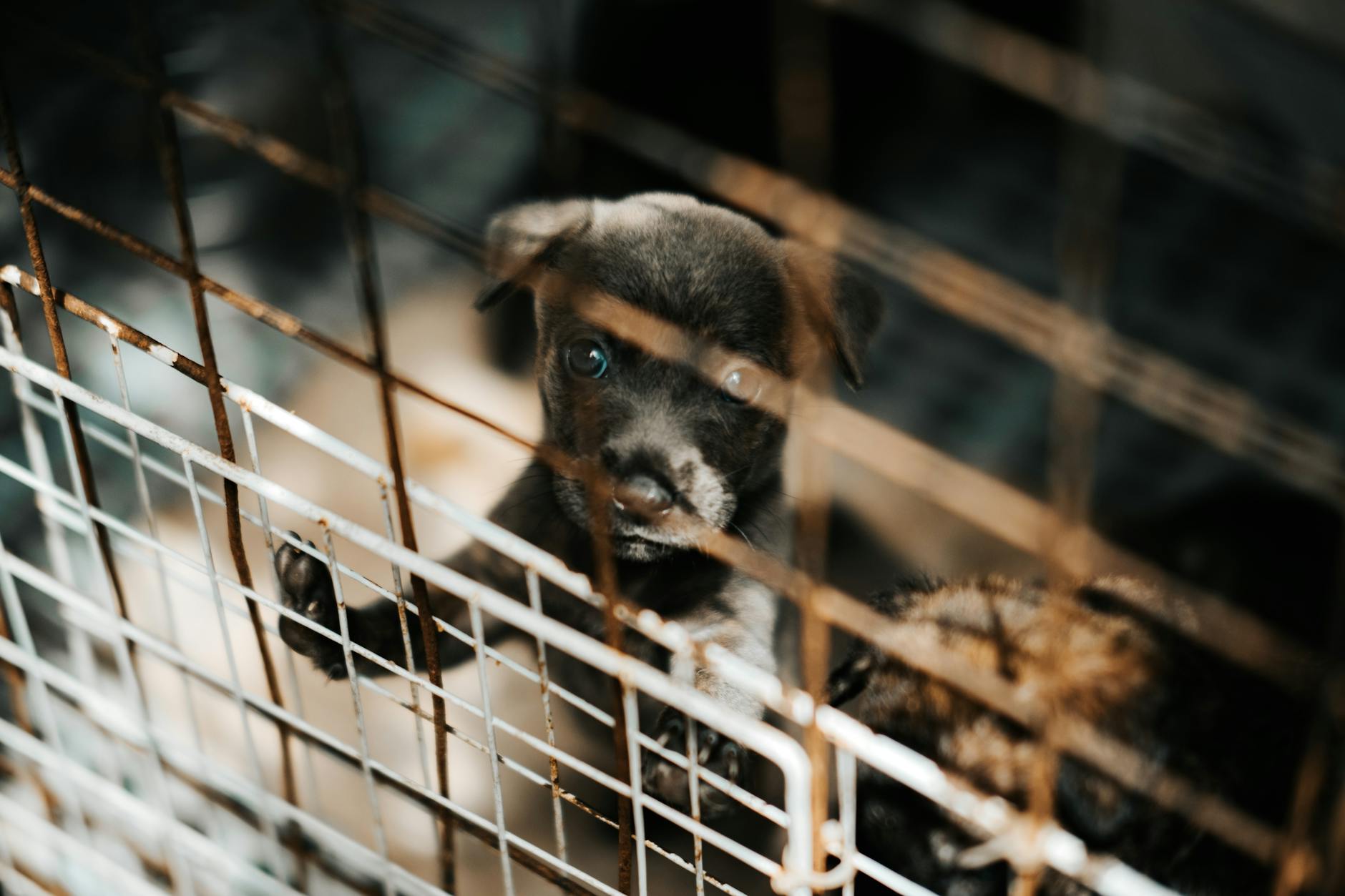
Understanding Canine Depression
While humans experience depression similarly, recognizing it in dogs requires understanding their distinct behaviors and needs. Canine depression isn’t just sadness; it’s a persistent low mood, lethargy, and a loss of interest in activities they typically enjoy. Knowing the potential causes is the first step in how do you save a depressed dog?
Identifying the Signs of Canine Depression
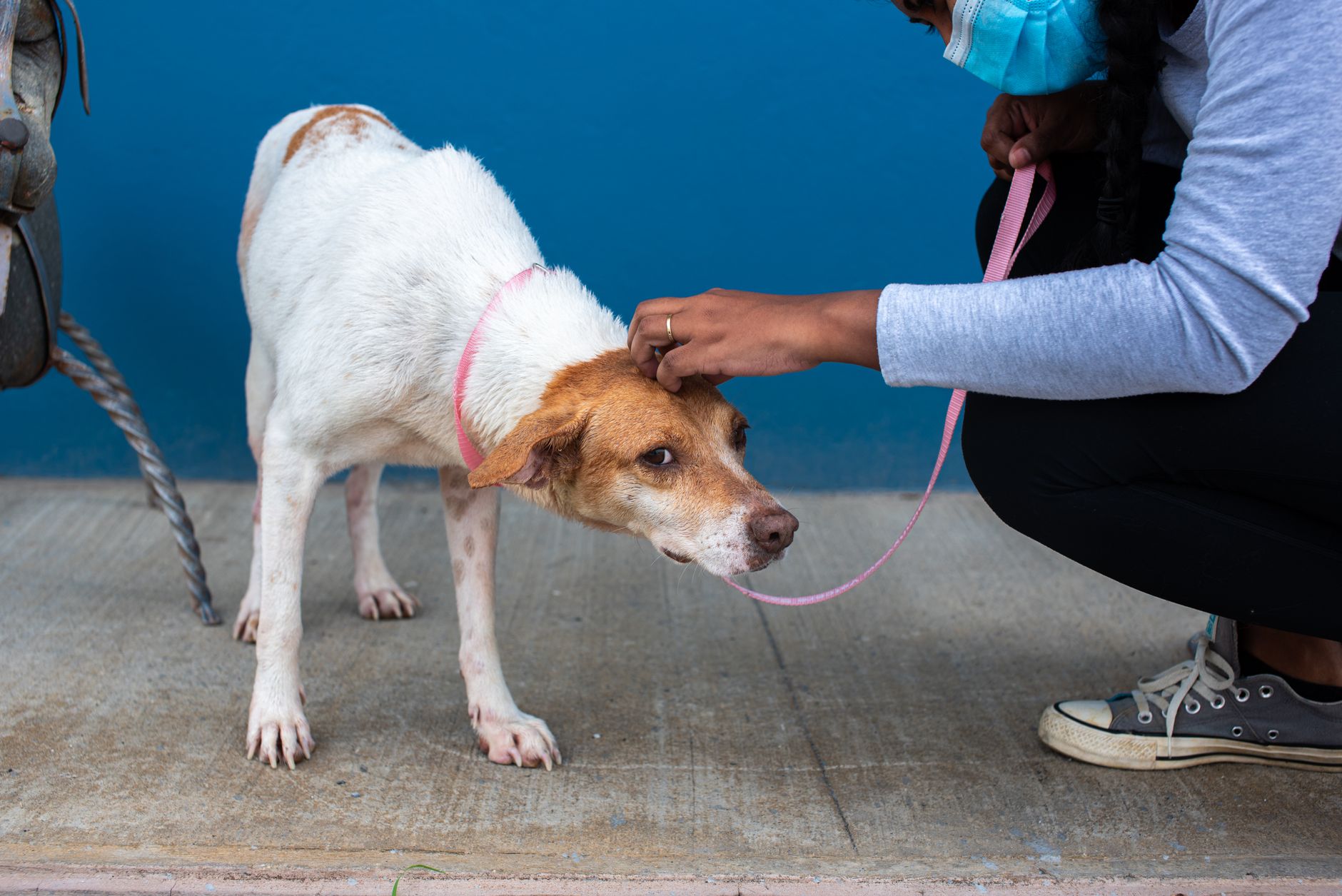
Recognizing the symptoms is crucial for early intervention. A depressed dog may exhibit several tell-tale signs:
- Loss of appetite: A noticeable decrease in food consumption or complete refusal to eat.
- Lethargy: Decreased activity levels, sleeping more than usual, and showing little enthusiasm for walks or playtime.
- Withdrawal: Avoiding interaction with owners and other pets, hiding, or isolating themselves.
- Changes in sleep patterns: Sleeping more or less than usual.
- Loss of interest: No longer enjoying favorite toys, activities, or walks.
- Excessive licking: Compulsive licking, often of paws or other body parts.
If you observe several of these symptoms, it’s a strong indication that your dog might be suffering from depression.
Common Causes of Depression in Dogs
Understanding the underlying cause of your dog’s depression is critical for effective treatment. Several factors can contribute to a dog’s emotional state:
- Grief: The loss of a companion animal or a human family member.
- Change in environment: Moving to a new home, changes in the family dynamic (new baby, divorce), or even changes in routine.
- Medical conditions: Underlying health problems can sometimes manifest as depression.
- Lack of socialization and stimulation: Boredom and isolation can lead to depression.
- Trauma: Past experiences of abuse or neglect can have lasting emotional effects.
Creating a Supportive Environment
Once you’ve identified potential causes, focus on creating a positive and supportive environment to help how do you save a depressed dog?
- Maintain a consistent routine: Regular feeding, walking, and playtime schedules can provide stability and security.
- Provide plenty of attention: Spend quality time with your dog, engaging in activities they enjoy.
- Offer a comfortable and safe space: Ensure your dog has a comfortable bed and a quiet place to retreat when they feel overwhelmed.
- Avoid punishment: Punishment can exacerbate depression; instead, focus on positive reinforcement.
Increasing Mental and Physical Stimulation
Boredom is a significant contributor to canine depression. Increasing mental and physical stimulation can significantly improve their mood.
- Engage in regular exercise: Daily walks, runs, or play sessions can release endorphins and combat lethargy.
- Provide interactive toys: Puzzle toys, treat-dispensing toys, and chew toys can keep your dog mentally stimulated.
- Introduce new games and activities: Try training sessions, agility courses, or scent work.
- Socialization: Allow your dog to interact with other dogs and people in a controlled and safe environment.
Dietary Considerations
A balanced diet is crucial for overall health and can also impact a dog’s mood. Make sure your dog is receiving a high-quality diet that meets their nutritional needs. Consult with your veterinarian about any potential dietary deficiencies.
When to Seek Professional Help
If your dog’s depression persists despite your efforts, it’s essential to consult with a veterinarian or a certified veterinary behaviorist. Medical conditions can sometimes mimic depression, and medication may be necessary in some cases. A professional can provide a comprehensive diagnosis and recommend the most appropriate treatment plan to address how do you save a depressed dog?‘s overall well-being.
Summary of Steps:
| Step | Description |
|---|---|
| 1. Observation | Carefully observe your dog’s behavior for signs of depression. |
| 2. Cause Identification | Try to identify the potential cause(s) of the depression. |
| 3. Environment | Create a supportive and stable environment with consistent routines. |
| 4. Stimulation | Increase mental and physical stimulation through exercise, play, and interactive toys. |
| 5. Diet | Ensure your dog is receiving a balanced and nutritious diet. |
| 6. Professional Help | Consult with a veterinarian or veterinary behaviorist if the depression persists. |

Frequently Asked Questions (FAQs)
What are the key differences between sadness and depression in dogs?
Sadness is a temporary emotional state triggered by a specific event, like a scolding or a brief separation. Depression, on the other hand, is a persistent and pervasive low mood that lasts for weeks or even months, often accompanied by other symptoms like loss of appetite and lethargy.
Can dogs experience the same types of depression as humans?
While dogs don’t experience depression in the exact same way as humans, they can experience similar symptoms and emotional states related to neurochemical imbalances and environmental stressors. It’s important to understand that they experience emotions, but their cognitive processing of these emotions might differ.
What kind of medication can be used to treat canine depression?
Veterinarians may prescribe medications like selective serotonin reuptake inhibitors (SSRIs) or tricyclic antidepressants (TCAs) to treat canine depression. These medications help regulate neurotransmitters in the brain and can improve mood. Never administer human medication to your dog without veterinary guidance.
How long does it typically take to see improvement in a depressed dog?
It can take several weeks or even months to see a noticeable improvement in a depressed dog, even with medication and environmental changes. Patience and consistency are key to successful treatment.
Is it possible for canine depression to resolve on its own?
In some cases, mild depression caused by temporary situations, such as grief after a few weeks, may resolve on its own. However, persistent depression requires intervention to prevent it from becoming chronic. Addressing the underlying cause and providing support are essential.
How important is diet in managing canine depression?
Diet plays a significant role. A balanced diet rich in essential nutrients supports overall brain health and function. Deficiencies in certain vitamins and minerals can contribute to depression. Consult your vet about the best food options.
What role does exercise play in treating a depressed dog?
Exercise is crucial for treating depression in dogs. Physical activity releases endorphins, which have mood-boosting effects. Regular walks, playtime, and other forms of exercise can significantly improve a dog’s emotional state.
Can anxiety contribute to depression in dogs?
Yes, anxiety and depression are often intertwined in dogs. Chronic anxiety can lead to depression, and vice versa. Addressing underlying anxiety through behavior modification techniques and, in some cases, medication, can help alleviate both conditions. Therefore, when considering how do you save a depressed dog?, consider their anxieties.
Are certain breeds more prone to depression than others?
While any dog can experience depression, some breeds may be more predisposed due to their temperament, energy levels, and need for mental stimulation. Breeds that are naturally more active or require significant mental stimulation may be more prone to depression if these needs are not met.
What are some effective ways to provide mental stimulation for a depressed dog?
Puzzle toys, training sessions, scent work, and interactive games are all excellent ways to provide mental stimulation. Introducing new challenges and activities can help break the cycle of boredom and improve a dog’s mood.
Can a veterinary behaviorist help with canine depression?
Yes, a veterinary behaviorist is a specialist in animal behavior and can provide expert guidance on diagnosing and treating canine depression. They can assess your dog’s behavior, identify underlying causes, and recommend appropriate treatment plans, including behavior modification techniques and medication.
How do I prevent my dog from becoming depressed in the first place?
Prevention is always better than cure. Provide your dog with a stable and loving environment, consistent routines, plenty of physical and mental stimulation, and regular socialization. Address any underlying medical conditions promptly and seek professional help if you notice any signs of anxiety or distress. This is an excellent preemptive strategy to ensure how do you save a depressed dog? never becomes a problem for you.