

How to Root a Snake Plant Stem: A Comprehensive Guide
The best way to root a snake plant stem is through water propagation or directly in soil after allowing the cut end to callus, ensuring a healthy start for your new plant. Following these instructions guarantees success!
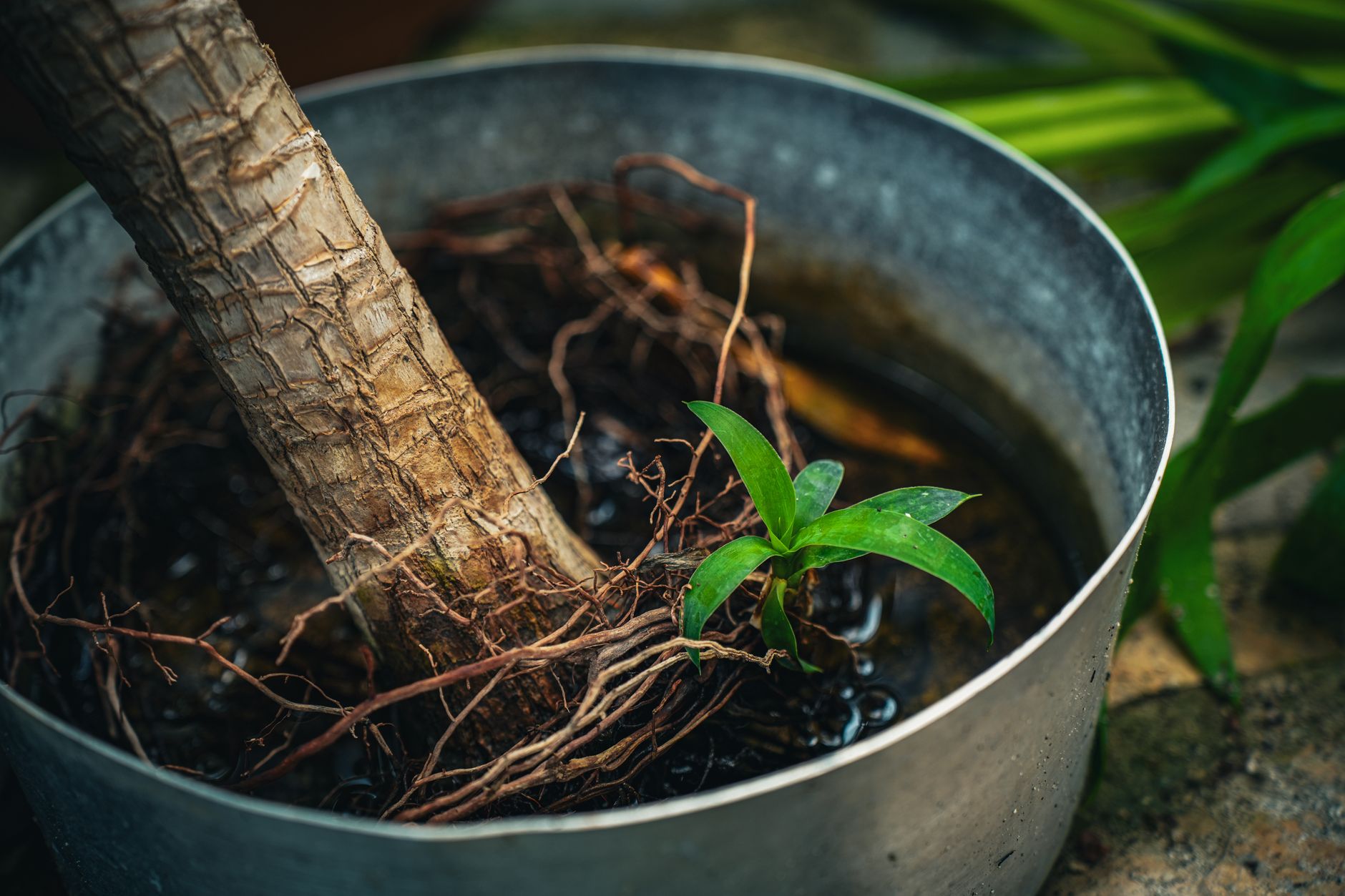
Snake plants, scientifically known as Sansevieria trifasciata, are beloved for their striking appearance, air-purifying qualities, and remarkable resilience. Propagating these beauties from stem cuttings is a rewarding way to expand your collection or share them with friends. While snake plants can be propagated in several ways, stem cuttings offer a straightforward and accessible method. This guide will explore the ins and outs of rooting snake plant stems, ensuring you can successfully cultivate these hardy plants.
Understanding Snake Plant Propagation
Before diving into the process, it’s crucial to understand the basics of snake plant propagation. Unlike some plants that readily root from any cutting, snake plants require a slightly different approach due to their succulent nature and tendency to rot if overwatered.
Benefits of Stem Propagation
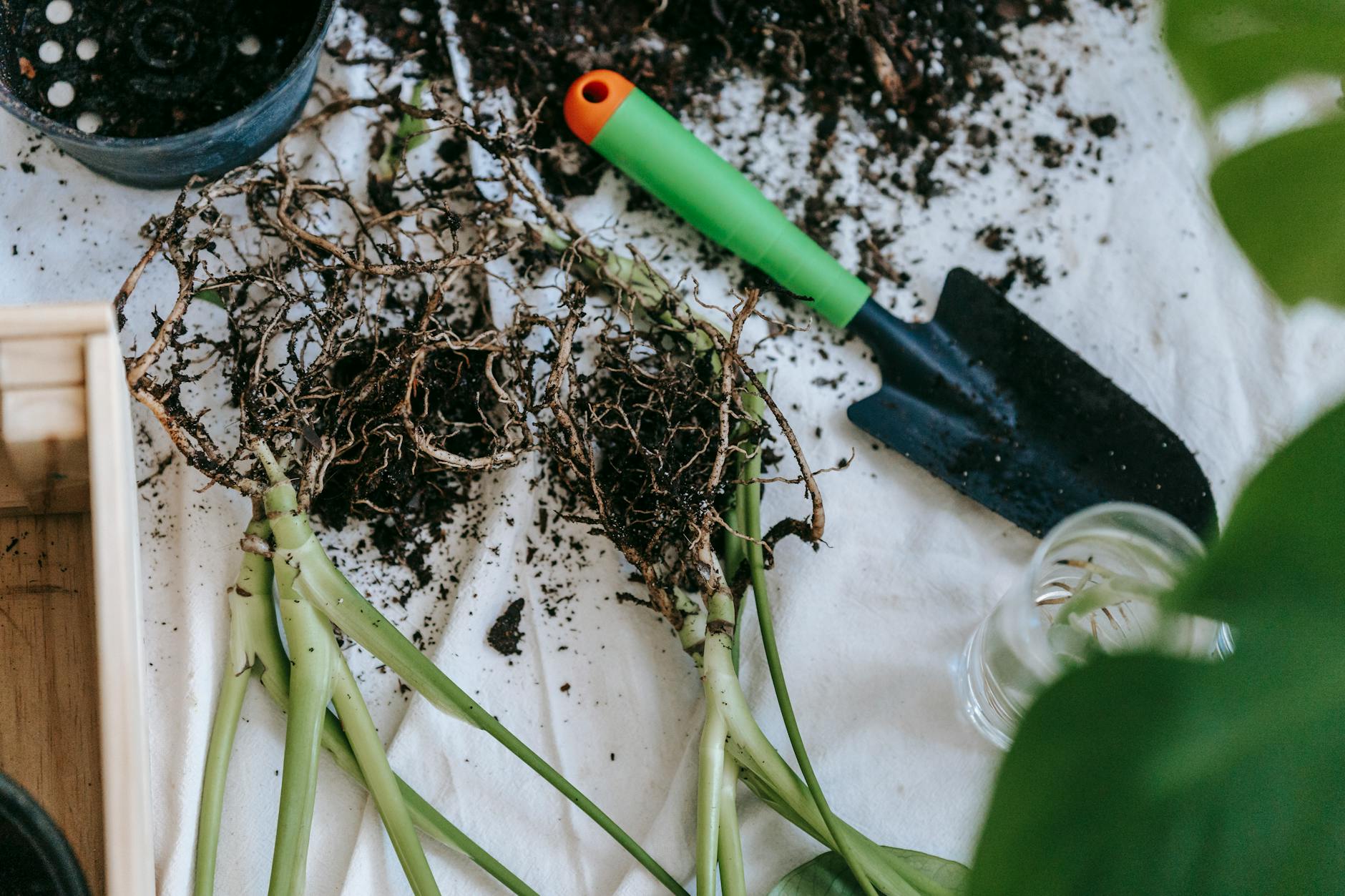
Propagating snake plants from stem cuttings offers several advantages:
- Simple and Cost-Effective: Requires minimal materials and equipment.
- Efficient: Allows you to create multiple new plants from a single parent plant.
- Preserves Genetic Traits: Ensures the new plants retain the characteristics of the original plant.
- Space-Saving: Stem cuttings take up less space during the initial propagation phase than propagating from offsets.
The Stem Cutting Process: A Step-by-Step Guide
How do you root a snake plant stem? Here’s how:
-
Select a Healthy Leaf: Choose a mature, healthy leaf from your snake plant. Avoid leaves with blemishes or signs of disease.
-
Cut the Leaf: Using a clean, sharp knife or scissors, cut the leaf into sections. Each section should be approximately 2-3 inches long. Be sure to note which end was the top of the leaf and keep that orientation consistent.
-
Allow the Cuttings to Callus: Place the cuttings on a paper towel in a cool, dry place for 2-7 days. This allows the cut ends to callus over, preventing rot.
-
Choose Your Propagation Method: You can either propagate in water or directly in soil.
- Water Propagation: Place the callused end of each cutting in a glass or jar of water. Ensure only the bottom inch or so is submerged. Change the water every few days. Roots should appear within a few weeks.
- Soil Propagation: Plant the callused end of each cutting directly into a well-draining potting mix. Water lightly and keep the soil slightly moist.
-
Monitor and Care: Regardless of the method, provide bright, indirect light and be patient. Roots will develop gradually.
-
Planting: Once the roots are about an inch long (for water propagation) or you notice new growth (for soil propagation), plant the cuttings in a well-draining potting mix.
Optimal Conditions for Rooting
Successful rooting hinges on providing the right environment.
- Light: Bright, indirect light is ideal. Avoid direct sunlight, which can scorch the leaves.
- Temperature: Maintain a consistent temperature between 65-80°F (18-27°C).
- Humidity: Snake plants are not particularly sensitive to humidity, but avoid extremely dry conditions.
- Watering: Overwatering is a common mistake. Allow the soil to dry out almost completely between waterings.
Common Mistakes to Avoid
- Overwatering: This is the biggest culprit in snake plant propagation failure, leading to root rot.
- Using Dull Tools: Dull tools can crush the leaf tissue, increasing the risk of infection.
- Ignoring Callusing: Planting cuttings before they callus can result in rot.
- Direct Sunlight: Can burn the leaves and hinder root development.
- Impatience: Rooting takes time. Avoid disturbing the cuttings unnecessarily.
Soil vs. Water Propagation: A Comparison
| Feature | Water Propagation | Soil Propagation |
|---|---|---|
| Root Visibility | Easy to observe root development | Root development hidden |
| Root Type | Roots adapted to water, may need adjustment | Roots adapted to soil |
| Transplant Shock | Possible shock when transferring to soil | Less transplant shock |
| Rot Risk | High if water isn’t changed frequently | High if soil is overwatered |
Troubleshooting Common Problems
- Rotting: Remove the affected cutting immediately. If the rot is minimal, you can cut away the affected area and allow the remaining cutting to callus again.
- No Root Growth: Ensure the cutting is receiving enough light and warmth. Be patient; rooting can take several weeks.
- Yellowing Leaves: Usually caused by overwatering. Allow the soil to dry out completely before watering again.
Conclusion
How do you root a snake plant stem? As shown, propagating snake plants from stem cuttings is a relatively simple and rewarding process. By following these guidelines, providing optimal conditions, and avoiding common mistakes, you can successfully expand your snake plant collection. Remember, patience is key, and with a little care, you’ll be enjoying new snake plants in no time! Water propagation, or soil propogation, offers unique advantages, however both are viable.

Frequently Asked Questions (FAQs)
How long does it take for a snake plant stem cutting to root?
Rooting time varies depending on environmental factors, but generally, you can expect to see roots develop in 2-8 weeks. Warmer temperatures and bright, indirect light will encourage faster rooting.
Can I use rooting hormone on snake plant cuttings?
While not strictly necessary, rooting hormone can accelerate the rooting process. Apply a small amount to the callused end of the cutting before placing it in water or soil.
What type of water should I use for water propagation?
Filtered or distilled water is preferable to tap water, as it contains fewer minerals that can inhibit root growth. Let tap water sit out for 24 hours to allow chlorine to evaporate.
How often should I change the water during water propagation?
Change the water every 3-5 days to prevent bacteria growth and ensure a fresh supply of oxygen for the developing roots.
What type of soil is best for planting rooted snake plant cuttings?
A well-draining potting mix is essential. A blend of cactus mix and perlite works well to promote drainage and prevent root rot.
How much light do snake plant cuttings need?
Bright, indirect light is ideal. Avoid direct sunlight, which can scorch the leaves.
What if my snake plant cutting starts to rot?
If the cutting is rotting, remove it immediately to prevent the spread of rot to other cuttings. You may be able to salvage the cutting by cutting away the rotted area and allowing the remaining portion to callus again.
Can I propagate snake plant cuttings in winter?
Yes, you can propagate snake plant cuttings in winter, but the rooting process may be slower due to cooler temperatures and shorter days.
My snake plant cutting is not growing roots. What should I do?
Ensure the cutting is receiving enough light and warmth, and that the water is being changed regularly. Be patient, as rooting can sometimes take longer than expected.
Is it better to propagate snake plants in water or soil?
Both methods are viable, and the best method depends on personal preference. Water propagation allows you to see the roots developing, while soil propagation avoids potential transplant shock.
How do I know when my snake plant cutting is ready to be planted in soil?
For water propagation, wait until the roots are at least an inch long before planting in soil. For soil propagation, look for new growth on the cutting.
Can I use a whole snake plant leaf to propagate?
Yes, you can. While a leaf cut into segments can produce multiple plants more efficiently, a whole leaf can be used. The bottom edge of the leaf would still need to be allowed to callus over before planting.