
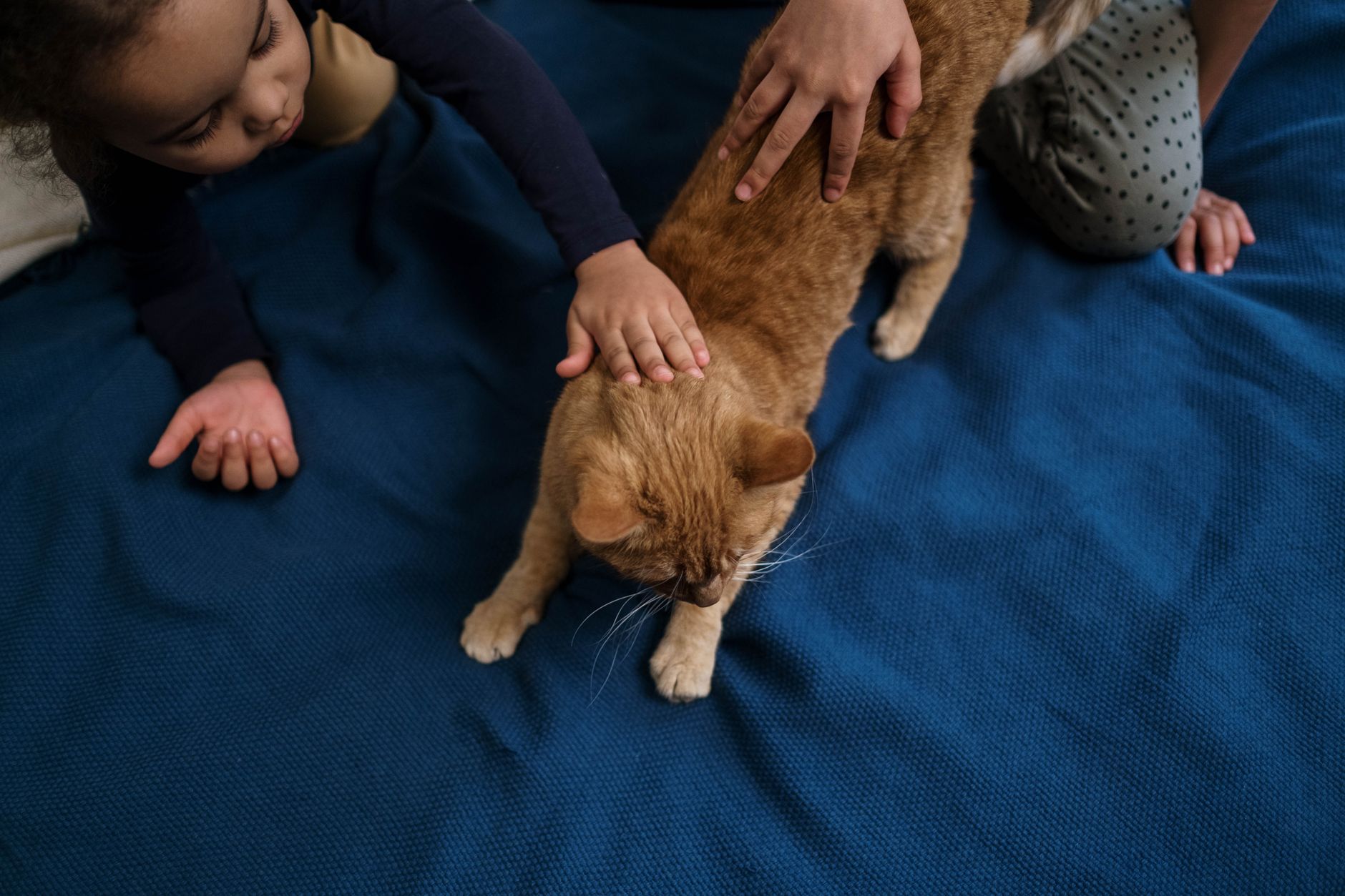
How to Pet a Cat Without Scaring Them: A Guide to Feline Affection
Learn how to pet a cat without scaring them by understanding their body language and approaching them with patience and respect. The key is to let the cat initiate interaction and guide the petting process.
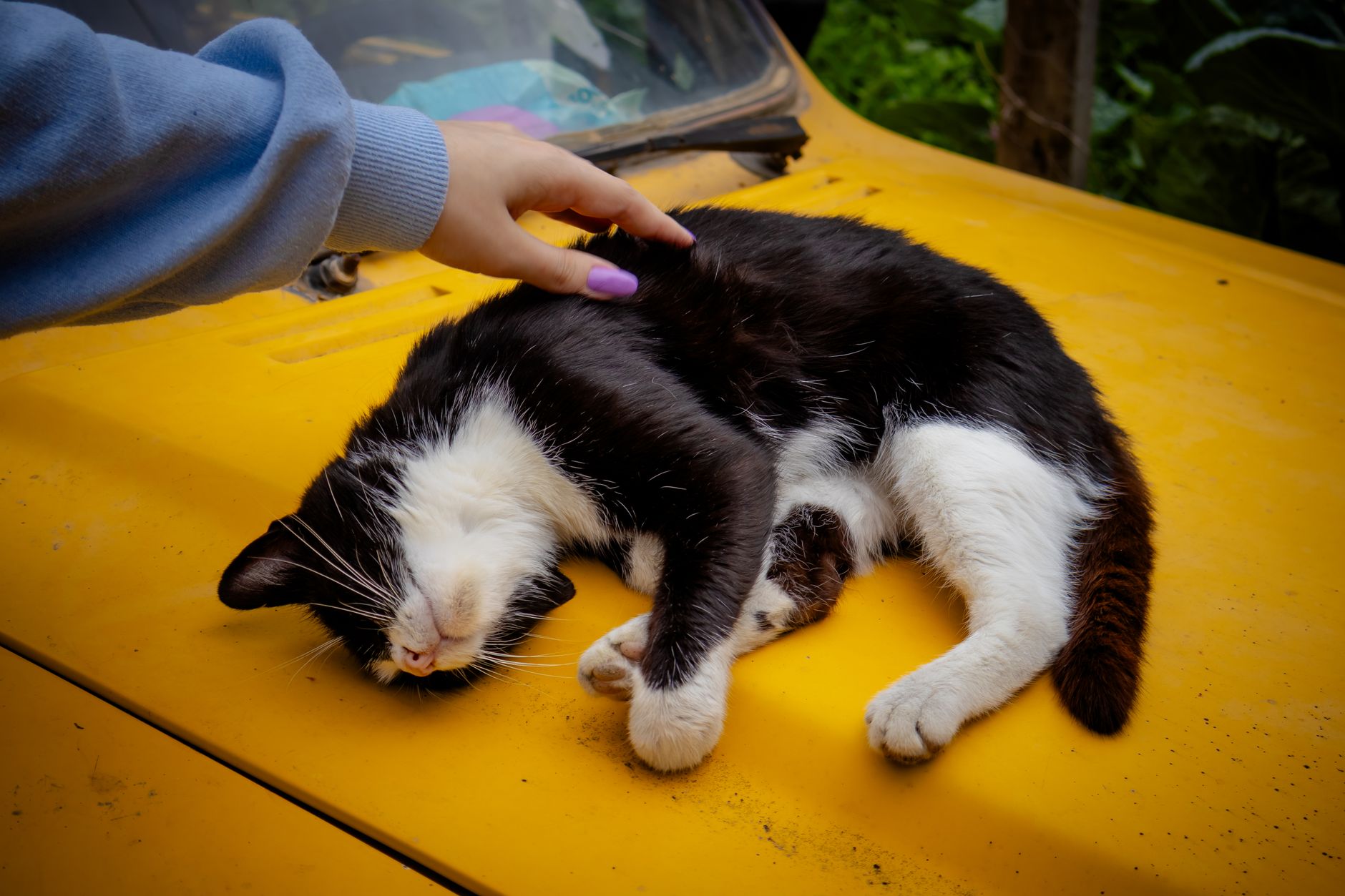
Understanding Feline Communication: The Foundation of Gentle Petting
Cats, unlike dogs, are often subtle in their communication. Learning to read their body language is crucial for establishing trust and avoiding unwanted interactions. Understanding these signals is the first step when learning how do you pet a cat without scaring them?.
- Tail Position: A high, upright tail usually signifies happiness and confidence. A tucked tail indicates fear or submission. A twitching or thumping tail can mean agitation or playfulness.
- Ear Position: Forward-facing ears suggest attentiveness and relaxation. Ears flattened against the head indicate fear, aggression, or discomfort.
- Eye Contact: Staring can be perceived as a threat. Slow blinks are a sign of trust and affection.
- Vocalization: Purring usually signifies contentment, although it can sometimes indicate pain or stress. Hissing, growling, and yowling are clear signals of distress.
- Body Posture: A relaxed, stretched-out posture indicates comfort and safety. A tense, crouched posture suggests fear or anxiety.
The Benefits of Gentle Petting

Gentle petting, when done correctly, offers numerous benefits for both you and your feline companion. It can strengthen the bond between you, reduce stress in your cat, and even lower your own blood pressure. Positive interactions are essential for a happy and healthy cat-human relationship. Consistent, gentle handling can also make vet visits less stressful for your cat.
The Process: A Step-by-Step Guide to Cat-Friendly Petting
The following steps will help you navigate how do you pet a cat without scaring them, making the experience enjoyable for both of you.
- Approach Cautiously: Avoid startling the cat. Approach slowly and speak softly.
- Offer Your Hand: Extend a finger or the back of your hand for the cat to sniff. Let the cat initiate contact.
- Observe the Response: If the cat rubs against your hand, it’s an invitation to pet them. If they pull away, give them space.
- Start with Gentle Strokes: Begin by petting the areas cats generally enjoy, such as:
- The base of the ears
- Under the chin
- Cheeks
- Avoid Sensitive Areas: Most cats dislike being petted on their:
- Belly
- Tail
- Paws
- Pay Attention to Body Language: Watch for signs of discomfort, such as flattened ears, tail twitching, or tense muscles.
- End the Session Appropriately: When the cat moves away or shows signs of disinterest, stop petting them.
Common Mistakes to Avoid
Many people unintentionally scare or irritate cats by making common petting mistakes. Avoiding these missteps is crucial.
- Forcing Interaction: Never force a cat to be petted.
- Petting the Wrong Areas: Respect the cat’s preferences and avoid sensitive areas.
- Overstimulation: Pay attention to the cat’s body language and stop petting when they show signs of discomfort.
- Loud Noises and Sudden Movements: These can startle the cat and create a negative association with petting.
- Ignoring Their Signals: Not reading the signs the cat is giving you that they are not enjoying being petted is a sure-fire way to frighten them.
Advanced Techniques: Building Trust and Deepening the Bond
Once you’ve mastered the basics, you can explore advanced techniques to further deepen your bond with your cat. This includes positive reinforcement through treats, play, and consistent gentle interaction. Building trust takes time and patience. You can also experiment with different types of petting, such as scratching, brushing, or even using a cat massage tool.
| Technique | Description | Benefits |
|---|---|---|
| Positive Reinforcement | Rewarding desired behaviors with treats, praise, or playtime. | Reinforces positive associations with petting, encourages future interactions. |
| Playtime | Engaging in interactive play sessions to release energy and build a stronger bond. | Provides mental and physical stimulation, reduces stress, and strengthens the relationship. |
| Brushing | Regularly brushing your cat’s fur to remove loose hair and prevent mats. | Improves circulation, reduces shedding, and provides a soothing, bonding experience. |
| Cat Massage | Gently massaging your cat’s muscles to relieve tension and promote relaxation. | Reduces stress, improves circulation, and promotes a sense of well-being. |
FAQ Section

Why does my cat sometimes bite me when I’m petting them?
Sometimes cats become overstimulated during petting sessions. This is referred to as petting-induced aggression. The best approach is to stop petting the cat the moment you see signs of overstimulation, such as twitching tail, dilated pupils, or flattened ears.
How do I know if my cat is enjoying being petted?
Positive signs include purring, slow blinks, rubbing against you, relaxed posture, and upright tail. Pay close attention to your cat’s body language and adjust your petting accordingly.
Is it okay to pick up my cat?
Most cats dislike being picked up, especially if they haven’t been accustomed to it from a young age. If you must pick up your cat, do so gently, supporting their body and avoiding squeezing them tightly.
My cat runs away when I approach. What should I do?
Give your cat space and try to build trust gradually. Start by simply being present in the same room without attempting to interact. Leave treats nearby or engage in quiet activities that don’t involve direct interaction.
Why does my cat knead me when I pet them?
Kneading is a behavior that cats learn as kittens when nursing. It’s a sign of comfort and contentment. Some cats may also drool or purr while kneading.
What are the best places to pet a cat?
Most cats enjoy being petted on the base of their ears, under their chin, and on their cheeks. Avoid the belly, tail, and paws, as these areas are often sensitive.
How often should I pet my cat?
There’s no set rule for how often to pet your cat. Pay attention to their cues and adjust your petting frequency accordingly. Some cats enjoy frequent petting, while others prefer more limited interaction.
Can I train my cat to enjoy being petted?
Yes, with patience and positive reinforcement, you can train your cat to enjoy being petted. Start with short petting sessions and reward them with treats or praise. Gradually increase the duration and frequency of petting as they become more comfortable.
My cat hisses when I try to pet them. What does that mean?
Hissing is a clear sign of fear, aggression, or discomfort. Give your cat space and avoid approaching them until they are more relaxed. Identify the source of their distress and try to eliminate it.
Is it better to pet a cat gently or firmly?
Gentle strokes are usually preferred by cats. Avoid being too rough or forceful, as this can startle or irritate them. Pay attention to their body language and adjust your touch accordingly.
How do I pet a stray or feral cat without scaring them?
Approaching a stray or feral cat requires extra caution. Start by leaving food and water nearby without attempting to interact. Over time, you can gradually approach the cat while speaking softly and offering treats. Never force interaction.
What if my cat suddenly starts disliking being petted in a place they used to enjoy?
A sudden change in behavior could indicate a medical issue. Consult a veterinarian to rule out any underlying health problems. Pain or discomfort could be making them more sensitive to touch.