

How to Elevate Farm-Raised Shrimp: From Bland to Brilliant
Want to know how to make farm raised shrimp taste better? The key lies in understanding their unique needs and applying specific pre-cooking and cooking techniques to enhance their flavor and texture.
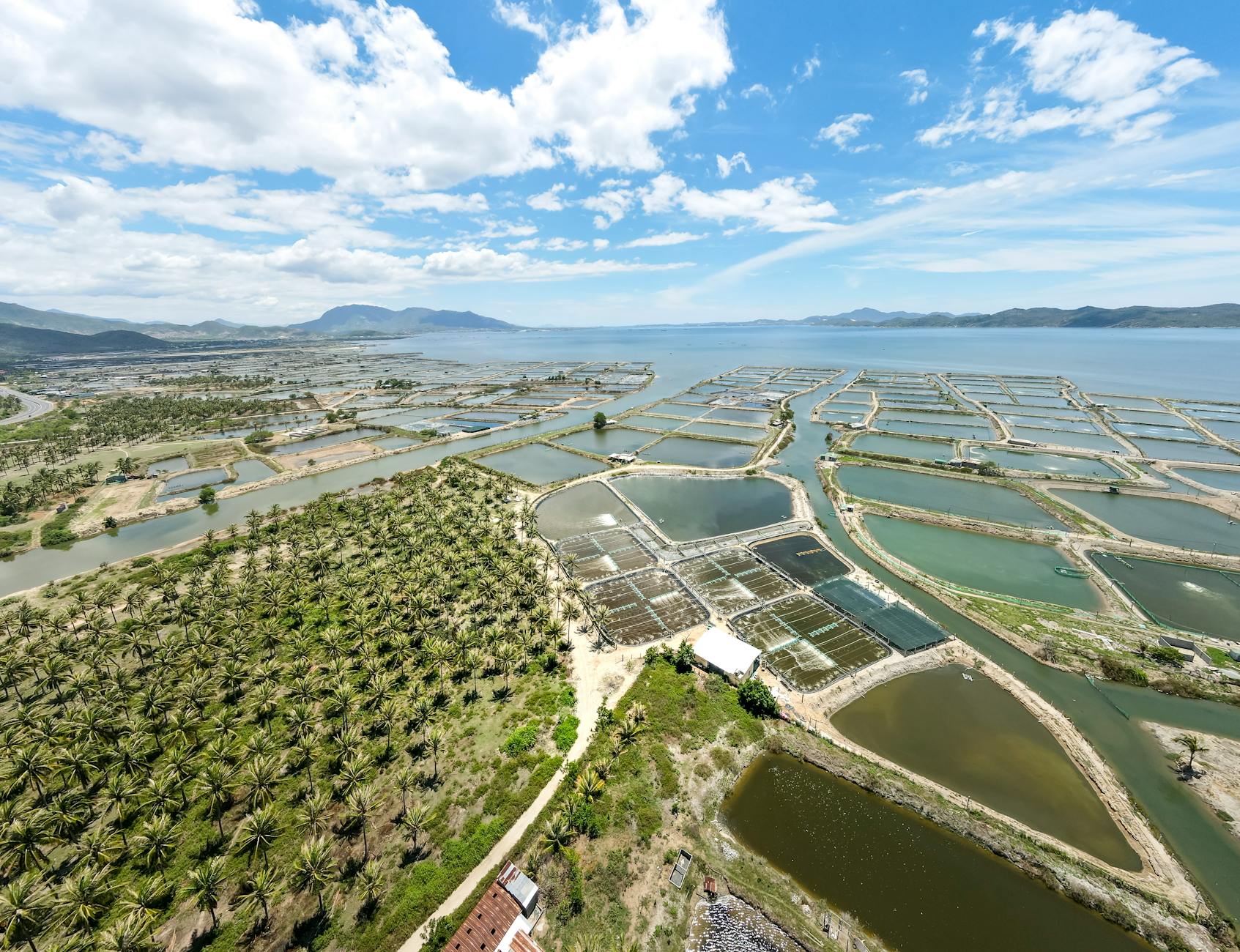
The Nuances of Farm-Raised Shrimp
Farm-raised shrimp, while a sustainable and widely available seafood option, often face criticism for lacking the robust, briny flavor associated with their wild-caught counterparts. This difference stems from their controlled diet, rearing environment, and processing methods. However, with the right approach, you can transform these aquatic delicacies into culinary masterpieces.
Brining: The Foundation of Flavor
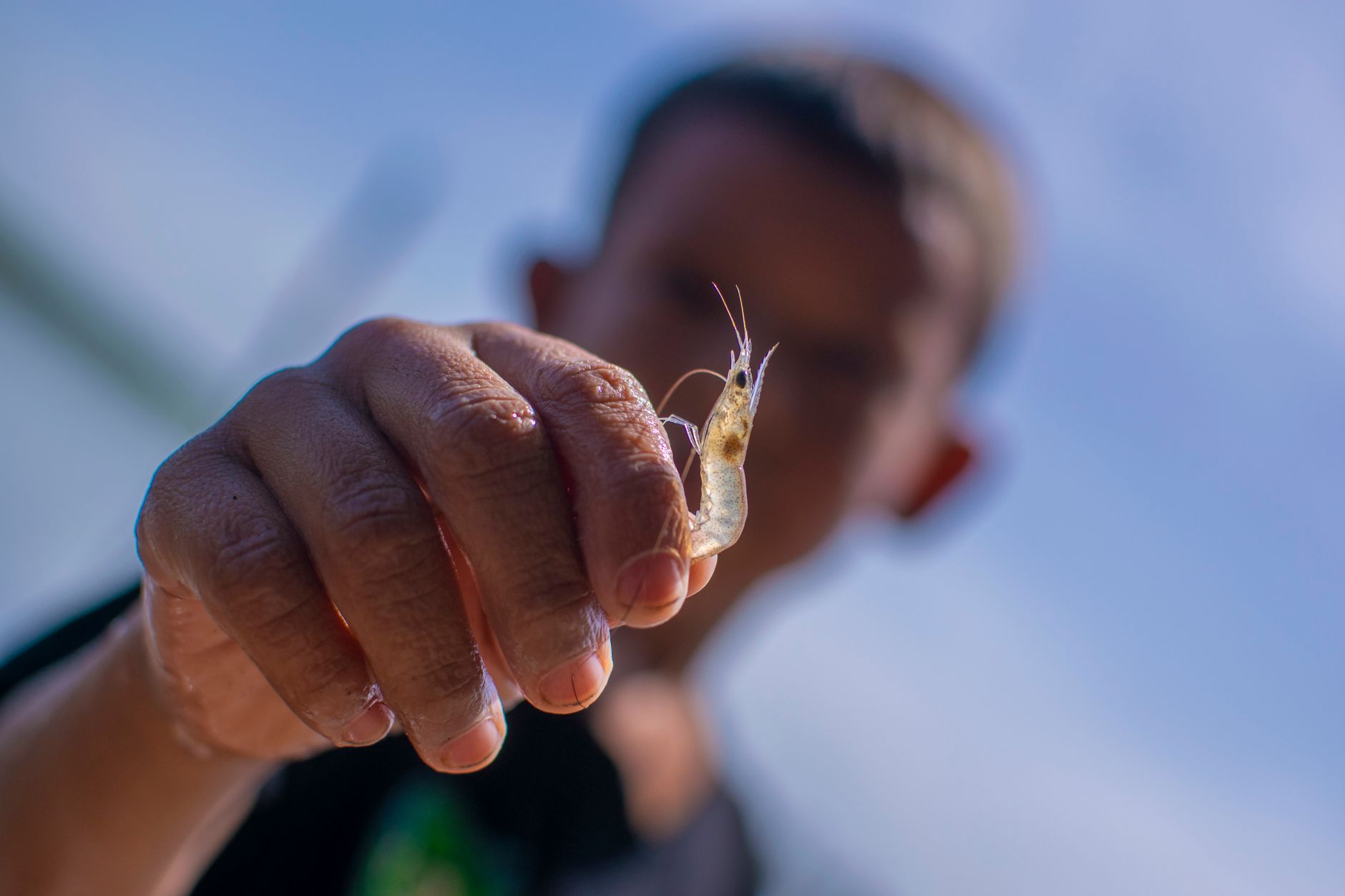
One of the most effective methods to improve the taste of farm-raised shrimp is brining. Brining involves soaking the shrimp in a salt solution, which helps them retain moisture and enhances their natural flavors.
-
How it Works: The salt solution, penetrating the shrimp’s tissues, denatures proteins, leading to increased water retention during cooking. This results in a juicier and more flavorful shrimp.
-
Brining Recipe: A simple brine typically consists of:
- 1/4 cup kosher salt
- 4 cups cold water
- Optional additions: sugar, spices (peppercorns, bay leaves, garlic), lemon slices.
-
Brining Time: Soak the shrimp in the brine for 15-30 minutes in the refrigerator. Avoid over-brining, as it can make the shrimp too salty.
Marinating: Infusion of Culinary Art
Marinating farm-raised shrimp is another excellent way to boost their flavor profile. A well-crafted marinade can infuse the shrimp with herbs, spices, acids (like lemon juice or vinegar), and oils.

-
Marinade Components:
- Acid: Lemon juice, lime juice, vinegar, or wine. This helps tenderize the shrimp.
- Oil: Olive oil, sesame oil, or other flavorful oils to coat and protect the shrimp during cooking.
- Herbs and Spices: Garlic, ginger, chili flakes, paprika, oregano, and other seasonings to impart distinct flavors.
- Sweetener (Optional): Honey, maple syrup, or brown sugar for a touch of sweetness and caramelization.
-
Marinating Time: Marinate the shrimp for 30 minutes to 2 hours in the refrigerator. Over-marinating can lead to a mushy texture, especially with acidic marinades.
Dry Rubs: A Symphony of Spices
Dry rubs are a simple and effective way to add intense flavor to farm-raised shrimp, especially when grilling or pan-searing.
-
Components: Combine spices such as paprika, garlic powder, onion powder, chili powder, cumin, oregano, salt, and pepper.
-
Application: Pat the shrimp dry and liberally apply the dry rub.
-
Cooking: Cook the shrimp immediately after applying the rub for the best flavor.
Cooking Techniques: Mastering the Heat
The cooking method significantly impacts the final taste and texture of the shrimp. Overcooking is a common pitfall, leading to tough and rubbery shrimp.
-
Grilling: Preheat the grill to medium-high heat. Grill the shrimp for 2-3 minutes per side, or until pink and opaque.
-
Pan-Searing: Heat oil in a skillet over medium-high heat. Sear the shrimp for 2-3 minutes per side, or until pink and opaque.
-
Boiling/Steaming: Bring water or broth to a boil. Add the shrimp and cook for 2-3 minutes, or until pink and opaque. Immediately remove from heat and chill in an ice bath to stop the cooking process.
Common Mistakes
- Overcooking: The most common mistake, resulting in tough and rubbery shrimp.
- Not Removing the Vein: The dark vein running along the back of the shrimp (the digestive tract) can have a slightly bitter taste. Remove it before cooking.
- Using Low-Quality Shrimp: Choose shrimp from reputable sources that prioritize freshness and quality.
- Skipping the Brine or Marinade: These steps are crucial for enhancing the flavor and texture of farm-raised shrimp.
Enhancing Shrimp Quality
Consider sourcing shrimp certified by reputable organizations like the Aquaculture Stewardship Council (ASC) or Best Aquaculture Practices (BAP). These certifications ensure that the shrimp are raised in an environmentally responsible and sustainable manner.
Frequently Asked Questions (FAQs)
What exactly does brining do for farm-raised shrimp?
Brining infuses the shrimp with salt and other flavors, which enhances their natural taste and helps them retain moisture during cooking. This results in a more succulent and flavorful end product.
Why is marinating important for farm-raised shrimp?
Farm-raised shrimp can sometimes lack the depth of flavor found in wild-caught varieties. Marinating allows you to impart your desired flavors and tenderize the shrimp, making them more enjoyable to eat.
Can I over-marinate shrimp?
Yes, absolutely. Over-marinating, especially with acidic marinades, can cause the shrimp to become mushy and lose their texture. It’s best to stick to the recommended marinating times (30 minutes to 2 hours).
What are some good flavor combinations for shrimp marinades?
Experiment with flavors like garlic and herbs, lemon and chili, ginger and soy sauce, or coconut milk and curry powder. Consider the final dish you’re preparing and choose marinade ingredients that complement those flavors.
What’s the best way to tell when shrimp is cooked through?
Shrimp is cooked when it turns pink and opaque and forms a “C” shape. If it curls into an “O” shape, it’s likely overcooked.
Is it necessary to devein shrimp?
While it’s not harmful to eat the vein, some people find it unappetizing due to its texture and potential for a slightly bitter taste. Removing the vein is generally recommended for a better eating experience.
How can I prevent shrimp from becoming rubbery when cooked?
The key is to avoid overcooking. Cook the shrimp until it’s just pink and opaque, and remove it from the heat immediately.
What’s the difference between “wild-caught” and “farm-raised” shrimp?
Wild-caught shrimp are harvested from their natural environment, while farm-raised shrimp are grown in controlled aquaculture facilities. Farm-raised shrimp often have a milder flavor due to their controlled diet and environment.
Are farm-raised shrimp safe to eat?
Yes, if they are sourced from reputable farms that adhere to strict quality and safety standards. Look for certifications from organizations like ASC or BAP.
What are the most common methods used for cooking farm-raised shrimp?
The most common methods include grilling, pan-searing, boiling, steaming, and baking. Each method imparts a slightly different flavor and texture.
Can I freeze farm-raised shrimp?
Yes, you can freeze raw or cooked shrimp in an airtight container or freezer bag. Frozen shrimp can be stored for several months.
Does the size of the shrimp affect cooking time?
Yes, larger shrimp will require slightly longer cooking times than smaller shrimp. Keep a close eye on them and adjust the cooking time accordingly.
By following these tips and techniques, anyone can master how do you make farm raised shrimp taste better?, turning ordinary seafood into an extraordinary culinary experience.