

How to Make a Cheap Bird Feeder: A Guide to Frugal Birding
Creating a cheap bird feeder is easier than you think! It’s an enjoyable and rewarding way to attract beautiful birds to your backyard on a budget.

Introduction: Bringing Birds to Your Backyard Without Breaking the Bank
Attracting birds to your garden is a wonderful way to connect with nature, providing hours of entertainment and contributing to the local ecosystem. However, many commercially available bird feeders can be quite expensive. Fortunately, creating a functional and attractive cheap bird feeder is entirely possible using readily available and often recycled materials. This guide will provide you with step-by-step instructions and valuable insights to help you build your own budget-friendly bird feeding haven.
Benefits of DIY Cheap Bird Feeders
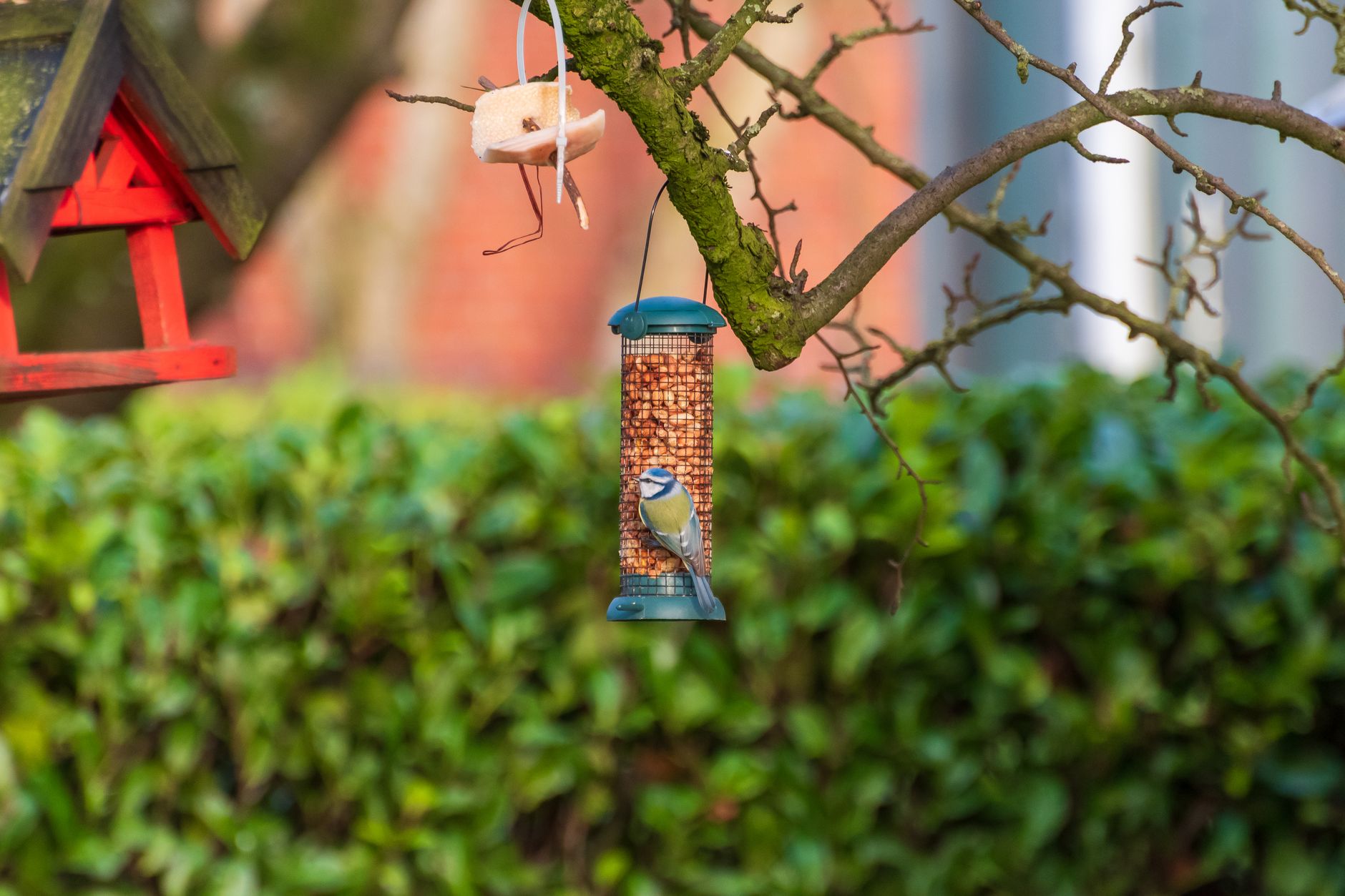
Making your own bird feeder offers numerous advantages beyond cost savings:
- Reduces Waste: Using recycled materials like plastic bottles, tin cans, or milk jugs helps reduce landfill waste and promotes sustainability.
- Customization: You can tailor the design to suit your garden’s aesthetic and the specific needs of the bird species you want to attract.
- Educational Opportunity: Building a bird feeder is a fantastic project for kids, teaching them about nature, resourcefulness, and environmental responsibility.
- Personal Satisfaction: There’s a unique sense of accomplishment in creating something beautiful and functional with your own hands.
- Attract specific species: Different species will be attracted to different types of feeders and foods.
Simple DIY Bird Feeder Projects
Here are a few easy and effective ways to make a cheap bird feeder:
- Plastic Bottle Bird Feeder: This is one of the simplest and most popular DIY methods.
- Materials: Plastic bottle, utility knife or scissors, wooden spoons or dowels, string or wire, birdseed.
- Instructions: Cut holes in the bottle large enough for birds to access the seed. Insert wooden spoons or dowels below the holes to create perches. Hang the feeder using string or wire.
- Tin Can Bird Feeder: An excellent way to upcycle those empty cans.
- Materials: Tin can, sandpaper, paint (optional), drill, wire or string, birdseed.
- Instructions: Sand down any sharp edges. Paint the can if desired. Drill holes near the top for hanging. Attach wire or string for hanging.
- Pine Cone Bird Feeder: A natural and rustic option, especially good for winter.
- Materials: Pine cone, peanut butter, birdseed, string.
- Instructions: Cover the pine cone in peanut butter. Roll the peanut butter-covered cone in birdseed until fully coated. Attach a string for hanging.
- Milk Jug Bird Feeder: Another simple project for a cheap bird feeder.
- Materials: Plastic milk jug, utility knife or scissors, wooden dowel or stick, string or wire, birdseed.
- Instructions: Cut openings on the sides of the jug. Insert a dowel or stick underneath for a perch. Create holes at the top and thread with wire or string to hang the feeder.
Step-by-Step Guide: Plastic Bottle Bird Feeder
Let’s take a deeper dive into the plastic bottle bird feeder project. This is a great starting point for anyone wondering how do you make a cheap bird feeder?
- Gather Materials: You’ll need a clean plastic bottle (soda or water bottle works well), a utility knife or sturdy scissors, two wooden spoons or small dowels, strong string or wire, and of course, birdseed.
- Create Feeding Holes: Use the utility knife or scissors to carefully cut two or three circular holes on opposite sides of the bottle, a few inches above the bottom. Make sure the holes are large enough for birds to easily reach the birdseed, but not so large that the seed spills out excessively.
- Insert Perches: Below each feeding hole, make a small hole on each side of the bottle. Slide a wooden spoon or dowel through these holes to create a perch for the birds to stand on while feeding. The spoon bowl should face outwards, providing a comfortable platform.
- Prepare for Hanging: Near the top of the bottle, create two small holes on opposite sides. Thread the string or wire through these holes to create a loop for hanging the feeder. Make sure the loop is secure.
- Fill with Birdseed: Unscrew the bottle cap and fill the bottle with your chosen birdseed. Screw the cap back on tightly.
- Hang Your Feeder: Find a suitable location to hang your bird feeder, such as a tree branch or a hook on your porch. Ensure the location is relatively sheltered from wind and rain, and out of reach of cats and other predators.
Choosing the Right Birdseed
The type of birdseed you choose will influence the types of birds you attract. Some popular options include:
| Birdseed Type | Birds Attracted | Notes |
|---|---|---|
| Sunflower Seeds | Cardinals, Chickadees, Finches, Nuthatches | A very popular and versatile seed. Black oil sunflower seeds are best. |
| Nyjer Seeds | Finches (Goldfinches, House Finches) | Small and oily, perfect for finches. |
| White Millet | Doves, Juncos, Sparrows | A favorite for ground-feeding birds. |
| Safflower Seeds | Cardinals, Doves, House Finches | Squirrels often avoid it. |
| Peanut Pieces | Woodpeckers, Jays, Chickadees, Titmice | High in protein and fat, great for energy. |
Common Mistakes to Avoid
- Using Sharp Objects Carelessly: Always exercise caution when using knives or scissors. Adult supervision is essential for children.
- Making Holes Too Large: Overly large holes will result in excessive seed spillage and may not be safe for smaller birds.
- Neglecting Cleaning: Bird feeders should be cleaned regularly (at least once a month) to prevent the spread of diseases.
- Placing Feeders Too Close to Windows: Birds can sometimes fly into windows. Place feeders at least 30 feet away from windows or close enough (within 3 feet) so that they don’t gain enough momentum to hurt themselves if they hit the glass.
- Using Unsafe Materials: Avoid using materials that could leach harmful chemicals into the birdseed.
Long-Term Maintenance and Cleaning
Regular maintenance is crucial for keeping your cheap bird feeder safe and attractive to birds. Clean your feeders at least once a month with warm, soapy water. Rinse thoroughly and allow to dry completely before refilling with birdseed. This helps prevent the spread of diseases among birds. Inspect your feeder regularly for any damage and make repairs as needed. Replacing any damaged or worn parts will help ensure the longevity of your creation.

Frequently Asked Questions (FAQs)
What are the best materials for making a cheap bird feeder?
The best materials for making a cheap bird feeder are recycled items like plastic bottles, tin cans, milk jugs, and pine cones. These materials are readily available and help reduce waste.
How often should I clean my bird feeder?
It’s essential to clean your bird feeder at least once a month to prevent the spread of diseases. Use warm, soapy water, rinse thoroughly, and allow it to dry completely before refilling.
What type of birdseed is best for attracting a variety of birds?
Sunflower seeds (especially black oil sunflower seeds) are a great all-around option that attracts a wide range of birds. You can also use a mix of different seeds to cater to different species.
Is it safe to use peanut butter in bird feeders?
Yes, peanut butter is safe for birds, especially when used in pine cone feeders. However, use smooth peanut butter to avoid choking hazards, and do not add any salt or sugar.
How do I prevent squirrels from eating all the birdseed?
There are several ways to deter squirrels. You can use safflower seeds, which squirrels often avoid. You can also purchase or build squirrel-proof feeders that have cages or baffles to prevent squirrels from accessing the seed.
Where is the best location to hang a bird feeder?
Hang your bird feeder in a safe location, away from predators like cats. Choose a spot that is sheltered from wind and rain, and preferably near some trees or shrubs where birds can perch.
How do I attract specific types of birds?
Different birds prefer different types of food and feeder designs. Research which types of seeds and feeders attract the birds you want to see and tailor your setup accordingly.
Can I use cooking oil instead of peanut butter on a pine cone bird feeder?
While some sources may suggest it, cooking oil isn’t recommended because it can go rancid quickly and mat the birds’ feathers, impairing their ability to fly. Peanut butter provides a much better, safer option.
How can I make my bird feeder more resistant to the weather?
Choose durable materials like sturdy plastic or metal. If using wood, treat it with a water-resistant sealant. Ensure your feeder has adequate drainage to prevent seed from becoming soggy.
Is it harmful to feed birds bread?
While bread isn’t toxic, it offers little nutritional value to birds and can fill them up, preventing them from seeking more nutritious food sources. It’s best to avoid feeding birds bread.
How high off the ground should I hang my bird feeder?
A good height is around 5-6 feet off the ground. This makes it difficult for cats and other ground predators to reach the feeder while still allowing birds easy access.
Can I use a metal mesh or screen for a bird feeder?
Metal mesh or screen can be used, but be sure the holes are small enough to prevent birds from getting their feet or toes caught. Also, ensure that any sharp edges are filed down or covered to prevent injury.