

How to Help a Hermit Crab Molt: Ensuring a Successful Shed
How do you help a hermit crab molt? It’s crucial to create a stable and undisturbed environment with the right temperature, humidity, substrate depth, and diet, allowing them to shed their exoskeleton naturally and safely. This article provides expert guidance for a successful molt.

The molting process is a critical and vulnerable time for hermit crabs. Understanding and supporting this process is paramount to their health and survival. As a leading expert in crustacean care, I frequently encounter concerned pet owners eager to provide the best possible environment for their shelled companions. This guide provides a comprehensive approach to ensuring a successful molt for your hermit crab.
The Importance of Molting
Hermit crabs, like all arthropods, have an exoskeleton. This rigid shell protects them but restricts their growth. To grow larger, they must shed their old exoskeleton, a process called molting. Molting is not merely shedding skin; it’s a complete replacement of the crab’s outer shell, including appendages and even parts of the eyes and stomach lining. Without molting, the crab will eventually die. Therefore, how do you help a hermit crab molt? You must provide them with the optimal environment and resources to complete this challenging process.
Preparing Your Crabitat for Molting
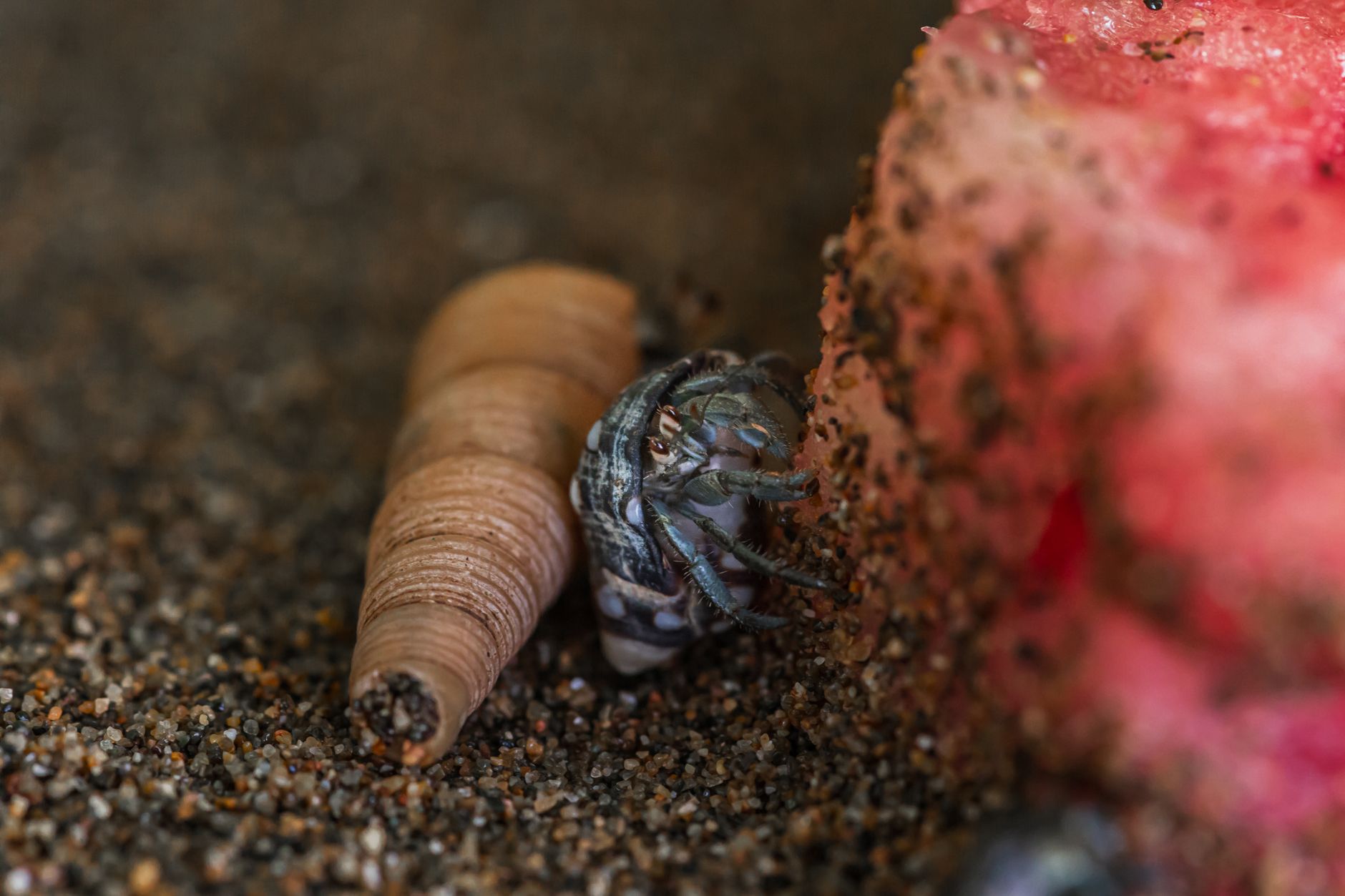
Creating the right environment is crucial for a successful molt. Here are the essential components:
- Substrate Depth: The substrate (mixture of play sand and coco fiber, often referred to as eco-earth) should be at least six inches deep, or three times the height of your largest crab, whichever is greater. This allows the crab to fully bury itself for molting.
- Substrate Composition: The substrate should be a mix of play sand and coco fiber (eco-earth). The ideal ratio is approximately 5:1 sand to eco-earth. This mix allows for tunneling and holds humidity.
- Temperature: Maintain a temperature gradient within the crabitat, with a warmer side around 80-85°F (27-29°C) and a cooler side around 70-75°F (21-24°C).
- Humidity: Maintain a humidity level of 70-80%. Use a hygrometer to monitor humidity levels and adjust as needed by misting the substrate with dechlorinated water.
- Food and Water: Provide a constant supply of fresh food and both fresh and saltwater pools. Ensure the water pools are deep enough for crabs to submerge themselves but also allow for easy exiting.
- Hiding Places: Offer plenty of hiding places, such as cork bark, half logs, and artificial plants. This provides the crabs with a sense of security and reduces stress.
- Extra Shells: Always provide a variety of empty shells that are slightly larger than the ones your crabs are currently using. This allows them to change shells after molting.
The Molting Process: A Step-by-Step Guide
The molting process can take several weeks, or even months, depending on the size and age of the crab. Here’s what to expect:
- Pre-Molt: Crabs preparing to molt often exhibit changes in behavior.
- Reduced activity.
- Increased water consumption.
- Burrowing.
- A dull or grayish appearance.
- Molting: During the actual molt, the crab will shed its exoskeleton. This process is highly stressful and can take several hours. The crab is extremely vulnerable during this time.
- Post-Molt: After molting, the crab’s new exoskeleton is soft and vulnerable. It will bury itself and eat its old exoskeleton to recover calcium and minerals. It is crucial not to disturb the crab during this time.
Common Mistakes to Avoid
Several common mistakes can negatively impact a hermit crab’s molting process.
- Disturbing the Crab: The most critical mistake is disturbing a molting crab. If you see a crab buried or exhibiting pre-molt behaviors, resist the urge to dig it up.
- Poor Substrate: Insufficient substrate depth or the wrong substrate composition can hinder burrowing and molting.
- Inadequate Humidity: Low humidity can make it difficult for the crab to shed its exoskeleton properly.
- Lack of Proper Nutrition: A poor diet can weaken the crab and make it more vulnerable during molting.
- Ignoring Parasites or Illness: Parasitic infestations or underlying illnesses can weaken the crab and compromise its ability to molt.
Isolation Tanks (Optional)
While generally best to leave the crab in the main crabitat, a small, isolated tank (often called a “iso tank”) can be helpful in some situations:
- Aggressive Tank Mates: If you have crabs that are known to be aggressive or cannibalistic, isolating a molting crab can protect it.
- Ill or Injured Crabs: If a crab is sick or injured, isolating it can prevent the spread of disease and allow for targeted treatment.
- Mite Infestation: If the main tank has a mite infestation, isolating the crab in a clean tank can help to control the problem.
The iso tank should be a small, basic tank with the same substrate, temperature, and humidity as the main crabitat. Provide a food and water dish and a hiding place. Transfer the crab carefully and avoid disturbing it more than necessary.
Dietary Needs During and After Molting
Providing the correct nutrients is essential for a successful molt. Before molting, ensure your crab has access to calcium-rich foods like cuttlebone, eggshells, and calcium-rich vegetables. After molting, the crab will consume its old exoskeleton to replenish its calcium stores. Continue to provide a balanced diet, including protein, carbohydrates, and healthy fats.

Frequently Asked Questions About Hermit Crab Molting
Here are some frequently asked questions about helping hermit crabs through the molting process:
What are the signs that my hermit crab is about to molt?
The signs a hermit crab is about to molt include lethargy, decreased appetite, burying themselves for extended periods, a dull or grayish coloration, and increased water consumption. They may also dig down to the bottom of the substrate and create a small chamber. Observing these behaviors can help you anticipate the molt and avoid disturbing the crab.
How long does the molting process take?
The molting process varies depending on the size and age of the crab. Smaller crabs may molt in a few weeks, while larger crabs can take several months. The time spent buried does not necessarily mean they are actively molting the entire time. They may spend considerable time preparing for the molt.
Is it normal for my hermit crab to bury itself for weeks at a time?
Yes, burying themselves is a natural part of the molting process for hermit crabs. They do this to create a safe and humid environment where they can shed their exoskeleton undisturbed. Do not dig up the crab unless you have a strong reason to believe something is wrong.
What should I do if I accidentally disturb a molting hermit crab?
If you accidentally disturb a molting hermit crab, gently cover it back up with the substrate as quickly as possible. Try to avoid touching the crab directly and leave it undisturbed for as long as possible. Monitor the crab closely, but avoid further disturbances.
How do I know if my hermit crab is having trouble molting?
Signs of molting problems include prolonged digging without molting, visible signs of distress, such as struggling to remove the old exoskeleton, or signs of injury. If you suspect a problem, consult with a veterinarian who specializes in exotic animals.
Can I handle my hermit crab after it molts?
It is best to avoid handling your hermit crab for at least a week after it molts. Their new exoskeleton is soft and vulnerable, and handling them can cause stress or injury. Allow them to harden their exoskeleton and regain their strength before handling them.
What should I feed my hermit crab after it molts?
After molting, continue to provide a balanced diet that includes calcium-rich foods. The crab will likely eat its old exoskeleton to replenish its calcium stores, but you should also provide other sources of calcium, such as cuttlebone or eggshells.
How often should hermit crabs molt?
Young hermit crabs molt more frequently as they grow rapidly. Adult hermit crabs may molt once or twice a year. The frequency of molting can also depend on environmental factors, such as temperature, humidity, and food availability.
My hermit crab has been buried for a long time and I don’t see it anymore. Is it dead?
It is possible that the crab has died, but it is more likely that it is still molting. Hermit crabs can stay buried for extended periods while molting, so it is important to remain patient and avoid disturbing the substrate. If you are concerned, wait until you notice a foul odor before investigating. This odor indicates decomposition.
Why is my hermit crab eating its old exoskeleton?
Hermit crabs eat their old exoskeleton to replenish their calcium stores and other essential minerals. The exoskeleton is a valuable source of nutrients that help the crab harden its new shell.
Can hermit crabs die during the molting process?
Yes, hermit crabs can die during the molting process. Molting is a stressful and vulnerable time, and crabs can die from exhaustion, injury, or complications from underlying health issues. Providing a safe and optimal environment can significantly reduce the risk of death.
Do hermit crabs always bury themselves to molt?
While burying is the most common molting behavior, some smaller hermit crabs might occasionally molt in a secluded area above the substrate. However, providing ample substrate depth and suitable conditions will encourage them to bury themselves, which offers better protection and humidity during the molt.
By understanding the molting process and providing the right environment, you can help your hermit crabs thrive and enjoy long, healthy lives. Remember, patience and minimal intervention are key to a successful molt.