

How Do You Help a Cat Forgive You? The Ultimate Guide
Learn how to effectively mend fences and rebuild trust with your feline companion after a perceived slight, utilizing patience, understanding, and positive reinforcement to restore harmony in your home. Helping a cat forgive you requires understanding feline communication and tailoring your approach to their individual personality.

Understanding Feline Forgiveness: A Matter of Trust
Cats, unlike humans, don’t hold grudges in the same way. Their “forgiveness” is more about re-establishing trust and feeling safe around you again. Understanding this fundamental difference is the first step in how do you help a cat forgive you? A single negative interaction can damage the bond you’ve built, and repairing it requires a mindful and consistent effort.
Decoding Cat Behavior: Recognizing the “Silent Treatment”
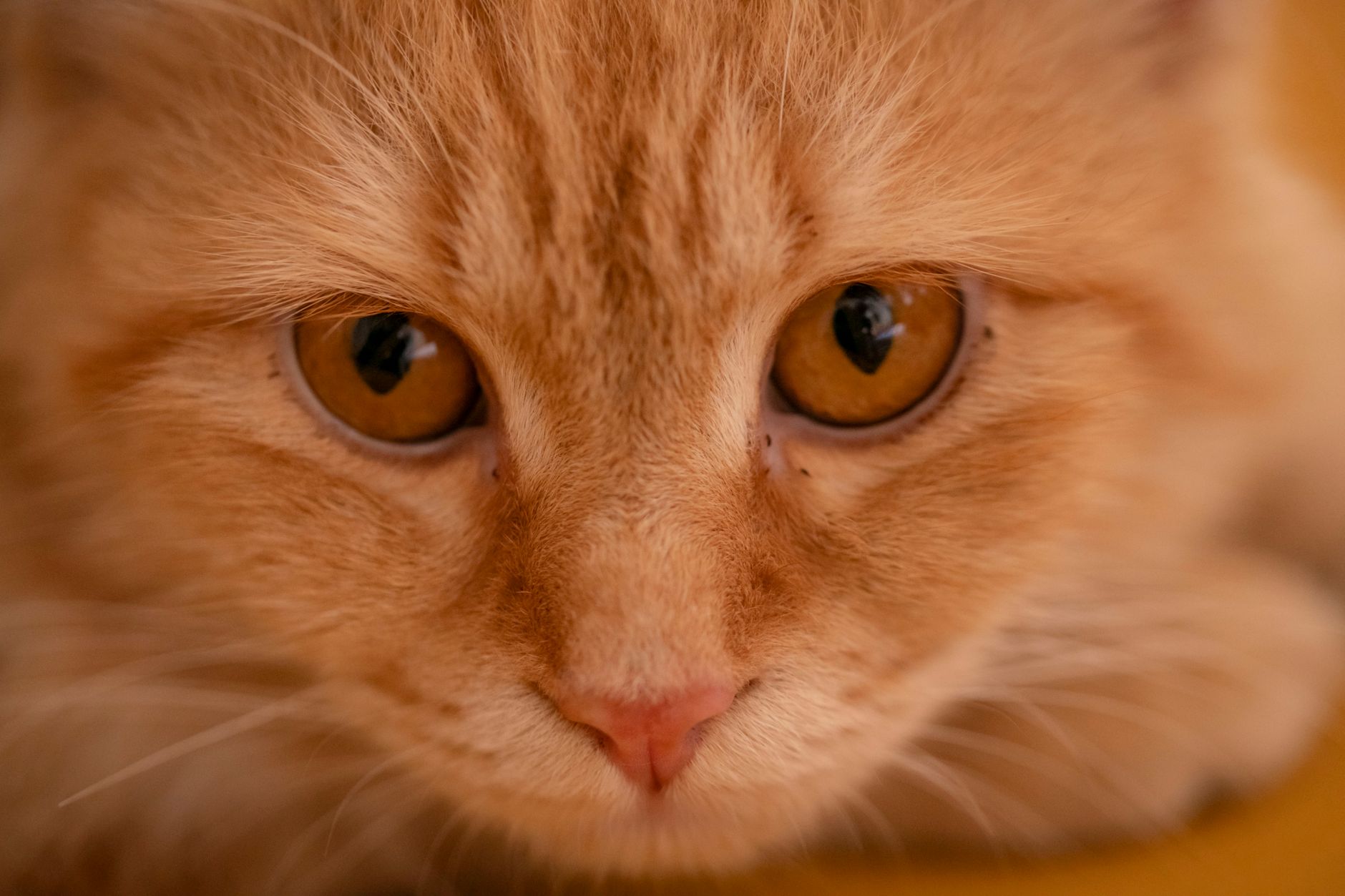
Before addressing how do you help a cat forgive you?, it’s crucial to accurately assess their behavior. Are they truly giving you the cold shoulder, or is something else going on? Common signs a cat is upset with you include:
- Avoiding eye contact.
- Hiding or retreating to secluded areas.
- Flattened ears or a twitching tail.
- Hissing, growling, or swatting.
- Changes in appetite or litter box habits (though these can also indicate medical problems, so consult a vet first).
It’s important to differentiate between anger and fear. A fearful cat needs reassurance and a safe space, while an angry cat may need more space initially.
The Art of Apology: Winning Back Your Feline Friend
Okay, you’ve determined your cat is unhappy. What’s next? How do you help a cat forgive you? Here’s a step-by-step guide:
- Acknowledge Your Mistake: Even though your cat doesn’t understand verbal apologies, understanding why they are upset is key. Did you accidentally step on their tail? Did you bring home a new pet without proper introduction?
- Give Them Space: Don’t force interaction. Allow your cat to approach you on their own terms. This is crucial for regaining their trust.
- Offer Positive Reinforcement: Use treats, toys, and gentle petting (if they allow it) to create positive associations with your presence. Consistency is key.
- Maintain a Predictable Routine: Cats thrive on routine. A consistent feeding schedule, playtime, and sleeping arrangements can help them feel secure and reduce anxiety.
- Speak Softly and Slowly: Avoid loud noises and sudden movements, which can be perceived as threatening.
- Use Pheromone Therapy: Feliway diffusers or sprays can help create a calming environment and reduce stress in cats.
The Importance of Patience: A Marathon, Not a Sprint
Rebuilding trust takes time. Don’t expect your cat to forgive you overnight. Be patient, persistent, and understanding. Some cats may forgive you quickly, while others may take days or even weeks.
Common Mistakes to Avoid When Seeking Forgiveness
Knowing what not to do is just as important as knowing how do you help a cat forgive you?
- Forcing Interaction: This will only make things worse and reinforce their negative feelings towards you.
- Punishing Your Cat: This is counterproductive and will damage your relationship even further.
- Ignoring Their Signals: Pay attention to your cat’s body language and respect their boundaries.
- Changing Too Much Too Soon: Gradual changes are less stressful than sudden ones.
Environmental Enrichment: Creating a Happy Home
A happy cat is less likely to hold grudges. Ensure your cat has a stimulating environment with plenty of opportunities for play, scratching, and exploration. Consider:
- Scratching Posts: Provide a variety of textures and heights.
- Climbing Structures: Cats love to climb and observe their surroundings from a high vantage point.
- Interactive Toys: Puzzle feeders and toys that mimic prey can keep them mentally stimulated.
- Window Perches: Offer a view of the outdoors, providing entertainment and enrichment.
Using Scent to Rebuild Your Bond
Scent is a powerful tool in the feline world. You can use it to your advantage when learning how do you help a cat forgive you? Gently rub a soft cloth on your cat’s cheeks and forehead (where their scent glands are) and then rub the cloth on surfaces around the house. This helps spread their scent and create a sense of familiarity and comfort. Also, consider using catnip; many cats find it relaxing and enjoyable, which can help them associate you with positive experiences.
Tailoring Your Approach: Understanding Individual Personalities
Every cat is different. What works for one cat may not work for another. Some cats are naturally more forgiving than others. Observe your cat’s personality and adjust your approach accordingly. A shy cat will require more patience than a confident one. An active cat needs more playtime to burn off excess energy.
| Cat Personality Type | Best Approach |
|---|---|
| Shy/Timid | Gradual approach, lots of space, gentle reassurance |
| Confident/Outgoing | More direct interaction, but still respecting boundaries, engaging playtime |
| Playful/Active | Frequent playtime sessions, stimulating toys, opportunities to climb and explore |
| Senior/Relaxed | Gentle petting, comfortable resting places, minimal stress |
Monitoring Progress and Seeking Professional Help
Keep a close eye on your cat’s behavior. Are they showing signs of improvement? Are they starting to interact with you more? If you’re not seeing any progress, or if your cat’s behavior is getting worse, consult with a veterinarian or a certified cat behaviorist. They can help identify any underlying medical or behavioral issues and provide tailored advice. Addressing medical issues that could be the real problem might be the actual answer to how do you help a cat forgive you?

Frequently Asked Questions (FAQs)
Why is my cat suddenly acting different towards me?
A sudden change in behavior can indicate several things. It’s essential to rule out medical causes first by consulting with a veterinarian. Other possibilities include stress, changes in the environment, or a perceived threat. Also, reconsider how how do you help a cat forgive you? can become an issue if your cat does have medical needs and is unable to communicate that need adequately.
How long does it take for a cat to forgive you?
There’s no definitive answer. It depends on the severity of the perceived offense, the cat’s personality, and your efforts to rebuild trust. Some cats may forgive you within a few hours, while others may take days or even weeks.
My cat is hissing at me. What should I do?
Hissing is a clear sign that your cat is feeling threatened or uncomfortable. Give them space immediately and avoid making any sudden movements. Once they calm down, you can try offering a treat or toy from a distance.
Is it possible to completely lose a cat’s trust?
While it’s difficult to completely lose a cat’s trust, repeated negative experiences can severely damage your relationship. It’s crucial to be consistent, patient, and understanding in your interactions with your cat.
Can I use treats to bribe my cat into forgiving me?
Treats can be a valuable tool, but they shouldn’t be used as a bribe. Instead, use them to create positive associations with your presence. Offer treats while gently petting your cat (if they allow it) or during playtime. This can be part of the strategy for how do you help a cat forgive you?
My cat is ignoring me completely. What should I do?
Resist the urge to force interaction. Allow your cat to come to you on their own terms. Spend time in the same room as them, but don’t try to engage with them directly. Eventually, they may become curious and approach you.
What are some signs that my cat is starting to forgive me?
Signs of forgiveness include: approaching you voluntarily, purring when you pet them, rubbing against your legs, and engaging in normal behaviors around you.
Should I apologize to my cat verbally?
While cats don’t understand the specific words you’re saying, they can sense your tone of voice and body language. Speak softly and calmly, and avoid making any sudden movements.
Is Feliway really effective?
For many cats, Feliway can be a helpful tool in reducing stress and anxiety. However, it’s not a guaranteed solution and may not work for all cats.
What if my cat is still acting angry after several days?
If your cat is still exhibiting signs of anger after several days, it’s important to consult with a veterinarian or a certified cat behaviorist. There may be an underlying medical or behavioral issue that needs to be addressed. At this point you may need expert guidance in how do you help a cat forgive you?
Can introducing a new cat cause resentment and the need for forgiveness from an existing cat?
Yes, definitely! Introducing a new cat can be a major stressor for your existing cat and can lead to resentment. Gradual introductions, separate feeding and litter areas, and plenty of attention for the resident cat are crucial to minimize conflict.
What role does playing with a cat play in helping them forgive?
Interactive playtime is essential. It provides mental stimulation, physical exercise, and strengthens your bond. Use toys that mimic prey, such as feather wands or laser pointers, to engage their hunting instincts. A tired cat is a happy (and more forgiving) cat!