
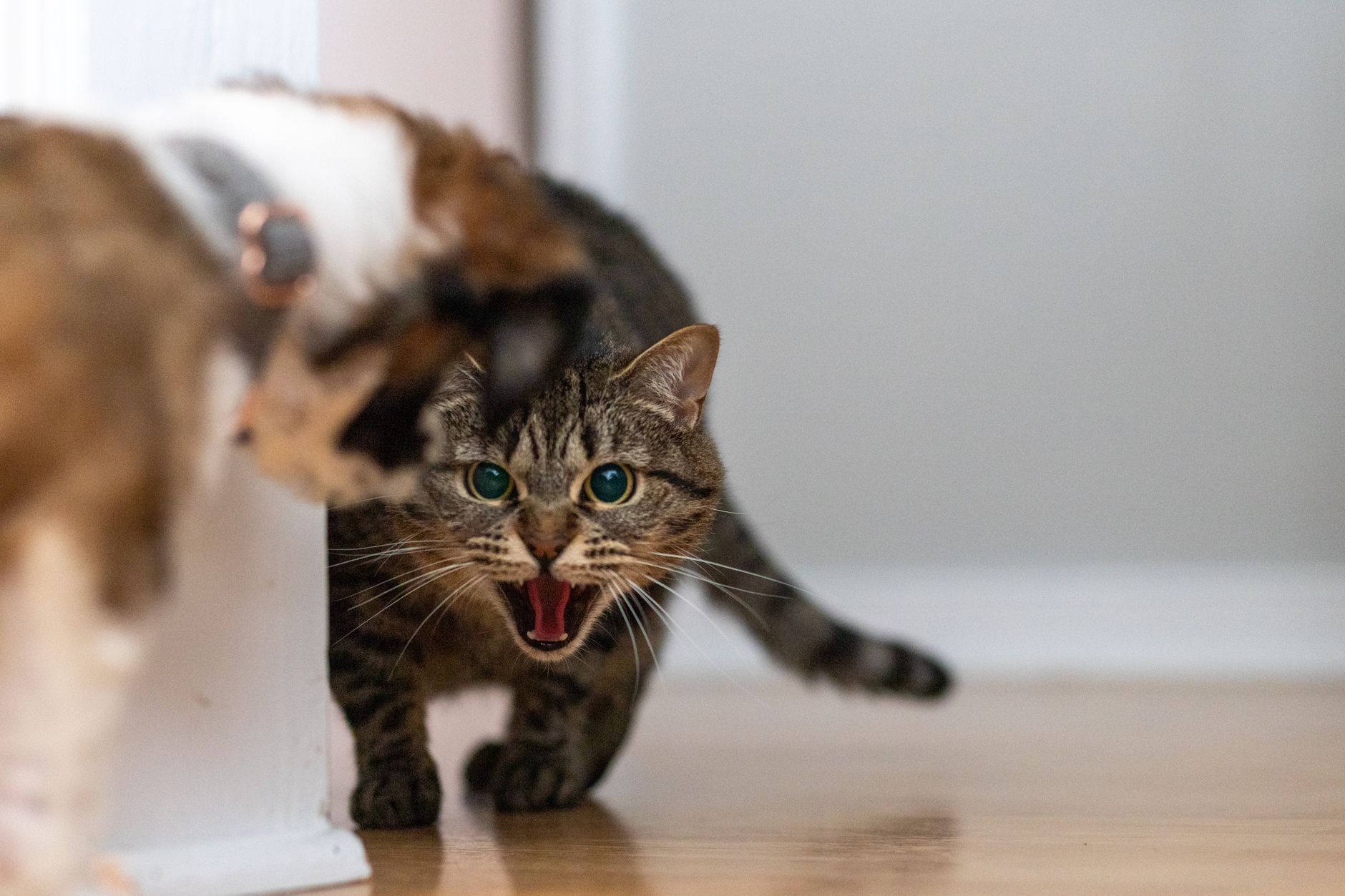
How to Tame the Beast: Fixing Aggressive Cat Behavior
Fixing an aggressive cat requires understanding the root cause of the aggression and employing a combination of environmental enrichment, behavioral modification techniques, and, in some cases, medication; the key is a patient, consistent approach aimed at reducing stress and building a positive association with triggers, which can lead to a significantly improved quality of life for both cat and owner.

Understanding Feline Aggression: More Than Just a Bad Mood
Aggression in cats isn’t simply a personality trait. It’s often a symptom of underlying stress, fear, pain, or frustration. Understanding the type of aggression your cat is displaying is crucial for developing an effective solution. Without identifying the reason behind the aggression, any attempt to curb their behavior will likely be ineffective.
There are several common types of feline aggression:
- Fear Aggression: Triggered by perceived threats.
- Play Aggression: Misdirected hunting instincts.
- Territorial Aggression: Protecting their space or resources.
- Pain-Induced Aggression: Resulting from underlying medical issues.
- Redirected Aggression: Aggression toward a nearby target when the cat is agitated by something else.
Identifying the Root Cause: Detective Work for Cat Owners

Before you can address the aggression, you need to become a detective and figure out what’s causing it. Consider these factors:
- Medical Conditions: A vet visit is essential to rule out any underlying health issues that may be contributing to the aggression.
- Environmental Stressors: Identify any changes in the environment, such as new pets, loud noises, or unfamiliar visitors.
- Social Dynamics: Observe interactions between your cat and other animals in the household. Are there resource guarding issues?
- Play Style: Evaluate your play sessions. Are they overly stimulating or causing frustration?
Behavior Modification Techniques: Rewiring the Feline Brain
Once you’ve identified the cause, you can start implementing behavior modification techniques:
- Desensitization: Gradually expose your cat to the trigger at a low intensity, pairing it with positive reinforcement like treats or praise.
- Counter-Conditioning: Change your cat’s emotional response to the trigger by associating it with something positive.
- Environmental Enrichment: Provide plenty of vertical space (cat trees), scratching posts, and interactive toys to satisfy their natural instincts.
- Play Therapy: Redirect your cat’s energy with appropriate play, using toys that mimic prey.
- Positive Reinforcement: Reward calm and appropriate behavior with treats, praise, or petting.
The Importance of a Calm and Consistent Approach
- Consistency is key. Avoid inconsistent responses to your cat’s behavior, as this can confuse them and worsen the aggression.
- Remain calm. Yelling or punishing your cat will only increase their fear and anxiety, exacerbating the problem.
- Avoid direct confrontation. Never force interaction with your cat when they’re showing signs of aggression. Give them space and time to calm down.
Environmental Management: Creating a Safe and Secure Space
A stressful environment can significantly contribute to feline aggression. Managing the environment is crucial for reducing stress and promoting calm behavior. Consider these strategies:
- Provide Multiple Resources: Offer multiple food and water bowls, litter boxes, and resting areas to prevent competition and resource guarding. The number of litter boxes should be at least one more than the number of cats in the house.
- Create Vertical Space: Cats feel safer and more secure when they have access to vertical space, such as cat trees, shelves, and window perches.
- Offer Hiding Places: Provide plenty of hiding places, such as cardboard boxes or covered cat beds, where your cat can retreat when they feel overwhelmed.
- Use Pheromone Therapy: Synthetic feline pheromones, such as Feliway, can help reduce stress and anxiety in cats.
Medication as a Last Resort: When Behavior Modification Isn’t Enough
In some cases, medication may be necessary to help manage feline aggression, especially when it’s caused by underlying anxiety or medical conditions. Consult with your veterinarian to discuss whether medication is appropriate for your cat. Common medications used to treat feline aggression include:
- Antidepressants: Such as fluoxetine or paroxetine.
- Anti-Anxiety Medications: Such as alprazolam or buspirone.
It’s important to remember that medication should always be used in conjunction with behavior modification techniques.
When to Seek Professional Help: Enlisting the Experts
If you’re struggling to manage your cat’s aggression on your own, don’t hesitate to seek professional help. A certified cat behavior consultant or veterinary behaviorist can provide a personalized assessment and develop a tailored treatment plan for your cat. They will be experienced in How do you fix an aggressive cat? and can offer expert insight.
Common Mistakes to Avoid: Sabotaging Your Progress
- Punishment: Never punish your cat for aggressive behavior, as this will only increase their fear and anxiety.
- Forcing Interaction: Forcing interaction with your cat when they’re showing signs of aggression will likely backfire.
- Ignoring the Underlying Cause: Failing to identify and address the root cause of the aggression will make it difficult to resolve the problem.
- Inconsistency: Inconsistent responses to your cat’s behavior can confuse them and worsen the aggression.
- Giving Up Too Soon: Behavior modification takes time and patience. Don’t get discouraged if you don’t see results immediately.
| Mistake | Consequence |
|---|---|
| Punishment | Increased fear and aggression. |
| Forcing interaction | Escalation of aggressive behavior. |
| Ignoring the cause | Ineffective treatment and frustration. |
| Inconsistency | Confusion and worsened aggression. |
| Giving up too soon | Failure to achieve desired results. |

Frequently Asked Questions
What are the signs of aggression in cats?
Signs of aggression in cats can range from subtle to overt. Subtle signs include flattened ears, dilated pupils, twitching tail, and hissing or growling. More overt signs include swatting, biting, scratching, and chasing.
How do I protect myself from an aggressive cat?
- Avoid direct eye contact. This can be perceived as a challenge.
- Use a barrier such as a pillow or blanket to protect yourself.
- Speak in a calm, reassuring voice.
- Slowly back away and give the cat space.
Is it possible to completely “cure” an aggressive cat?
While it may not always be possible to completely “cure” an aggressive cat, it is often possible to significantly reduce the frequency and intensity of their aggression through behavior modification and environmental management. The goal is to manage the aggression to improve the cat’s and owner’s quality of life.
How long does it take to fix an aggressive cat?
The time it takes to fix an aggressive cat can vary depending on the severity of the aggression, the underlying cause, and the cat’s individual personality. Some cats may show improvement within a few weeks, while others may require several months of consistent effort.
Can I adopt an aggressive cat?
Adopting an aggressive cat is a personal decision. It requires a lot of patience, commitment, and understanding. Assess whether you have the resources, skills, and dedication to provide the cat with the necessary support and environment. How do you fix an aggressive cat? adoption may require professional help.
Will neutering/spaying help reduce aggression in cats?
Yes, neutering or spaying can often help reduce aggression in cats, particularly territorial aggression and aggression related to mating behavior. It can significantly alter hormone-driven behaviors.
What are some safe toys to use with an aggressive cat?
Safe toys for aggressive cats include fishing pole toys, laser pointers (use with caution to avoid frustration), and puzzle feeders. Avoid toys that encourage direct physical contact between you and your cat.
How do I introduce a new cat to an aggressive cat?
Introducing a new cat to an aggressive cat should be done gradually and carefully. Start by keeping the cats separated in different rooms and gradually introduce their scents. Supervise short, controlled interactions, and reward positive behavior.
What are some natural remedies for feline aggression?
Natural remedies for feline aggression include pheromone diffusers, calming supplements containing ingredients like L-theanine or tryptophan, and herbal remedies like valerian root or chamomile. Consult with your veterinarian before using any natural remedies.
My cat is only aggressive towards one person in the household. What should I do?
If your cat is only aggressive towards one person in the household, it’s important to identify the trigger for the aggression. It could be related to a specific smell, sound, or behavior. The person should avoid direct interaction with the cat and gradually build a positive association through treats and positive reinforcement.
How do I handle redirected aggression?
To handle redirected aggression, identify and remove the source of your cat’s frustration. Avoid direct interaction with your cat until they have calmed down. Provide a safe space for your cat to retreat to and offer plenty of environmental enrichment.
What is the difference between play aggression and true aggression?
Play aggression is usually less intense than true aggression and is often characterized by playfulness and lack of malice. However, it can still result in scratches and bites. True aggression is more likely to involve hissing, growling, and flattened ears. Learning to differentiate these behaviors is key to understanding How do you fix an aggressive cat? behavior.