

How to Fix a Weedy Lawn Without Chemicals: A Comprehensive Guide
To fix a weedy lawn without chemicals, adopt a multi-pronged approach focused on improving soil health, promoting vigorous grass growth, and employing targeted, natural weed control methods. This results in a beautiful, healthy, and sustainable lawn.
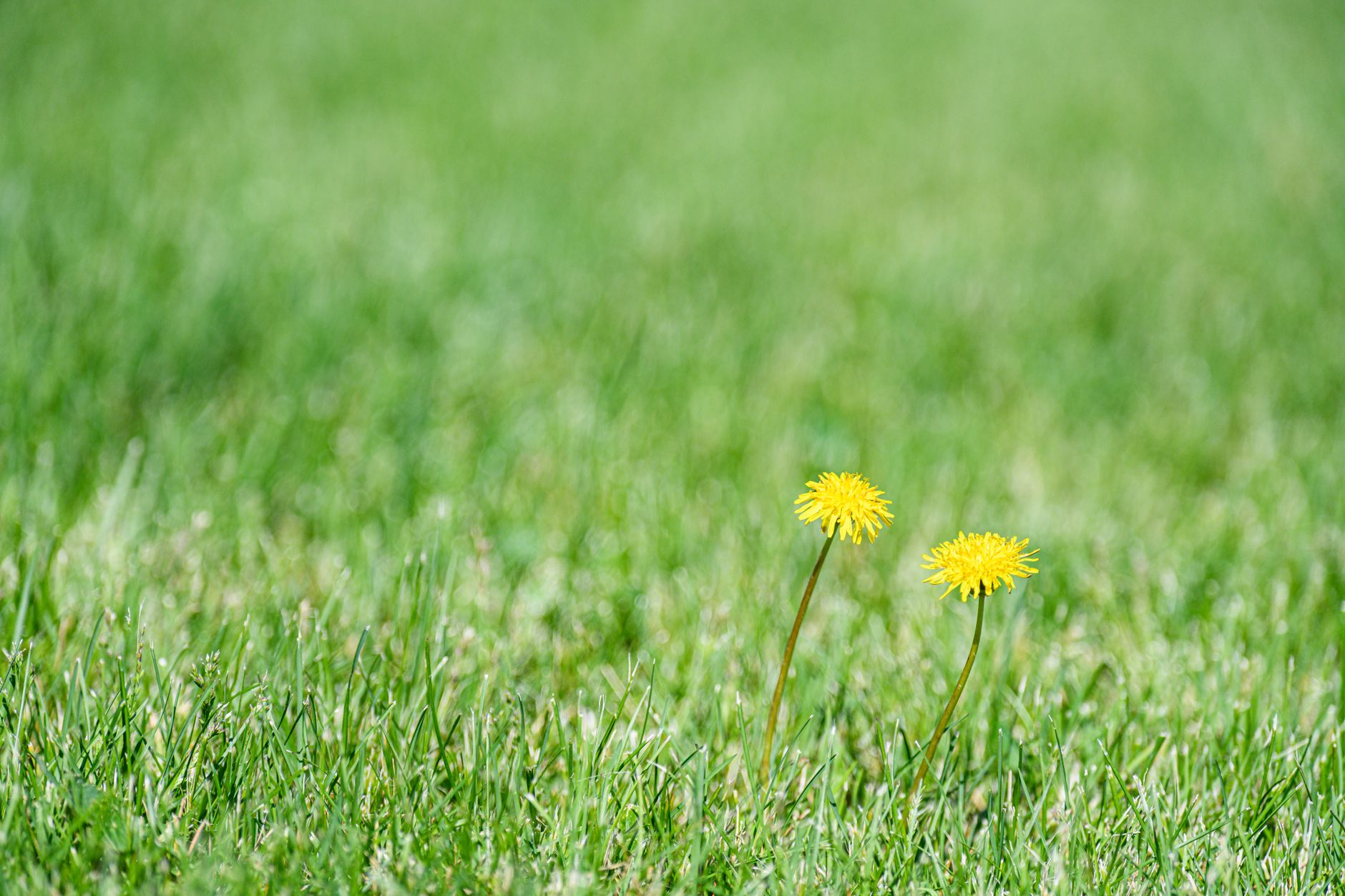
Understanding the Weed Problem: Why Weeds Thrive
Weeds are opportunistic plants that often thrive in conditions where grass struggles. Before tackling the problem, it’s crucial to understand why weeds are taking over your lawn. Common culprits include:
- Poor Soil Quality: Compacted soil, nutrient deficiencies, and improper pH levels create an environment where grass can’t compete.
- Thin or Bare Patches: Open spaces in the lawn are invitations for weeds to establish themselves.
- Improper Mowing: Cutting grass too short weakens it and allows sunlight to reach weed seeds, encouraging germination.
- Overwatering or Underwatering: Inconsistent watering can stress grass, making it vulnerable to weed invasion.
The Benefits of a Chemical-Free Lawn

Choosing to fix a weedy lawn without chemicals offers a multitude of benefits:
- Healthier Ecosystem: Avoid harming beneficial insects, earthworms, and other organisms that contribute to a healthy soil food web.
- Safer for Children and Pets: Eliminate the risk of exposure to potentially harmful chemicals.
- Reduced Environmental Impact: Prevent chemical runoff that can contaminate waterways and harm wildlife.
- Long-Term Sustainability: Focus on building a healthy soil foundation, leading to a more resilient and sustainable lawn.
Building a Strong Foundation: Soil Health and Preparation
The key to how do you fix a weedy lawn without chemicals? lies in creating an environment where grass thrives and weeds struggle. This starts with improving soil health.
- Soil Testing: A soil test reveals nutrient deficiencies and pH imbalances. This guides targeted amendments.
- Aeration: Core aeration alleviates soil compaction, allowing air, water, and nutrients to penetrate the roots.
- Topdressing: Apply a thin layer of compost to improve soil structure, fertility, and water retention.
- Lime or Sulfur: Adjust soil pH based on soil test results. Lime raises pH (for acidic soils), while sulfur lowers pH (for alkaline soils).
Promoting Vigorous Grass Growth: Overseeding and Proper Care
A dense, healthy lawn naturally outcompetes weeds.
- Overseeding: Introduce new grass seed, especially in thin or bare patches. Choose a grass type suited to your climate and soil conditions.
- Proper Mowing: Mow high (typically 3-4 inches). Taller grass shades the soil, preventing weed seeds from germinating. Leave grass clippings on the lawn (grasscycling) to return nutrients to the soil.
- Watering: Water deeply and infrequently. This encourages deep root growth, making grass more drought-tolerant and competitive against weeds.
- Fertilizing (Naturally): Use organic fertilizers or compost tea to provide essential nutrients. Avoid synthetic fertilizers, which can harm soil health and promote weed growth.
Natural Weed Control Methods: Targeted Strategies
While building a healthy lawn is crucial, you may also need to employ targeted weed control methods.
- Hand-Pulling: Remove weeds by hand, ensuring you get the entire root system. This is most effective for small infestations.
- Hoeing: Use a hoe to cultivate the soil around weeds, disrupting their root systems.
- Mulching: Apply mulch (straw, wood chips, or shredded bark) around plants to suppress weed growth.
- Vinegar: Horticultural vinegar (acetic acid) can be used as a spot treatment for weeds. Use with caution, as it can also harm desirable plants.
- Corn Gluten Meal: A pre-emergent herbicide that prevents weed seeds from germinating. Apply in early spring before weed seeds sprout.
- Solarization: Cover the affected area with clear plastic to trap heat and kill weeds and weed seeds. This is best done during the hottest months of the year.
- Boiling Water: Pour boiling water directly onto weeds to kill them. Use with extreme caution to avoid burning yourself or harming surrounding plants.
Common Mistakes to Avoid When Fixing a Weedy Lawn
Knowing what not to do is just as important as knowing what to do.
- Ignoring Soil Health: Addressing the root cause of the problem is crucial. Simply pulling weeds without improving soil health will only lead to their return.
- Over-Relying on Vinegar: Vinegar can be effective as a spot treatment, but it doesn’t address the underlying issues and can damage surrounding plants if used improperly.
- Mowing Too Short: Short grass is weak grass. Mowing high is essential for weed control.
- Using Synthetic Fertilizers: These can create a nutrient imbalance in the soil, favoring weeds over grass.
- Neglecting Watering: Inconsistent watering weakens grass and allows weeds to thrive.
A Comparison of Weed Control Methods
| Method | Effectiveness | Environmental Impact | Cost | Labor | Best For |
|---|---|---|---|---|---|
| Hand-Pulling | High | Very Low | Low | High | Small Infestations, Specific Weeds |
| Hoeing | Medium | Very Low | Low | Medium | Larger Areas, Surface-Rooted Weeds |
| Mulching | High | Low | Medium | Medium | Garden Beds, Around Plants |
| Vinegar | Medium | Low | Low | Low | Spot Treatments, Annual Weeds |
| Corn Gluten Meal | High (Pre) | Low | Medium | Low | Pre-Emergent Control, Large Areas |
| Solarization | Very High | Very Low | Medium | Low | Severe Infestations, Bare Soil Preparation |
| Boiling Water | High | Low | Low | Low | Spot Treatments, Cracks & Patios |
Maintaining a Weed-Free Lawn: Ongoing Care
How do you fix a weedy lawn without chemicals? It’s not a one-time fix, but an ongoing process. Consistent care is essential for maintaining a healthy, weed-free lawn.
- Regular Mowing: Maintain a proper mowing height and leave grass clippings on the lawn.
- Consistent Watering: Water deeply and infrequently, especially during dry periods.
- Annual Aeration: Aerate the lawn every year to alleviate soil compaction.
- Topdressing with Compost: Apply a thin layer of compost annually to improve soil health.
- Monitor for Weeds: Regularly inspect your lawn for weeds and remove them promptly.

Frequently Asked Questions (FAQs)
What is the best time of year to start fixing a weedy lawn without chemicals?
The best time to start is typically in the early spring or early fall. These periods offer favorable conditions for grass seed germination and growth, allowing you to establish a strong lawn before weeds have a chance to take over. In spring, address the soil with aeration and compost to help grasses emerge strongly.
How long does it take to see results when fixing a weedy lawn without chemicals?
It’s important to be patient. Fixing a weedy lawn without chemicals is a long-term process. You may start to see improvements within a few weeks, but it can take several months or even a year or two to achieve a truly weed-free lawn. The time required depends on the severity of the weed infestation and the overall health of your soil.
Can I use vinegar to kill all the weeds in my lawn?
While vinegar can be effective as a spot treatment for weeds, it’s not a long-term solution for widespread weed infestations. It can also harm desirable plants if not used carefully. Focus on improving soil health and promoting vigorous grass growth for long-term weed control. Horticultural vinegar with higher acidity is most effective.
Is corn gluten meal safe for my pets and children?
Yes, corn gluten meal is generally considered safe for pets and children. It is a natural product derived from corn and does not contain any harmful chemicals. However, it’s always best to keep pets and children away from the treated area until the product has been watered in and allowed to dry.
How often should I aerate my lawn?
It is recommended to aerate your lawn at least once a year, especially if you have heavy clay soil or experience soil compaction. In some cases, aerating twice a year (in spring and fall) may be beneficial.
What type of grass seed should I use to overseed my lawn?
Choose a grass seed type that is well-suited to your climate, soil conditions, and sun exposure. Common options include Kentucky bluegrass, perennial ryegrass, and fescue. Consult with a local nursery or lawn care professional for recommendations based on your specific needs.
Is it okay to leave grass clippings on my lawn?
Yes, leaving grass clippings on your lawn (grasscycling) is highly recommended. Grass clippings decompose quickly and return valuable nutrients to the soil, acting as a natural fertilizer. This can reduce the need for synthetic fertilizers.
How can I prevent weeds from coming back after I’ve fixed my lawn?
Consistent lawn care practices are essential for preventing weeds from returning. This includes regular mowing, proper watering, annual aeration, topdressing with compost, and promptly removing any weeds that do appear.
What are the best natural fertilizers for lawns?
Some of the best natural fertilizers for lawns include compost, compost tea, worm castings, and organic fertilizer blends. These materials provide essential nutrients while improving soil health.
How do I know if my soil is compacted?
Signs of soil compaction include difficulty penetrating the soil with a screwdriver or shovel, water pooling on the surface after rain, and stunted grass growth. Core aeration is the best way to alleviate soil compaction.
What is the ideal soil pH for a healthy lawn?
The ideal soil pH for a healthy lawn is typically between 6.0 and 7.0. A soil test will reveal your soil’s pH level and indicate whether you need to adjust it with lime or sulfur.
What if I have a particularly stubborn weed problem that I can’t seem to get rid of?
If you’ve tried various natural methods and are still struggling with a stubborn weed problem, consult with a local lawn care professional or horticulturalist. They can help you identify the specific weeds you’re dealing with and recommend targeted, natural solutions.