
How Do You Feed Bettas Brine Shrimp? A Definitive Guide
The best way to feed your betta fish brine shrimp is to offer small, appropriately sized portions several times a week as part of a balanced diet, ensuring the shrimp are thoroughly rinsed and of high quality. How do you feed bettas brine shrimp? – This guide walks you through every step!
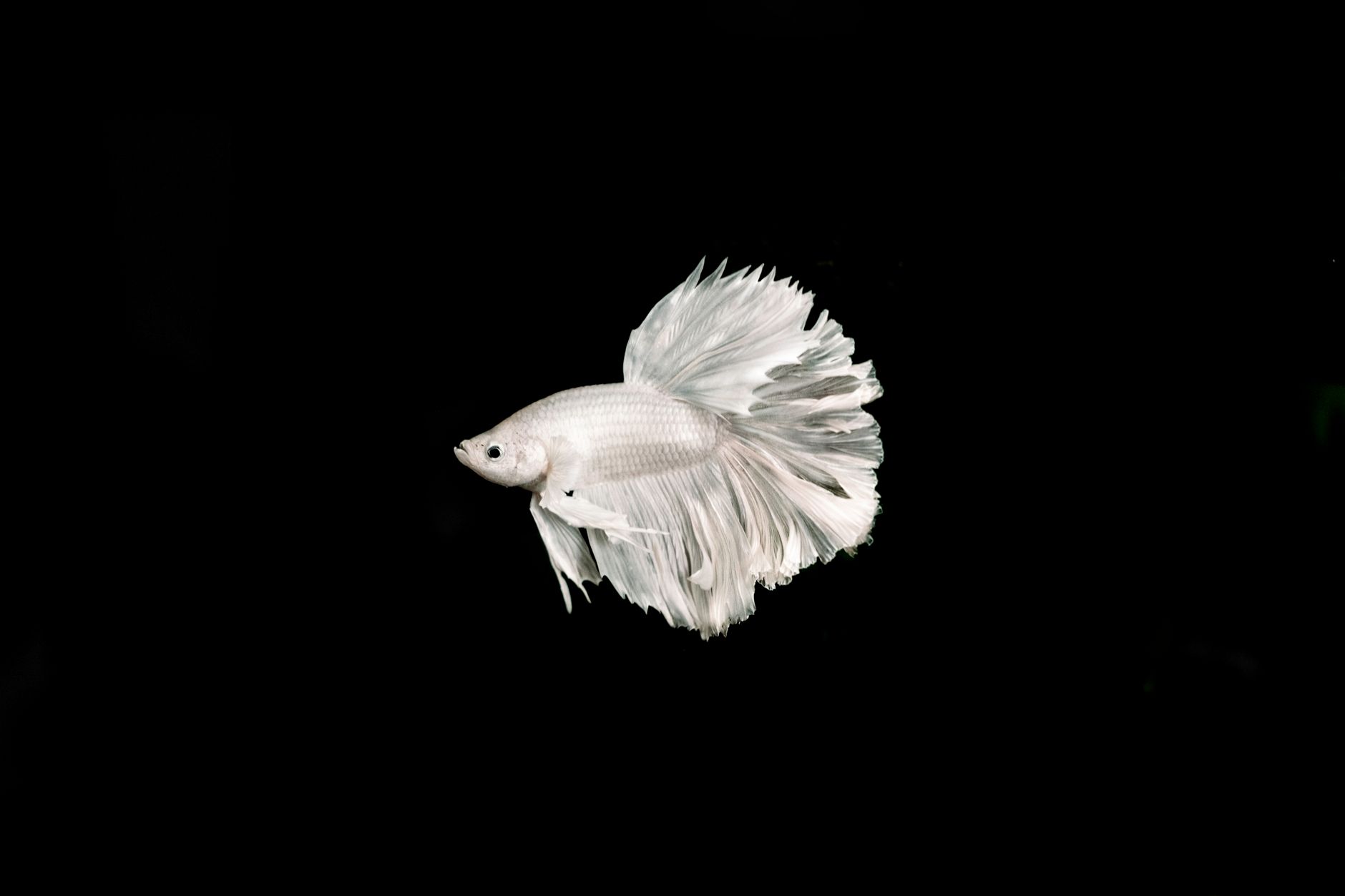
Bettas, also known as Siamese Fighting Fish, are fascinating creatures with specific dietary needs. While commercially prepared betta pellets should form the cornerstone of their diet, supplementing with live or frozen foods, such as brine shrimp, can significantly enhance their health, color, and overall well-being. Understanding how to properly introduce brine shrimp into your betta’s feeding regimen is crucial for responsible pet ownership.
Why Feed Brine Shrimp to Bettas?
Brine shrimp offer several advantages as a supplemental food source for bettas:
- High Nutritional Value: Brine shrimp are rich in protein and essential amino acids, crucial for muscle development and overall health.
- Stimulates Natural Hunting Behavior: Bettas are natural predators, and offering live brine shrimp triggers their hunting instincts, providing mental stimulation and entertainment.
- Enhances Coloration: The carotenoids present in brine shrimp can contribute to vibrant and intense coloration in bettas, especially red and orange hues.
- Variety and Palatability: Brine shrimp offer a welcome change from the monotony of pellet-only diets, making them a palatable and eagerly accepted treat.
Types of Brine Shrimp for Bettas

There are two primary options when it comes to feeding brine shrimp to your betta: live and frozen. Each has its own advantages and disadvantages.
- Live Brine Shrimp: Live brine shrimp offer the most natural feeding experience and retain the highest nutritional value. They require hatching and maintaining, adding to the workload for the aquarist.
- Frozen Brine Shrimp: Frozen brine shrimp are readily available and easier to store and prepare. However, the freezing process can slightly diminish their nutritional content. Thawed frozen brine shrimp should be used quickly or discarded to prevent spoilage.
A Step-by-Step Guide to Feeding Brine Shrimp
Here’s how you feed bettas brine shrimp effectively:
- Preparation: If using frozen brine shrimp, thaw a small portion in a clean container. If using live brine shrimp, harvest a small amount from your hatching container.
- Rinsing: Regardless of whether you are using live or frozen, thoroughly rinse the brine shrimp under cool, running water using a fine-mesh net. This removes excess salt or any preservatives.
- Portion Control: Feed only a small amount of brine shrimp that your betta can consume within 2-3 minutes. Overfeeding can lead to water quality issues.
- Feeding Technique: Gently introduce the brine shrimp into the aquarium. Observe your betta’s feeding behavior to ensure they are actively eating the shrimp.
- Clean Up: After feeding, remove any uneaten brine shrimp from the tank to prevent them from decaying and polluting the water. A turkey baster can be useful for this.
Hatching Your Own Brine Shrimp
While frozen brine shrimp are convenient, hatching your own live brine shrimp provides superior nutrition and replicates a natural feeding experience. Here’s a simplified process:
- Materials: You’ll need brine shrimp eggs, a hatching container, aquarium salt, an air pump, and an air stone.
- Prepare the Hatching Solution: Mix aquarium salt with dechlorinated water to create a saline solution with a specific gravity of around 1.018 (approximately 1-2 tablespoons of salt per liter of water).
- Add Eggs and Aerate: Add a small amount of brine shrimp eggs to the hatching container and insert the air stone, ensuring gentle aeration.
- Incubate: Keep the hatching container in a warm location (around 80-85°F or 26-29°C) for 24-48 hours.
- Harvest: After hatching, turn off the air pump and allow the hatched brine shrimp to settle at the bottom of the container. Use a small turkey baster or pipette to siphon off the live brine shrimp. Remember to rinse them thoroughly before feeding to your betta.
Potential Risks and Considerations
While brine shrimp offer significant benefits, it’s essential to be aware of potential risks:
- Overfeeding: Overfeeding can lead to obesity and water quality problems. Always feed in moderation.
- Contamination: Unclean brine shrimp or hatching containers can introduce harmful bacteria or parasites into your betta’s aquarium. Proper rinsing and sanitation are crucial.
- Impaction: In rare cases, poorly digested brine shrimp can cause impaction in bettas. This is more likely to occur if the shrimp are too large for the betta to consume properly.
- Nutritional Imbalance: Relying solely on brine shrimp can lead to nutritional deficiencies. Ensure brine shrimp are offered as a supplement, not the sole food source.
Recommended Feeding Frequency and Quantity
The frequency of how do you feed bettas brine shrimp? depends on the age and overall health of your betta. Generally, offering brine shrimp 2-3 times per week is a good starting point. Offer only a small amount, roughly equivalent to the size of your betta’s eye, per feeding. Observe your betta’s condition and adjust the frequency accordingly.
Table: Comparison of Live vs. Frozen Brine Shrimp
| Feature | Live Brine Shrimp | Frozen Brine Shrimp |
|---|---|---|
| Nutritional Value | Higher | Slightly Lower (due to freezing process) |
| Availability | Requires hatching; readily available afterward | Readily available from pet stores |
| Cost | Lower (long term if hatching) | Higher (per feeding) |
| Preparation | Requires hatching setup and maintenance | Thawing required |
| Stimulation | Triggers natural hunting instincts | Less stimulating |
| Risk | Potential for contamination if not properly hatched | Risk of spoilage if thawed and not used promptly |
Frequently Asked Questions
Can I feed my betta brine shrimp every day?
No, it’s generally not recommended to feed your betta brine shrimp every day. Brine shrimp should be offered as a supplement, not the primary food source. Overfeeding can lead to obesity and nutritional imbalances. A balanced diet consisting primarily of high-quality betta pellets, supplemented with brine shrimp 2-3 times per week, is ideal.
What size brine shrimp should I feed my betta?
The size of the brine shrimp should be appropriate for your betta’s mouth. Newly hatched brine shrimp (nauplii) are ideal for young bettas, while adult bettas can handle slightly larger shrimp. Avoid feeding brine shrimp that are significantly larger than your betta’s eye size to prevent choking or impaction.
How long can I store thawed frozen brine shrimp?
Thawed frozen brine shrimp should be used immediately. They are prone to bacterial contamination and should not be stored for later use. Discard any uneaten thawed brine shrimp promptly.
Are brine shrimp a complete food source for bettas?
No, brine shrimp are not a complete food source. While they are nutritious, they lack certain essential vitamins and minerals that bettas require for optimal health. A varied diet consisting of high-quality betta pellets and other supplements, such as daphnia or bloodworms, is essential.
Can I use ocean brine shrimp for my betta?
While ocean brine shrimp and the freshwater species are both fine, freshwater options are best. Ensure you get a quality batch and rinse before feeding.
How do I know if I’m overfeeding my betta with brine shrimp?
Signs of overfeeding include a swollen belly, lethargy, and uneaten food accumulating in the tank. If you notice these signs, reduce the amount of brine shrimp you are feeding and ensure you are cleaning the tank regularly.
What if my betta refuses to eat brine shrimp?
Some bettas may be picky eaters. Try offering the brine shrimp at different times of day or in conjunction with other foods. If your betta consistently refuses to eat brine shrimp, consider offering other alternative treats like daphnia or mosquito larvae.
Are freeze-dried brine shrimp a good alternative to live or frozen?
Freeze-dried brine shrimp are an option, but they are significantly less nutritious than live or frozen brine shrimp. If you choose to use freeze-dried brine shrimp, rehydrate them in a small amount of aquarium water before feeding to make them easier for your betta to digest.
Can I hatch brine shrimp using tap water?
No, you should not hatch brine shrimp using tap water. Tap water contains chlorine and other chemicals that are harmful to brine shrimp eggs and newly hatched nauplii. Use dechlorinated water or reverse osmosis water for best results.
What is the best temperature for hatching brine shrimp?
The optimal temperature for hatching brine shrimp is around 80-85°F (26-29°C). Maintaining a consistent temperature will improve hatching rates and reduce the risk of fungal or bacterial growth.
How long do brine shrimp eggs last?
Brine shrimp eggs can last for several years if stored properly in a cool, dry place. However, hatching rates may decline over time. It’s best to use fresher eggs for optimal results.
Where can I buy brine shrimp and hatching supplies?
Brine shrimp, both live, frozen, and eggs can be purchased at most pet stores that sell fish, as well as online retailers specializing in aquarium supplies. Ensure you choose reputable sources to ensure the quality and safety of the products.