

How to Keep Your Bunny Hopping: Entertaining Bored Rabbits
Combatting boredom in rabbits requires understanding their natural behaviors and providing stimulating outlets. This guide provides a plethora of enrichment strategies, from interactive toys to environmental modifications, ensuring your furry friend lives a happy and fulfilled life by demonstrating how do you entertain a bored rabbit? effectively using a variety of options.

Understanding Rabbit Boredom
Rabbits, often perceived as low-maintenance pets, are actually highly intelligent and active creatures. In the wild, they spend their days foraging, exploring, and socializing. Captivity, without sufficient stimulation, can lead to boredom, resulting in destructive behaviors and even health problems. Understanding the signs of rabbit boredom is the first step in providing appropriate enrichment.
Common signs of rabbit boredom include:
- Excessive chewing on cage bars, furniture, or other inappropriate items.
- Lethargy and inactivity; appearing uninterested in their surroundings.
- Overeating or undereating.
- Aggression or nipping at owners.
- Repetitive behaviors, such as excessive grooming or digging in their litter box.
Addressing these issues proactively is crucial for your rabbit’s well-being.
The Benefits of Entertaining Your Rabbit
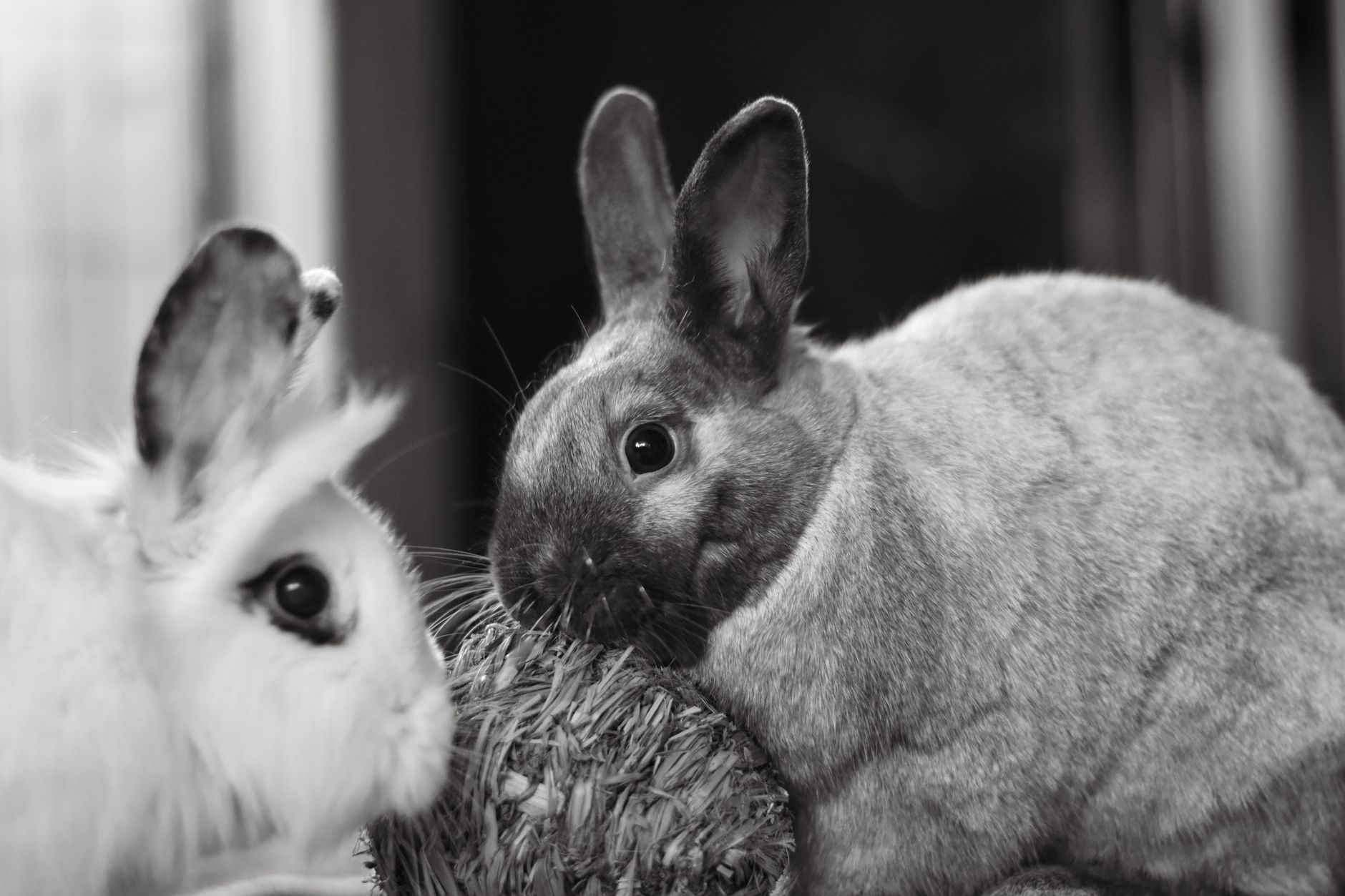
Providing enrichment isn’t just about preventing boredom; it’s about improving your rabbit’s overall quality of life.
Benefits of entertaining your rabbit include:
- Reduced Stress and Anxiety: Engaging activities help rabbits feel more secure and content.
- Improved Physical Health: Increased activity levels contribute to healthy weight management and muscle tone.
- Enhanced Mental Stimulation: Challenging activities keep their minds sharp and prevent cognitive decline.
- Stronger Bond with Owner: Interactive play and training sessions strengthen the bond between you and your rabbit.
- Prevention of Destructive Behaviors: A well-entertained rabbit is less likely to engage in destructive habits.
Enriching Your Rabbit’s Environment
The key to how do you entertain a bored rabbit? lies in creating a stimulating environment that mimics their natural habitat.
- Spacious Housing: Ensure your rabbit has a large cage or pen that allows them to hop, stretch, and stand upright.
- Hiding Places: Provide cardboard boxes, tunnels, or fabric shelters where your rabbit can retreat and feel secure.
- Digging Box: Fill a box with shredded paper, hay, or dirt to satisfy their natural digging instincts.
- Variety of Surfaces: Offer different textures, such as rugs, mats, and tiles, to provide sensory stimulation.
- Safe Chewing Items: Offer wooden toys, cardboard tubes, or untreated willow branches for chewing.
Interactive Toys and Games
Interactive toys and games are essential for keeping your rabbit mentally and physically engaged.
- Treat Balls: Fill treat balls with your rabbit’s favorite pellets or treats and watch them roll it around to dispense the rewards.
- Stacking Cups: Rabbits enjoy knocking over and rearranging stacking cups.
- Puzzle Toys: Puzzle toys require your rabbit to solve a problem to access a treat, providing mental stimulation.
- Tossing Toys: Small, lightweight toys like toilet paper rolls or small balls can be tossed for your rabbit to chase.
Foraging Opportunities
In the wild, rabbits spend a significant amount of time foraging for food. Mimicking this behavior in captivity can provide hours of entertainment.
- Scatter Feeding: Scatter your rabbit’s daily ration of pellets around their enclosure to encourage them to forage.
- Hay Foraging: Hide hay in different locations, such as inside cardboard tubes or under blankets, to make it more challenging to find.
- Herbal Foraging: Offer a variety of safe herbs, such as parsley, cilantro, and basil, and let your rabbit choose what they want to eat.
Social Interaction
Rabbits are social animals and benefit from interaction with their owners or other rabbits.
- Daily Playtime: Spend at least 30 minutes each day interacting with your rabbit, whether it’s through petting, playing games, or simply talking to them.
- Rabbit Companionship: If you have the space and resources, consider getting a second rabbit to provide companionship. Careful introduction is vital.
- Supervised Outdoor Time: Allow your rabbit to spend time outdoors in a secure enclosure, where they can graze and explore.
Training and Clicker Training
Training your rabbit can be a fun and rewarding experience for both of you. Clicker training is a particularly effective method for teaching rabbits tricks and behaviors.
- Basic Commands: Teach your rabbit basic commands such as “come,” “sit,” and “stay.”
- Agility Training: Set up a simple agility course using tunnels, jumps, and other obstacles.
- Trick Training: Teach your rabbit fun tricks such as fetching, spinning, or jumping through hoops.
Rotating Toys and Enrichment
Rabbits, like humans, can become bored with the same toys and activities over time. To keep things interesting, rotate your rabbit’s toys and enrichment items on a regular basis.
- Toy Rotation Schedule: Create a toy rotation schedule to ensure that your rabbit always has something new to play with.
- Introduce New Items Gradually: Introduce new toys and enrichment items gradually to avoid overwhelming your rabbit.
- Observe Your Rabbit’s Preferences: Pay attention to which toys and activities your rabbit enjoys the most and prioritize those items.
Common Mistakes When Entertaining Rabbits
While providing enrichment is crucial, it’s important to avoid common mistakes that can actually harm your rabbit.
- Offering Unsafe Toys: Avoid toys with small parts that can be ingested, or toys made from toxic materials.
- Overfeeding Treats: Treats should only be given in moderation, as they can lead to weight gain and health problems.
- Ignoring Your Rabbit’s Body Language: Pay attention to your rabbit’s body language to ensure that they are enjoying the activity.
- Forcing Interaction: Never force your rabbit to interact with you or play with toys if they are not interested.
- Neglecting Basic Needs: Enrichment should supplement, not replace, your rabbit’s basic needs, such as food, water, and shelter.

Frequently Asked Questions (FAQs)
How often should I play with my rabbit?
Daily interaction is key for building a bond and preventing boredom. Aim for at least 30 minutes of dedicated playtime each day. This can include petting, grooming, playing games, or simply spending time in the same room as your rabbit. Consistent interaction makes a significant difference.
What are some safe chew toys for rabbits?
Safe chew toys are essential for dental health. Untreated willow branches, cardboard tubes (without glue or staples), wooden toys made for rabbits, and apple tree branches are all excellent options. Avoid plastic toys or anything with small parts that could be ingested.
How do I know if my rabbit is bored?
Signs of boredom include excessive chewing, lethargy, destructive behavior, overeating, and repetitive behaviors like bar-biting or excessive grooming. If you notice these signs, it’s time to increase enrichment activities.
Can rabbits play with cat toys?
Some cat toys, like hard plastic balls (larger than the rabbit’s mouth) or treat balls, can be safe for rabbits, but always supervise playtime. Avoid cat toys with small parts, feathers, or strings that could be ingested.
Is it okay to let my rabbit play outside?
Supervised outdoor time can be enriching, but it’s crucial to ensure your rabbit’s safety. Use a secure outdoor pen to protect them from predators and toxic plants. Never leave your rabbit unattended outdoors.
How do I introduce a new toy to my rabbit?
Introduce new toys slowly and gradually. Place the toy near your rabbit’s enclosure and allow them to investigate it on their own. Reward them with a treat for interacting with the toy.
What kind of treats are safe for rabbits?
Safe treats for rabbits include small pieces of fruits (apple, banana, strawberries), vegetables (carrots, leafy greens), and commercially available rabbit treats (in moderation). Avoid sugary or processed treats.
Can rabbits be trained?
Yes, rabbits are intelligent and trainable! Clicker training is a particularly effective method for teaching rabbits basic commands, tricks, and even agility.
How do I stop my rabbit from chewing furniture?
Provide plenty of safe chew toys to satisfy their chewing instincts. Rabbit-safe sprays are available to deter chewing on furniture. Also, make sure your rabbit has enough enrichment and exercise to prevent boredom-related chewing.
Is it better to have one rabbit or two?
Rabbits are social animals and often thrive with companionship. A bonded pair can provide each other with enrichment and social interaction. However, careful introductions and proper housing are essential to prevent fighting.
How do I make a digging box for my rabbit?
A digging box can provide hours of entertainment. Fill a large box with shredded paper, hay, dirt, or a combination of these materials. Ensure the box is large enough for your rabbit to comfortably dig and explore.
How often should I clean my rabbit’s toys?
Clean your rabbit’s toys regularly to prevent the buildup of bacteria. Wash plastic toys with soap and water, and replace wooden toys when they become too worn or soiled.