
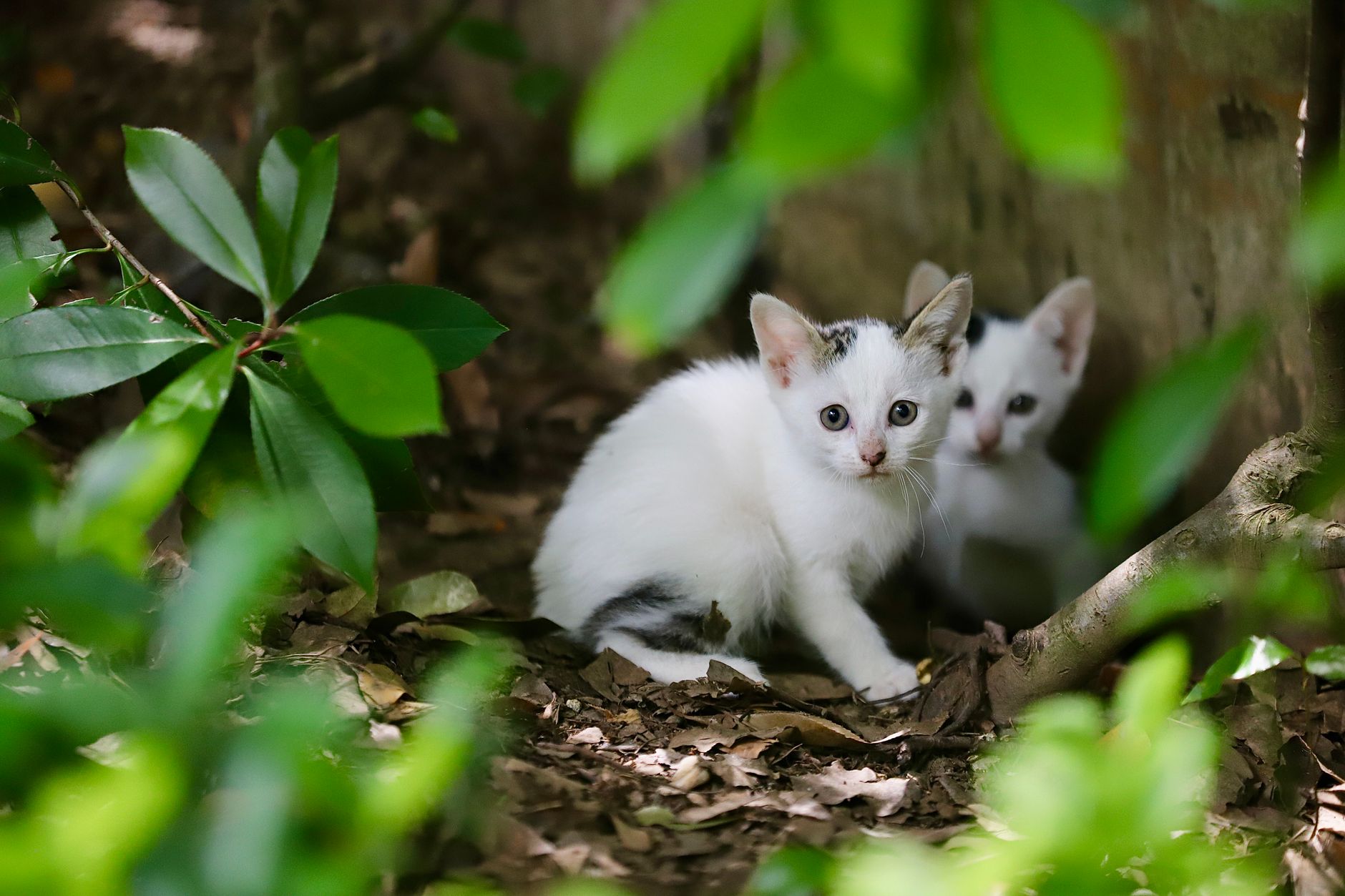
How to Deal with a Feral Cat with a Kitten: A Comprehensive Guide
Dealing with a feral cat and her kitten requires a strategic approach focused on safety, humane trapping, and ultimately, finding the best outcome for both animals, whether that’s return to their colony or successful fostering and adoption. How do you deal with a feral cat with a kitten? This guide offers expert advice on safely capturing, caring for, and determining the next steps for this vulnerable duo.

Understanding Feral Cats and Their Kittens
Feral cats are unowned domestic cats who live outdoors and are generally unsocialized to humans. Kittens born to feral mothers are often also feral, although early socialization can dramatically change their prospects for adoption. Approaching a feral cat with a kitten requires patience and understanding of their behavior.
- Feral Cats: Cats who live outdoors with little to no human contact. They are often born outside and unaccustomed to humans.
- Semi-Feral Cats: Cats that may have some contact with humans but are still wary and avoid close interaction.
- Stray Cats: Cats that were once pets but are now lost or abandoned. They are more likely to be socialized.
The presence of a kitten adds urgency to the situation. Young kittens are extremely vulnerable and dependent on their mother for survival. The goal is to help them both without causing undue stress or harm.
The Benefits of Intervention

Intervening appropriately can have numerous benefits:
- Improved Health: Both the mother and kitten can receive necessary medical care, including vaccinations and deworming.
- Preventing Reproduction: Spaying the mother cat prevents future litters, reducing the overall feral cat population.
- Socialization: Kittens, especially those under 8 weeks old, can be socialized and adopted into loving homes.
- Safer Environment: Removing the cats from dangerous environments, like busy streets or areas with predators, increases their chances of survival.
The Safe Capture Process: How Do You Deal With A Feral Cat With A Kitten?
Careful planning is essential when capturing a feral cat with a kitten. The process involves several key steps:
- Observation: Observe the cat and kitten’s behavior and routine from a distance. Note their feeding times and any potential hazards in the area.
- Preparation: Gather your supplies:
- Humane cat trap (appropriate size for both mother and kitten)
- Trap covering (blanket or towel)
- Enticing bait (canned tuna or salmon works well)
- Gloves
- Setting the Trap: Place the trap in a discreet location where the cat frequently visits. Bait the trap generously, placing some food leading into the trap and a larger amount at the back.
- Monitoring: Monitor the trap closely from a distance. The presence of the kitten may make the mother more cautious, so patience is key.
- Covering: Once the cat and kitten are safely inside, immediately cover the trap with the blanket or towel to reduce their stress.
- Transportation: Carefully transport the trap to a safe and quiet location, such as your home or a local animal shelter. Minimize noise and movement to avoid further upsetting the cats.
Caring for Feral Cats and Kittens Post-Capture
Once captured, immediate care is vital:
- Provide a Safe Space: Place the trap in a quiet room, away from other pets and children.
- Offer Food and Water: Provide fresh food and water inside the trap. If the cats are too frightened to eat or drink, try leaving the food and water near the trap but outside.
- Minimize Interaction: Avoid direct eye contact and loud noises. Speak softly and calmly.
- Seek Veterinary Care: Contact a veterinarian as soon as possible for a health check, vaccinations, deworming, and spaying/neutering. This is especially crucial to prevent the mother from becoming pregnant again.
- Socialization Efforts (For Kittens): If the kittens are young enough (under 8 weeks), begin socialization efforts gradually. This involves gentle handling, talking softly, and offering treats. Remember to prioritize the safety and well-being of the kitten and yourself.
Determining the Next Steps
The future for the feral cat and her kitten depends on their temperament and the availability of resources:
- TNR (Trap-Neuter-Release): If the mother cat is truly feral and unsocialized, TNR may be the best option. After spaying, she can be returned to her colony.
- Fostering and Adoption: Kittens, especially those that have been socialized, have a high chance of adoption. The mother cat may also be a candidate for adoption after a period of fostering and socialization.
- Barn Cat Programs: Some organizations offer “barn cat” programs, where feral cats are placed in rural environments to control rodents. This option provides a safe and useful life for cats that are not suitable for indoor living.
Common Mistakes
- Approaching Too Quickly: This can frighten the cats and make them more difficult to trap.
- Using the Wrong Bait: Using ineffective bait can deter the cats from entering the trap.
- Leaving the Trap Unattended: This can lead to the cats being trapped for extended periods, causing unnecessary stress.
- Ignoring the Mother’s Needs: Focusing solely on the kittens and neglecting the mother cat can be detrimental to both their well-being.

Frequently Asked Questions
How long can a feral kitten survive without its mother?
Feral kittens are entirely dependent on their mother for the first few weeks of life. Without their mother’s milk and warmth, a kitten younger than 4 weeks is unlikely to survive for more than a few hours, especially in harsh weather. If you find an orphaned kitten, immediate intervention is crucial.
What if I can’t catch the mother cat?
It’s crucial to try and trap the mother. If this proves impossible, focus on trying to socialize and provide care for the kitten. Consult a local rescue organization for guidance. The kitten’s long-term prospects are significantly improved with human interaction, even if its mother remains inaccessible.
How can I tell if a feral cat is truly feral or just scared?
Truly feral cats will exhibit extreme fear and avoidance of humans. They may hiss, spit, and lash out when approached. Scared stray cats may be wary but will often show signs of curiosity and may eventually approach for food or attention. Observation is key to understanding the cat’s behavior and determining the best course of action.
Is it safe to handle a feral cat with my bare hands?
No, it is generally not safe to handle a feral cat with bare hands. Feral cats can carry diseases and may bite or scratch out of fear. Always wear gloves and protective clothing when handling feral cats. Even seemingly friendly feral cats can become defensive when stressed.
What’s the best age to socialize a feral kitten?
The ideal age to socialize a feral kitten is between 4 and 8 weeks old. During this critical period, kittens are most receptive to human interaction. Kittens older than 12 weeks may be more difficult to socialize, but it is still possible with patience and persistence.
What kind of food should I give a feral cat and kitten?
Provide high-quality kitten food (wet and dry) for the kittens and high-quality adult cat food (wet and dry) for the mother. Make sure fresh water is always available. Avoid milk as many cats are lactose intolerant.
Should I keep a feral cat inside permanently?
This depends on the individual cat’s temperament. Some feral cats may never adjust to indoor living and will be happier in a managed outdoor environment. Others may gradually become more comfortable indoors after a period of fostering and socialization. Consider the cat’s well-being and behavior when making this decision.
What are the signs of illness in a feral cat or kitten?
Signs of illness include lethargy, loss of appetite, sneezing, coughing, diarrhea, vomiting, and discharge from the eyes or nose. If you notice any of these signs, seek veterinary care immediately.
How can I find a rescue organization that can help?
Search online for local animal shelters, rescue organizations, and TNR programs in your area. You can also contact your local veterinarian for recommendations. Many organizations are dedicated to helping feral cats and kittens and can provide valuable resources and support.
What if the feral cat is pregnant?
Handling a pregnant feral cat is more complex. It’s crucial to get her to a vet or rescue organization immediately. They can determine the stage of pregnancy and advise on the best course of action, which may involve allowing her to give birth in a safe environment and then spaying her after the kittens are weaned.
What are some ethical considerations when dealing with feral cats?
The primary ethical consideration is the well-being of the cats. This includes providing food, water, shelter, and medical care. TNR is generally considered the most humane approach to managing feral cat populations. Euthanasia should only be considered as a last resort in cases of severe illness or injury.
How Do You Deal With a Feral Cat With a Kitten Long-Term After TNR?
After TNR, continue providing food and water in a safe location. Monitor the cat’s health and behavior and seek veterinary care if needed. Providing a sheltered area, such as a cat house, can also improve their quality of life. Remember, consistent care and observation contribute to their overall well-being. Regularly providing resources after TNR is crucial for their sustained health and survival.