
How to Calm a Dog After a Stroke: A Comprehensive Guide
Learn how to calm a dog after a stroke through gentle handling, environmental adjustments, and focused medical care to support their recovery and reduce anxiety during this critical time. This involves a multi-faceted approach that prioritizes their physical comfort and emotional well-being.

Understanding Strokes in Dogs
Canine strokes, also known as cerebrovascular accidents (CVAs), occur when blood flow to the brain is disrupted, either due to a blockage (ischemic stroke) or a rupture of a blood vessel (hemorrhagic stroke). The immediate aftermath of a stroke can be incredibly frightening for both the dog and the owner. The dog may exhibit a variety of symptoms, including:
- Loss of balance and coordination
- Head tilting
- Seizures
- Vision loss
- Changes in behavior
- Weakness or paralysis on one side of the body
It’s crucial to seek immediate veterinary attention if you suspect your dog has had a stroke. Early diagnosis and treatment can significantly improve the outcome and minimize long-term damage.
Creating a Calm and Supportive Environment

One of the most important aspects of calming a dog after a stroke is creating a safe and predictable environment. Sudden noises, bright lights, and unfamiliar faces can increase their anxiety and agitation.
- Establish a Quiet Zone: Designate a quiet area in your home, away from the hustle and bustle of daily life. This could be a comfortable bed in a dimly lit room or a crate covered with a blanket.
- Minimize Sensory Overload: Keep the television and radio at a low volume, and avoid loud conversations or sudden movements. Dim the lights to reduce visual stimulation.
- Maintain a Routine: Dogs thrive on routine. Stick to a consistent schedule for feeding, bathroom breaks, and walks (if possible).
- Provide Soft Bedding: A comfortable and supportive bed can help your dog feel more secure and reduce discomfort. Consider using orthopedic bedding to provide extra support for their joints.
Gentle Handling and Reassurance
Physical touch can be incredibly soothing for a dog experiencing anxiety. However, it’s important to approach them gently and respectfully, especially after a stroke.
- Slow and Deliberate Movements: Avoid sudden movements or loud noises when approaching your dog. Move slowly and deliberately to avoid startling them.
- Calming Voice: Speak to your dog in a calm, soothing voice. Reassure them that everything is okay.
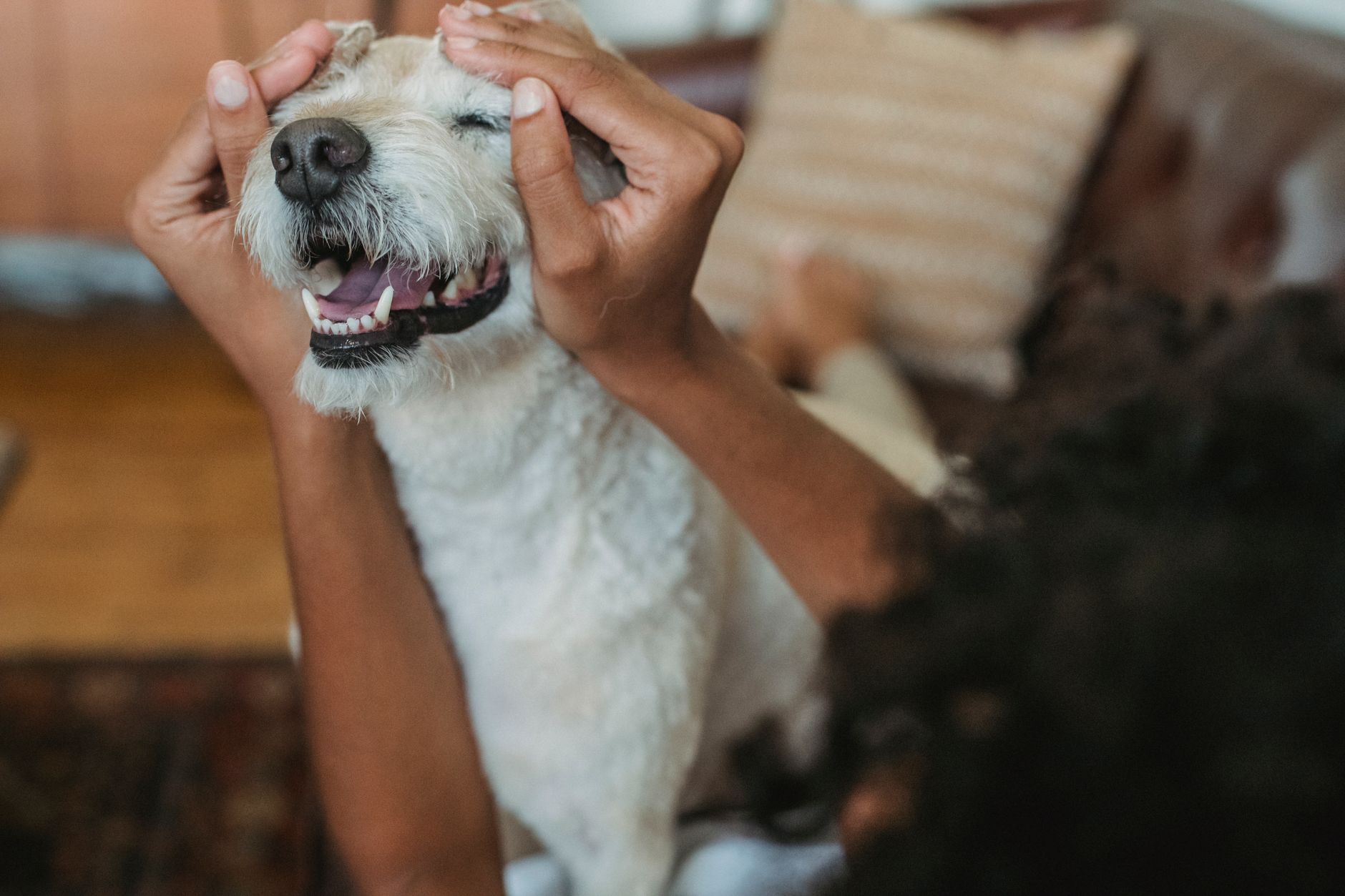
- Gentle Petting: If your dog is receptive, gently pet them on their head, back, or chest. Avoid touching areas that may be painful or sensitive.
- Stay Close: Simply being present and available can provide comfort and reassurance. Sit quietly near your dog and let them know you’re there.
Veterinary Care and Medication
Following veterinary instructions precisely is paramount in managing post-stroke anxiety and promoting recovery.
- Medication: The veterinarian may prescribe medication to manage pain, inflammation, or seizures. Administer all medications as directed and monitor your dog for any side effects.
- Physical Therapy: Physical therapy can help your dog regain strength and mobility. A veterinary physical therapist can develop a customized treatment plan to address their specific needs.
- Regular Check-Ups: Regular veterinary check-ups are essential to monitor your dog’s progress and adjust the treatment plan as needed.
- Alternative Therapies: Discuss with your vet whether therapies such as acupuncture or massage may be appropriate in aiding your dog’s recovery and reducing anxiety.
Common Mistakes to Avoid
- Forcing Interaction: Don’t force your dog to interact if they are not receptive. Allow them to come to you on their own terms.
- Punishment: Never punish your dog for behaviors resulting from the stroke. This will only increase their anxiety and fear.
- Ignoring Veterinary Advice: It’s critical to follow your veterinarian’s instructions carefully. Don’t deviate from the prescribed treatment plan without consulting them.
- Overstimulation: Avoid overwhelming your dog with too much activity or attention. Provide them with plenty of rest and quiet time.

Frequently Asked Questions (FAQs)
How long does it take for a dog to recover from a stroke?
The recovery time for a dog after a stroke varies greatly depending on the severity of the stroke, the underlying cause, and the dog’s overall health. Some dogs may show significant improvement within a few weeks, while others may require months of rehabilitation. Some dogs may never fully recover.
Can a dog have another stroke?
Yes, dogs that have had one stroke are at increased risk of having another. Managing underlying conditions such as high blood pressure or kidney disease can help reduce the risk of recurrence. Consistent vet checkups are crucial.
Is there anything I can do to prevent my dog from having a stroke?
While not all strokes are preventable, managing underlying health conditions such as heart disease, high blood pressure, and kidney disease can reduce the risk. Regular veterinary check-ups and a healthy lifestyle are also important.
What are the signs of a stroke in dogs?
The signs of a stroke in dogs can vary widely, but common symptoms include loss of balance, head tilting, seizures, vision loss, weakness or paralysis, and changes in behavior. Any sudden change in your dog’s behavior warrants a veterinary visit.
What if my dog is having seizures after a stroke?
Seizures after a stroke are a serious concern. Contact your veterinarian immediately if your dog is having seizures. They may need medication to control the seizures and prevent further brain damage.
How can I help my dog with balance issues after a stroke?
You can help your dog with balance issues by providing a safe and supportive environment. Use ramps or steps to help them navigate stairs, and consider using a harness to provide extra support when walking.
What type of diet is best for a dog after a stroke?
A balanced and nutritious diet is essential for recovery after a stroke. Your veterinarian may recommend a specific diet based on your dog’s individual needs and any underlying health conditions.
How often should I take my dog to the vet after a stroke?
The frequency of veterinary visits after a stroke depends on your dog’s individual case. Your veterinarian will recommend a schedule based on their progress and any ongoing health concerns.
What are some long-term complications of strokes in dogs?
Long-term complications of strokes in dogs can include persistent weakness or paralysis, cognitive dysfunction, seizures, and behavioral changes.
Is euthanasia an option if my dog doesn’t recover from a stroke?
Euthanasia is a personal decision that should be made in consultation with your veterinarian. If your dog’s quality of life is severely compromised and they are experiencing significant pain or suffering, euthanasia may be the most humane option.
How do you calm a dog after a stroke who is panting heavily and pacing?
Panting and pacing are common signs of anxiety and discomfort. Offer them a cool, quiet space, gently encourage them to lie down, and speak to them in a soothing voice. Consult your vet; medication may be needed.
How do you calm a dog after a stroke when they won’t eat or drink?
Loss of appetite and thirst can be dangerous. Offer small amounts of highly palatable food and water. Elevate their food and water bowls if they have difficulty reaching them. If they continue to refuse food and water, contact your veterinarian immediately. They may need intravenous fluids or other supportive care.