

How Wind Turbines Affect Bird Migration: A Deeper Look
How do wind turbines affect bird migration? Wind turbines pose a significant risk to migrating birds, causing collisions and habitat displacement, ultimately impacting bird populations and the delicate balance of ecosystems.
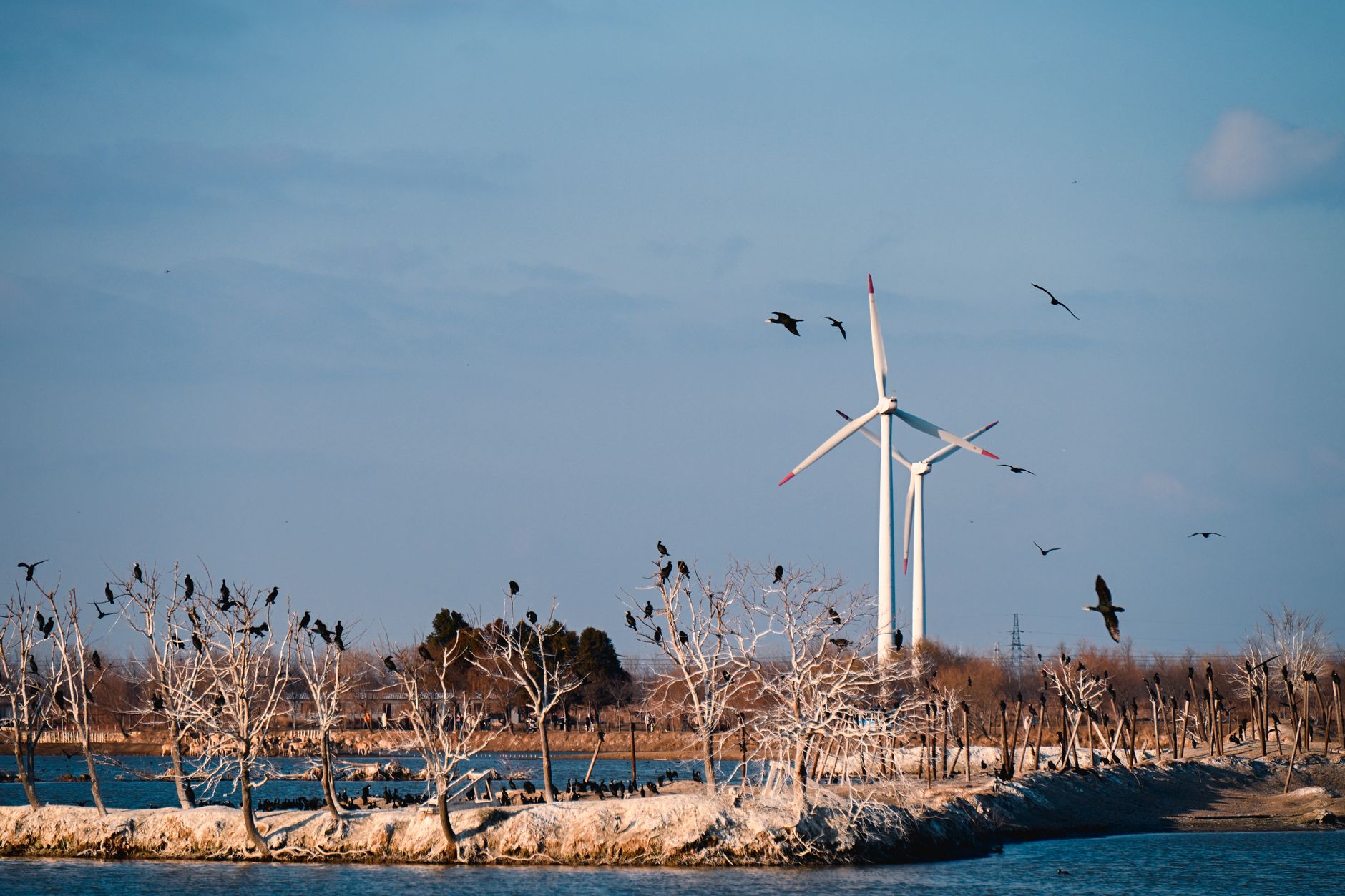
The Intersection of Renewable Energy and Avian Conservation
The push for renewable energy sources like wind power is crucial in combating climate change. However, the placement and operation of wind farms raise valid concerns regarding their impact on wildlife, particularly migratory birds. Understanding how do wind turbines affect bird migration? is essential for developing sustainable energy solutions that minimize environmental harm. This requires a balanced approach, weighing the benefits of clean energy against the potential ecological consequences.
The Risks Faced by Migratory Birds

Migratory birds face numerous challenges during their long journeys, including habitat loss, food scarcity, and inclement weather. Wind turbines add another layer of complexity, introducing both direct and indirect threats.
-
Collision Risk: The most obvious threat is direct collision with turbine blades. Birds, especially during periods of low visibility or at night, may not be able to see or avoid the rapidly moving blades.
-
Habitat Displacement: Wind farms can disrupt migratory routes and displace birds from important stopover sites. The presence of turbines can deter birds from using areas they previously relied upon for feeding and resting.
-
Barrier Effect: Wind farms can act as barriers, forcing birds to detour around them. This increases energy expenditure and can delay migration, reducing their chances of successful breeding or wintering.
Factors Influencing Bird-Turbine Collisions
Several factors influence the likelihood of bird-turbine collisions:
- Turbine Location: Turbines located along migratory corridors, in areas with high bird densities, or in important habitat areas pose a greater risk.
- Turbine Design: Larger turbines with faster-moving blades have been associated with higher collision rates.
- Weather Conditions: Poor visibility (fog, rain), strong winds, and nighttime migration can increase collision risk.
- Bird Species: Some species are more vulnerable to collisions than others, due to their flight patterns, behavior, or population size. Raptors, for example, are often attracted to turbines for hunting opportunities but are vulnerable to collisions themselves.
Mitigation Strategies: Balancing Energy and Conservation
Fortunately, several strategies can be implemented to minimize the impact of wind turbines on bird migration:
-
Siting: Carefully selecting wind farm locations to avoid migratory routes, important habitat areas, and areas with high bird densities is the most effective mitigation strategy. This requires comprehensive pre-construction surveys and environmental impact assessments.
-
Turbine Design: Designing turbines to reduce collision risk, such as using slower-moving blades or avian-friendly blade designs.
-
Operational Adjustments: Implementing operational measures, such as curtailing turbine operation during periods of high bird migration or low visibility. Radar-based monitoring systems can detect approaching birds and trigger temporary shutdowns.
-
Habitat Management: Managing vegetation around wind farms to reduce attractiveness to birds. This can involve removing trees or shrubs that provide nesting or perching sites.
-
Lighting: Minimizing the use of lighting on turbines, as lights can attract birds and increase collision risk. Red or infrared lights are generally less attractive to birds than white lights.
The Importance of Ongoing Research and Monitoring
Continued research and monitoring are crucial to understanding the long-term effects of wind turbines on bird populations and to refine mitigation strategies. This includes:
-
Pre- and Post-Construction Monitoring: Conducting thorough bird surveys before and after wind farm construction to assess the impact on bird populations.
-
Collision Monitoring: Regularly monitoring turbines for bird carcasses to estimate collision rates.
-
Radar and Acoustic Monitoring: Using radar and acoustic monitoring to track bird movements and identify high-risk areas.
-
Adaptive Management: Adapting mitigation strategies based on monitoring data and research findings.
| Mitigation Strategy | Description | Effectiveness |
|---|---|---|
| Strategic Siting | Avoiding migratory corridors and high-density bird areas. | Highly effective, but requires comprehensive planning and environmental impact assessments. |
| Operational Curtailment | Shutting down turbines during periods of high bird migration or low visibility. | Effective in reducing collisions during specific times, but can impact energy production. |
| Avian-Friendly Turbine Design | Using slower-moving blades or blade designs that are more visible to birds. | Shows promise, but more research is needed to fully assess its effectiveness. |
| Habitat Management | Reducing the attractiveness of the area to birds by managing vegetation and removing nesting sites. | Can be effective in certain situations, but may not be feasible in all locations. |
| Lighting Reduction | Minimizing the use of lighting on turbines, using red or infrared lights instead of white lights. | Generally effective in reducing attraction to birds, especially at night. |
The Future of Wind Energy and Avian Conservation
The future of wind energy depends on finding solutions that minimize its impact on wildlife. This requires collaboration between energy developers, conservation organizations, and government agencies. By investing in research, implementing effective mitigation strategies, and adopting an adaptive management approach, we can harness the power of wind while protecting our avian resources. The key is understanding how do wind turbines affect bird migration? and acting responsibly.

Frequently Asked Questions: Wind Turbines and Bird Migration
How serious is the threat posed by wind turbines to bird populations?
The threat is considered significant for some species, particularly those with small populations or those that are slow to reproduce. While the overall number of birds killed by turbines may be lower than other human-related causes of mortality (such as building collisions or cat predation), the impacts can be disproportionately high for certain vulnerable species.
Which bird species are most vulnerable to wind turbine collisions?
Raptors (hawks, eagles, falcons) are particularly vulnerable, as they often hunt in open areas where wind turbines are located. Other vulnerable species include migratory songbirds, waterfowl, and seabirds that fly at altitudes that intersect with turbine blades. This is why understanding how do wind turbines affect bird migration? is essential.
What is “curtailment” and how does it help protect birds?
Curtailment refers to the practice of temporarily shutting down wind turbines during periods when bird activity is high, such as during peak migration periods or during periods of low visibility. This reduces the risk of collisions and can be an effective mitigation strategy.
Can radar technology be used to protect birds from wind turbines?
Yes, radar technology can be used to detect approaching birds and trigger the curtailment of wind turbines. Radar systems can track bird movements and provide real-time information about bird densities, allowing operators to proactively reduce collision risk.
Are there avian-friendly turbine designs that can reduce bird collisions?
Some turbine designs are considered more avian-friendly than others. For example, slower-moving blades, wider blade spacing, and highly visible blade colors may reduce collision risk. More research is needed to fully evaluate the effectiveness of these designs.
How do wind farms affect bird migration routes?
Wind farms can act as barriers to bird migration, forcing birds to detour around them. This can increase energy expenditure and delay migration, potentially impacting their ability to reach their breeding or wintering grounds successfully. This is a significant aspect of understanding how do wind turbines affect bird migration?.
What role does lighting play in bird-turbine collisions?
Lighting can attract birds, particularly at night, increasing the risk of collisions. Reducing the amount of lighting on turbines and using red or infrared lights instead of white lights can help to mitigate this risk.
How can habitat management around wind farms help protect birds?
Managing vegetation around wind farms to make the area less attractive to birds can reduce the risk of collisions. This can involve removing trees or shrubs that provide nesting or perching sites and creating open areas that are less appealing to birds.
Who is responsible for ensuring that wind farms are built and operated in a way that minimizes harm to birds?
Responsibility is shared between energy developers, government agencies, and conservation organizations. Developers are responsible for conducting environmental impact assessments and implementing mitigation strategies. Government agencies are responsible for setting regulations and enforcing environmental laws. Conservation organizations play a role in advocating for bird protection and conducting research.
What happens to birds that are killed by wind turbines?
The carcasses of birds killed by wind turbines are typically removed during monitoring surveys. Data on the number and species of birds killed are used to assess the impact of wind farms and to refine mitigation strategies.
Are there any success stories of wind farms being built and operated in a way that protects birds?
Yes, there are examples of wind farms that have been successfully built and operated in a way that minimizes harm to birds. These projects often involve careful siting, implementation of effective mitigation strategies, and ongoing monitoring to ensure that bird populations are protected.
What can individuals do to support wind energy development that is compatible with bird conservation?
Individuals can support wind energy development by advocating for responsible siting and operation of wind farms, supporting research on bird-turbine interactions, and choosing energy providers that prioritize environmental sustainability. They can also educate themselves further on how do wind turbines affect bird migration?.